
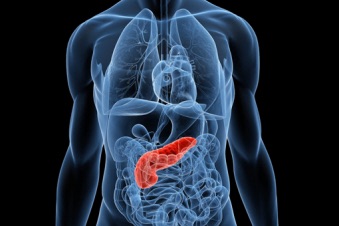
Pancreatic cancer is usually a very aggressive and survival rates are one of the worst.
Cancer research UK survival statistics mention that only 1 in 4 survive for a year after a diagnosis of pancreatic cancer. Unfortunately, very few survive over long term and only 5% survive for 5 years or more after a diagnosis of pancreatic cancer.
There are limited treatment options for pancreatic cancers.
So a bit of good news about a new pancreatic cancer treatment is widely welcomed.
Daraxonrasib is a new pill which is taken daily. It has been approved for second line treatment in USA in August 2026. The SECOND LINE trial results were presented around June 2026 and drug was very quickly approved by USA authorities (FDA) in August 2026.
But Daraxonrasib is yet to be approved in Europe and hopefully it would be approved shortly in Europe for SECOND LINE setting.
It is intended that the daily pill will be used on its own in SECOND LINE setting.
Now a new trial indicates that the drug would also be highly active in FIRST LINE setting when used in combination with chemotherapy. The trial results were presented at the 38th EORTC-NCI-AACR SYMPOSIUM 2026 on molecular targets and cancer therapeutics on 20 November, at Barcelona, Spain.
Daraxonrasib in combination with chemotherapy showed excellent shrinkage of tumours.
A word of caution ; more trial data will be needed by regulatory authorities before they approve the drug in FIRST LINE setting.
References
BBC news. Massive hope for pancreatic cancer pill after trial saw tumours vanish. Published 20/11/2026.
FDA Aug 2026. Daraxonrasib. FDA approves daraxonrasib for metastatic pancreatic adenocarcinoma.

Disclaimer: Please note – This blog is NOT medical advice. This blog is NOT a expert medical opinion on various topics. This blog is purely for information research only and do check the sources where cited. But the author cannot vouch for scientific integrity of the sources cited and author is not responsible for any information in any advert on those cited pages. Please DO consult your own doctor to discuss concerns and options, which are directly relevant and specific to you. The views expressed in this blog are NOT, in any way whatsoever, intended to be a substitute for professional advice. The blog is NOT previewed, commissioned or otherwise endorsed, in any way, by any organisation that the author is associated with. The views expressed in this blog likely represents some of the author’s personal views held at the time of drafting this blog and MAY CHANGE overtime, particularly when new evidence comes to light.

