The battle of weight loss drugs: which is better? Mounjaro versus Ozempic.

Mounjaro is the winner !

The question has been answered by a high quality trial published in the premier medical journal ( New England Journal of Medicine).

Mounjaro is the winner !

Mounjaro is the brand name of the weight loss drug called Tirzepatide.

Mounjaro has come out on the top when it was compared to the other popular weight loss drug called Ozempic.

Ozempic is the brand name of the weight loss drug called semaglutide. Wegovy is another brand name for semaglutide .

A total of 751 participants were invoked in this trial . The trial was conducted very recently between April 2023, and November 2024.

Nearly 20% of those having Mounjaro injections had lost at  least 30% of their weight but only about 7% of people having Ozempic/ Wegovy injections lost that amount of weight.

Remember- the weight loss injections are not a one time silver bullet. Most people put the weight back on when they stop the injections. 

A healthy diet remains a very important part of weight loss.

References

  1. NEJM Tirzepatide as Compared with Semaglutide for the Treatment of Obesity. L.J. Aronne and Others. DOI: 10.1056/NEJMoa2416394 | May 11, 2025.
  2. Guardian. People who stop weight loss drugs return to original weight within year, analysis finds (Research raises questions about long-term treatment of and support for people using weight loss drugs). Anna Bawden Health and social affairs correspondent in Málaga. Wed 14 May 2025 20.00 BST

Disclaimer: Please note – This blog is NOT medical advice. This blog is NOT a expert medical opinion on various topics. This blog is purely for information research only and do check the sources where cited. Please DO consult your own doctor to discuss concerns and options, which are relevant and specific to you. The views expressed in this blog are NOT, in any way whatsoever, intended to be a substitute for professional advice. The blog is NOT previewed, commissioned or otherwise endorsed, in any way, by any organisation that the author is associated with. The views expressed in this blog likely represents some of the author’s personal views held at the time of drafting the blog and MAY CHANGE overtime, particularly when new evidence comes to light.
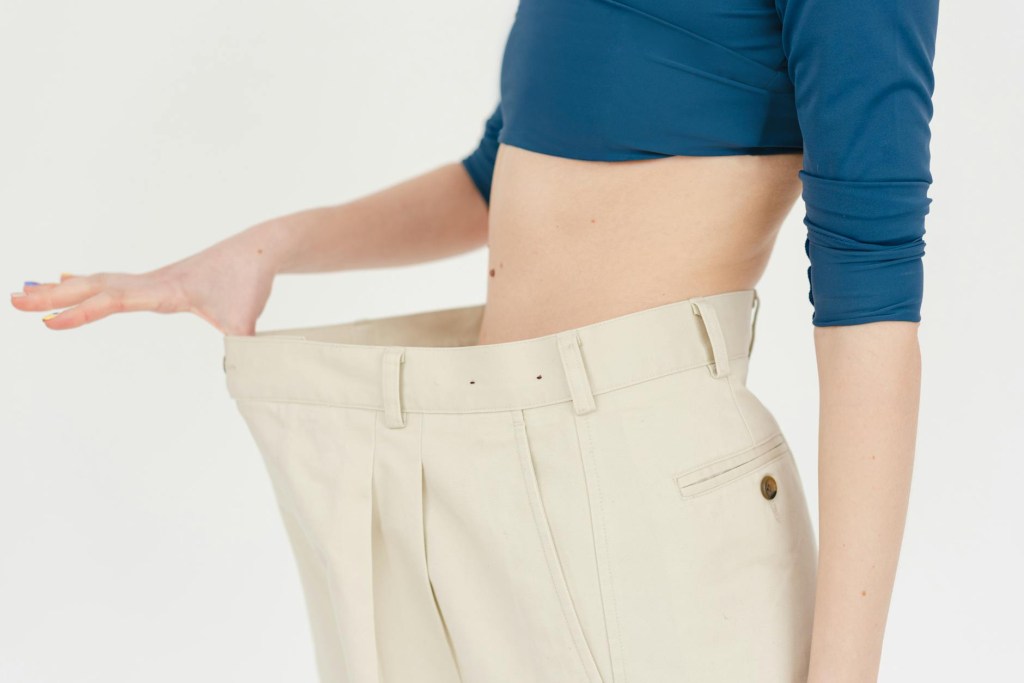
Is 10 minute exercise every day any good?

Yes, even a 10 minute exercise everyday is good.

‘Something is better than nothing’ principle applies.

Even Simple walking, Gardening or House work helps a lot.

Any exercise benefits the obese as well as those whose weight is in the normal range.

The normal recommendation is to do “at least 150 minutes of moderate intensity activity a week or 75 minutes of vigorous intensity activity “

But, in the American study, even people who exercised less than the recommended benefitted from exercise.

Sit Less, Move More !

References

Telegraph: Why ‘exercise snacking’ could extend your life by two years.
Just 10 minutes’ walking, gardening or simply moving about pays health dividends
By Jessica Salter
7 May 2022 • 5:00am

NIH News in Health

A Little Exercise Might Lengthen Life

Original research paper link: Leisure time physical activity of moderate to vigorous intensity and mortality: a large pooled cohort analysis
Steven C Moore et al. PLoS Med. 2012.

Do statins cause muscle aches and pain ?

Yes, Statins can cause muscle aches and pains.

But the number of people getting it is very small and in vast majority of people, the symptoms are not serious.

Most importantly, the benefits of statins outweighs the risk of side effects.

That is the conclusion of a study published in BMJ medical journal.

References

BMJ. Associations between statins and adverse events in primary prevention of cardiovascular disease: systematic review with pairwise, network, and dose-response meta-analyses
BMJ 2021; 374 doi: https://doi.org/10.1136/bmj.n1537 (Published 15 July 2021)
Cite this as: BMJ 2021;374:n1537

Disclaimer: Please note- This blog is NOT medical advice. This blog is NOT a expert medical opinion on various topics. This blog is purely for information only and do check the sources where cited. Please DO consult your own doctor to discuss concerns and options relevant to you. The views expressed in this blog represent the author’s personal views held at the time of drafting the blog and may change overtime, particularly when new evidence comes to light. The blog is NOT previewed, commissioned or otherwise endorsed by any organisation that the author is associated with. The views expressed in this blog are NOT, in way whatsoever, intended to be a substitute for professional advice.
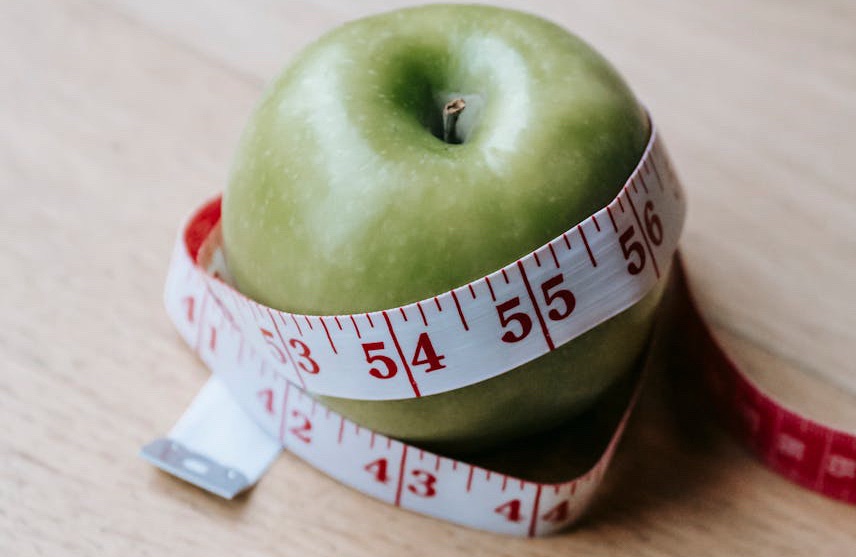
Vaccine for the obesity pandemic !

As the world battles the COVID-19 pandemic , there is another pandemic that been going on for decades without any end in sight.

The other pandemic is obesity !

Obesity has caused far more deaths than the COVID-19 pandemic.

The Vaccines promise to end the COVID-19 pandemic.

Wouldn’t it be wonderful if a vaccine can sort the obesity pandemic ? It does not need to be rhetorical question or wishful thinking.

An article in Science magazine reports an association between obesity and a type of body immune cell called macrophages. This raises the possibility of using immunotherapy for obesity.

There is also another tantalising possibility. Behaviours, emotions and eating wrong type of food are often blamed for obesity. What if the entire scientific thinking about obesity is wrong?

In the past, another widespread condition used to be blamed on wrong food and stress. Stomach ulcers used to be very common and very distressing. Modern stressful life, emotions and wrong type of food were universally blamed for stomach ulcers. Then an Australian team proved stomach ulcers were due to an infection. Now stomach ulcers are routinely treated by antibiotics!

Obesity is common among the disadvantaged people in society. All types of infections are common in disadvantaged people. So it is not beyond the realms of plausiblity to hypothesise (suggest) that obesity could be caused by an infectious agent that affects food intake in some way, by possibly affecting sense of taste or smell of smell or feeling of fullness after eating (satiety).

If an infectious agent (e.g bacteria, virus or prion) is indeed found to be responsible for development of obesity, then the vaccines would provide a very easy way to prevent obesity.

Please note: The science magazine article on immunotherapy is based on excellent, high quality scientific work. But the possibility of an infection being responsible for obesity is merely a scientific hypothesis or scientific suggestion. It is based on a personal hunch. It is NOT based on any direct high quality scientific data at this stage !

References

Science Magazine. An anti-obesity immunotherapy? https://science.sciencemag.org/content/373/6550/24

BBC. Over a million hospital admissions for obesity
By Sophie Hutchinson
BBC News

Disclaimer: Please note- This blog is NOT medical advice. This blog is NOT a expert medical opinion on various topics. This blog is purely for information only and do check the sources where cited. Please DO consult your own doctor to discuss concerns and options relevant to you. The views expressed in this blog represent the author’s personal views held at the time of drafting the blog and may change overtime, particularly when new evidence comes to light. The blog is NOT previewed, commissioned or otherwise endorsed by any organisation that the author is associated with. The views expressed in this blog are NOT, in way whatsoever, intended to be a substitute for professional advice.

Is drinking alcohol within guideline amount safe ?

No !

It would be a shock for many to hear that “No amount of alcohol is absolutely safe”.

A team at Imperial College London analysed MRI scans of heart, brain and liver of people who drink alcohol. They found that higher alcohol consumption was related to smaller brain, weaker heart and fatty liver.

They reported that “there is no ‘safe threshold’ below which there were no toxic effects of alcohol.

Previously other studies have also reported that there is no safe limit for alcohol!

In 2018, a Lancet study reported that the risk of death and risk of cancers increased substantially with increasing levels of alcohol consumption; and there was no safe limit below which there was no risk.

The message is “Avoid alcohol”

If you can’t, then atleast drink as little as possible.

References:

Alcohol consumption in the general population is associated with structural changes in multiple organ systems. Evangelos Evangelou, Hideaki Suzuki, Wenjia Bai, Raha Pazoki, He Gao, Paul M Matthews MD, PhD, Paul Elliott. https://doi.org/10.7554/eLife.65325

Does Drinking Within Low-Risk Guidelines Prevent Harm? Implications for High-Income Countries Using the International Model of Alcohol Harms and Policies
Adam Sherk et al. J Stud Alcohol Drugs. 2020 May

Lancet. GBD 2016 Alcohol Collaborators
Alcohol use and burden for 195 countries and territories, 1990–2016: a systematic analysis for the Global Burden of Disease Study 2016.
Lancet. 2018; (published online Aug 23.)
http://dx.doi.org/10.1016/S0140-6736(18)31310-2

Disclaimer: Please note- This blog is NOT medical advice. This blog is NOT a expert medical opinion on various topics. This blog is purely for information only and do check the sources where cited. Please DO consult your own doctor to discuss concerns and options relevant to you. The views expressed in this blog represent the author’s views held at the time of drafting the blog and may change overtime, particularly when new evidence comes to light. The blog is not previewed, commissioned or otherwise endorsed by any organisation that the author is associated with. The views expressed in this blog are not, in way whatsoever, intended to be a substitute for professional advice.

Obesity kills but is losing weight in old age also risky ?

Losing weight is a New year resolution for many people. There is no doubt that having a normal weight is healthy overall.

But there is always some degree of uncertainty with any health advice and this BMJ paper certainly gives “food for thought”.

Before you read further , you have understand that there are varying degrees of being overweight. BMI ( Body mass index) is the scientific way of looking at body weight issues and it is calculated using height and weight.

Based on BMI, people are usually classified into three groups:

(a) underweight and normal weight (BMI<25)

b) overweight (BMI 25.0-29.9)

(c) obese (BMI ≥30.0)

There is no doubt that obesity is bad for health. The BMJ paper not supringly found obesity in adulthood increased the risk death.

But, intriguingly, just being overweight only without being obese does NOT seem to have MAJOR impact on risk of death in adults.

Paradoxically, the study found that “weight loss from middle to late adulthood was associated with increased risk of death”

It is large well designed study but nevertheless results of observational studies need to be interpreted with caution.

The message from this study is “do not gain excessive weight during early adulthood“. Losing the excessive weight later on might not undo the damage already done to the body.

References:

(1) Weight change across adulthood in relation to all cause and cause specific mortality: prospective cohort study.

BMJ 2019; 367 doi: https://doi.org/10.1136/bmj.l5584 (Published 16 October 2019) Cite this as: BMJ 2019;367:l5584

(2) Free NHS calculator for BMI ( Body mass index calculation) and advice regarding Body mass index.

Disclaimer: Please note- This blog is NOT medical advice. This blog is purely for information only and do check the the sources where cited. Please DO consult your own doctor to discuss concerns and options relevant to you.

The views expressed in this blog represent the author’s views held at the time of drafting the blog and may change overtime, particularly when new evidence comes to light. The blog is not necessarily endorsed by any organisation the author is associated with and views are not substitute for professional advice.