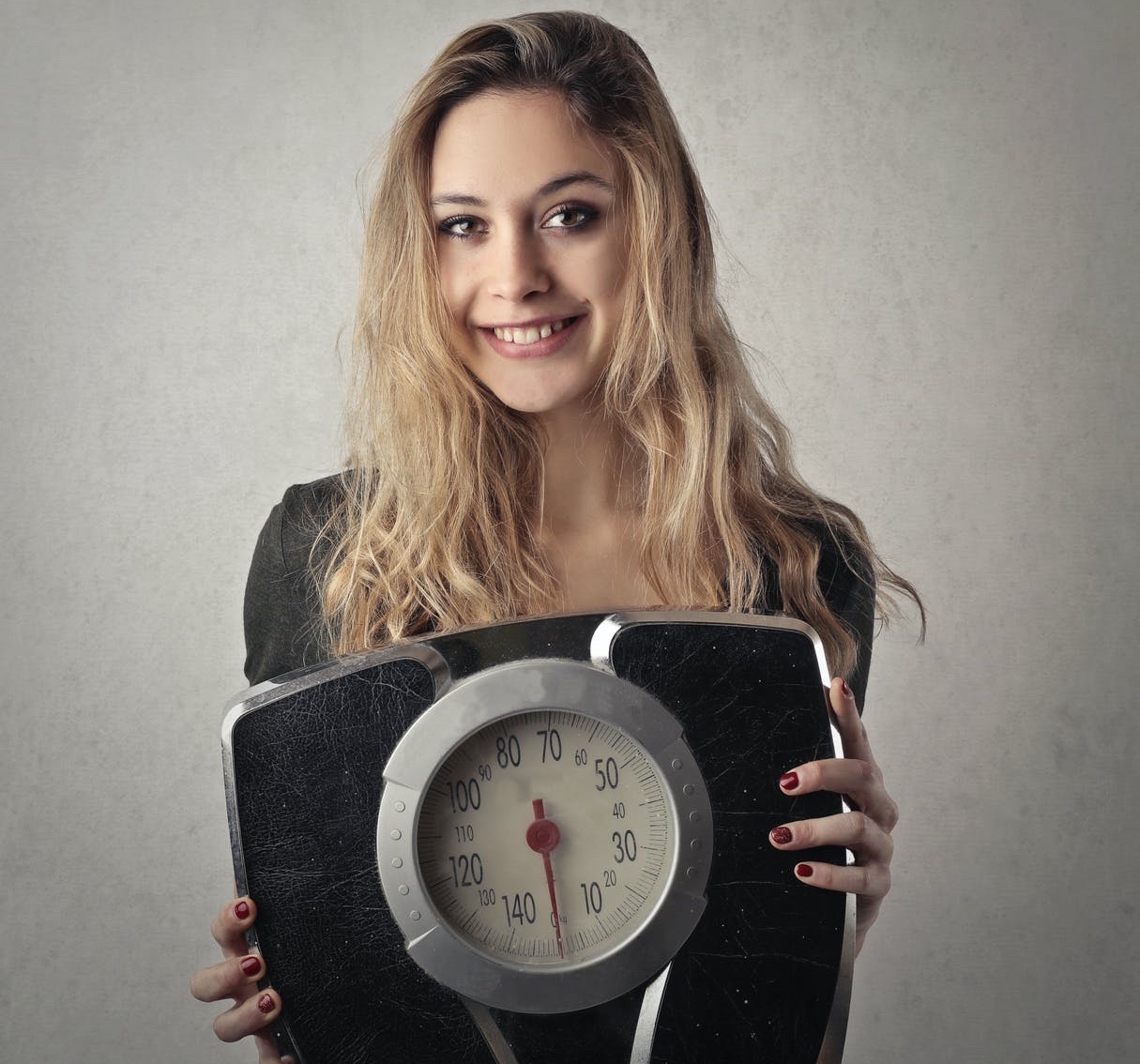
The battle of weight loss drugs: which is better? Mounjaro versus Ozempic.

Mounjaro is the winner !

The question has been answered by a high quality trial published in the premier medical journal ( New England Journal of Medicine).

Mounjaro is the winner !

Mounjaro is the brand name of the weight loss drug called Tirzepatide.

Mounjaro has come out on the top when it was compared to the other popular weight loss drug called Ozempic.

Ozempic is the brand name of the weight loss drug called semaglutide. Wegovy is another brand name for semaglutide .

A total of 751 participants were invoked in this trial . The trial was conducted very recently between April 2023, and November 2024.

Nearly 20% of those having Mounjaro injections had lost at  least 30% of their weight but only about 7% of people having Ozempic/ Wegovy injections lost that amount of weight.

Remember- the weight loss injections are not a one time silver bullet. Most people put the weight back on when they stop the injections. 

A healthy diet remains a very important part of weight loss.

References

  1. NEJM Tirzepatide as Compared with Semaglutide for the Treatment of Obesity. L.J. Aronne and Others. DOI: 10.1056/NEJMoa2416394 | May 11, 2025.
  2. Guardian. People who stop weight loss drugs return to original weight within year, analysis finds (Research raises questions about long-term treatment of and support for people using weight loss drugs). Anna Bawden Health and social affairs correspondent in Málaga. Wed 14 May 2025 20.00 BST

Disclaimer: Please note – This blog is NOT medical advice. This blog is NOT a expert medical opinion on various topics. This blog is purely for information research only and do check the sources where cited. Please DO consult your own doctor to discuss concerns and options, which are relevant and specific to you. The views expressed in this blog are NOT, in any way whatsoever, intended to be a substitute for professional advice. The blog is NOT previewed, commissioned or otherwise endorsed, in any way, by any organisation that the author is associated with. The views expressed in this blog likely represents some of the author’s personal views held at the time of drafting the blog and MAY CHANGE overtime, particularly when new evidence comes to light.

Is dark chocolate good for You ?

Is dark chocolate good?

And is milk chocolate bad?

The answer to both the question is YES.

A recent paper published in British Medical Journal (BMJ) found that “people who consumed ≥5 servings/week of dark chocolate showed a significantly LOWER risk of developing diabetes”.

The study also found that eating milk-chocolate was bad. Milk-chocolate was associated with weight gain, which is not surprising to everyone.

Any study relating to “health benefits of food and drinks” always needs a healthy dose of scepticism because of commercial industry.

But the beneficial effect of dark chocolate found in this study aligns with previous findings and more research is, of course, needed to clarify and define the mechanisms involved.

So add more dark chocolate to the Christmas hampers !

Share your dark chocolate with colleagues and spread the good will !

References

BMJ 2024: Chocolate intake and risk of type 2 diabetes: prospective cohort studies. BMJ 2024; 387 doi: https://doi.org/10.1136/bmj-2023-078386 (Published 04 December 2024). BMJ 2024;387:e078386

BMJ 2012: The effectiveness and cost effectiveness of dark chocolate consumption as prevention therapy in people at high risk of cardiovascular disease: best case scenario analysis using a Markov model. BMJ 2012; 344 doi: https://doi.org/10.1136/bmj.e3657 (Published 31 May 2012). BMJ 2012;344:e3657

BMJ 2011: Chocolate consumption and cardiometabolic disorders: systematic review and meta-analysis. BMJ 2011; 343 doi: https://doi.org/10.1136/bmj.d4488 (Published 29 August 2011). BMJ 2011;343:d4488

BMJ 2023. Christmas 2023: Champagne problems. Chocolate brownies and calorie restriction: the sweetest paradox? BMJ 2023; 383 doi: https://doi.org/10.1136/bmj.p2585 (Published 20 December 2023). BMJ 2023;383:p2585

Disclaimer: Please note – This blog is NOT medical advice. This blog is NOT a expert medical opinion on various topics. This blog is purely for information only and do check the sources where cited. Please DO consult your own doctor to discuss concerns and options relevant to you. The views expressed in this blog are NOT, in any way whatsoever, intended to be a substitute for professional advice. The blog is NOT previewed, commissioned or otherwise endorsed, in any way, by any organisation that the author is associated with. The views expressed in this blog likely represents some of the author’s personal views held at the time of drafting the blog and MAY CHANGE overtime, particularly when new evidence comes to light.
Should NHS bribe people to adopt a healthy life style?

A recent study conducted in U.K. later looked at the problem of smoking in pregnant women.

The study gave money to pregnant women if women stopped smoking.

The study found that giving money up to 400 pounds made some women stop smoking but sadly, the women stopped smoking only for a short period. After six months, there was NO significant difference between women given money and women given only usual advice about smoking.

The first issue with this study is the principle of “inducing / bribing” people with money to give up unhealthy habits. Shouldn’t the healthcare staff educate women rather than giving money for bad behaviour?

The second issue is no one knows whether the money was used wisely. Pregnant women who smoke are likely to have other vices such as unhealthy diet, physical inactivity, alcohol misuse, use of recreational drugs etc. Unhealthy behaviours cluster.

Giving money may have encouraged the women to stop smoking temporarily but the money could have used by women to replace smoking with other unhealthy behaviours. Unfortunately, the study doesn’t seem to looked at this problem.

In the study, two thirds of adverse events occurred in women given money vouchers. The authors have naively dismissed them as unrelated. The increase in adverse events suggests that women, who were given money, may have used the money unwisely. Perversely this well intentioned attempt to encourage good behaviour seem to have caused harm !

First, do no harm should be motto of healthcare staff .

Finally, most women who smoke during pregnancy are likely to be from lower socioeconomic group. Poverty is the underlying reason for most of their problems in life including unhealthy habits.

The Healthcare staff in UK are dealing with multiple crisis at present. It is beyond the ability of NHS staff to deal with poverty. The government through social services and public-health team should deal with poverty.

Read my reply at BMJ rapid response and contribute your thoughts through BMJ rapid response

References

Sundar S. Clustering of unhealthy behaviours and medicalisation of unhealthy lifestyles.

Effect of financial voucher incentives provided with UK stop smoking services on the cessation of smoking in pregnant women (CPIT III): pragmatic, multicentre, single blinded, phase 3, randomised controlled trial. BMJ 2022; 379 doi: https://doi.org/10.1136/bmj-2022-071522 (Published 19 October 2022)

Jefferies D. The steady crisis across the NHS. BMJ 2022;377:o1566. doi:10.1136/bmj.o1566

Sokol D K. “First do no harm” revisited BMJ 2013; 347 :f6426

Disclaimer: Please note – This blog is NOT medical advice. This blog is NOT a expert medical opinion on various topics. This blog is purely for information only and do check the sources where cited. Please DO consult your own doctor to discuss concerns and options relevant to you. The views expressed in this blog are NOT, in any way whatsoever, intended to be a substitute for professional advice. The blog is NOT previewed, commissioned or otherwise endorsed, in any way, by any organisation that the author is associated with. The views expressed in this blog likely represents some of the author’s personal views held at the time of drafting the blog and MAY CHANGE overtime, particularly when new evidence comes to light.

Is 10 minute exercise every day any good?

Yes, even a 10 minute exercise everyday is good.

‘Something is better than nothing’ principle applies.

Even Simple walking, Gardening or House work helps a lot.

Any exercise benefits the obese as well as those whose weight is in the normal range.

The normal recommendation is to do “at least 150 minutes of moderate intensity activity a week or 75 minutes of vigorous intensity activity “

But, in the American study, even people who exercised less than the recommended benefitted from exercise.

Sit Less, Move More !

References

Telegraph: Why ‘exercise snacking’ could extend your life by two years.
Just 10 minutes’ walking, gardening or simply moving about pays health dividends
By Jessica Salter
7 May 2022 • 5:00am

NIH News in Health

A Little Exercise Might Lengthen Life

Original research paper link: Leisure time physical activity of moderate to vigorous intensity and mortality: a large pooled cohort analysis
Steven C Moore et al. PLoS Med. 2012.

Can “depression” cause heart problems and diabetes?

Sadly Yes !

A UK Biobank study analysed more than 325,000 individuals of European ancestry. The study found that people with low mood are at higher risk of developing heart and blood sugar problems. [ medical terms- coronary artery disease (CAD), type 2 diabetes (T2D) and atrial fibrillation].

Individuals with depression in this study were more likely to be current smokers; reported less vegetable and fresh fruit intake, less exercise and sleep; and had higher body weight (body mass index – BMI).

Even though the study adjusted the statistics for various baseline factors, one cannot help wonder whether there are yet unidentified factors at play.

References: Low depression frequency is associated with decreased risk of cardiometabolic disease. Michael C. Honigberg, Yixuan Ye, Lillian Dattilo, Amy A. Sarma, Nandita S. Scott, Jordan W. Smoller, Hongyu Zhao, Malissa J. Wood & Pradeep Natarajan.
Nature Cardiovascular Research (2022). Published: 14 February 2022

Daily Mail. Depression may increase the risk of heart disease and type 2 diabetes, major study warns. By Emily Craig Health Reporter For Mailonline16:00, 14 Feb 2022 , updated 16:34, 14 Feb 2022

Disclaimer: Please note – This blog is NOT medical advice. This blog is NOT a expert medical opinion on various topics. This blog is purely for information only and do check the sources where cited. Please DO consult your own doctor to discuss concerns and options relevant to you. The views expressed in this blog are NOT, in any way whatsoever, intended to be a substitute for professional advice. The blog is NOT previewed, commissioned or otherwise endorsed, in any way, by any organisation that the author is associated with. The views expressed in this blog likely represents some of the author’s personal views held at the time of drafting the blog and MAY CHANGE overtime, particularly when new evidence comes to light.

Do statins cause muscle aches and pain ?

Yes, Statins can cause muscle aches and pains.

But the number of people getting it is very small and in vast majority of people, the symptoms are not serious.

Most importantly, the benefits of statins outweighs the risk of side effects.

That is the conclusion of a study published in BMJ medical journal.

References

BMJ. Associations between statins and adverse events in primary prevention of cardiovascular disease: systematic review with pairwise, network, and dose-response meta-analyses
BMJ 2021; 374 doi: https://doi.org/10.1136/bmj.n1537 (Published 15 July 2021)
Cite this as: BMJ 2021;374:n1537

Disclaimer: Please note- This blog is NOT medical advice. This blog is NOT a expert medical opinion on various topics. This blog is purely for information only and do check the sources where cited. Please DO consult your own doctor to discuss concerns and options relevant to you. The views expressed in this blog represent the author’s personal views held at the time of drafting the blog and may change overtime, particularly when new evidence comes to light. The blog is NOT previewed, commissioned or otherwise endorsed by any organisation that the author is associated with. The views expressed in this blog are NOT, in way whatsoever, intended to be a substitute for professional advice.

Health problems in middle age

A recent British study reports that nearly a third of middle-aged adults have at least two Health issues.

This is very a depressing statistic.

Lot of people seem to suffering from high blood pressure, mental ill-health and back problems.

It’s important that people take time to look after themselves even if work and life in general is stressful.

It is also important to note that COVID affects people with underlying health issues much more badly.

On the other hand, middle aged people who have health issues should not despair. They are not an exception and think of themselves as very unlucky.

They can see that lots of other people are also suffering. They should get on with their lives and make it better.

This may sound a bit odd at first glance. But some people do find it reassuring to know that lots of other people are also suffering with same health issues.

For example, Some of prostate cancers patients are relieved when they learn that hundreds of thousands of people are out there, living for many years, after a cancer diagnosis. They are not alone.

Cancer Research U.K. website says this: “An estimated 280,500 men who had been diagnosed with prostate cancer between 1991 and 2010 were alive in the UK at the end of 2010”

References

BBC news. Chronic health issues for third in late 40s – study

BMJ. Features of 20 133 UK patients in hospital with covid-19 using the ISARIC WHO Clinical Characterisation Protocol: prospective observational cohort study
BMJ 2020; 369 doi: https://doi.org/10.1136/bmj.m1985 (Published 22 May 2020)
Cite this as: BMJ 2020;369:m1985

Cancer Research U.K. Prostate cancer incidence statistics ( prevalence)

Macmillan Cancer Support and National Cancer Registration and Analysis Service. Cancer Prevalence UK Data Tables(link is external). London: NCRAS; 2015.

Prostate Cancer U.K.: Support Groups.

Disclaimer: Please note- This blog is NOT medical advice. This blog is NOT a expert medical opinion on various topics. This blog is purely for information only and do check the sources where cited. Please DO consult your own doctor to discuss concerns and options relevant to you. The views expressed in this blog represent the author’s personal views held at the time of drafting the blog and may change overtime, particularly when new evidence comes to light. The blog is NOT previewed, commissioned or otherwise endorsed by any organisation that the author is associated with. The views expressed in this blog are NOT, in way whatsoever, intended to be a substitute for professional advice.

Vaccine for the obesity pandemic !

As the world battles the COVID-19 pandemic , there is another pandemic that been going on for decades without any end in sight.

The other pandemic is obesity !

Obesity has caused far more deaths than the COVID-19 pandemic.

The Vaccines promise to end the COVID-19 pandemic.

Wouldn’t it be wonderful if a vaccine can sort the obesity pandemic ? It does not need to be rhetorical question or wishful thinking.

An article in Science magazine reports an association between obesity and a type of body immune cell called macrophages. This raises the possibility of using immunotherapy for obesity.

There is also another tantalising possibility. Behaviours, emotions and eating wrong type of food are often blamed for obesity. What if the entire scientific thinking about obesity is wrong?

In the past, another widespread condition used to be blamed on wrong food and stress. Stomach ulcers used to be very common and very distressing. Modern stressful life, emotions and wrong type of food were universally blamed for stomach ulcers. Then an Australian team proved stomach ulcers were due to an infection. Now stomach ulcers are routinely treated by antibiotics!

Obesity is common among the disadvantaged people in society. All types of infections are common in disadvantaged people. So it is not beyond the realms of plausiblity to hypothesise (suggest) that obesity could be caused by an infectious agent that affects food intake in some way, by possibly affecting sense of taste or smell of smell or feeling of fullness after eating (satiety).

If an infectious agent (e.g bacteria, virus or prion) is indeed found to be responsible for development of obesity, then the vaccines would provide a very easy way to prevent obesity.

Please note: The science magazine article on immunotherapy is based on excellent, high quality scientific work. But the possibility of an infection being responsible for obesity is merely a scientific hypothesis or scientific suggestion. It is based on a personal hunch. It is NOT based on any direct high quality scientific data at this stage !

References

Science Magazine. An anti-obesity immunotherapy? https://science.sciencemag.org/content/373/6550/24

BBC. Over a million hospital admissions for obesity
By Sophie Hutchinson
BBC News

Disclaimer: Please note- This blog is NOT medical advice. This blog is NOT a expert medical opinion on various topics. This blog is purely for information only and do check the sources where cited. Please DO consult your own doctor to discuss concerns and options relevant to you. The views expressed in this blog represent the author’s personal views held at the time of drafting the blog and may change overtime, particularly when new evidence comes to light. The blog is NOT previewed, commissioned or otherwise endorsed by any organisation that the author is associated with. The views expressed in this blog are NOT, in way whatsoever, intended to be a substitute for professional advice.

Low Carb diet for Diabetes: what is the scientific evidence?

Low Carb diet is often used for weight loss.

A recent “Study of Studies” published in BMJ shows that Low-Carb-diet is beneficial for diabetes control and remission.

The beneficial effects seem quite remarkable in the first six months but there is uncertainty about the long term effect.

Before you consider the Low-Carb-diet option, do discuss it with your doctor.

What replaces the Low-Carb-Diet is also important. Long term Low-Carb-Diet with animal protein seems to be bad for health.

Do consider plant based proteins instead .

References: Efficacy and safety of low and very low carbohydrate diets for type 2 diabetes remission: systematic review and meta-analysis of published and unpublished randomized trial data.
BMJ 2021; 372 doi: https://doi.org/10.1136/bmj.m4743 (Published 13 January 2021)
Cite this as: BMJ 2021;372:m4743

Seidelmann SB, Claggett B, Cheng S, et al. Dietary carbohydrate intake and mortality: a prospective cohort study and meta-analysis. Lancet Public Health2018;3:e419-28. doi:10.1016/S2468-2667(18)30135-X pmid:30122560

Disclaimer: Please note- This blog is NOT medical advice. This blog is NOT a expert medical opinion on various topics. This blog is purely for information only and do check the the sources where cited. Please DO consult your own doctor to discuss concerns and options relevant to you.

The views expressed in this blog represent the author’s views held at the time of drafting the blog and may change overtime, particularly when new evidence comes to light. The blog is not necessarily endorsed by any organisation the author is associated with and the authors views are NOT in way intended to be a substitute for professional advice.

Obesity kills but is losing weight in old age also risky ?

Losing weight is a New year resolution for many people. There is no doubt that having a normal weight is healthy overall.

But there is always some degree of uncertainty with any health advice and this BMJ paper certainly gives “food for thought”.

Before you read further , you have understand that there are varying degrees of being overweight. BMI ( Body mass index) is the scientific way of looking at body weight issues and it is calculated using height and weight.

Based on BMI, people are usually classified into three groups:

(a) underweight and normal weight (BMI<25)

b) overweight (BMI 25.0-29.9)

(c) obese (BMI ≥30.0)

There is no doubt that obesity is bad for health. The BMJ paper not supringly found obesity in adulthood increased the risk death.

But, intriguingly, just being overweight only without being obese does NOT seem to have MAJOR impact on risk of death in adults.

Paradoxically, the study found that “weight loss from middle to late adulthood was associated with increased risk of death”

It is large well designed study but nevertheless results of observational studies need to be interpreted with caution.

The message from this study is “do not gain excessive weight during early adulthood“. Losing the excessive weight later on might not undo the damage already done to the body.

References:

(1) Weight change across adulthood in relation to all cause and cause specific mortality: prospective cohort study.

BMJ 2019; 367 doi: https://doi.org/10.1136/bmj.l5584 (Published 16 October 2019) Cite this as: BMJ 2019;367:l5584

(2) Free NHS calculator for BMI ( Body mass index calculation) and advice regarding Body mass index.

Disclaimer: Please note- This blog is NOT medical advice. This blog is purely for information only and do check the the sources where cited. Please DO consult your own doctor to discuss concerns and options relevant to you.

The views expressed in this blog represent the author’s views held at the time of drafting the blog and may change overtime, particularly when new evidence comes to light. The blog is not necessarily endorsed by any organisation the author is associated with and views are not substitute for professional advice.