Can exercise make cancer patients live longer?

Yes, exercise can make cancer patients live longer.

A recent study of bowel cancer patients showed that people who had a “structured exercise program” had better fitness and a longer life.

The study data was presented at the prestigious annual meeting of the American Society of Clinical Oncology (ASCO) at Chicago.

Dr Sundar is a member of American Society of Clinical Oncology (ASCO) and has been a member for more than 25 years.

References

  1. ASCO abstract. A randomized phase III trial of the impact of a structured exercise program on disease-free survival (DFS) in stage 3 or high-risk stage 2 colon cancer: Canadian Cancer Trials Group (CCTG) CO.21 (CHALLENGE).
  2. CNN news. Exercise may help patients with colon cancer live as long as those who never had it, study suggests
    By Madeline Holcombe, CNN
     4 minute read
    Published 3:02 PM EST, Mon February 24, 2025
  3. CNN. New research presents promising findings on colorectal cancer treatment and prevention
  4. BBC news. Major study shows exercise improves cancer survival.

Disclaimer: Please note – This blog is NOT medical advice. This blog is NOT a expert medical opinion on various topics. This blog is purely for information research only and do check the sources where cited. Please DO consult your own doctor to discuss concerns and options, which are relevant and specific to you. The views expressed in this blog are NOT, in any way whatsoever, intended to be a substitute for professional advice. The blog is NOT previewed, commissioned or otherwise endorsed, in any way, by any organisation that the author is associated with. The views expressed in this blog likely represents some of the author’s personal views held at the time of drafting the blog and MAY CHANGE overtime, particularly when new evidence comes to light.


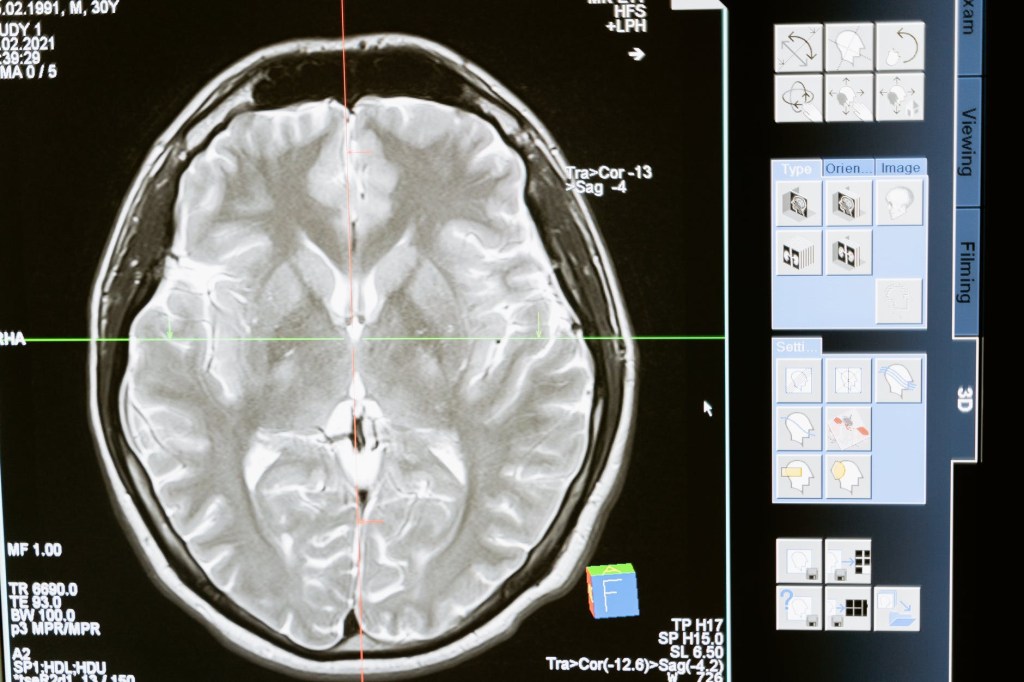
Does exercise help the brain ?

Yes, moderate and vigorous physical activity helps the brain to stay sharp.

A large study looked at people born across England, Scotland and Wales in 1970 and followed-up throughout childhood and adulthood

A report of the study with 4481participants (52% female) found that moderate and vigorous physical activity helps cognition compared to light intensity physical activity.

But a word of caution though !

People with sedentary behaviour in this study had better brain sharpness than doing light intensity physical activity !

It seems bizarre to suggest Sedentary activities are good for brain !

We don’t know why this study showed this particularly unexpected finding. It could be that the study missed to collect some important information that influences brain.

This fact about sedentary behaviour is counterintuitive but science does sometimes show unexpected results. Sometimes unexpected findings are true and Sometimes they are false due to data collection issues or convoluted statistical tests.

That’s why it is important that information from multiple studies is taken together rather than relying on one study to make any scientific conclusion on any topic !

References

Exploring the associations of daily movement behaviours and mid-life cognition: a compositional analysis of the 1970 British Cohort Study.

Minerva. BMJ. Physical activity and cognition in middle age.

Disclaimer: Please note – This blog is NOT medical advice. This blog is NOT a expert medical opinion on various topics. This blog is purely for information only and do check the sources where cited. Please DO consult your own doctor to discuss concerns and options relevant to you. The views expressed in this blog are NOT, in any way whatsoever, intended to be a substitute for professional advice. The blog is NOT previewed, commissioned or otherwise endorsed, in any way, by any organisation that the author is associated with. The views expressed in this blog likely represents some of the author’s personal views held at the time of drafting the blog and MAY CHANGE overtime, particularly when new evidence comes to light.

Should NHS bribe people to adopt a healthy life style?

A recent study conducted in U.K. later looked at the problem of smoking in pregnant women.

The study gave money to pregnant women if women stopped smoking.

The study found that giving money up to 400 pounds made some women stop smoking but sadly, the women stopped smoking only for a short period. After six months, there was NO significant difference between women given money and women given only usual advice about smoking.

The first issue with this study is the principle of “inducing / bribing” people with money to give up unhealthy habits. Shouldn’t the healthcare staff educate women rather than giving money for bad behaviour?

The second issue is no one knows whether the money was used wisely. Pregnant women who smoke are likely to have other vices such as unhealthy diet, physical inactivity, alcohol misuse, use of recreational drugs etc. Unhealthy behaviours cluster.

Giving money may have encouraged the women to stop smoking temporarily but the money could have used by women to replace smoking with other unhealthy behaviours. Unfortunately, the study doesn’t seem to looked at this problem.

In the study, two thirds of adverse events occurred in women given money vouchers. The authors have naively dismissed them as unrelated. The increase in adverse events suggests that women, who were given money, may have used the money unwisely. Perversely this well intentioned attempt to encourage good behaviour seem to have caused harm !

First, do no harm should be motto of healthcare staff .

Finally, most women who smoke during pregnancy are likely to be from lower socioeconomic group. Poverty is the underlying reason for most of their problems in life including unhealthy habits.

The Healthcare staff in UK are dealing with multiple crisis at present. It is beyond the ability of NHS staff to deal with poverty. The government through social services and public-health team should deal with poverty.

Read my reply at BMJ rapid response and contribute your thoughts through BMJ rapid response

References

Sundar S. Clustering of unhealthy behaviours and medicalisation of unhealthy lifestyles.

Effect of financial voucher incentives provided with UK stop smoking services on the cessation of smoking in pregnant women (CPIT III): pragmatic, multicentre, single blinded, phase 3, randomised controlled trial. BMJ 2022; 379 doi: https://doi.org/10.1136/bmj-2022-071522 (Published 19 October 2022)

Jefferies D. The steady crisis across the NHS. BMJ 2022;377:o1566. doi:10.1136/bmj.o1566

Sokol D K. “First do no harm” revisited BMJ 2013; 347 :f6426

Disclaimer: Please note – This blog is NOT medical advice. This blog is NOT a expert medical opinion on various topics. This blog is purely for information only and do check the sources where cited. Please DO consult your own doctor to discuss concerns and options relevant to you. The views expressed in this blog are NOT, in any way whatsoever, intended to be a substitute for professional advice. The blog is NOT previewed, commissioned or otherwise endorsed, in any way, by any organisation that the author is associated with. The views expressed in this blog likely represents some of the author’s personal views held at the time of drafting the blog and MAY CHANGE overtime, particularly when new evidence comes to light.

Is 10 minute exercise every day any good?

Yes, even a 10 minute exercise everyday is good.

‘Something is better than nothing’ principle applies.

Even Simple walking, Gardening or House work helps a lot.

Any exercise benefits the obese as well as those whose weight is in the normal range.

The normal recommendation is to do “at least 150 minutes of moderate intensity activity a week or 75 minutes of vigorous intensity activity “

But, in the American study, even people who exercised less than the recommended benefitted from exercise.

Sit Less, Move More !

References

Telegraph: Why ‘exercise snacking’ could extend your life by two years.
Just 10 minutes’ walking, gardening or simply moving about pays health dividends
By Jessica Salter
7 May 2022 • 5:00am

NIH News in Health

A Little Exercise Might Lengthen Life

Original research paper link: Leisure time physical activity of moderate to vigorous intensity and mortality: a large pooled cohort analysis
Steven C Moore et al. PLoS Med. 2012.

Is watching the daily “Step count” helpful?

Yes, certainly!

Although it is obvious exercise helps, it is good to have definitive evidence from good studies.

A large Australian study involving 5000 elderly women (average age 79) looked at the physical activity of these women for over a week.

After that, the women were followed up for the next seven years, and 400 of them developed
diabetes. Not surprisingly, women
with higher step count were found to be at lower risk of developing diabetes. Each extra 2000 steps per day was found to reduce the diabetes risk by 12% fall.

Another study from Sweden also showed that high daily step count reduces the risk of diabetes in elderly people.

The widely used daily target of 10,000 steps/day is good but even step counts lower than 10,000 steps , say 4500 to 6000 steps/day, are very beneficial.

Probably something is better than nothing!

References

Associations of Daily Steps and Step Intensity With Incident Diabetes in a Prospective Cohort Study of Older Women: The OPACH Study
Alexis C Garduno et al. Diabetes Care. 2022. (Diabetes Care doi:10.2337/dc21-1202).

Vitamin D supplements . . . and other stories
BMJ 2022; 376 doi: https://doi.org/10.1136/bmj.o452 (Published 03 March 2022)
Cite this as: BMJ 2022;376:o452

Daily step count and incident diabetes in community-dwelling 70-year-olds: a prospective cohort study
Marcel Ballin et al. BMC Public Health. 2020. FULL TEXT.

Disclaimer: Please note – This blog is NOT medical advice. This blog is NOT a expert medical opinion on various topics. This blog is purely for information only and do check the sources where cited. Please DO consult your own doctor to discuss concerns and options relevant to you. The views expressed in this blog are NOT, in any way whatsoever, intended to be a substitute for professional advice. The blog is NOT previewed, commissioned or otherwise endorsed, in any way, by any organisation that the author is associated with. The views expressed in this blog likely represents some of the author’s personal views held at the time of drafting the blog and MAY CHANGE overtime, particularly when new evidence comes to light

Wearable Technology: are Physical activity and Fitness monitors useful ?

Once we come out of this COVID pandemic, everyone’s attention needs to be focused on the obesity pandemic.

During the COVID pandemic, lot of people started to focus on their physical fitness. People invested in Home Exercise equipment and in wearable technology such as Fitness monitors.

Even before this pandemic, lot of people have started using Fitness monitors.

Are they any good?

A recent study published in British Medical Journal (BMJ) looked the effectiveness of physical activity monitors.

The study authors looked at more than 120 trials involving more than 16 700 participants.

Most of studies they looked at were either European (31%) or North American (40%). Most of these studies included healthy participants (47%), although some included overweight participants (17%).

They found Fitness monitors are generally safe and help to increase physical activity.

Whether the Fitness monitors will help overweight people to lose weight permanently over long term needs further investigation.

References:

Effectiveness of physical activity monitors in adults: systematic review and meta-analysis. BMJ 2022; 376 doi: https://doi.org/10.1136/bmj-2021-068047 (Published 26 January 2022)Cite this as: BMJ 2022;376:e068047

Gov.UK. Physical activity: applying All Our Health
Office for Health Improvement & Disparities
Guidance. Physical activity: applying All Our Health. Updated 16 October 2019

Bravata DM, Smith-Spangler C, Sundaram V, et al. Using pedometers to increase physical activity and improve health: a systematic review. JAMA 2007;298:2296-304. doi:10.1001/jama.298.19.2296 pmid:18029834.

Activity monitors for increasing physical activity in adult stroke survivors
Elizabeth A Lynch et al. Cochrane Database Syst Rev. 2018.

Disclaimer: Please note – This blog is NOT medical advice. This blog is NOT a expert medical opinion on various topics. This blog is purely for information only and do check the sources where cited. Please DO consult your own doctor to discuss concerns and options relevant to you. The views expressed in this blog are NOT, in any way whatsoever, intended to be a substitute for professional advice. The blog is NOT previewed, commissioned or otherwise endorsed, in any way, by any organisation that the author is associated with. The views expressed in this blog likely represents some of the author’s personal views held at the time of drafting the blog and MAY CHANGE overtime, particularly when new evidence comes to light.

Are mind numbing jobs associated with dementia ?

Yes.

It’s the principle of “use it or lose it”.

Body muscle strength can be lost quickly if it is not used. That’s why many people try to go to Gym and exercise regularly.

The same principle seems to apply to the brain.

People who are using their brain regularly with stimulating jobs are better off than people who are doing mind numbing jobs when it comes to dementia later in life.

So if your are not using your brain that much in your job, perhaps you need a “brain Gym” outside your work !

References

BMJ Research: Cognitive stimulation in the workplace, plasma proteins, and risk of dementia: three analyses of population cohort studies
BMJ 2021; 374 doi: https://doi.org/10.1136/bmj.n1804 (Published 19 August 2021)
Cite this as: BMJ 2021;374:n1804. https://www.bmj.com/content/374/bmj.n1804

BBC. Dull jobs really do numb the mind

Daily Mail. A boring job really CAN make you brain dead: Lack of stimulation ‘affects memory and concentration later in life’

Disclaimer: Please note – This blog is NOT medical advice. This blog is NOT a expert medical opinion on various topics. This blog is purely for information only and do check the sources where cited. Please DO consult your own doctor to discuss concerns and options relevant to you. The views expressed in this blog are NOT, in way whatsoever, intended to be a substitute for professional advice. The blog is NOT previewed, commissioned or otherwise endorsed, in any way, by any organisation that the author is associated with. The views expressed in this blog likely represents some of the author’s personal views held at the time of drafting the blog and MAY CHANGE overtime, particularly when new evidence comes to light.

What has ‘Public health’ ever done for us ?

An apple a day might not keep the doctor away. But a good public health team can keep the doctors away for many people!

Public health is about prevention and promotion of health in the society.

Public health is largely responsible for the significant improvements in life expectancy over the last 150 years.

Providing people with clean drinking water, removal of rubbish from houses and streets, good sewage system, and vaccination has saved many millions of lives over the years.

The recent smoking ban in work-places, public places and indoor venues is a modern example of public health activity.

The one area where public health has not been hugely successful is obesity. It may be because of the reliance on nudging the individual to change rather than dealing with underlying structural problems.

Read my letter in BMJ and make your views known at the BMJ rapid response section.

Sundar S. Public health needs to go back to basics, not rely on nudge theory.

Toll-free link:
http://bmj.com/cgi/content/full/bmj.n1153?ijkey=CUQNozGH9yJeK57&keytype=ref

References:

BMJ. Lifestyle and socioeconomic group on health
Public health needs to go back to basics, not rely on nudge theory
BMJ 2021; 373 doi: https://doi.org/10.1136/bmj.n1153 (Published 06 May 2021)
Cite this as: BMJ 2021;373:n1153

BMJ. Short term impact of smoke-free legislation in England: retrospective analysis of hospital admissions for myocardial infarction
BMJ 2010; 340 doi: https://doi.org/10.1136/bmj.c2161 (Published 08 June 2010)
Cite this as: BMJ 2010;340:c2161

BMJ. Associations of healthy lifestyle and socioeconomic status with mortality and incident cardiovascular disease: two prospective cohort studies
BMJ 2021; 373 doi: https://doi.org/10.1136/bmj.n604 (Published 14 April 2021)
Cite this as: BMJ 2021;373:n604

Disclaimer: Please note- This blog is NOT medical advice. This blog is NOT a expert medical opinion on various topics. This blog is purely for information only and do check the the sources where cited. Please DO consult your own doctor to discuss concerns and options relevant to you. The views expressed in this blog represent the author’s views held at the time of drafting the blog and may change overtime, particularly when new evidence comes to light. The blog is not previewed, commissioned or otherwise endorsed by any organisation the author is associated with. The views expressed in this blog are not in way intended to be a substitute for professional advice.

Covid-19: Can you catch the coronavirus while exercising outdoors?

Yes, you can.

But the risk depends on how long and how close you have been in touch with an infected person.

Momentarily passing someone while jogging is extremely unlikely to lead to an infection.

But face to face contact lasting many minutes with a friend or someone who is infected can lead to an infection.

There is a good article on how BBC website.

References:

BBC. Covid-19: Can you catch the virus outside?https://www.bbc.com/news/explainers-55680305
By David Shukman. Science editor.

Mayo Clinic. Safe outdoor activities during the COVID-19 pandemic. By Mayo Clinic Staff.

Imperial. Airborne transmission of COVID-19 carrier particles during exercise.

UK. Ministry of Housing, Communities &
Local Government. Guidance. COVID-19: Guidance for managing playgrounds and outdoor gyms. Updated 6 January 2021

Disclaimer: Please note- This blog is NOT medical advice. This blog is NOT a expert medical opinion on various topics. This blog is purely for information only and do check the the sources where cited. Please DO consult your own doctor to discuss concerns and options relevant to you.

The views expressed in this blog represent the author’s views held at the time of drafting the blog and may change overtime, particularly when new evidence comes to light. The blog is not necessarily endorsed by any organisation the author is associated with and the authors views are not in way intended to be a substitute for professional advice.