The battle of weight loss drugs: which is better? Mounjaro versus Ozempic.

Mounjaro is the winner !

The question has been answered by a high quality trial published in the premier medical journal ( New England Journal of Medicine).

Mounjaro is the winner !

Mounjaro is the brand name of the weight loss drug called Tirzepatide.

Mounjaro has come out on the top when it was compared to the other popular weight loss drug called Ozempic.

Ozempic is the brand name of the weight loss drug called semaglutide. Wegovy is another brand name for semaglutide .

A total of 751 participants were invoked in this trial . The trial was conducted very recently between April 2023, and November 2024.

Nearly 20% of those having Mounjaro injections had lost at  least 30% of their weight but only about 7% of people having Ozempic/ Wegovy injections lost that amount of weight.

Remember- the weight loss injections are not a one time silver bullet. Most people put the weight back on when they stop the injections. 

A healthy diet remains a very important part of weight loss.

References

  1. NEJM Tirzepatide as Compared with Semaglutide for the Treatment of Obesity. L.J. Aronne and Others. DOI: 10.1056/NEJMoa2416394 | May 11, 2025.
  2. Guardian. People who stop weight loss drugs return to original weight within year, analysis finds (Research raises questions about long-term treatment of and support for people using weight loss drugs). Anna Bawden Health and social affairs correspondent in Málaga. Wed 14 May 2025 20.00 BST
Disclaimer: Please note – This blog is NOT medical advice. This blog is NOT a expert medical opinion on various topics. This blog is purely for information research only and do check the sources where cited. Please DO consult your own doctor to discuss concerns and options, which are relevant and specific to you. The views expressed in this blog are NOT, in any way whatsoever, intended to be a substitute for professional advice. The blog is NOT previewed, commissioned or otherwise endorsed, in any way, by any organisation that the author is associated with. The views expressed in this blog likely represents some of the author’s personal views held at the time of drafting the blog and MAY CHANGE overtime, particularly when new evidence comes to light.
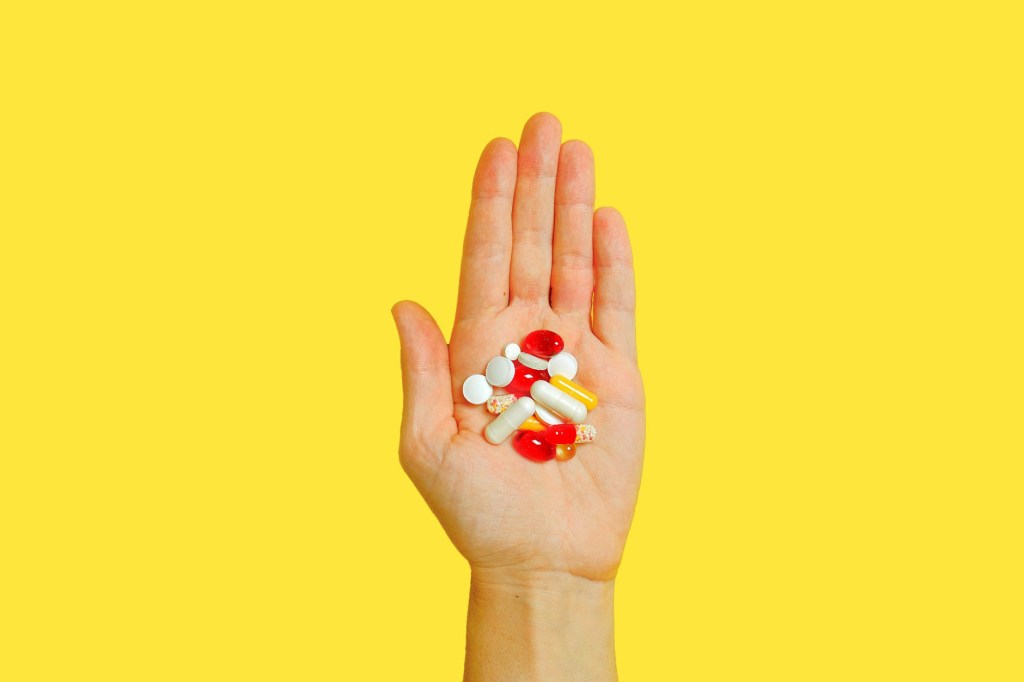

Can too much vitamins harm the body ?

Absolutely Yes. Vitamins can cause harm.

Vitamins are very essential for life.

But too much of vitamins is bad.

You can buy paracetamol in a supermarket and it (rightly) comes with a big list of side effects .

You can freely buy various vitamins and supplements in supermarkets and none of them come with any warning what so ever.

Because vitamins are heavily promoted over Social media, newspapers, TV, and internet, many people think vitamins are safe and good. So people overindulge hoping for more benefits. But taking too much of vitamins is risky and can cause health problems due to Hypervitaminosis.

A recent article in Guardian points out the risks from taking too much of vitamin supplements. A man took too much of vitamin B6 and this resulted in damage to his nerves!

So be very careful with extra vitamins and supplements. Check whether you need the supplements at all. Try natural products rather than factory produced artificial supplements.

Reference

Guardian newspaper: Simon never linked the pain in his hands and feet to multivitamins – but a pathology test did. Natasha May and Sharlotte Thou. Published Sat 4 Jan 2025 19.00 GMT. Last modified on Sun 5 Jan 2025 01.55 GMT

Wiki. Hypervitaminosis

Disclaimer: Please note – This blog is NOT medical advice. This blog is NOT a expert medical opinion on various topics. This blog is purely for information research only and do check the sources where cited. Please DO consult your own doctor to discuss concerns and options, which are relevant and specific to you. The views expressed in this blog are NOT, in any way whatsoever, intended to be a substitute for professional advice.

The blog is NOT previewed, commissioned or otherwise endorsed, in any way, by any organisation that the author is associated with. The views expressed in this blog likely represents some of the author’s personal views held at the time of drafting the blog and MAY CHANGE overtime, particularly when new evidence comes to light.

Is dark chocolate good for You ?

Is dark chocolate good?

And is milk chocolate bad?

The answer to both the question is YES.

A recent paper published in British Medical Journal (BMJ) found that “people who consumed ≥5 servings/week of dark chocolate showed a significantly LOWER risk of developing diabetes”.

The study also found that eating milk-chocolate was bad. Milk-chocolate was associated with weight gain, which is not surprising to everyone.

Any study relating to “health benefits of food and drinks” always needs a healthy dose of scepticism because of commercial industry.

But the beneficial effect of dark chocolate found in this study aligns with previous findings and more research is, of course, needed to clarify and define the mechanisms involved.

So add more dark chocolate to the Christmas hampers !

Share your dark chocolate with colleagues and spread the good will !

References

BMJ 2024: Chocolate intake and risk of type 2 diabetes: prospective cohort studies. BMJ 2024; 387 doi: https://doi.org/10.1136/bmj-2023-078386 (Published 04 December 2024). BMJ 2024;387:e078386

BMJ 2012: The effectiveness and cost effectiveness of dark chocolate consumption as prevention therapy in people at high risk of cardiovascular disease: best case scenario analysis using a Markov model. BMJ 2012; 344 doi: https://doi.org/10.1136/bmj.e3657 (Published 31 May 2012). BMJ 2012;344:e3657

BMJ 2011: Chocolate consumption and cardiometabolic disorders: systematic review and meta-analysis. BMJ 2011; 343 doi: https://doi.org/10.1136/bmj.d4488 (Published 29 August 2011). BMJ 2011;343:d4488

BMJ 2023. Christmas 2023: Champagne problems. Chocolate brownies and calorie restriction: the sweetest paradox? BMJ 2023; 383 doi: https://doi.org/10.1136/bmj.p2585 (Published 20 December 2023). BMJ 2023;383:p2585

Disclaimer: Please note – This blog is NOT medical advice. This blog is NOT a expert medical opinion on various topics. This blog is purely for information only and do check the sources where cited. Please DO consult your own doctor to discuss concerns and options relevant to you. The views expressed in this blog are NOT, in any way whatsoever, intended to be a substitute for professional advice. The blog is NOT previewed, commissioned or otherwise endorsed, in any way, by any organisation that the author is associated with. The views expressed in this blog likely represents some of the author’s personal views held at the time of drafting the blog and MAY CHANGE overtime, particularly when new evidence comes to light.

Can diet reverse memory loss ?

Yes, diet may help memory loss.

Flavanols are natural chemicals present in tea, cocoa, apples, and berries.

A group from Columbia university and Brigham and Women’s Hospital assessed the effects of flavanols and multivitamins on memory.

The authors indicate the in people with poor intake of flavanol, benefitted from flavanol supplements.

Flavanols are naturally found in in certain fruits and vegetables. ( green leafy vegetables, blackcurrants, onions, apples, berries, cherries, peaches, soybeans, citrus foods, tea, chocolate, lettuce, peppers, grapes and even wine).

Even though more confirmatory studies are needed, a good intake of these fruits and vegetables would be beneficial to overall physical health.

References

1. Daily Telegraph. Memory loss ‘can be reversed by simple diet changes’.

2. PNAS 2006. Flavonoid fisetin promotes ERK-dependent long-term potentiation and enhances memory.

3. Harvard 2021 news letter. Harvard finds flavonoids linked to sharper thinking and memory.

4. Low-Flavanol Diet Drives Age-Related Memory Loss, Large Study Finds

5. ORIGINAL paper. (COcoa Supplements and Multivitamin Outcomes Study – COSMOS-Web): “Dietary flavanols restore hippocampal-dependent memory in older adults with lower diet quality and habitual flavanol consumption” according to authors published in Proceedings of the National Academy of Sciences. ( doi : not live at time of publication of blog).

Disclaimer: Please note – This blog is NOT medical advice. This blog is NOT a expert medical opinion on various topics. This blog is purely for information only and do check the sources where cited. Please DO consult your own doctor to discuss concerns and options relevant to you. The views expressed in this blog are NOT, in any way whatsoever, intended to be a substitute for professional advice. The blog is NOT previewed, commissioned or otherwise endorsed, in any way, by any organisation that the author is associated with. The views expressed in this blog likely represents some of the author’s personal views held at the time of drafting the blog and MAY CHANGE overtime, particularly when new evidence comes to light.

Can Calcium supplements harm the heart ?

Yes, calcium supplements can cause harm.

Calcium is an essential mineral and an average average adult body contains more than 2 pounds of calcium.

Calcium is very essential not only for bone health but also for good functioning of many organs.

Too little calcium is bad but too much of calcium is also harmful.

Because calcium supplements are freely sold in Supermarkets and Pharmacies, many people assume they are absolutely safe.

A study published in Heart journal suggests that calcium supplements has the potential to damage heart valves.

The study also found that “Oral calcium supplementation with or without vitamin D is associated with lower survival”.

The results obviously need to be confirmed by other studies.

In the meantime, anyone with good amount of calcium in their routine diet need to think carefully about risk versus benefits of calcium supplements before taking them.

References

Daily Mail. Could bone boosting calcium pills be causing major damage to the hearts of millions of Britons?
By Erin Dean For The Mail On Sunday
22:01, 21 May 2022

Supplemental calcium and vitamin D and long-term mortality in aortic stenosis | Heart

Calcium, vitamin D and aortic valve calcification: to the bone or to the heart? | Heart https://heart.bmj.com/content/early/2022/03/23/heartjnl-2021-320672

Disclaimer: Please note – This blog is NOT medical advice. This blog is NOT a expert medical opinion on various topics. This blog is purely for information only and do check the sources where cited. Please DO consult your own doctor to discuss concerns and options relevant to you. The views expressed in this blog are NOT, in any way whatsoever, intended to be a substitute for professional advice. The blog is NOT previewed, commissioned or otherwise endorsed, in any way, by any organisation that the author is associated with. The views expressed in this blog likely represents some of the author’s personal views held at the time of drafting the blog and MAY CHANGE overtime, particularly when new evidence comes to light.

Should NHS bribe people to adopt a healthy life style?

A recent study conducted in U.K. later looked at the problem of smoking in pregnant women.

The study gave money to pregnant women if women stopped smoking.

The study found that giving money up to 400 pounds made some women stop smoking but sadly, the women stopped smoking only for a short period. After six months, there was NO significant difference between women given money and women given only usual advice about smoking.

The first issue with this study is the principle of “inducing / bribing” people with money to give up unhealthy habits. Shouldn’t the healthcare staff educate women rather than giving money for bad behaviour?

The second issue is no one knows whether the money was used wisely. Pregnant women who smoke are likely to have other vices such as unhealthy diet, physical inactivity, alcohol misuse, use of recreational drugs etc. Unhealthy behaviours cluster.

Giving money may have encouraged the women to stop smoking temporarily but the money could have used by women to replace smoking with other unhealthy behaviours. Unfortunately, the study doesn’t seem to looked at this problem.

In the study, two thirds of adverse events occurred in women given money vouchers. The authors have naively dismissed them as unrelated. The increase in adverse events suggests that women, who were given money, may have used the money unwisely. Perversely this well intentioned attempt to encourage good behaviour seem to have caused harm !

First, do no harm should be motto of healthcare staff .

Finally, most women who smoke during pregnancy are likely to be from lower socioeconomic group. Poverty is the underlying reason for most of their problems in life including unhealthy habits.

The Healthcare staff in UK are dealing with multiple crisis at present. It is beyond the ability of NHS staff to deal with poverty. The government through social services and public-health team should deal with poverty.

Read my reply at BMJ rapid response and contribute your thoughts through BMJ rapid response

References

Sundar S. Clustering of unhealthy behaviours and medicalisation of unhealthy lifestyles.

Effect of financial voucher incentives provided with UK stop smoking services on the cessation of smoking in pregnant women (CPIT III): pragmatic, multicentre, single blinded, phase 3, randomised controlled trial. BMJ 2022; 379 doi: https://doi.org/10.1136/bmj-2022-071522 (Published 19 October 2022)

Jefferies D. The steady crisis across the NHS. BMJ 2022;377:o1566. doi:10.1136/bmj.o1566

Sokol D K. “First do no harm” revisited BMJ 2013; 347 :f6426

Disclaimer: Please note – This blog is NOT medical advice. This blog is NOT a expert medical opinion on various topics. This blog is purely for information only and do check the sources where cited. Please DO consult your own doctor to discuss concerns and options relevant to you. The views expressed in this blog are NOT, in any way whatsoever, intended to be a substitute for professional advice. The blog is NOT previewed, commissioned or otherwise endorsed, in any way, by any organisation that the author is associated with. The views expressed in this blog likely represents some of the author’s personal views held at the time of drafting the blog and MAY CHANGE overtime, particularly when new evidence comes to light.

Benefits of Vitamin D supplements and Omega 3 supplements

Most people assume that nutritional supplements are always beneficial. But it is not always the case.

Paradoxically, the people, who may need the supplements because they don’t have a healthy diet, are the often ones who do not take the supplements !

But people, who usually do not need various supplements, because they are health conscious and have a good healthy diet, are often the ones who take the supplements unnecessarily !

Sometimes Supplements can be harmful. Hence, the need for clinical trials to assess the benefits and risks of various supplements.

So it is interesting to read a trial in the British Medical Journal (BMJ) which looked at Vitamin D and marine derived omega 3 fatty acids supplements. The study looked the effect of these two supplements in preventing Autoimmune diseases.

Autoimmune disease is a type of disease where body’s own immune system misfires and causes inflammation in self-tissues.

Autoimmune diseases, are often chronic conditions and cause considerable misery.

The study published in BMJ looked at Autoimmune diseases, such as rheumatoid arthritis, polymyalgia rheumatica, autoimmune thyroid disease, psoriasis, and inflammatory bowel disease, and all other new onset autoimmune diseases.

This well conducted study used a dummy pill and hence the results are usually expected to be quite reliable.

About 25 800 participants were enrolled in the study and were followed up for an average of about 5 years.

This large study from United States found that vitamin D and omega 3 fatty acid supplementation taken for five years reduces the risk of developing autoimmune diseases.

References: Vitamin D and marine omega 3 fatty acid supplementation and incident autoimmune disease: VITAL randomized controlled trial
BMJ 2022; 376 doi: https://doi.org/10.1136/bmj-2021-066452 (Published 26 January 2022)
Cite this as: BMJ 2022;376:e066452. https://www.bmj.com/content/376/bmj-2021-066452

Disclaimer: Please note – This blog is NOT medical advice. This blog is NOT a expert medical opinion on various topics. This blog is purely for information only and do check the sources where cited. Please DO consult your own doctor to discuss concerns and options relevant to you. The views expressed in this blog are NOT, in any way whatsoever, intended to be a substitute for professional advice. The blog is NOT previewed, commissioned or otherwise endorsed, in any way, by any organisation that the author is associated with. The views expressed in this blog likely represents some of the author’s personal views held at the time of drafting the blog and MAY CHANGE overtime, particularly when new evidence comes to light.