Fenbendazole and Ivermectin for prostate cancer : what is the evidence ?

There is a significant social media promotion of these two drug combination- fenbendazole and ivermectin – for treatment of prostate cancer.

They are relatively cheap and so cost is not a major hindrance.

Are they both any good for routine clinical use ?

The short answer is NO.

Both Ivermectin and Fenbendazole are drugs currently licensed for treatment of human and / or animal infections.

There is lot of pre-clinical laboratory evidence to indicate anti-cancer activity regarding these two drugs. But that does not mean they can be safely used clinically. Good clinical trials are needed before they can be used clinically .

Remember both drugs can have significant side effects. ( Ivermectin . Fenbendazole ).

For instance, these drugs can cause liver damage. They can cause nausea, stomach pain, muscle pain, joint pain and in worse cases cause mental changes.

Advanced cancer patients are desperate to try anything. It’s human nature to fight . But that doesn’t mean trying “unproven treatments” are a good idea. This is because the side effects of the drugs can make cancer patients life even more miserable.

Both the drugs – Ivermectin and Fenbendazole- can also interfere with other cancer treatments.

Scientifically, we cannot 100% rule out that a derivative of Ivermectin or Fenbendazole might be repurposed for cancer treatment in future.

But it is NOT a good idea to use Ivermectin or Fenbendazole as an anti-cancer treatment in routine clinical practice NOW.

Be careful. Discuss your concerns with your doctor.

Be aware of scams.

Also be very careful about friends, family members and well wishers – with good intentions – but unknowingly passing misleading information to you !

References

Macmillan. Cancer and ivermectin: What people with cancer need to know. Richard Simcock Chief Medical Officer and Macmillan. Published: 01 October 2025

Ivermectin European Data sheet. Accessed 1st Feb 2026. Patient information leaflet.

Fenbendazole. DEFRA. VETERINARY MEDICINAL PRODUCT. Accessed 1st Feb 2026.

Ivermectin Review: Ivermectin, a potential anticancer drug derived from an antiparasitic drug

Fenbendazole: Oral Fenbendazole for Cancer Therapy in Humans and Animals. Jolie Nguyen et al. Anticancer Res. 2024 Sep

Ivermectin: Integrated analysis reveals FOXA1 and Ku70/Ku80 as targets of ivermectin in prostate cancer.

Ivermectin: Ivermectin in Cancer Treatment: Should Healthcare Providers Caution or Explore Its Therapeutic Potential? Yash Patel et al. Curr Oncol Rep. 2025 Sep

False information on ivermectin continues to circulate worldwide. Published on May 14, 2025 at 22:01. Updated on May 16, 2025 at 06:59. By Ede ZABORSZKY.

Disclaimer: Please note – This blog is NOT medical advice. This blog is NOT a expert medical opinion on various topics. This blog is purely for information research only and do check the sources where cited. Please DO consult your own doctor to discuss concerns and options, which are relevant and specific to you. The views expressed in this blog are NOT, in any way whatsoever, intended to be a substitute for professional advice. The blog is NOT previewed, commissioned or otherwise endorsed, in any way, by any organisation that the author is associated with. The views expressed in this blog likely represents some of the author’s personal views held at the time of drafting the blog and MAY CHANGE overtime, particularly when new evidence comes to light.
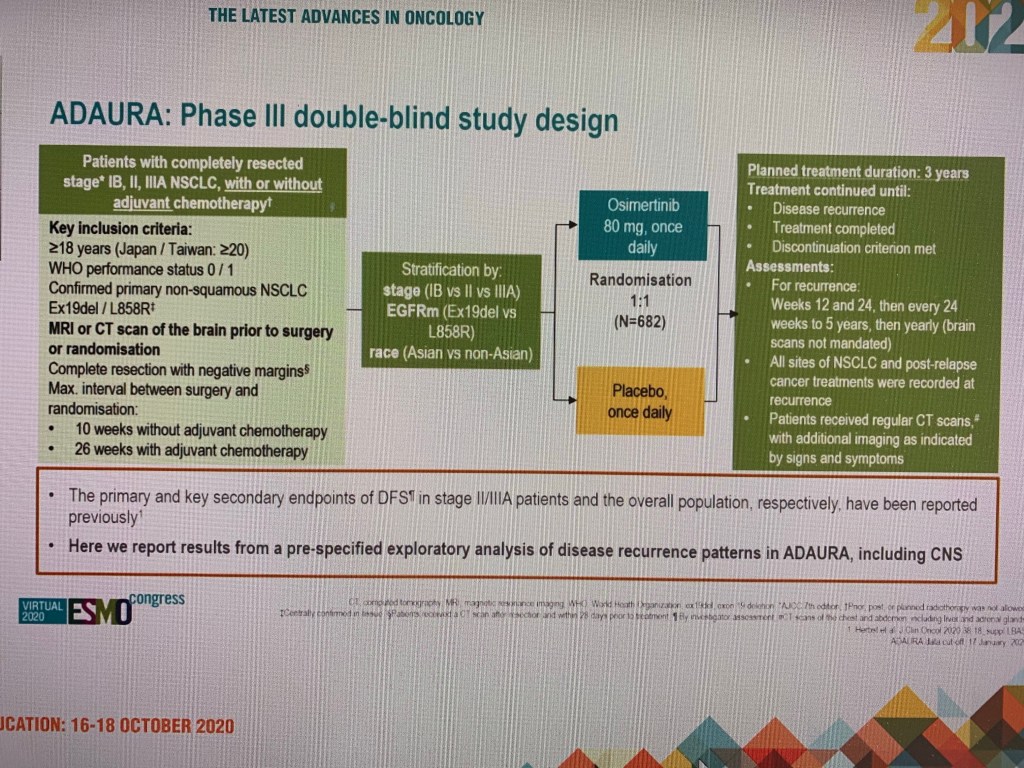
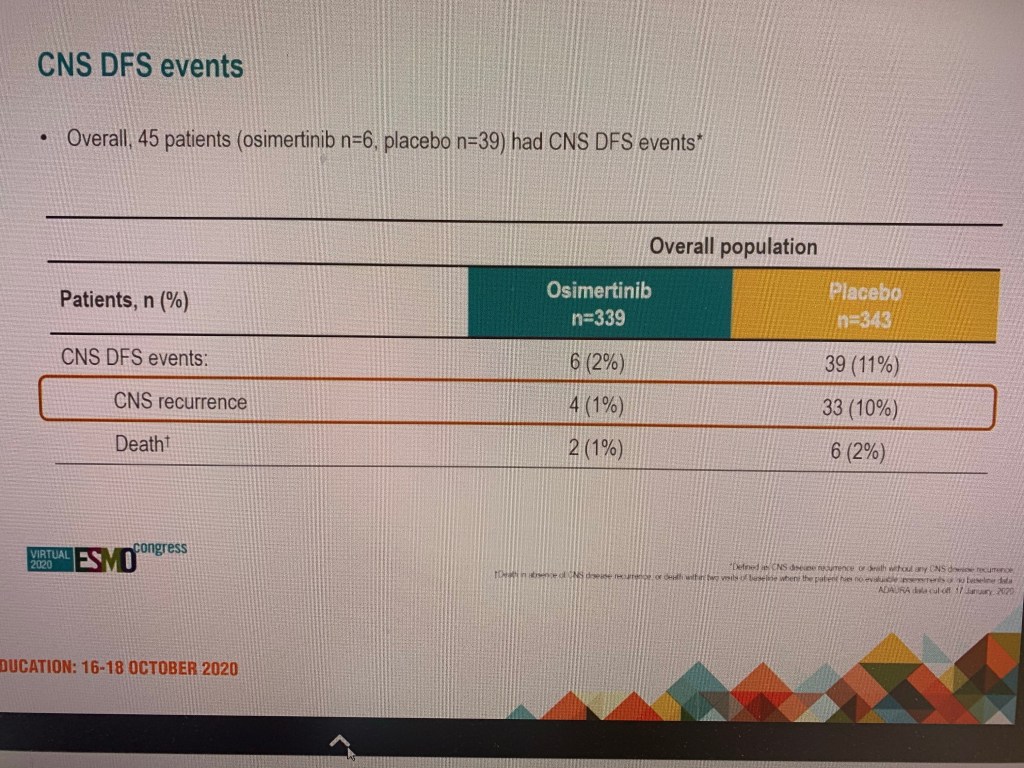
A novel drug Osimertinib reduces risk of Brain cancer secondaries in lung cancer patients

Traditional intravenous Chemotherapy agents are often thought NOT to be highly effective in treating and preventing brain secondaries. This is because of the penal blood brain barrier.

Data presented at ESMO ( European Society of Medical Oncology) presidential symposium shows that the Osimertinib is highly active and significantly reduces risk of brain secondaries.

Disclaimer: Please note- This blog is NOT medical advice. This blog is purely for information only and do check the the sources where cited. Please consult your own doctor to discuss concerns and options relevant to you.

The views expressed in this blog represent the author’s views held at the time of drafting the blog and is likely to change overtime, particularly when new evidence comes to light. The blog is not necessarily endorsed by any organisation the author is associated with and views are not substitute for professional advice.
Cancer and COVID-19

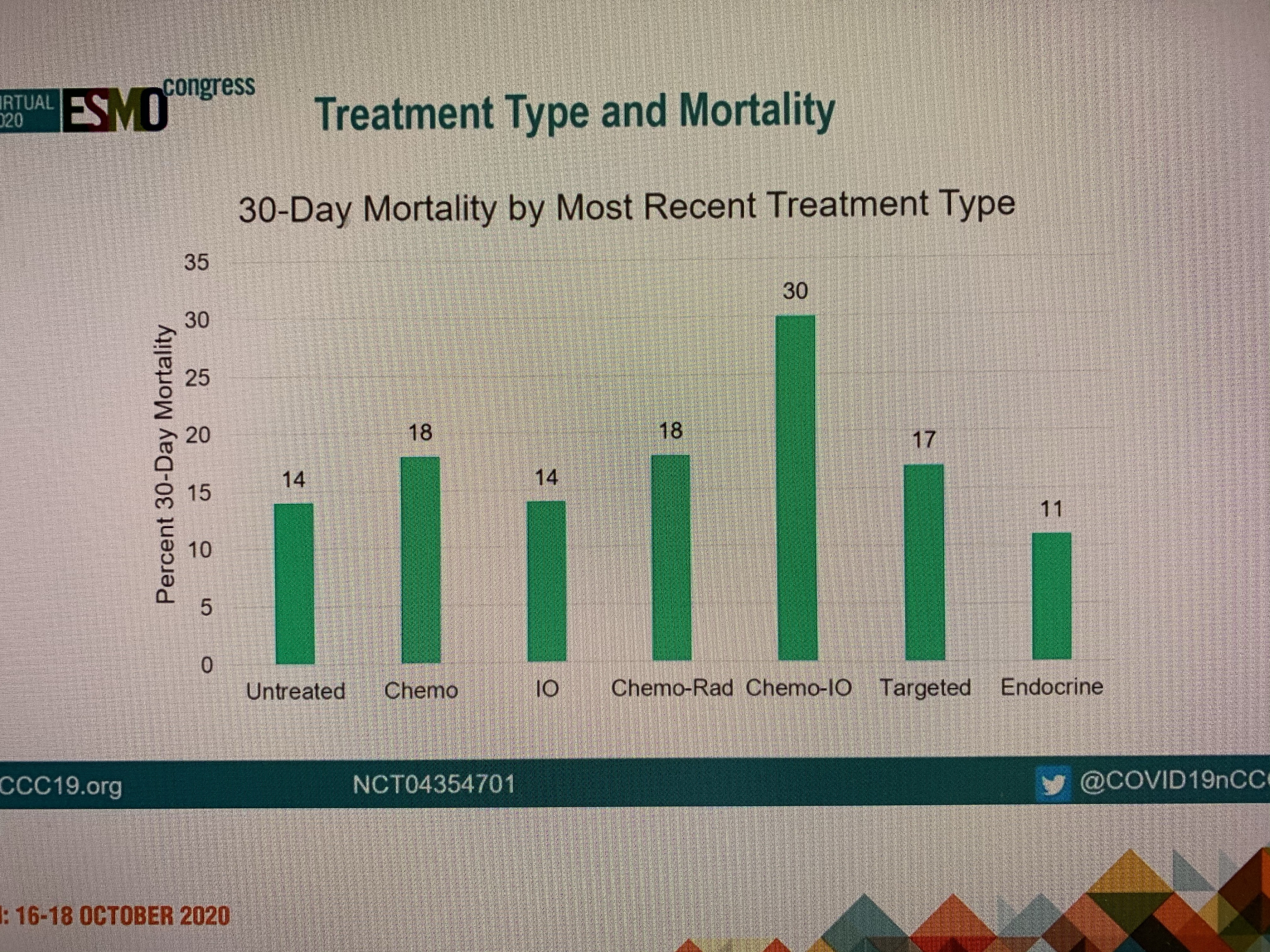
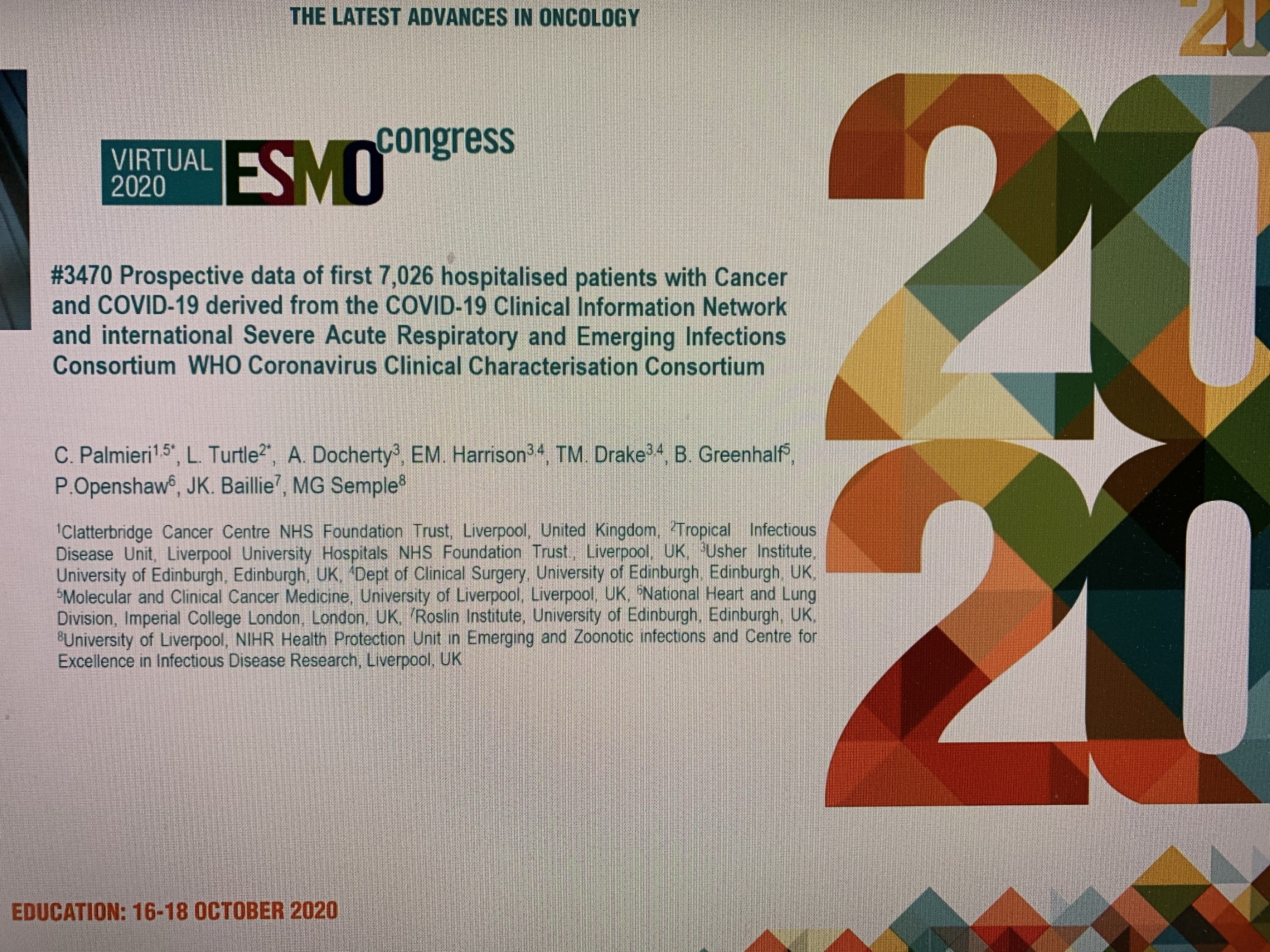
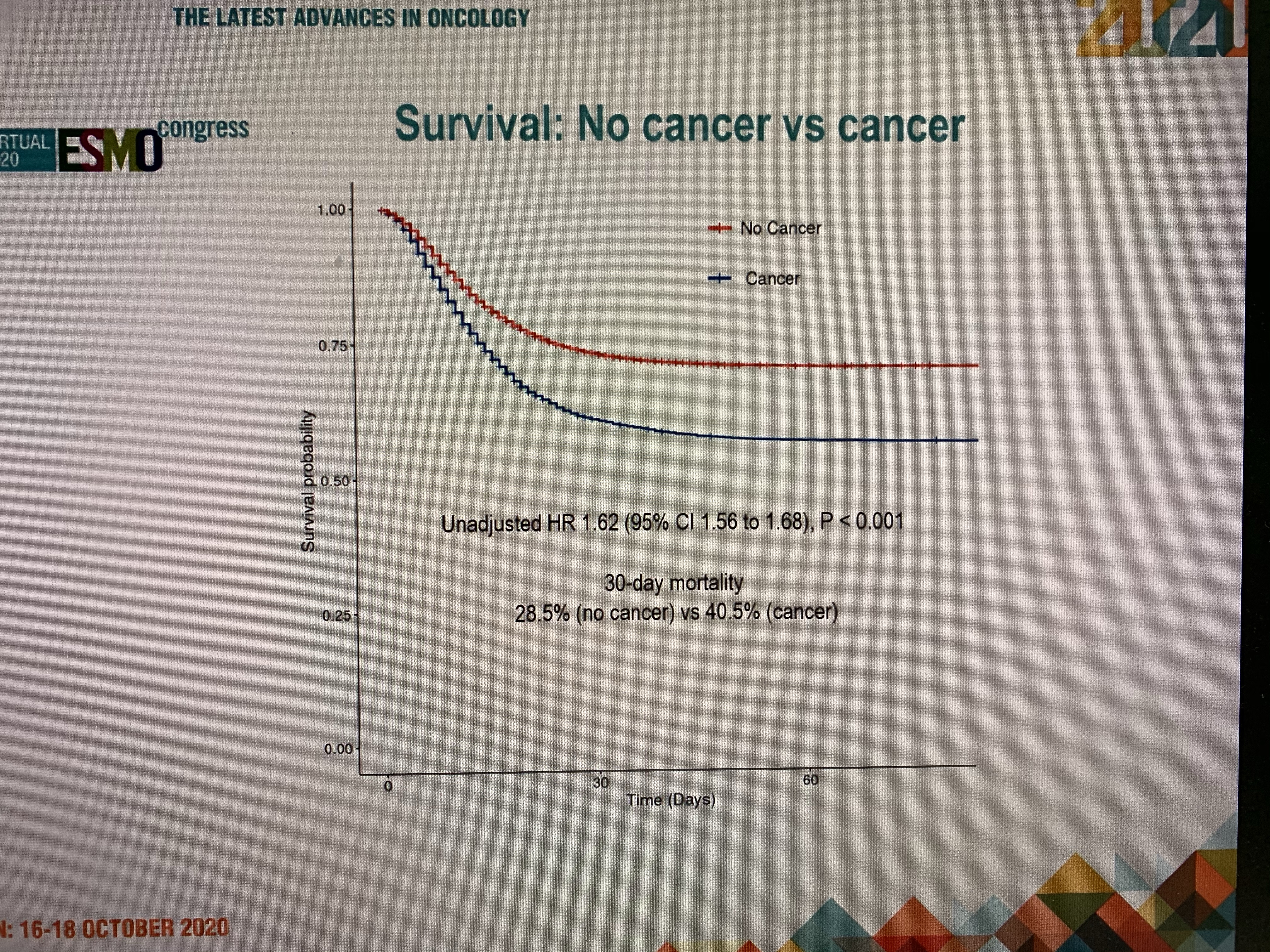
Cancer patients, as expected, did badly during the 1st wave of the COVID-19 pandemic

Data presented at ESMO ( European Society of Medical Oncology) shows that Cancers had – higher rates of Hospitalisation, higher risk of Complications and increased risk of Death.

Elderly cancer patients on the whole did very badly but surprisingly cancer patients under age of 50 did far worse than their peers without cancer.

Disclaimer: Please note- This blog is NOT medical advice. This blog is purely for information only and do check the the sources where cited. Please consult your own doctor to discuss concerns and options relevant to you.

The views expressed in this blog represent the author’s views held at the time of drafting the blog and is likely to change overtime, particularly when new evidence comes to light. The blog is not necessarily endorsed by any organisation the author is associated with and views are not substitute for professional advice.

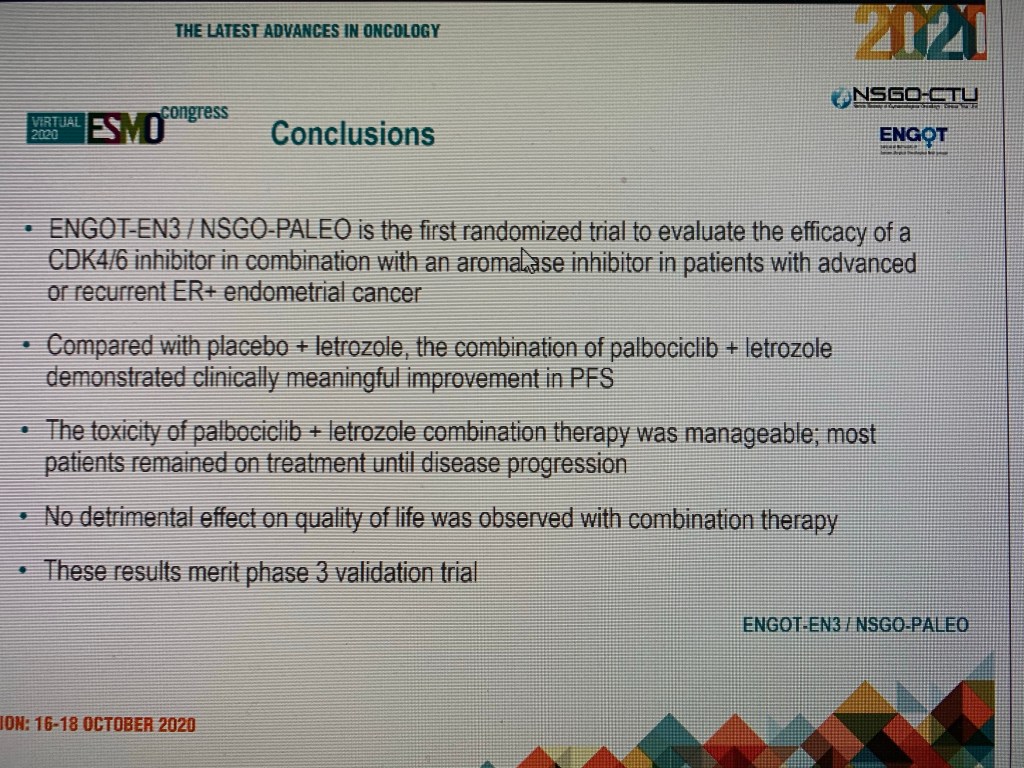
New treatment for Advanced Uterine Cancer

Women with advanced uterine / endometrial cancer are usually treated with chemotherapy.

Those who failed chemotherapy or those who are fit for chemotherapy are sometimes treated with hormone treatment.

Letrozole is one such hormone treatment for those patients with hormone sensitive cancer.

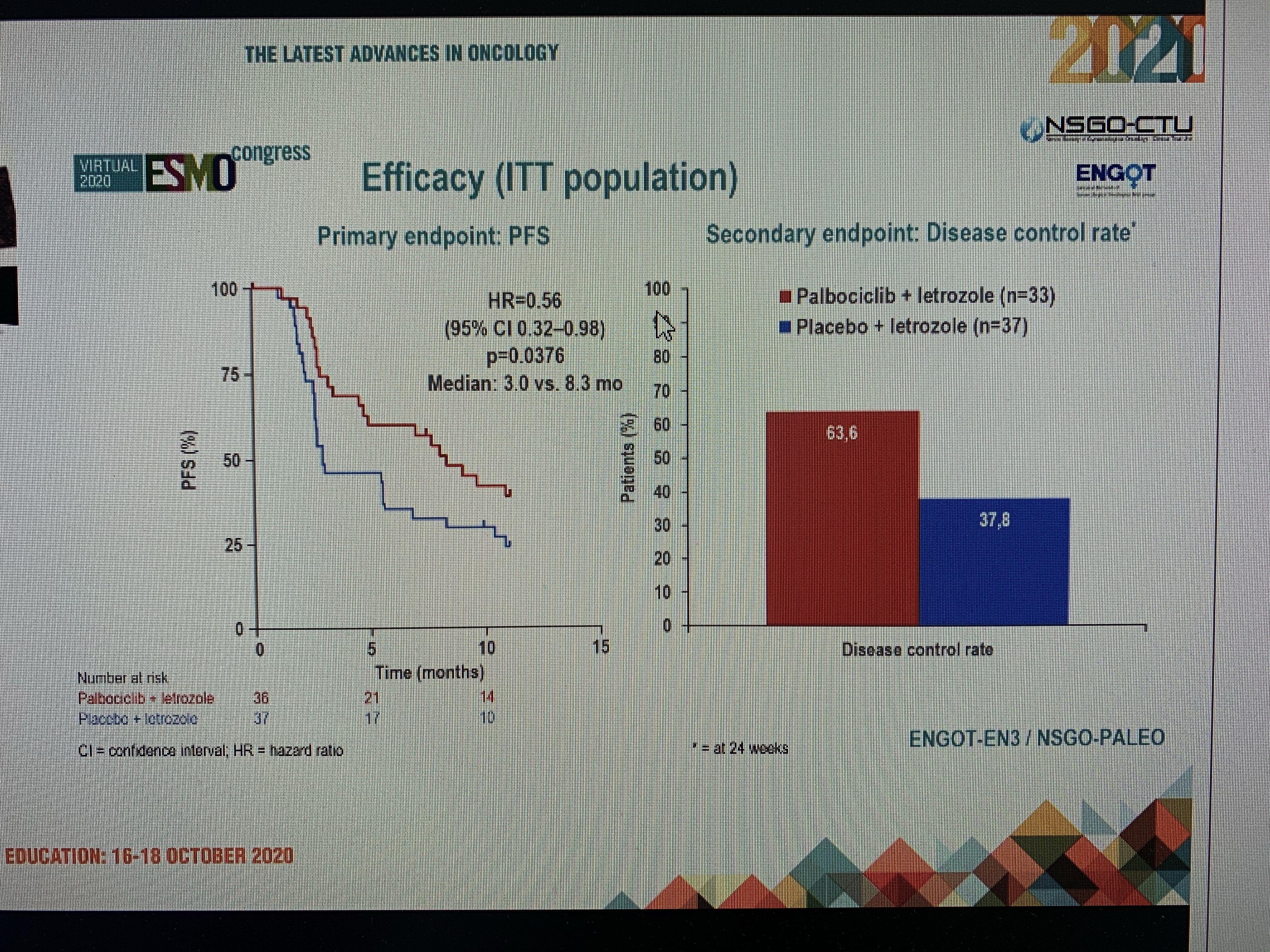
In breast cancer, Letrozole efficacy can be improved by a treatment called Palboclicib.

A trial was done to check whether the same improvement can be observed in uterine cancer when the combination of Letrozole and Palboclicib is tried.

The trial data presented at the ESMO ( European Society of Medical Oncology) is very promising.

If large trials confirm this finding, the combination would be standard treatment in future.

Disclaimer: Please note- This blog is NOT medical advice. This blog is purely for information only and do check the the sources where cited. Please consult your own doctor to discuss concerns and options relevant to you.

The views expressed in this blog represent the author’s views held at the time of drafting the blog and is likely to change overtime, particularly when new evidence comes to light. The blog is not necessarily endorsed by any organisation the author is associated with and views are not substitute for professional advice.