“Alpha linolenic acid (ALA) and linoleic acid is a essential polyunsaturated fatty acids commonly extracted from plants”
These fatty acids are found in “soybean, nuts, canola oils, flaxseed, and other plant foods”.
A recent study published in BMJ shows that these dietary fatty acids are good for overall health and reduces risk of death. The study found benefits in terms of reducing strokes and heart problems but paradoxically these fatty acids slightly increased the risk of death from cancer .
A word of caution applies to all ‘food and disease’ association reports. Almost every week there are reports of studies exploring associations between “various food/drink” with “various diseases”. Some of them are conflicting and sometimes confusing with a positive study followed by a negative study. So take all food related studies with a pinch of salt !
Reference: Dietary intake and biomarkers of alpha linolenic acid and risk of all cause, cardiovascular, and cancer mortality: systematic review and dose-response meta-analysis of cohort studies BMJ 2021; 375 doi: https://doi.org/10.1136/bmj.n2213 (Published 14 October 2021) Cite this as: BMJ 2021;375:n2213
Disclaimer: Please note – This blog is NOT medical advice. This blog is NOT a expert medical opinion on various topics. This blog is purely for information only and do check the sources where cited. Please DO consult your own doctor to discuss concerns and options relevant to you. The views expressed in this blog are NOT, in way whatsoever, intended to be a substitute for professional advice. The blog is NOT previewed, commissioned or otherwise endorsed, in any way, by any organisation that the author is associated with. The views expressed in this blog likely represents some of the author’s personal views held at the time of drafting the blog and MAY CHANGE overtime, particularly when new evidence comes to light.
Heavy Industrial air pollution can be harmful to health.
Can even a mild level of air pollution be harmful to health?
Yes !
A study published in BMJ reports that “outdoor air pollution is associated with increased risk of death even at low pollution levels below the current European and North American standards and WHO guideline values”.
Disclaimer: Please note – This blog is NOT medical advice. This blog is NOT a expert medical opinion on various topics. This blog is purely for information only and do check the sources where cited. Please DO consult your own doctor to discuss concerns and options relevant to you. The views expressed in this blog are NOT, in way whatsoever, intended to be a substitute for professional advice. The blog is NOT previewed, commissioned or otherwise endorsed, in any way, by any organisation that the author is associated with. The views expressed in this blog likely represents some of the author’s personal views held at the time of drafting the blog and MAY CHANGE overtime, particularly when new evidence comes to light.
If someone feels they are not having regular refreshing sleep, then it is bad news.
In a very large U.K. study, involving 487,728 people, the following question was asked: Do you have trouble falling asleep at night or do you wake up in the middle of the night?
About a quarter of people in study answered “never/rarely”; just under half answered “sometimes” and less than one-third reported “usually”.
The people in study were followed up for many years (mean follow-up time = 8.9 years)
The people who reported frequent sleep disturbances (“usually” category) were found to be at risk of dying early.
The risk was highest in those with both diabetes and frequent sleep disturbances.
It needs to be seen whether the sleep disturbance by itself led to early death or whether people who are going to die early have medical problems that cause them to have disturbed sleep !
Disclaimer: Please note- This blog is NOT medical advice. This blog is NOT a expert medical opinion on various topics. This blog is purely for information only and do check the sources where cited. Please DO consult your own doctor to discuss concerns and options relevant to you. The views expressed in this blog represent the author’s views held at the time of drafting the blog and may change overtime, particularly when new evidence comes to light. The blog is not previewed, commissioned or otherwise endorsed by any organisation that the author is associated with. The views expressed in this blog are not, in way whatsoever, intended to be a substitute for professional advice.
It would be a shock for many to hear that “No amount of alcohol is absolutely safe”.
A team at Imperial College London analysed MRI scans of heart, brain and liver of people who drink alcohol. They found that higher alcohol consumption was related to smaller brain, weaker heart and fatty liver.
They reported that “there is no ‘safe threshold’ below which there were no toxic effects of alcohol.
Previously other studies have also reported that there is no safe limit for alcohol!
In 2018, a Lancet study reported that the risk of death and risk of cancers increased substantially with increasing levels of alcohol consumption; and there was no safe limit below which there was no risk.
The message is “Avoid alcohol”
If you can’t, then atleast drink as little as possible.
Disclaimer: Please note- This blog is NOT medical advice. This blog is NOT a expert medical opinion on various topics. This blog is purely for information only and do check the sources where cited. Please DO consult your own doctor to discuss concerns and options relevant to you. The views expressed in this blog represent the author’s views held at the time of drafting the blog and may change overtime, particularly when new evidence comes to light. The blog is not previewed, commissioned or otherwise endorsed by any organisation that the author is associated with. The views expressed in this blog are not, in way whatsoever, intended to be a substitute for professional advice.
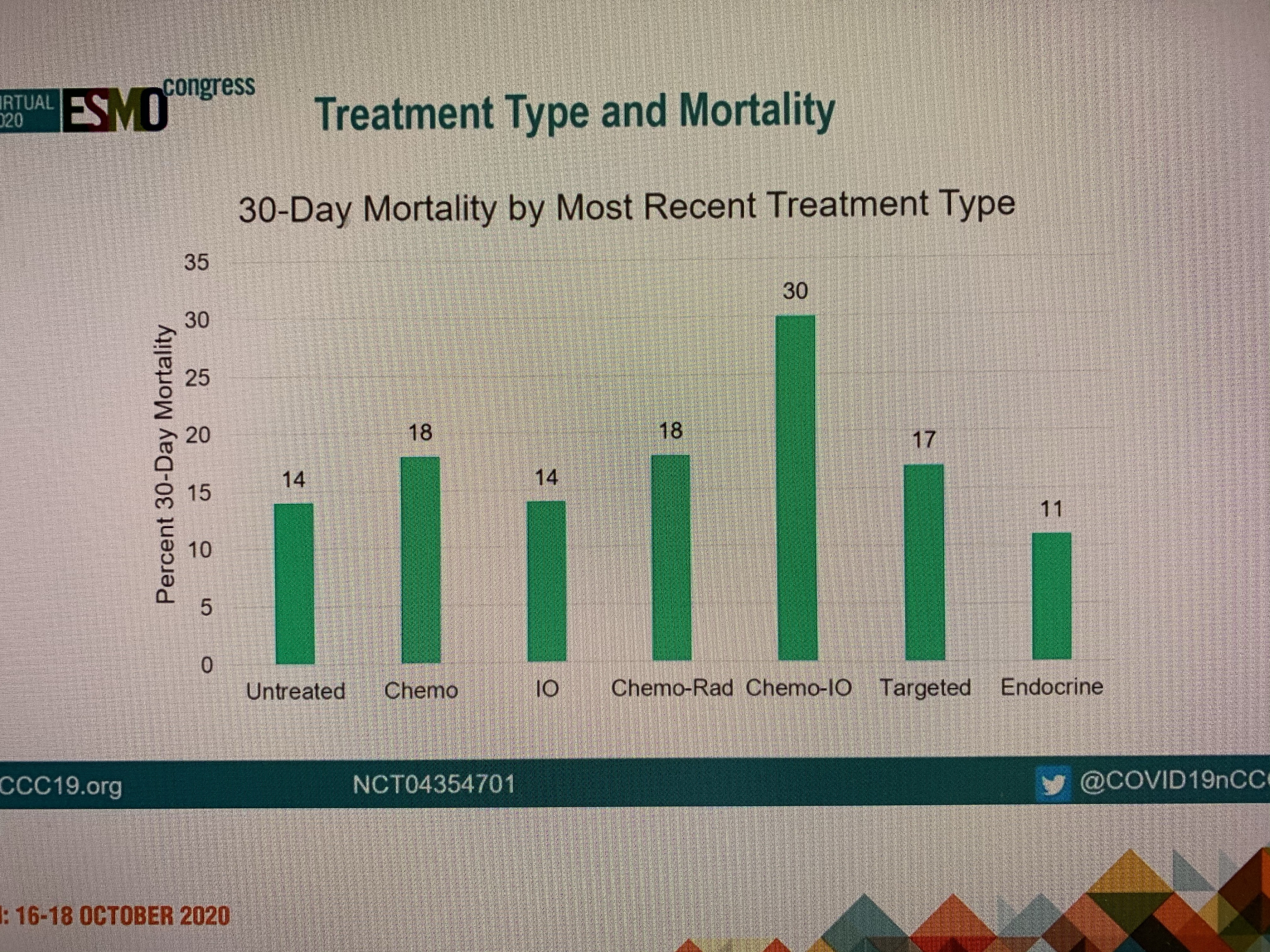
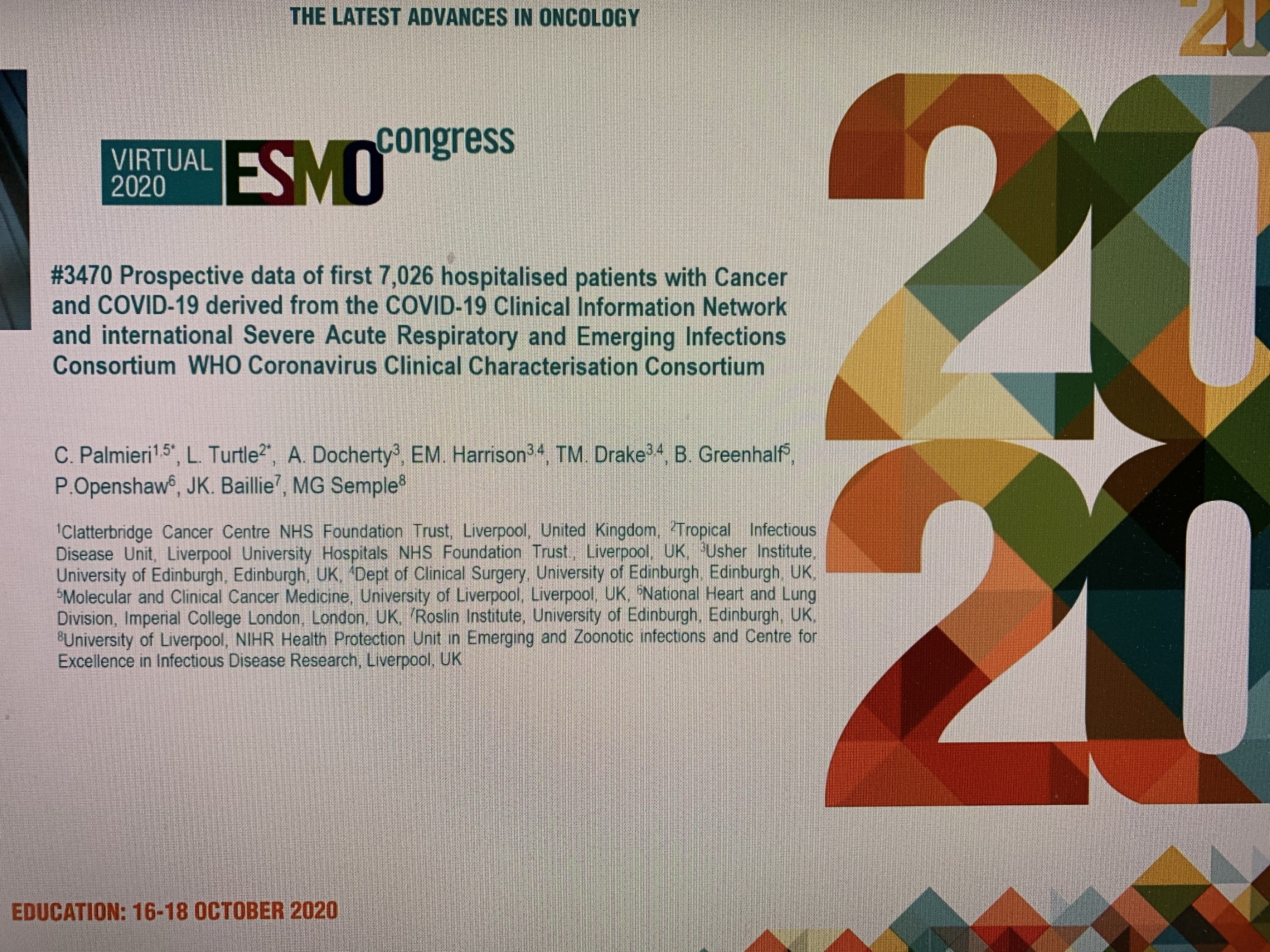
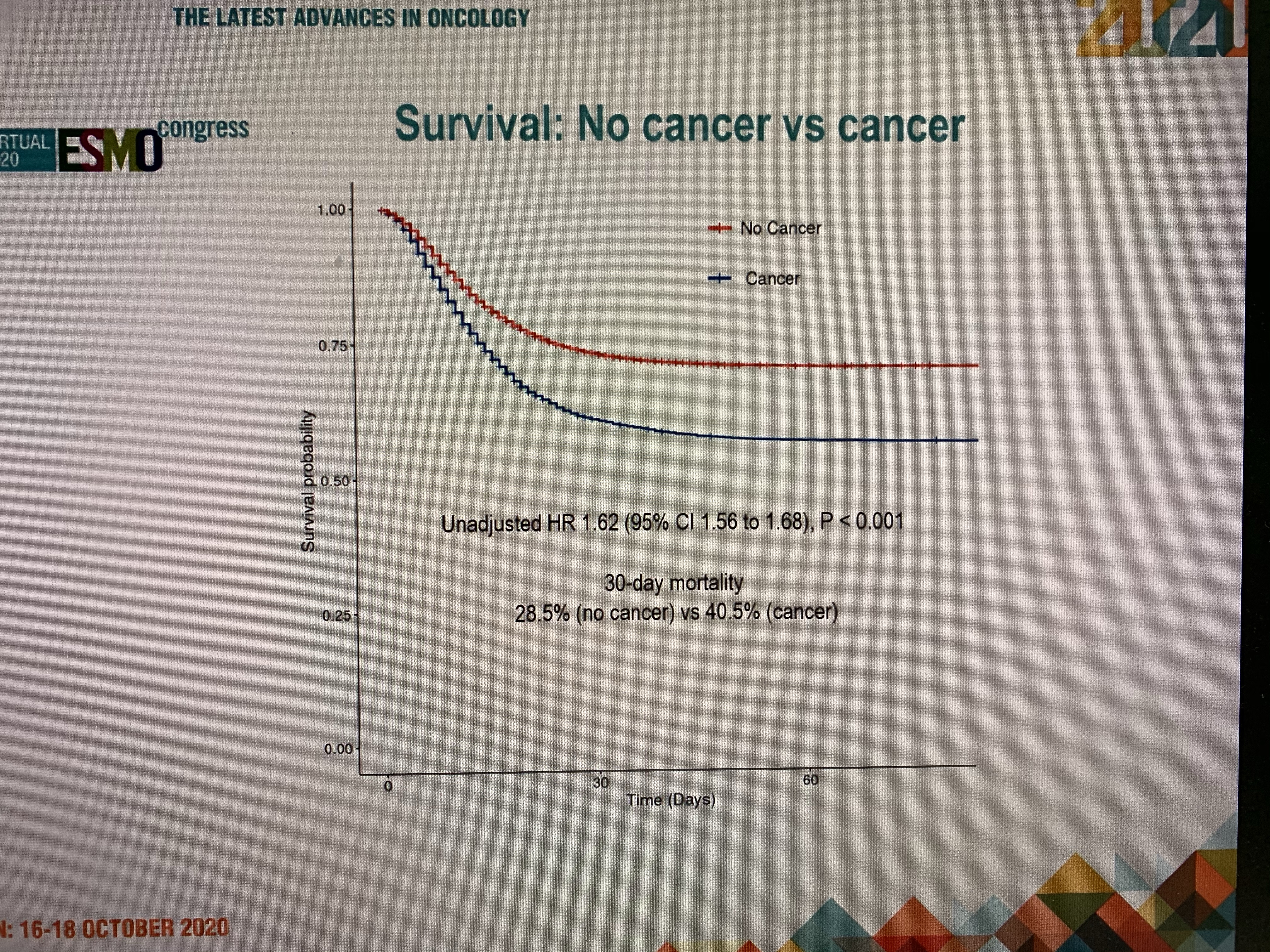
Elderly cancer patients on the whole did very badly but surprisingly cancer patients under age of 50 did far worse than their peers without cancer.
Disclaimer: Please note- This blog is NOT medical advice. This blog is purely for information only and do check the the sources where cited. Please consult your own doctor to discuss concerns and options relevant to you.
The views expressed in this blog represent the author’s views held at the time of drafting the blog and is likely to change overtime, particularly when new evidence comes to light. The blog is not necessarily endorsed by any organisation the author is associated with and views are not substitute for professional advice.
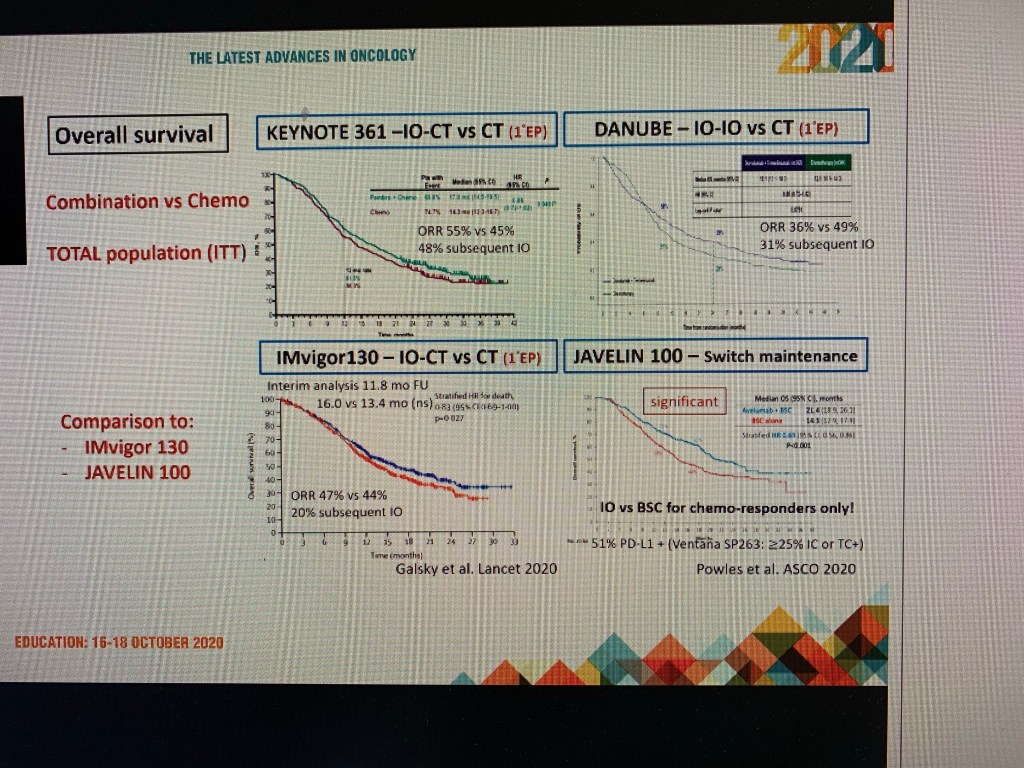
Immunotherapy has revolutionised the treatment of many advanced cancers such Skin cancer Melanoma and Kidney cancers.
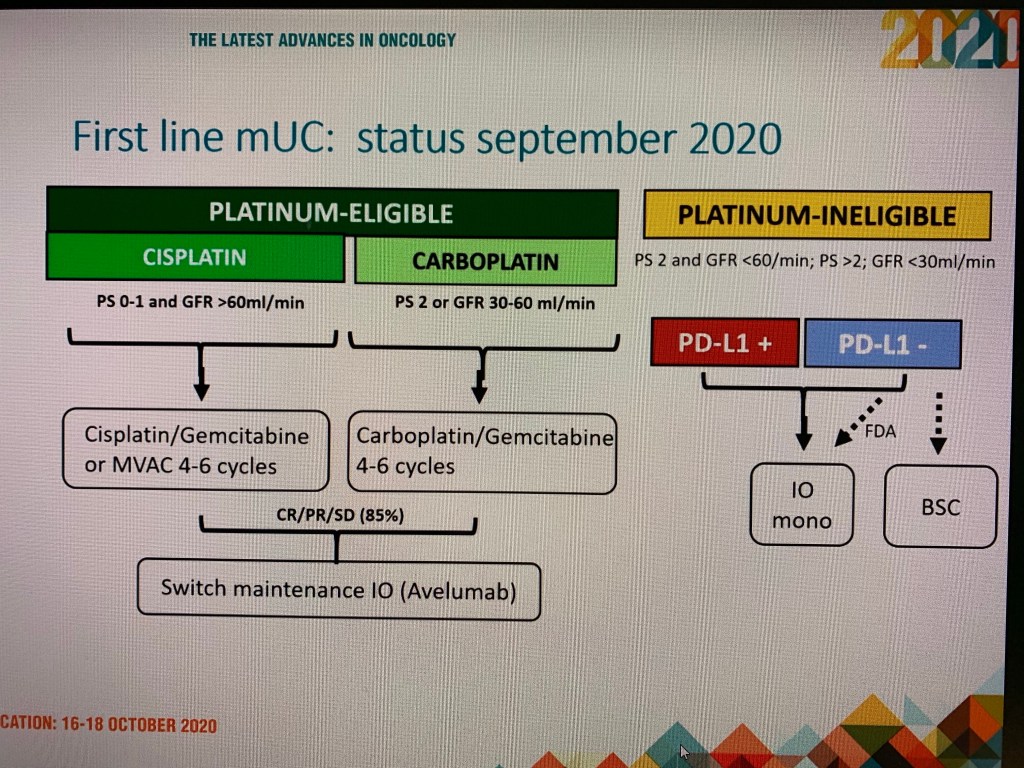
Immunotherapy is a standard treatment for 2nd line treatment of bladder cancer.
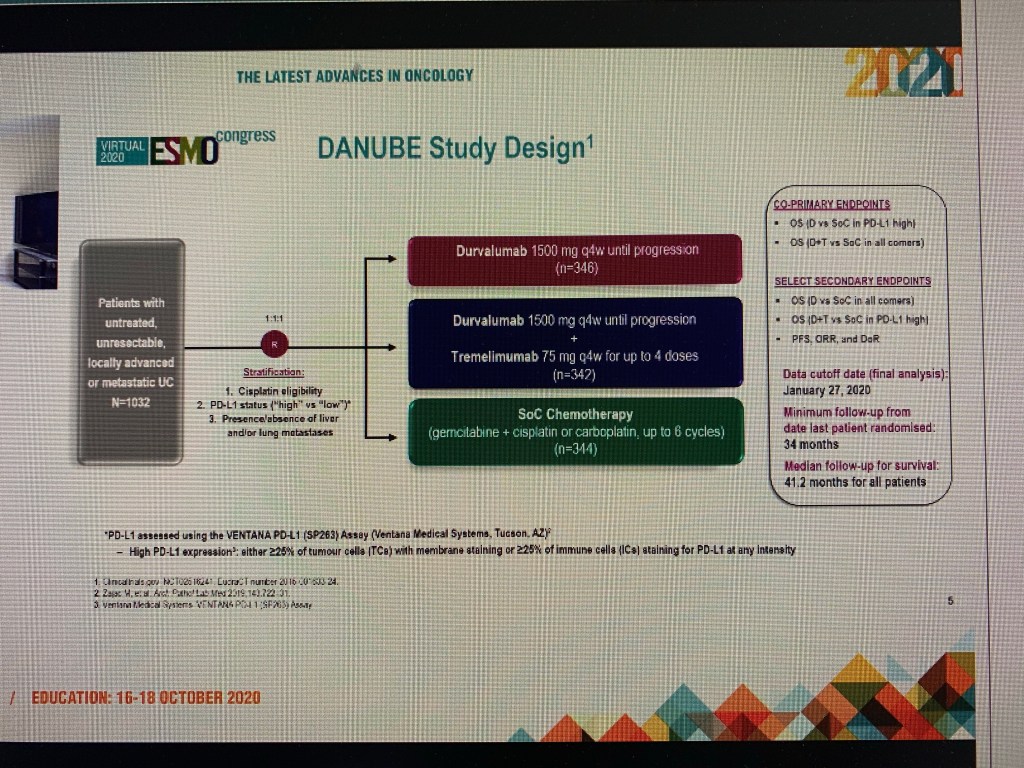
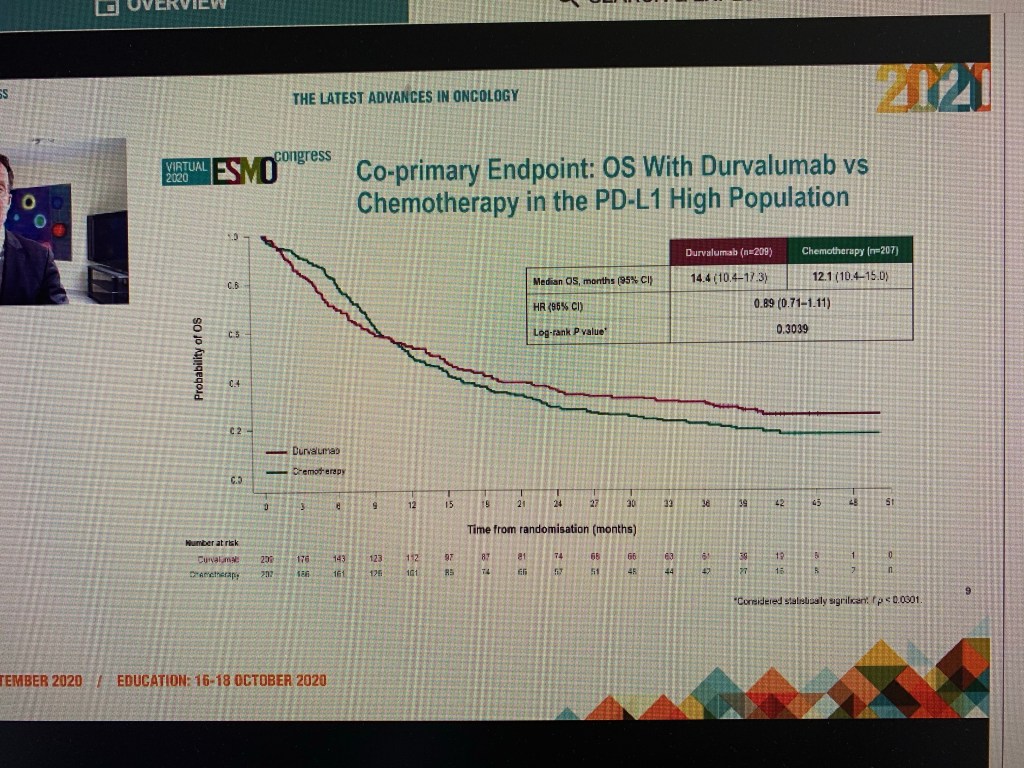
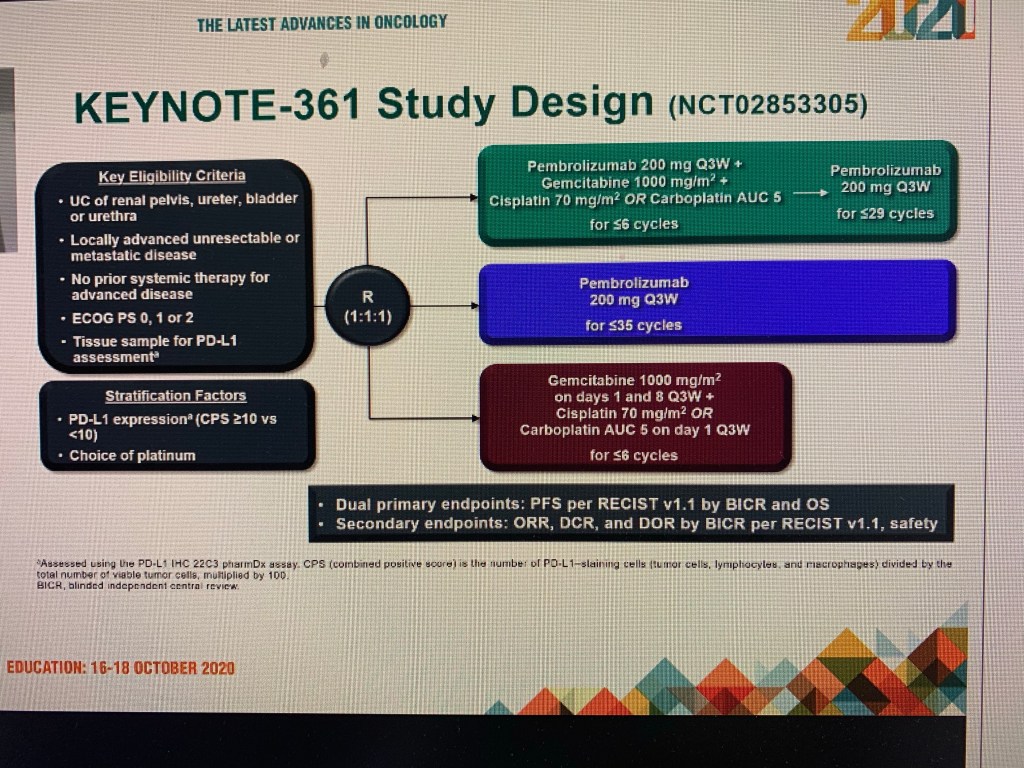
Two recent trials presented at ESMO virtual meeting explored the use of immunotherapy in 1st line setting. (Pembrolizumab and Durvalumab).
Immunotherapy alone, or in combination with Chemotherapy was not superior even in patients selected by markers thought to favour immunotherapy alone.
For most bladder cancer patients immunotherapy remains a excellent 2nd line option or as a maintenance treatment option.
Disclaimer: Please note- This blog is NOT medical advice. This blog is purely for information only and do check the the sources where cited. Please consult your own doctor to discuss concerns and options relevant to you. The views expressed in this blog represent the author’s views held at the time of drafting the blog and is likely to change overtime, particularly when new evidence comes to light. The blog is not necessarily endorsed by any organisation the author is associated with and views are not substitute for professional advice.
Disclaimer: Please note- This blog is NOT medical advice. This blog is purely for information only and do check the the sources where cited. Please consult your own doctor to discuss concerns and options relevant to you.
The views expressed in this blog represent the author’s views held at the time of publication and is likely to change overtime, particularly when new evidence comes to light. The blog is not necessarily endorsed by any organisation the author is associated with and views are not substitute for professional advice.
Before you rush to relish your burger or steak , please note the evidence for beneficial effect is very much in favour of plant proteins than animal proteins.
Disclaimer: Please note- This blog is NOT medical advice. This blog is purely for information only and do check the the sources where cited. Please consult your own doctor to discuss concerns and options relevant to you.
The views expressed in this blog represent the author’s views held at the time of publication and is likely to change overtime, particularly when new evidence comes to light. The blog is not necessarily endorsed by any organisation the author is associated with and views are not substitute for professional advice.
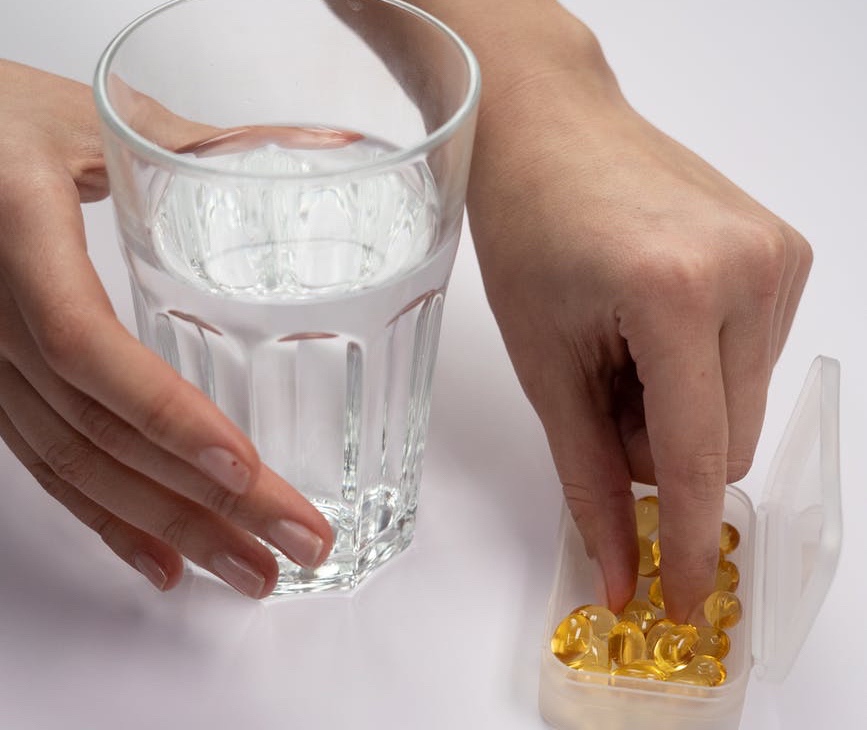
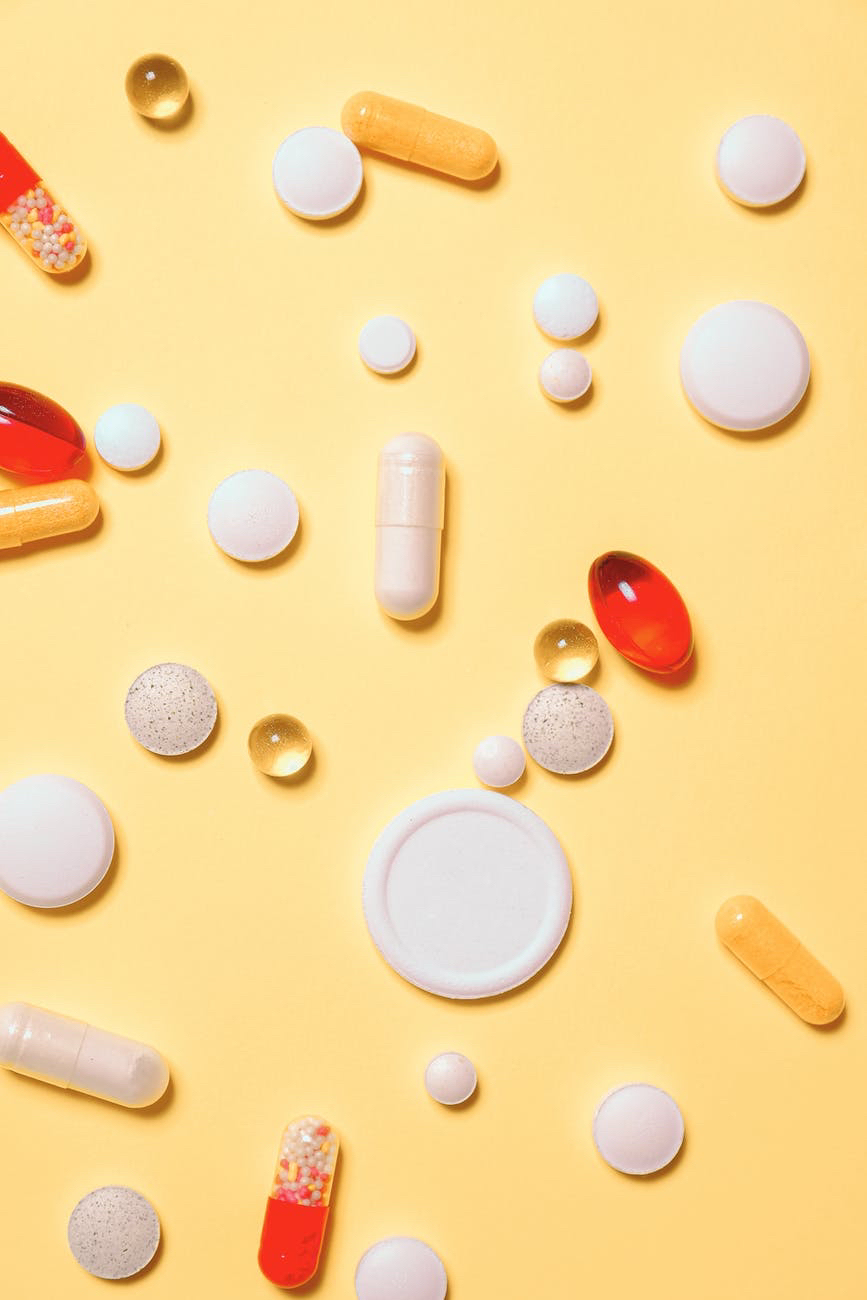
In Western countries, upto two thirds of people take vitamin and mineral supplements regularly.
Many people think it’s common sense to take supplements. Many people don’t realise mega doses of vitamins can cause harm. Paradoxically the people who don’t have a healthy diet are less likely to supplements than those who have a well balanced diet.
A recent article in BMJ reviews the evidence regarding “Health effects of vitamin and mineral supplements” and concludes that “Randomised trial evidence does not support use of vitamin, mineral, and fish oil supplements to reduce the risk of non-communicable diseases”.
Disclaimer: Please note- This blog is NOT medical advice. This blog is purely for information only and do check the the sources where cited. Please consult your own doctor to discuss concerns and options relevant to you.
The views expressed in this blog represent the author’s views held at the time of publication and is likely to change overtime, particularly when new evidence comes to light. The blog is not necessarily endorsed by any organisation the author is associated with and views are not substitute for professional advice.
People with sunny disposition seems to live longer.
Having a positive outlook on life seems to protect heart.
Is it a case of “chicken vs egg” in that what came first. Do healthy people have a optimistic outlook and pessimistic people have lot of social, personal and health problems. Do life problems make people pessimistic or being optimistic makes one do better?
Researchers have adjusted the data for confounding factors. Evidence so far is very intriguing.
And the next question is – can one learn to be optimistic, change personality and have beneficial health effects. We don’t know at present.
Disclaimer: Please note- This blog is NOT medical advice. This blog is purely for information only. See your own doctor to discuss concerns and options relevant for you.


















 Dr S Sundar