Can Gerson therapy or alternative treatment cure cancer ?

No !

No one has published any reliable scientific evidence to prove alternative therapies such as Gerson therapy can cure cancer.

When some one is diagnosed with cancer, particularly at a young age, the shock is unimaginable!

People are so shocked they start to question everything.

People can be understandably very worried about side effects of conventional treatments such as chemotherapy.

People with cancer can be frightened about everything.

BUT alternative therapy is not the answer to their worries and concerns.

Alternative therapy has not been shown to cure cancer.

There are lot of scams on social media promoting so called alternative or complimentary therapy. Be careful!

Even worse are the misguided people who promote well-intentioned but dangerous unscientific information.

Any one who has been newly diagnosed with cancer should be aware of the enormous amount of misinformation out there.

Some complementary therapies (eg massage, aromatherapy ) can have palliative and psychological benefits but they do not cure or control the cancer.

The recent BBC news article about a young women, who died of a potentially curable cancer, should be a warning to other people.

References

BBC News. ‘Our sister died of cancer because of our mum’s conspiracy theories’. Published 23 June 2025. Marianna Spring. Social media investigations correspondent

Telegraph. Cambridge graduate ‘killed by mother’s anti-medicine conspiracy theories’. Gwyn Wright. 24 June 2025 6:21am BST

Disclaimer: Please note – This blog is NOT medical advice. This blog is NOT a expert medical opinion on various topics. This blog is purely for information research only and do check the sources where cited. Please DO consult your own doctor to discuss concerns and options, which are relevant and specific to you. The views expressed in this blog are NOT, in any way whatsoever, intended to be a substitute for professional advice. The blog is NOT previewed, commissioned or otherwise endorsed, in any way, by any organisation that the author is associated with. The views expressed in this blog likely represents some of the author’s personal views held at the time of drafting the blog and MAY CHANGE overtime, particularly when new evidence comes to light.
Is radiotherapy needed for all lymphoma patients after completing a course of chemotherapy?

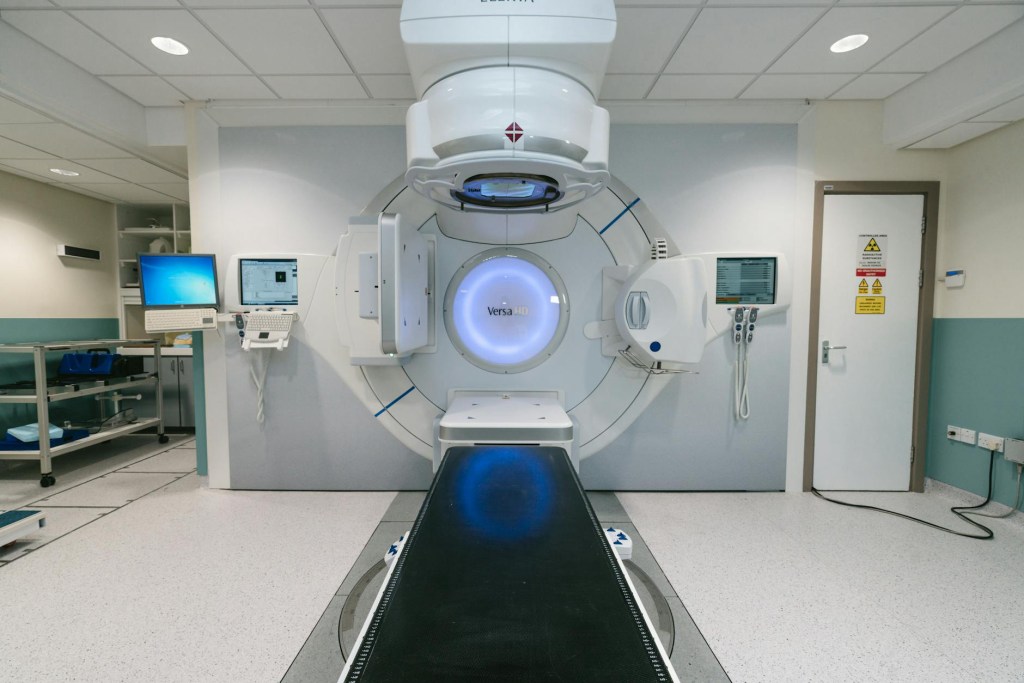
In previous decades, radiotherapy was routinely used to consolidate remission after completion of chemotherapy in Lymphoma patients.

Chemotherapy alone can cure a lot of these patients. Radiotherapy can be associated with long term side effects even 10 years after completion of treatment.

So increasingly there is a tendency to omit radiotherapy in those lymphoma patients who had responded extremely well to chemotherapy alone.

Long term trial results, in a group of lymphoma patients who had mediastinal (chest) lymphoma, confirms that radiotherapy can be safely omitted in those patients who had excellent response to chemotherapy alone.

Reference

Omission of Radiotherapy in Primary Mediastinal B-Cell Lymphoma: IELSG37 Trial Results | Journal of Clinical Oncology

Disclaimer: Please note – This blog is NOT medical advice. This blog is NOT a expert medical opinion on various topics. This blog is purely for information only and do check the sources where cited. Please DO consult your own doctor to discuss concerns and options relevant to you. The views expressed in this blog are NOT, in any way whatsoever, intended to be a substitute for professional advice. The blog is NOT previewed, commissioned or otherwise endorsed, in any way, by any organisation that the author is associated with. The views expressed in this blog likely represents some of the author’s personal views held at the time of drafting the blog and MAY CHANGE overtime, particularly when new evidence comes to light.

Anything potentially good from this COVID-19 pandemic?

It might seem foolish to ask the question “Anything good from this COVID-19 pandemic?” when so many people across the world has been so badly affected by the coronavirus pandemic.

There is some truth in the proverb that “every dark cloud has a silver lining” and no matter how bad the current pandemic is now, human spirit and endeavour would get something positive out of it.

One possible good thing that has come out of the pandemic is the “mRNA technology”.

Of the three vaccines so far, two of them the Pfizer vaccine and the Moderna vaccine are based on RNA technology.

The successful use of RNA technology for Coronavirus Vaccines would hopefully enable the versatile RNA technology to be further developed and successfully used a cancer treatment in near future.

Further clinical trials in cancer patients would be done to provide proof of their potential.

References:

Bloomberg. Technology & Ideas. mRNA Vaccines Could Vanquish Covid Today, Cancer Tomorrow.
The best news about the mRNA shots from BioNTech and Moderna is that the same technique could also defeat many other diseases.

MSKCC. In a Twist, Scientists Find Cancer Drivers Hiding in RNA, Not DNA.

Jerusalem Post Health & Science. Israeli scientists use mRNA COVID-19 vaccine technology to fight cancer. By MAAYAN JAFFE-HOFFMAN NOVEMBER 24, 2020 20:08

Disclaimer: Please note- This blog is NOT medical advice. This blog is purely for information only and do check the the sources where cited. Please DO consult your own doctor to discuss concerns and options relevant to you.

The views expressed in this blog represent the author’s views held at the time of drafting the blog and may change overtime, particularly when new evidence comes to light. The blog is not necessarily endorsed by any organisation the author is associated with and the authors views are not in way intended to be a substitute for professional advice.

Cancer treatment delays during the pandemic

The Staff at National Health Service in UK are doing an admirable job during the pandemic. In the particular, the frontline staff (“patient-facing”) are showing great courage in face of great difficulties and are primarily driven by altruism.

But the pressures of pandemic means many routine scans and hospital clinic appointments have been cancelled particularly during the first wave. There is a great worry about delayed diagnosis of cancer and delayed treatment of cancer.

A paper in BMJ reports that cancer patients survival can be significantly compromised.

But, as with everything else in life, things are not always what they look like at first impression. Even things that are logical and common sense at first glance do not turn out to be simple and clear.

Firstly, delays and cancellations of scans paradoxically could have psychologically benefited some cancer patients . This might seem counterintuitive or even an outrageous statement.

But there are some cancers which are being over diagnosed. A Cancer diagnosis does not always mean a death sentence. Some cancers do not cause problems for a long time or never in the life time of a person. These cancers do not need to be diagnosed promptly. Not being diagnosed with these cancers prevents the psychological burden of a cancer diagnosis. This “over diagnosis” would be expectedly less during pandemic.

Secondly, treatment delays could be caused by a cancer that is advanced and the need for time consuming additional investigations and procedures. Sometimes delays are caused by patients needing to see many medical specialists for the treatment. So it’s the aggressive cancer and the complex patient care that would cause the delay and is responsible for poor outcome rather than the delay by itself.

Read the BMJ article and make your views known.

Mortality due to cancer treatment delay: systematic review and meta-analysis
BMJ 2020; 371 doi: https://doi.org/10.1136/bmj.m4087 (Published 04 November 2020)
Cite this as: BMJ 2020;371:m4087

Overdiagnosis in Cancer
H. Gilbert Welch, William C. Black
JNCI: Journal of the National Cancer Institute, Volume 102, Issue 9, 5 May 2010, Pages 605–613, https://doi.org/10.1093/jnci/djq099

Disparities in head and neck cancer: assessing delay in treatment initiation
Urjeet A Patel et al. Laryngoscope. 2012 Aug.

Khorana AA, Tullio K, Elson P, Pennell NA, Grobmyer SR, Kalady MF, et al. (2019) . Time to initial cancer treatment in the United States and association with survival over time: An observational study. PLoS ONE 14(4): e0215108. doi:10.1371/journal.pone.0215108

Cancer and COVID-19

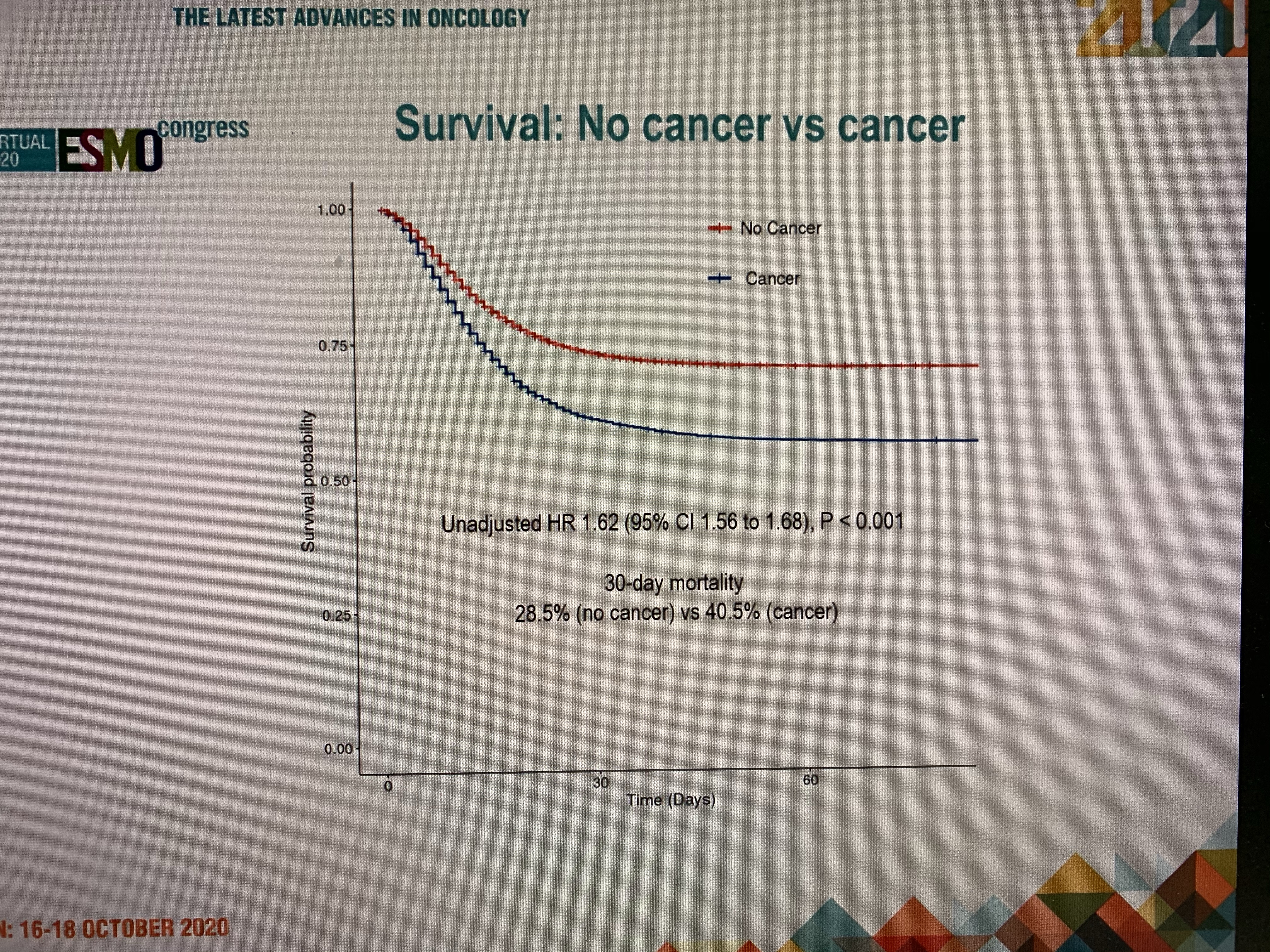
Cancer patients, as expected, did badly during the 1st wave of the COVID-19 pandemic

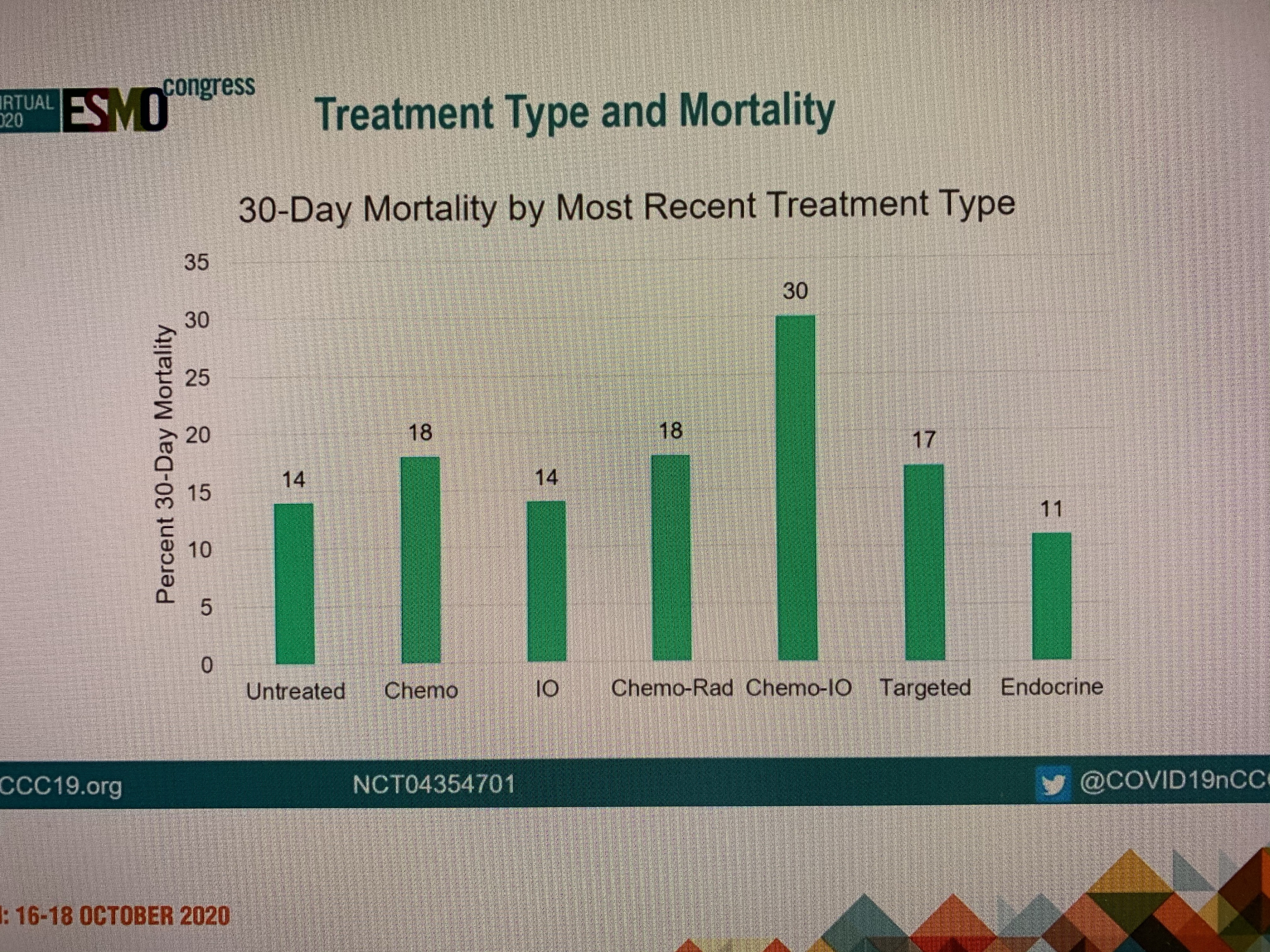
Data presented at ESMO ( European Society of Medical Oncology) shows that Cancers had – higher rates of Hospitalisation, higher risk of Complications and increased risk of Death.

Elderly cancer patients on the whole did very badly but surprisingly cancer patients under age of 50 did far worse than their peers without cancer.

Disclaimer: Please note- This blog is NOT medical advice. This blog is purely for information only and do check the the sources where cited. Please consult your own doctor to discuss concerns and options relevant to you.

The views expressed in this blog represent the author’s views held at the time of drafting the blog and is likely to change overtime, particularly when new evidence comes to light. The blog is not necessarily endorsed by any organisation the author is associated with and views are not substitute for professional advice.

Can Hair dyes cause cancer?

Yes, there is a possible increased risk of some types of skin and breast cancer as well as ovarian cancer.

Permanent hair dyes are widely used. A recent study published in BMJ suggests that use of Hair dyes might be risky.

This large study from United States enrolled 117 200 women in the Nurses’ Health Study. The women reported on personal use of permanent hair dyes, and were followed for 36 years. So overall it is a high quality observational study.

Read the full paper and Caveats at the BMJ website.

References

Personal use of permanent hair dyes and cancer risk and mortality in US women: prospective cohort study

BMJ 2020; 370 doi: https://doi.org/10.1136/bmj.m2942 (Published 02 September 2020)

Cite this as: BMJ 2020;370:m2942

Disclaimer: Please note- This blog is NOT medical advice. This blog is purely for information only and do check the the sources where cited. Please consult your own doctor to discuss concerns and options relevant to you.

The views expressed in this blog represent the author’s views held at the time of drafting the blog and is likely to change overtime, particularly when new evidence comes to light. The blog is not necessarily endorsed by any organisation the author is associated with and views are not substitute for professional advice.