Fenbendazole and Ivermectin for prostate cancer : what is the evidence ?

There is a significant social media promotion of these two drug combination- fenbendazole and ivermectin – for treatment of prostate cancer.

They are relatively cheap and so cost is not a major hindrance.

Are they both any good for routine clinical use ?

The short answer is NO.

Both Ivermectin and Fenbendazole are drugs currently licensed for treatment of human and / or animal infections.

There is lot of pre-clinical laboratory evidence to indicate anti-cancer activity regarding these two drugs. But that does not mean they can be safely used clinically. Good clinical trials are needed before they can be used clinically .

Remember both drugs can have significant side effects. ( Ivermectin . Fenbendazole ).

For instance, these drugs can cause liver damage. They can cause nausea, stomach pain, muscle pain, joint pain and in worse cases cause mental changes.

Advanced cancer patients are desperate to try anything. It’s human nature to fight . But that doesn’t mean trying “unproven treatments” are a good idea. This is because the side effects of the drugs can make cancer patients life even more miserable.

Both the drugs – Ivermectin and Fenbendazole- can also interfere with other cancer treatments.

Scientifically, we cannot 100% rule out that a derivative of Ivermectin or Fenbendazole might be repurposed for cancer treatment in future.

But it is NOT a good idea to use Ivermectin or Fenbendazole as an anti-cancer treatment in routine clinical practice NOW.

Be careful. Discuss your concerns with your doctor.

Be aware of scams.

Also be very careful about friends, family members and well wishers – with good intentions – but unknowingly passing misleading information to you !

References

Macmillan. Cancer and ivermectin: What people with cancer need to know. Richard Simcock Chief Medical Officer and Macmillan. Published: 01 October 2025

Ivermectin European Data sheet. Accessed 1st Feb 2026. Patient information leaflet.

Fenbendazole. DEFRA. VETERINARY MEDICINAL PRODUCT. Accessed 1st Feb 2026.

Ivermectin Review: Ivermectin, a potential anticancer drug derived from an antiparasitic drug

Fenbendazole: Oral Fenbendazole for Cancer Therapy in Humans and Animals. Jolie Nguyen et al. Anticancer Res. 2024 Sep

Ivermectin: Integrated analysis reveals FOXA1 and Ku70/Ku80 as targets of ivermectin in prostate cancer.

Ivermectin: Ivermectin in Cancer Treatment: Should Healthcare Providers Caution or Explore Its Therapeutic Potential? Yash Patel et al. Curr Oncol Rep. 2025 Sep

False information on ivermectin continues to circulate worldwide. Published on May 14, 2025 at 22:01. Updated on May 16, 2025 at 06:59. By Ede ZABORSZKY.

Disclaimer: Please note – This blog is NOT medical advice. This blog is NOT a expert medical opinion on various topics. This blog is purely for information research only and do check the sources where cited. Please DO consult your own doctor to discuss concerns and options, which are relevant and specific to you. The views expressed in this blog are NOT, in any way whatsoever, intended to be a substitute for professional advice. The blog is NOT previewed, commissioned or otherwise endorsed, in any way, by any organisation that the author is associated with. The views expressed in this blog likely represents some of the author’s personal views held at the time of drafting the blog and MAY CHANGE overtime, particularly when new evidence comes to light.

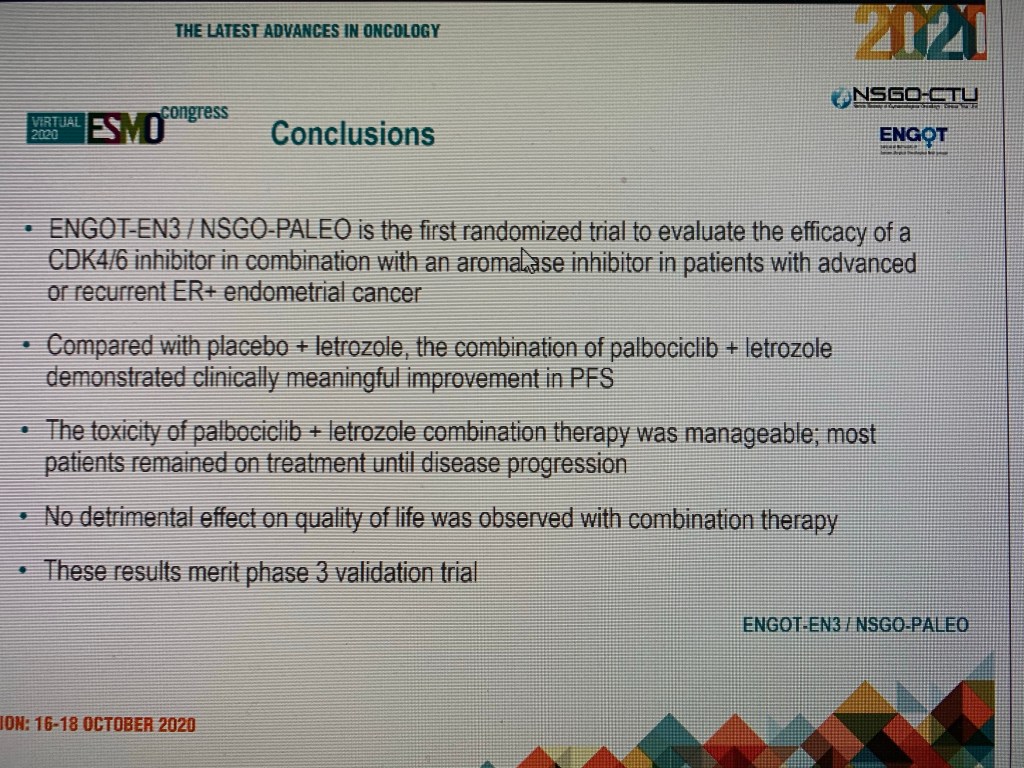
New treatment for Advanced Uterine Cancer

Women with advanced uterine / endometrial cancer are usually treated with chemotherapy.

Those who failed chemotherapy or those who are fit for chemotherapy are sometimes treated with hormone treatment.

Letrozole is one such hormone treatment for those patients with hormone sensitive cancer.

In breast cancer, Letrozole efficacy can be improved by a treatment called Palboclicib.

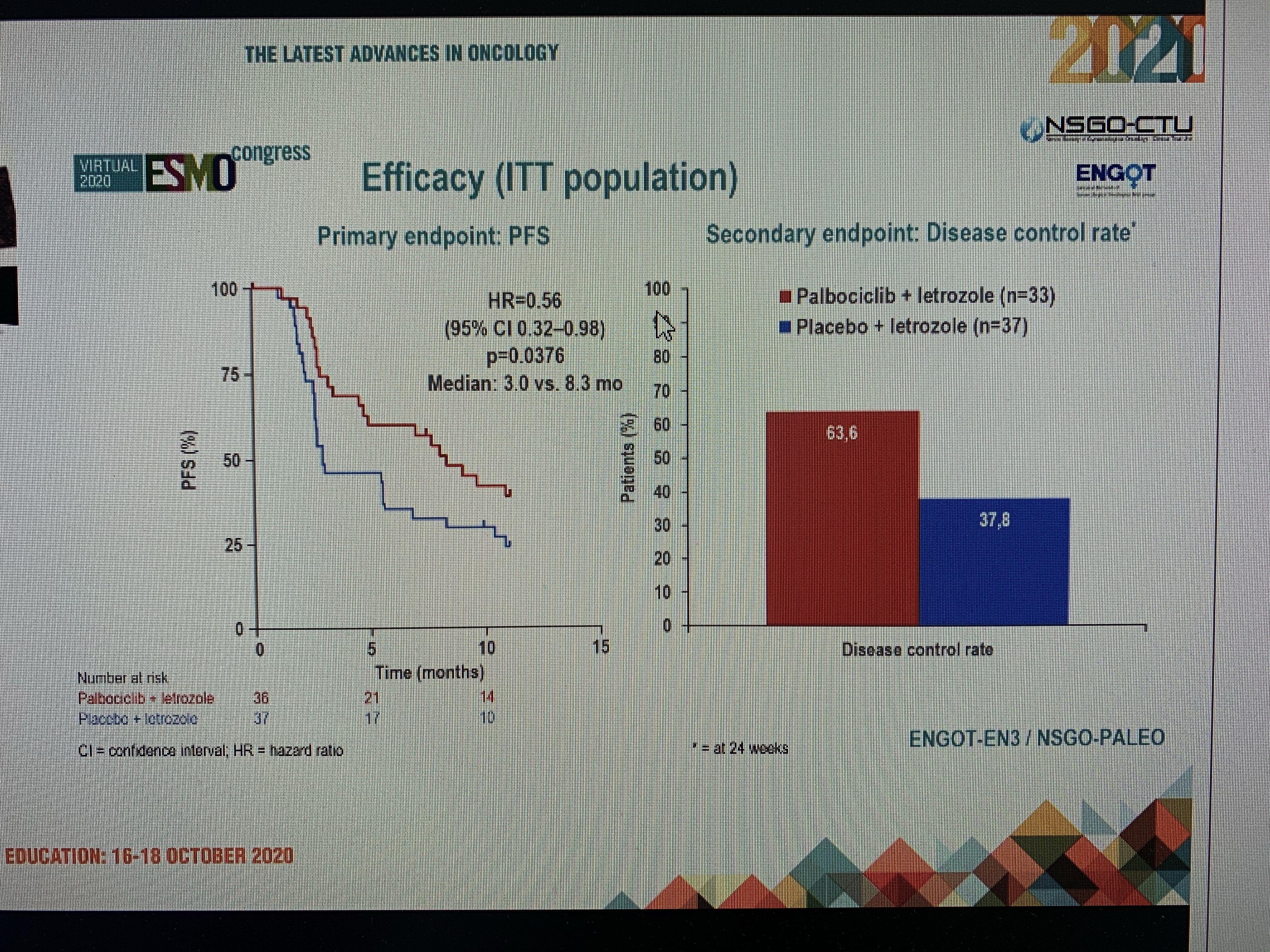
A trial was done to check whether the same improvement can be observed in uterine cancer when the combination of Letrozole and Palboclicib is tried.

The trial data presented at the ESMO ( European Society of Medical Oncology) is very promising.

If large trials confirm this finding, the combination would be standard treatment in future.

Disclaimer: Please note- This blog is NOT medical advice. This blog is purely for information only and do check the the sources where cited. Please consult your own doctor to discuss concerns and options relevant to you.

The views expressed in this blog represent the author’s views held at the time of drafting the blog and is likely to change overtime, particularly when new evidence comes to light. The blog is not necessarily endorsed by any organisation the author is associated with and views are not substitute for professional advice.
Hope and incurable Cancer: does hope torment or does it help to cope?

A diagnosis of incurable and advanced cancer is often a massive shock to everyone.

Should we ask them to face reality , accept death and extinguish all hope.

Or should we be offering hope of living a bit longer with treatments while being honest with prognosis.

Hope can be tormenting to some.

Hope can be comforting to some.

What are you views?

Contribute your views at online rapid response @BMJ journal

Don’t torment me with hope. BMJ 2020; 370 doi: https://doi.org/10.1136/bmj.m3016 (Published 09 September 2020)Cite this as: BMJ 2020;370:m3016

In defence of Hope: https://www.bmj.com/content/370/bmj.m3016/rr-3

Is Honey a better treatment for coughs and colds ?

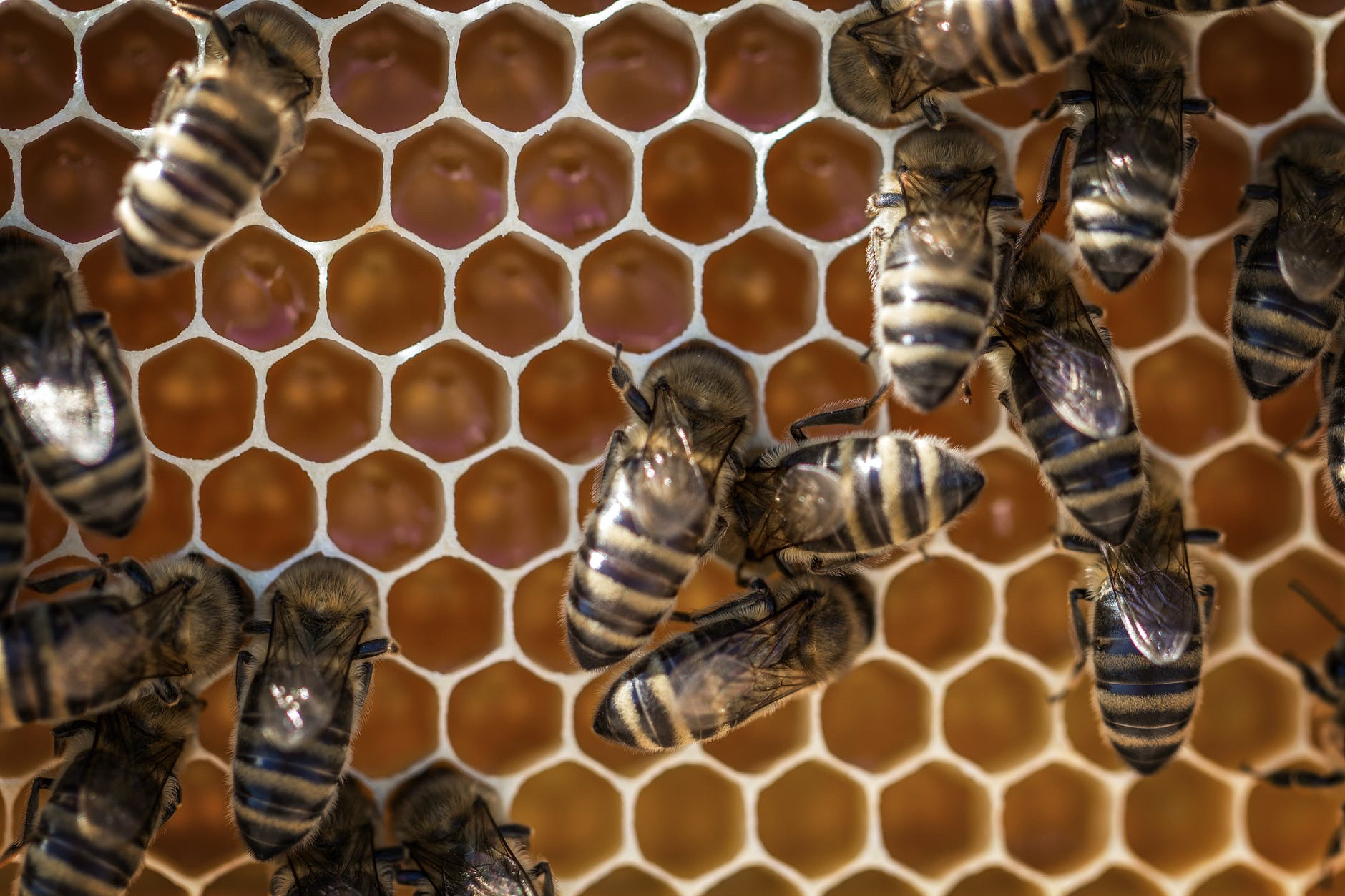
Possibly yes, in some cases of viral infections , according to a paper published a BMJ group journal ( BMJ Evidence Based Medicine) .

The paper has been widely quoted in various newspapers today.

The BMJ group journal authors report: “Honey was superior to usual care for the improvement of symptoms of upper respiratory tract infections.

It provides a widely available and cheap alternative to antibiotics…….but further high quality, placebo controlled trials are needed.”

A word of caution: Honey has high sugar content. Diabetics need to be careful. People will allergies need to take care. Of course bacterial infections need antibiotics particularly in old and vulnerable!

References

1. BMJ Evidence Based Medicine. Effectiveness of honey for symptomatic relief in upper respiratory tract infections: a systematic review and meta-analysis .

Abuelgasim H, Albury C, Lee J Effectiveness of honey for symptomatic relief in upper respiratory tract infections: a systematic review and meta-analysis BMJ Evidence-Based Medicine Published Online First: 18 August 2020. doi: 10.1136/bmjebm-2020-111336.

2. Guardian Newspaper:

3. Daily Mail.

4. BBC paper review .

5. Evening Express

Disclaimer: Please note- This blog is NOT medical advice. This blog is purely for information only and do check the the sources where cited. Please consult your own doctor to discuss concerns and options relevant to you.

The views expressed in this blog represent the author’s views held at the time of publication and is likely to change overtime, particularly when new evidence comes to light. The blog is not necessarily endorsed by any organisation the author is associated with and views are not substitute for professional advice.

Chloroquine not useful for treating or preventing Coronavirus infections

Randomised Study is the considered as the gold standard for trials.

Placebos are dummy pills . Placebos are inactive drugs that look like the real drug but are essentially sugar coated dummy pills.

Trials which involve a placebo vs active drug comparison are considered one of the best trials for some clinical situations.

A “randomised trial” involving “Chloroquine ” and “placebo ” has been published in NEJM .

A randomised trial suggests Chloroquine is not better than a placebo in treatment of COVID.

Another randomised trial suggests, Hydroxycloroquine is not useful for prevention of COVID-19.

In summary, Hydroxycloroquine is not useful either as COVID-19 treatment or as a COVID-19 preventative drug as advocates in certain countries.

Please Note : Chloroquine and HydroxyChloroquine are different drugs but have broadly similar effects.

References

1. Guardian newspaper: Coronavirus outbreak. Hydroxychloroquine no better than placebo, Covid-19 study finds.

2. NEJM. https://www.nejm.org/

3. BMJ India Correspondent. Covid-19: Doctors criticise Indian research agency for recommending hydroxychloroquine prophylaxis. BMJ2020;369:m2170. doi:10.1136/bmj.m2170 pmid:32471832.

4. BMJ news: Covid-19: Hydroxychloroquine does not benefit hospitalised patients, UK trial finds. BMJ 2020; 369 doi: https://doi.org/10.1136/bmj.m2263 (Published 08 June 2020)

5. BMJ news. Covid-19: Hydroxychloroquine was ineffective as postexposure prophylaxis, study finds. BMJ 2020; 369 doi: https://doi.org/10.1136/bmj.m2242 (Published 05 June 2020)

———————————————————————–

Disclaimer: Please note- This blog is NOT medical advice. This blog is purely for information only and do check the the sources where cited. Please consult your own doctor to discuss concerns and options relevant to you.

The views expressed in this blog represent the author’s views held at the time of publication and is likely to change overtime, particularly when new evidence comes to light. The blog is not necessarily endorsed by any organisation the author is associated with and views are not substitute for professional advice.

Does Cranberry juice relieve bladder symptoms due to radiation cystitis?

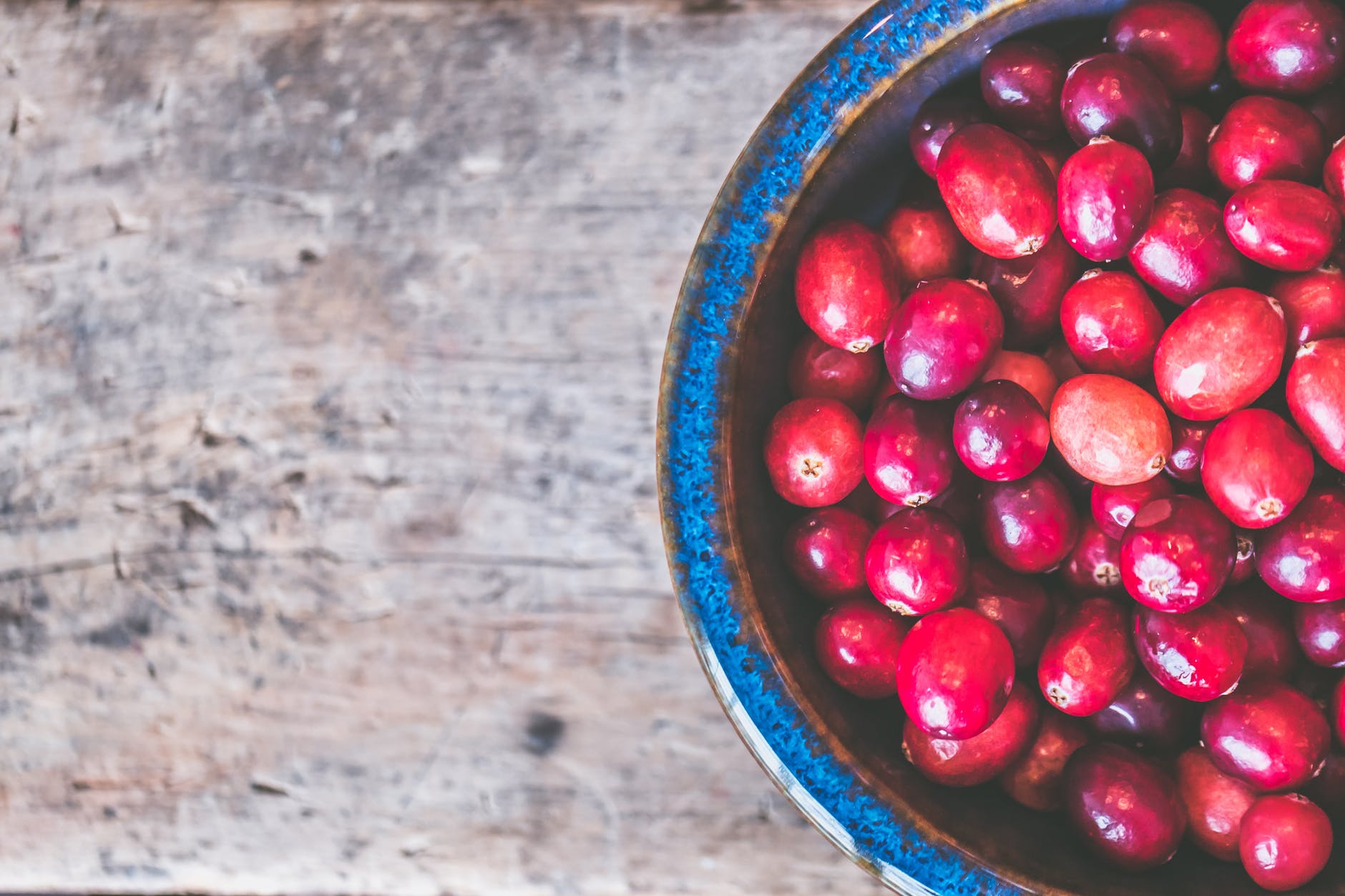
bowl of red round fruits

Many people do look for natural remedies to help with their symptoms.

Anectodally, many patients undergoing radiotherapy have reported that Cranberry Juice has eased their radiation cystitis symptoms.

What is the scientific evidence behind it ?

Should all patients having cystitis symptoms during radiotherapy take cranberry juice?

There is certainly scientific basis to expect benefit from Cranberry Juice.(1).

A lab study and a volunteer study (with volunteers from Japan, Hungary, Spain and France) has shown that certain chemicals in Cranberry can make bacteria ‘less sticky‘ to urinary tract walls and hence potentially reduces virulence of the bacteria.(1). But subsequent large studies have NOT confirmed any large benefit from Cranberry in terms of treating or preventing urinary tract infections. (2)(3).

But Radiation Cystitis is not due to bacterial infections although infections can co-exist sometimes. Hence the use of Cranberry has been studied separately in patients undergoing radiation therapy.

A New Zealand study involved 41 men undergoing radiotherapy for prostate cancer. Taking Cranberry (one capsule a day at breakfast) was found to reduce symptoms of pain and burning. (4).

On the other hand, in a study from Canada involving 112 patients , consumption of Cranberry juice compared with apple juice had no effect on radiation cystitis symptoms. (5).

Another study from United Kingdom was inconclusive because of poor patient recruitment and poor compliance. (6).

So the scientific evidence is inconclusive at present.(7).

Practically, if someone is keen to try it – the best course of action – ( for someone not intolerant of cranberry juice) – is to try it and see whether it offers any symptomatic benefit .

Disclaimer: Please note- This is NOT medical advice. This blog is purely for information only. See your own doctor to discuss options.

There are prescription medications available to help with radiation cystitis symptoms.

References:

1.Dosage effect on uropathogenic Escherichia coli anti-adhesion activity in urine following consumption of cranberry powder standardized for proanthocyanidin content: a multicentric randomized double blind study. BMC Infect Dis. 2010 Apr 14;10:94.

2. BBC News. Does Cranberry juice stop cystitis. By Claudia Hammond. (Accessed 1st Jan 2019).

3. BBC News. Ditch cranberry juice for urine infection . (Accessed 1st Jan 2019).

4.Standardized cranberry capsules for radiation cystitis in prostate cancer patients in New Zealand: a randomized double blinded, placebo controlled pilot study. Support Care Cancer (2015) 23: 95.

5. A Randomised Trial of Cranberry Versus Apple Juice in the Management of Urinary Symptoms During External Beam Radiation Therapy for Prostate Cancer. G.Campbell et al. Clin Oncol (R Coll Radiol). 2003 Sep;15(6):322-8.

6. A Randomised Double-blind Placebo-controlled Trial to Determine the Effect of Cranberry Juice on Decreasing the Incidence of Urinary Symptoms and Urinary Tract Infections in Patients Undergoing Radiotherapy for Cancer of the Bladder or Cervix. Cowan CC, et al. Clin Oncol (R Coll Radiol). 2012.

7.Chemical- and radiation-induced haemorrhagic cystitis: current treatments and challenges. BJU Int. 2013 Nov;112(7):885-97.

Image credit: Photo by Jessica Lewis on Pexels.com