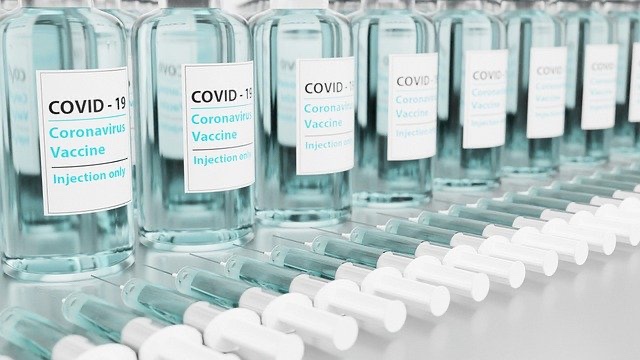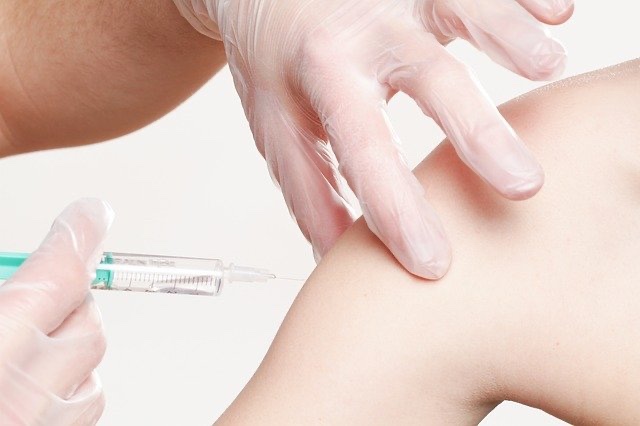
COVID-19: Disease versus Vaccine

Two contrasting news about COVID vaccine and disease recently.

First, a New Zealand woman dies after COVID vaccine. Death was attributed to heart inflammation caused by the vaccine.

Second, a 40 year vaccine-sceptic dies of COVID disease and sadly, leaves behind a pregnant wife.

How to interpret this information?

Remember everyday life is full of risks. Almost nothing is risk free. People balance risks and benefits everyday for most things in life. The same approach should be used for COVID vaccines.

It is understandable that some people are worried about side effects of vaccines. These concerns are REAL There is still lot unknown about long term efficacy and side effects of COVID vaccines.

If you are worried about vaccines and yet to have the vaccine, do note that the available evidence indicates that it is in your interests to have the vaccine.

If you are a vaccine sceptic, do NOT believe everything that is said on social media. Sometimes people put wrong information on social media. Sometimes people post information that is out of context.

What to do?

Ignore information that is not directly relevant to COVID vaccines.

Do NOT mix politics with Vaccines.

Beware that social media can make you paranoid about COVID vaccines.

Read official information. Available scientific evidence now indicates that the benefits of COVID-19 vaccine far outweighs the risks for vast majority of adults.

In particular, if you are above 50 years, do consider having the vaccine as a matter of urgency without further delay.

This is because in England, the Schools and Universities are going to open this month. Data from Scotland shows that COVID cases will spike after schools and Universities open.

Be selfish and do what is right for you and your family. Do not worry about “loss of face” on social media because you have changed your mind about vaccines.

Live to post another day !

Stay safe and be careful even after vaccination. No vaccine give you 100% protection.
References

BBC News. New Zealand woman dies after receiving Pfizer vaccine.

BBC News. Staffordshire Covid sceptic Marcus Birks dies in hospital.

Daily Mail. BBC presenter Lisa Shaw, 44, died due to incredibly rare blood clot complications caused by AstraZeneca covid vaccine three weeks after she had first jab, coroner rules. By Katie Weston and Joe Davies For Mailonline.
11:29, 26 Aug 2021 , updated 13:46, 26 Aug 2021

Daily Mail. Hillsong member, 34, who tweeted ‘got 99 problems but a vax ain’t one’ dies after month-long battle with COVID-19 and final ‘pray for me’ message. By Emily Crane For Dailymail.com
14:17, 23 Jul 2021 , updated 18:41, 23 Jul 2021

Daily Record. Mum-of-three dies after suffering rare reaction to AstraZeneca vaccine
The 47-year-old developed blood clots on her brain – causing a catastrophic stroke – and her fiance Mark Tomlin has now spoken of the devastating impact her death has had on him and five-year-old son Orson.

By Dan Martin Kaitlin Easton
17:46, 27 JUN 2021

MHRA. COVID-19 vaccines: updates for August 2021.

GOV. UK Coronavirus: how to stay safe and help prevent the spread . Last updated
27 August 2021

CDC. Vaccines for COVID-19.

BBC News. Covid in Scotland: Return of schools ‘fuelling’ record case numbers

Disclaimer: Please note – This blog is NOT medical advice. This blog is NOT a expert medical opinion on various topics. This blog is purely for information only and do check the sources where cited. Please DO consult your own doctor to discuss concerns and options relevant to you. The views expressed in this blog are NOT, in way whatsoever, intended to be a substitute for professional advice. The blog is NOT previewed, commissioned or otherwise endorsed, in any way, by any organisation that the author is associated with. The views expressed in this blog likely represents some of the author’s personal views held at the time of drafting the blog and MAY CHANGE overtime, particularly when new evidence comes to light.
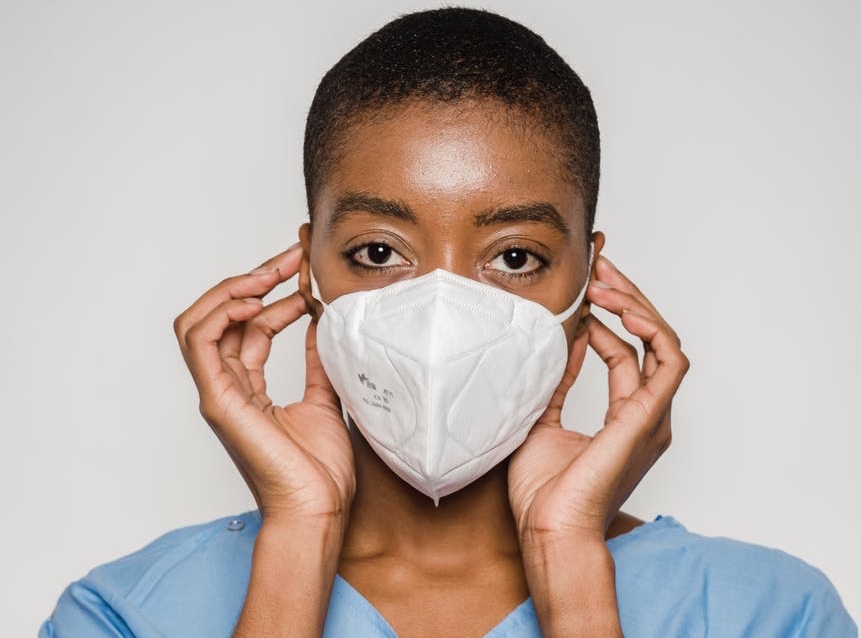

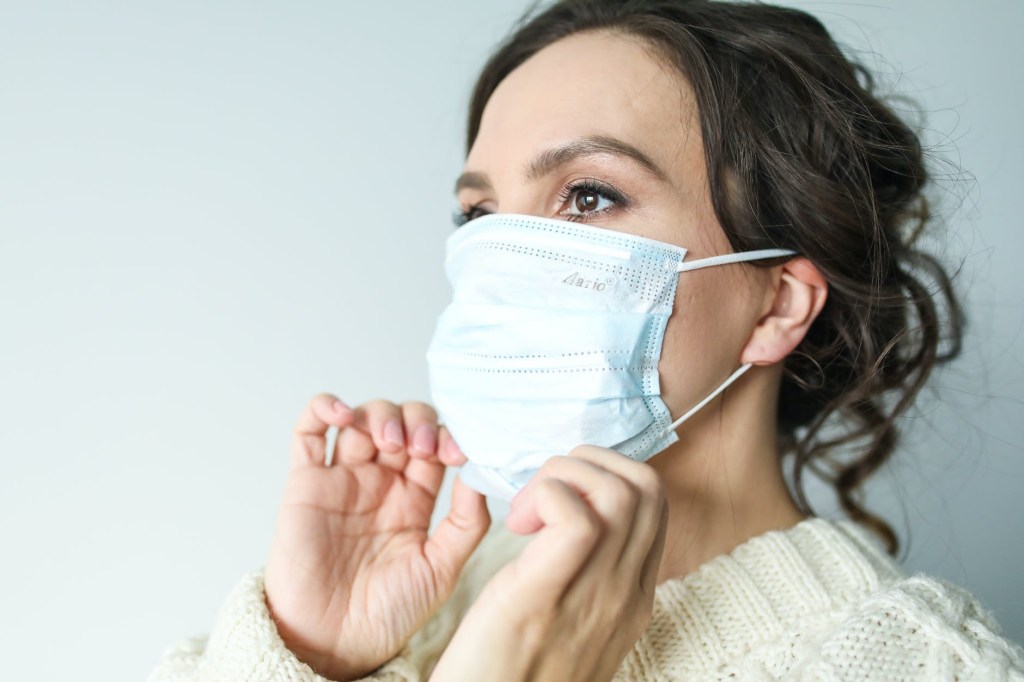
Do face masks prevent COVID illness ?

Yes, good masks may help to reduce infections that are spread by airborne particles.

But not all masks are the same.

Cloth masks were promoted during 2020 when the proper surgical masks were in short supply . The effectiveness of cloth masks are not well studied and they are of varying quality depending who made them and how well they were made.

Properly manufactured surgical masks are better than home made cloth masks. But how much protection they can offer is a matter of scientific debate. Surgical masks have been found to give some protection against other respiratory viruses in past. But a recent Danish study found no significant benefit against COVID among the general public.

The high quality FFP3 masks which filter most of the inhaled air is superior to normal surgical masks. A recent study from Cambridge found that Heath care workers who used FFP3 masks had better protection from COVID compared to normal surgical masks in the Hospital.

Overall, clean, well manufactured masks are likely to of some benefit to the public rather than wearing no masks at all. In the hospital setting, FFP3 masks seem to provide superior protection to Health care staff working with COVID patients.

And most importantly people have to understand that masks are not to be used alone. Masks got to be used along with protective measures such as social distancing and Hand-washing.

References

CLOTH MASKS

BMJ. Covid-19: What is the evidence for cloth masks? BMJ 2020; 369 doi: https://doi.org/10.1136/bmj.m1422 (Published 07 April 2020)
Cite this as: BMJ 2020;369:m1422

DANISH STUDY- SURGICAL MASKS

Effectiveness of Adding a Mask Recommendation to Other Public Health Measures to Prevent SARS-CoV-2 Infection in Danish Mask Wearers : A Randomized Controlled Trial
Henning Bundgaard et al. Ann Intern Med. 2021 Mar.

BMJ. Danish mask study: masks, media, fact checkers, and the interpretation of scientific evidence. BMJ 2020; 371 doi: https://doi.org/10.1136/bmj.m4919 (Published 23 December 2020)
Cite this as: BMJ 2020;371:m4919

BMJ. The curious case of the Danish mask study
BMJ 2020; 371
doi: https://doi.org/10.1136/bmj.m4586 (Published 26 November 2020)
Cite this as: BMJ 2020;371:m4586

Daily Mail. Face masks do NOT protect the wearer from coronavirus, but will stop them from infecting other people, Danish study finds. By Mary Kekatos Senior Health Reporter For Dailymail.com and Reuters
15:26, 18 Nov 2020 , updated 18:02, 20 Nov 2020

Spectator (magazine) https://www.spectator.co.uk/article/do-masks-stop-the-spread-of-covid-19-

Full fact.org. Danish study on mask efficacy only tells us half the story. 24 NOVEMBER 2020

Forbes. Lead Researcher Behind Controversial Danish Study Says You Should Still Wear A Mask
Leah Rosenbaum. Forbes Staff 18 Nov 2020. Critics of mask-wearing policies used a Danishstudy on mask-wearing to bolster their claims such policies are ineffective, but scientists, including those involved with the study, disagree.

JAMA Insights
February 10, 2021
Effectiveness of Mask Wearing to Control Community Spread of SARS-CoV-2
John T. Brooks, MD1; Jay C. Butler, MD1
Author Affiliations
JAMA. 2021;325(10):998-999. doi:10.1001/jama.2021.1505

CAMBRIDGE REPORT ON HIGH QUALITY MASKS

BMJ. Covid-19: Upgrading to FFP3 respirators cuts infection risk, research finds
BMJ 2021; 373 doi: https://doi.org/10.1136/bmj.n1663 (Published 29 June 2021)
Cite this as: BMJ 2021;373:n1663. https://www.bmj.com/content/373/bmj.n1663

BBC news. Covid: Masks upgrade cuts infection risk, research finds
By David Shukman
Science editor

Guardian. Cambridge hospital’s mask upgrade appears to eliminate Covid risk to staff
Hospital infection study shows use of FFP3 respirators at Addenbrooke’s ‘may have cut ward-based infection to zero’
Nicola Davis and Denis Campbell
Tue 29 Jun 2021 10.49 BST

Disclaimer: Please note- This blog is NOT medical advice. This blog is NOT a expert medical opinion on various topics. This blog is purely for information only and do check the sources where cited. Please DO consult your own doctor to discuss concerns and options relevant to you. The views expressed in this blog represent the author’s views held at the time of drafting the blog and may change overtime, particularly when new evidence comes to light. The blog is not previewed, commissioned or otherwise endorsed by any organisation that the author is associated with. The views expressed in this blog are not, in way whatsoever, intended to be a substitute for professional advice.

Should we continue to wear masks and be cautious in public places after July 19th ?

Yes, we should be cautious after the freedom day on July 19th and this is for the following reasons.

1. Vaccines are highly effective but they are NOT 100% effective.

2. Two doses are needed for full protection. Even though, more than two third of adults have had atleast one vaccine, only about half the U.K. population had double vaccination so far.

3. Vaccine Protection against New COVID variants may NOT be as good as it is now. For instance , vaccines are slightly less effective against the delta variant particularly after first dose.

4. Vaccine protection may decrease over time and Vaccines may not give the same level of protection as months pass by.

4. Being cautious now, may helps us to avoid lockdowns during Autumn and would help to save Christmas !

Of course, some people may feel strongly against any compulsory restrictions and hence it should not be made compulsory.

People, who are comfortable at being cautious, can try to wear masks and practice as much social distancing as possible in public places.

References

BBC News. Covid-19: End of England’s Covid rules still set for 19 July
By Hazel Shearing
BBC News

Daily Mail. Freedom Day ‘will see virtually ALL Covid curbs axed’: Ministers prepare full unlocking on July 19 with masks, social distancing and work from home advice dropped to save shattered businesses – but date will NOT be brought forward. By James Tapsfield, Political Editor For Mailonline
08:29, 23 Jun 2021 , updated 14:52, 23 Jun 2021

Daily Mail. Now Jacob Rees-Mogg joins the calls to DITCH masks as soon as restrictions are lifted: Three Cabinet members break ranks to urge PM to ditch face coverings amid calls for clarity. By Jack Maidment, Deputy Political Editor For Mailonline and James Tapsfield Political Editor For Mailonline
17:40, 24 Jun 2021 , updated 19:56, 24 Jun 2021

Guardian. Vaccines are not magic bullets – we’ll still have to take precautions
Zania Stamataki
To make the most of England’s vaccination rollout we may need to keep wearing masks even after restrictions are lifted
Dr Zania Sta. Tue 22 Jun 2021 06.00 BST

Public Health England. Press release
Vaccines highly effective against hospitalisation from Delta variant
New analysis by PHE shows for the first time that 2 doses of COVID-19 vaccines are highly effective against hospitalisation from the Delta (B.1.617.2) variant. Published 14 June 2021

Public Health England (page 39).
Investigation of SARS-CoV-2 variants of concern: technical briefings
Technical briefing documents on novel SARS-CoV-2 variants.
Last updated
25 June 2021

European Centre for Disease Prevention and Control. Immune responses and immunity to SARS-CoV-2.
(last update 18 May 2021)

Disclaimer: Please note- This blog is NOT medical advice. This blog is NOT a expert medical opinion on various topics. This blog is purely for information only and do check the sources where cited. Please DO consult your own doctor to discuss concerns and options relevant to you. The views expressed in this blog represent the author’s views held at the time of drafting the blog and may change overtime, particularly when new evidence comes to light. The blog is not previewed, commissioned or otherwise endorsed by any organisation that the author is associated with. The views expressed in this blog are not, in way whatsoever, intended to be a substitute for professional advice.
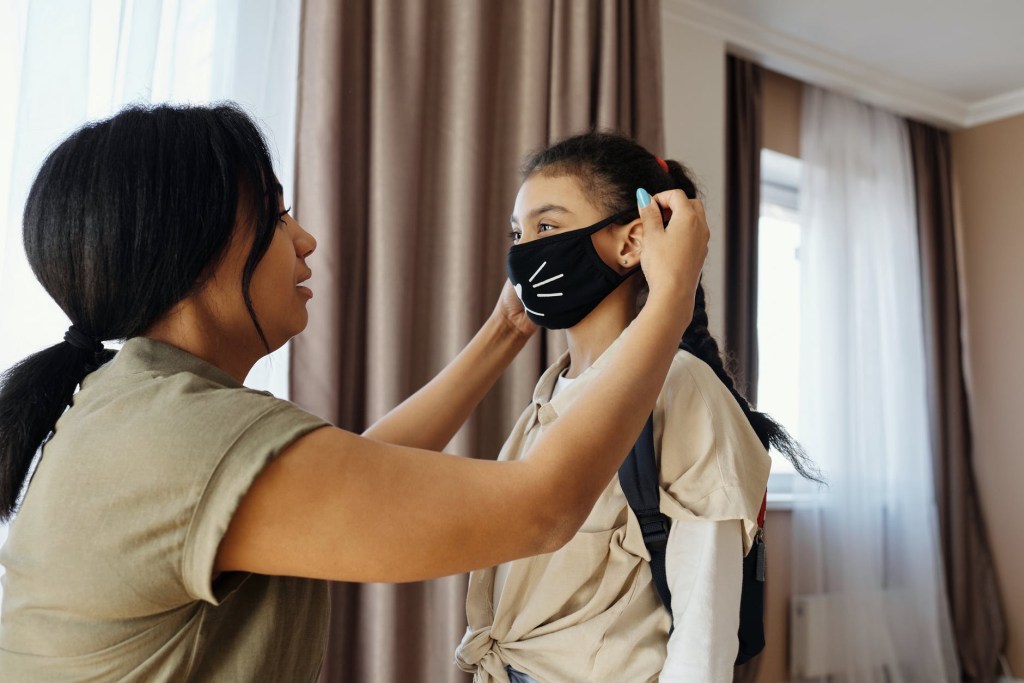
Have People died after COVID-19 vaccines ?

Yes, people have died after having COVID-19 vaccines.

Recently, a BBC Radio Newcastle presenter, Lisa Shaw was reported to have died after the Astra Zeneca COVID vaccine. Her family is blaming the COVID vaccine for causing clots and ultimately her death.

In India, a Popular Tamil actor and comedian died within 48 hours of receiving a COVID vaccine. His vaccination was broadcast live on TV to encourage public uptake of vaccination but his unfortunate death after vaccination probably ended up causing vaccine hesitancy in some people.

A news article in BMJ reports that the “Pfizer-covid-19 vaccine is “likely” to have been responsible for at least 10 deaths of frail elderly people in nursing homes in Norway”.

But, the most important thing to remember is that deaths are rare after COVID-19 vaccines.

Yes, there are true distressing accounts of vaccine side effects. But what you do not hear is the benefit most people have from vaccines.

Millions of people received vaccines so far with vast majority having no major side effects.

Consider this for context. Think about plane accidents. Millions of people travel by plane without any problems. If People fly safely and reach their destination, it is not headline news. People do not go around saying that they have traveled safely by plane and that they are alive !

But a aeroplane accident which happens rarely is front page news. It would be all over the 24 hour TV news channels across the world. Plane accidents are utterly and unimaginably devastating for those individuals and families involved. But the rare plane accidents do not make most other people avoid flying. The accidents do not mean that no one should travel by plane. The travel by planes has far more benefits than risks for majority of population.

Same with COVID vaccines. Serous Side effects are headline news even if they are very uncommon and rare. The available data indicate benefits are much greater than risks.

So think carefully before you refuse a vaccine.

References

Guardian. Lisa Shaw death: BBC presenter had blood clots after AstraZeneca jab, family says
(Radio Newcastle broadcaster had severe headaches a week after vaccine and fell seriously ill days later, relatives say).
Lisa Shaw
Lucy Campbell
Thu 27 May 2021 18.36 BST

BMJ. News. Covid-19: Pfizer-BioNTech vaccine is “likely” responsible for deaths of some elderly patients, Norwegian review finds
BMJ 2021; 373 doi: https://doi.org/10.1136/bmj.n1372 (Published 27 May 2021)
Cite this as: BMJ 2021;373:n1372

BMJ. Research. Effectiveness of the Pfizer-BioNTech and Oxford-AstraZeneca vaccines on covid-19 related symptoms, hospital admissions, and mortality in older adults in England: test negative case-control study
BMJ 2021; 373 doi: https://doi.org/10.1136/bmj.n1088 (Published 13 May 2021)
Cite this as: BMJ 2021;373:n1088

BMJ. News. Covid-19: Risk of cerebral blood clots from disease is 10 times that from vaccination, study finds
BMJ 2021; 373 doi: https://doi.org/10.1136/bmj.n1005 (Published 16 April 2021)
Cite this as: BMJ 2021;373:n1005

Disclaimer: Please note- This blog is NOT medical advice. This blog is NOT a expert medical opinion on various topics. This blog is purely for information only and do check the sources where cited. Please DO consult your own doctor to discuss concerns and options relevant to you. The views expressed in this blog represent the author’s views held at the time of drafting the blog and may change overtime, particularly when new evidence comes to light. The blog is not previewed, commissioned or otherwise endorsed by any organisation that the author is associated with. The views expressed in this blog are not, in way whatsoever, intended to be a substitute for professional advice.

Vaccine Hesitancy

Worries about vaccines are nothing new. Anti_vaccination groups were formed in 1860s when small pox vaccination was made compulsory. Even when small pox was causing untold devastation, some people were opposed to it.

The Vaccine hesitancy of 19th century is somewhat excusable. Some of the worries were real, and not much was known about the safety of small pox vaccine at that time. Lot of people were ill-informed and did not have access to good sources of information. They didn’t know the immense potential of the vaccination to eliminate distressing diseases.

Vaccines have now successfully eradicated small pox. Many other devastating infectious diseases such as polio have been controlled in many countries across the globe due to the vaccines.

Some of the vaccine hesitancy in west is because western people are not fully aware of the devastating power of infectious diseases (at least until COVID-19 came to the world in 2020).

Vaccine hesitancy is also sustained by “confirmation bias” . Confirmation bias is the tendency of human beings to seek information that confirms what they believe in. If you distrust vaccines, you go looking for information that confirms you beliefs and you disregard information that proves vaccines are hugely beneficial.

Some people wish for a 100% safe vaccine. But there is no such thing as completely risk free vaccine. It is true Vaccines can cause serious side effects. It is true that Vaccines can cause long term side effects. It is true that Vaccines can rarely cause life threatening side effects and even deaths.

It is normal to worry about side effects of vaccines. But the potential for side effects should not be the reason to decline vaccination.

One has to look at benefits as well as risks. Some people focus on everything bad that can happen as a result of vaccines.

COVID-19 vaccines had an unusually short development period. This is because of the pandemic. The available evidence indicate that the benefits of the vaccines are far greater than risks. It is true that there is no long term safety data. But in the middle of a pandemic, which has caused untold misery to millions, waiting for perfect long term data is not an option.

If you are sceptical about vaccines, please do focus on benefits as well as risks. Do not focus on risks only.

References

BMJ. Practice Pointer. Covid-19 vaccination hesitancy. BMJ 2021; 373 doi: https://doi.org/10.1136/bmj.n1138 (Published 20 May 2021)
Cite this as: BMJ 2021;373:n1138

BMJ. News. Covid-19: Pfizer-BioNTech vaccine is “likely” responsible for deaths of some elderly patients, Norwegian review finds.
BMJ 2021; 373 doi: https://doi.org/10.1136/bmj.n1372 (Published 27 May 2021)
Cite this as: BMJ 2021;373:n1372

Disclaimer: Please note- This blog is NOT medical advice. This blog is NOT a expert medical opinion on various topics. This blog is purely for information only and do check the sources where cited. Please DO consult your own doctor to discuss concerns and options relevant to you. The views expressed in this blog represent the author’s views held at the time of drafting the blog and may change overtime, particularly when new evidence comes to light. The blog is not previewed, commissioned or otherwise endorsed by any organisation that the author is associated with. The views expressed in this blog are not, in way whatsoever, intended to be a substitute for professional advice.
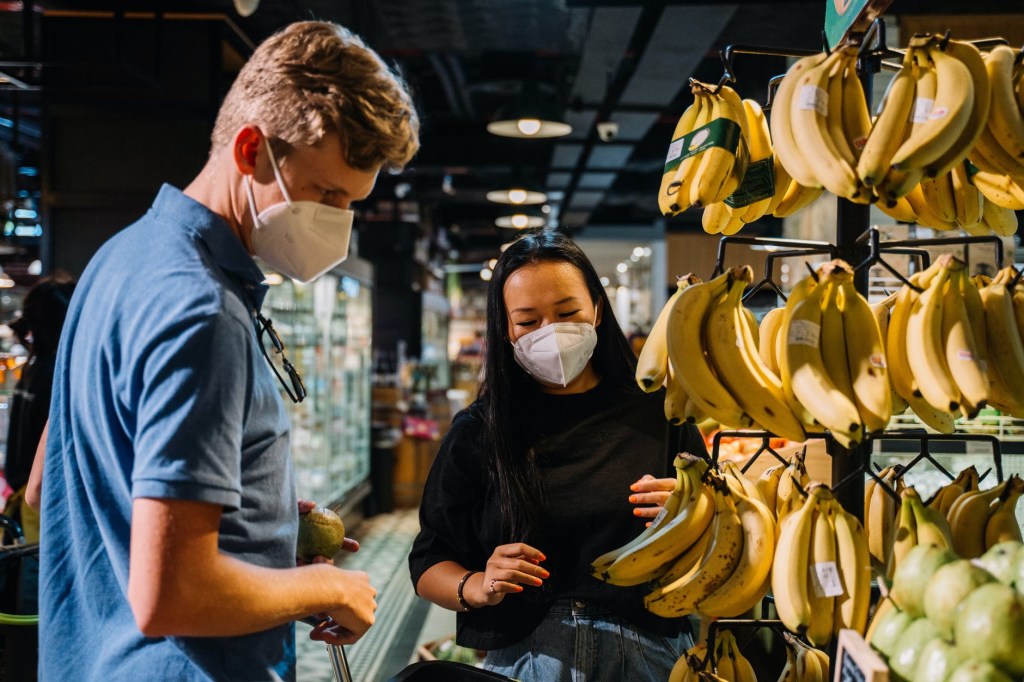
Here we go again – another new variant that can derail the plans to return to normality in U.K.

The UK is coming out of lockdown and the infection rates, hospital admissions and deaths are reassuringly low.

The vaccination rates are rapidly going up and understandably many people are hoping for some sort of normality very soon.

But a new variant has been detected across the country. The scientists are worried about this new variant of coronavirus- called India variant. This variant can derail government plans in UK.

The current vaccines seem to offer somewhat less protection against this new variant . If this variant takes a strong foothold in UK , then we have to wait a bit longer for normality.

References:

Guardian: India Covid variant: is it a threat to the UK’s reopening plans?
Ian Sample Science editor
@iansample
Thu 13 May 2021 15.35 BST

BBC. Covid: Three cases of Indian variant found in Leicester
Published 28 April.

BBC. Covid: Targeted testing in Nottingham after Indian variant rise. 11 May.

BBC. Covid: Boris Johnson ‘anxious’ about Indian variant
By Hazel Shearing & Joseph Lee
BBC News. 13 May.

BBC. Covid vaccine: How many people in the UK have been vaccinated so far?
By The Visual and Data Journalism Team
BBC News

Disclaimer: Please note- This blog is NOT medical advice. This blog is NOT a expert medical opinion on various topics. This blog is purely for information only and do check the the sources where cited. Please DO consult your own doctor to discuss concerns and options relevant to you. The views expressed in this blog represent the author’s views held at the time of drafting the blog and may change overtime, particularly when new evidence comes to light. The blog is not previewed, commissioned or otherwise endorsed by any organisation the author is associated with. The views expressed in this blog are not in way intended to be a substitute for professional advice.
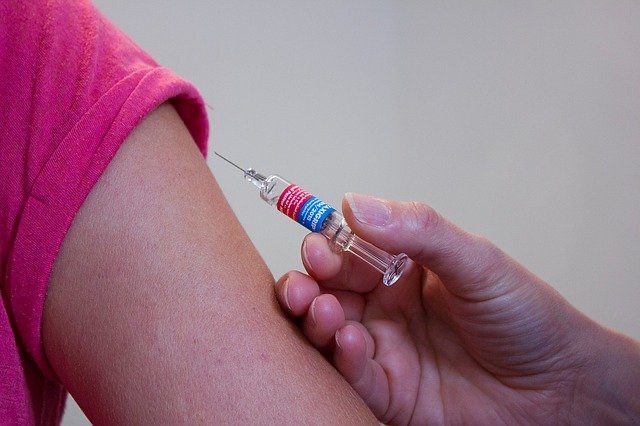
Can you get COVID-19 infection just by “Talking” to an infected person for a few minutes?

Yes, you can.

You don’t need to be exposed to an infected person who is coughing, sneezing and spluttering to get the infection.

Merely talking to an infected person can make you catch the coronavirus infection particularly if you are very close to the person with infection and not wearing a mask in an indoor setting with poor ventilation.

Remember, Even Vaccines don’t have 100% protection.

Remember to maintain Space and Wear a Face Mask

References

Guardian. Talking can spread Covid as much as coughing, says research.
Tiny aerosols of the virus emitted when speaking linger in air for longer than larger droplets from a cough.
Nicola Davis Science correspondent
@NicolaKSDavis
Wed 20 Jan 2021 00.01 GMT

Journal Proceedings of the Royal Society A. Evolution of spray and aerosol from respiratory releases: theoretical estimates for insight on viral transmission. P. M. de Oliveira , L. C. C. Mesquita , S. Gkantonas , A. Giusti and E. Mastorakos. Published:20 January 2021. https://doi.org/10.1098/rspa.2020.0584

Guardian. Single Covid vaccine dose in Israel ‘less effective than we thought’.
Peter Beaumont
Tue 19 Jan 2021 16.53 GMT

Telegraph: UK to ‘look carefully’ at claims vaccine efficacy in Israel has dropped to 33 per cent with one dose.
Israel’s vaccine tsar says single Pfizer dose appears ‘less effective than we had thought’ as scientists demand evidence is published
By
Sarah Knapton,
SCIENCE EDITOR
20 January 2021 • 1:46pm

Daily Mail: Israel is STILL waiting for its world-beating vaccination drive to kick in as cases and hospitalisations soar higher than ever despite vaccine stopping 50% of new Covid infections. By Chris Jewers For Mailonline11:20, 14 Jan 2021 , updated 18:04, 14 Jan 2021

Disclaimer: Please note- This blog is NOT medical advice. This blog is NOT a expert medical opinion on various topics. This blog is purely for information only and do check the the sources where cited. Please DO consult your own doctor to discuss concerns and options relevant to you.

The views expressed in this blog represent the author’s views held at the time of drafting the blog and may change overtime, particularly when new evidence comes to light. The blog is not necessarily endorsed by any organisation the author is associated with and the authors views are not in way intended to be a substitute for professional advice.
Covid-19: Can you catch the coronavirus while exercising outdoors?

Yes, you can.

But the risk depends on how long and how close you have been in touch with an infected person.

Momentarily passing someone while jogging is extremely unlikely to lead to an infection.

But face to face contact lasting many minutes with a friend or someone who is infected can lead to an infection.

There is a good article on how BBC website.

References:

BBC. Covid-19: Can you catch the virus outside?https://www.bbc.com/news/explainers-55680305
By David Shukman. Science editor.

Mayo Clinic. Safe outdoor activities during the COVID-19 pandemic. By Mayo Clinic Staff.

Imperial. Airborne transmission of COVID-19 carrier particles during exercise.

UK. Ministry of Housing, Communities &
Local Government. Guidance. COVID-19: Guidance for managing playgrounds and outdoor gyms. Updated 6 January 2021

Disclaimer: Please note- This blog is NOT medical advice. This blog is NOT a expert medical opinion on various topics. This blog is purely for information only and do check the the sources where cited. Please DO consult your own doctor to discuss concerns and options relevant to you.

The views expressed in this blog represent the author’s views held at the time of drafting the blog and may change overtime, particularly when new evidence comes to light. The blog is not necessarily endorsed by any organisation the author is associated with and the authors views are not in way intended to be a substitute for professional advice.