Does exercise help the brain ?

Yes, moderate and vigorous physical activity helps the brain to stay sharp.

A large study looked at people born across England, Scotland and Wales in 1970 and followed-up throughout childhood and adulthood

A report of the study with 4481participants (52% female) found that moderate and vigorous physical activity helps cognition compared to light intensity physical activity.

But a word of caution though !

People with sedentary behaviour in this study had better brain sharpness than doing light intensity physical activity !

It seems bizarre to suggest Sedentary activities are good for brain !

We don’t know why this study showed this particularly unexpected finding. It could be that the study missed to collect some important information that influences brain.

This fact about sedentary behaviour is counterintuitive but science does sometimes show unexpected results. Sometimes unexpected findings are true and Sometimes they are false due to data collection issues or convoluted statistical tests.

That’s why it is important that information from multiple studies is taken together rather than relying on one study to make any scientific conclusion on any topic !

References

Exploring the associations of daily movement behaviours and mid-life cognition: a compositional analysis of the 1970 British Cohort Study.

Minerva. BMJ. Physical activity and cognition in middle age.

Disclaimer: Please note – This blog is NOT medical advice. This blog is NOT a expert medical opinion on various topics. This blog is purely for information only and do check the sources where cited. Please DO consult your own doctor to discuss concerns and options relevant to you. The views expressed in this blog are NOT, in any way whatsoever, intended to be a substitute for professional advice. The blog is NOT previewed, commissioned or otherwise endorsed, in any way, by any organisation that the author is associated with. The views expressed in this blog likely represents some of the author’s personal views held at the time of drafting the blog and MAY CHANGE overtime, particularly when new evidence comes to light.
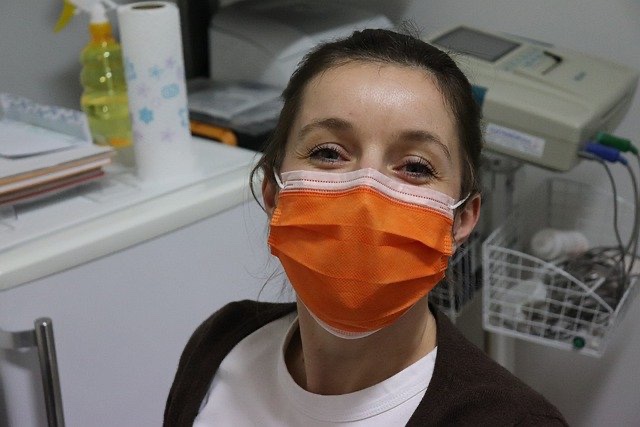

Are many NHS staff reluctant to have COVID-19 vaccines?

No !

Vast majority of health care workers already had the COVID vaccine. Only a small minority have vaccine hestitancy.

A recent study found that about 90% of staff had at least one dose of the vaccine within 2 months of vaccine roll out. That is very impressive.

This study ( published in Lancet Journal) found that vaccines are very effective in reducing infections.

But the study also showed what we know already. Vaccination does not give 100% protection.

Everyone, in particular, health care staff need to continue with other COVID precautions such as masks, distancing and regular washing as advised by Government.

Reference: COVID-19 vaccine coverage in health-care workers in England and effectiveness of BNT162b2 mRNA vaccine against infection (SIREN): a prospective, multicentre, cohort study. Published:April 23, 2021 DOI: https://doi.org/10.1016/S0140-6736(21)00790-X

Disclaimer: Please note- This blog is NOT medical advice. This blog is NOT a expert medical opinion on various topics. This blog is purely for information only and do check the sources where cited. Please DO consult your own doctor to discuss concerns and options relevant to you. The views expressed in this blog represent the author’s views held at the time of drafting the blog and may change overtime, particularly when new evidence comes to light. The blog is not previewed, commissioned or otherwise endorsed by any organisation that the author is associated with. The views expressed in this blog are not, in way whatsoever, intended to be a substitute for professional advice.

Should chemotherapy be used before radiotherpy for bladder cancer?

Yes, chemotherapy given before surgery or radiotherapy for invasive bladder cancer improves cure rates and survival rates.

But there is also strong U.K. data to show that Chemotherapy given along with Radiotherapy is useful because it makes radiotherapy work better .

Should chemotherapy be given before radiotherapy and then followed by more chemotherapy along with radiotherapy ?

There is lot of scientific debate on this question and well known U.K. experts are favouring this “double chemo” approach in-spite of inconclusive new data published in the European Urology journal.

The NICE guidelines on bladder cancer also favours this approach of “double” chemotherapy ( before as well as along radiotherapy).

It is a question that ideally needs to addressed in clinical trials .

Read my views expressed in a letter published in the Journal European Urology

Reference: Re: Syed A. Hussain,
Nuria Porta, Emma Hall, et al. Outcomes in Patients with Muscle-invasive Bladder Cancer Treated with Neoadjuvant Chemotherapy
Followed by (Chemo)radiotherapy in the BC2001 Trial. Eur Urol 2021;79:307–15

Disclaimer: Please note- This blog is NOT medical advice. This blog is NOT a expert medical opinion on various topics. This blog is purely for information only and do check the sources where cited. Please DO consult your own doctor to discuss concerns and options relevant to you. The views expressed in this blog represent the author’s views held at the time of drafting the blog and may change overtime, particularly when new evidence comes to light. The blog is not previewed, commissioned or otherwise endorsed by any organisation that the author is associated with. The views expressed in this blog are not, in way whatsoever, intended to be a substitute for professional advice.
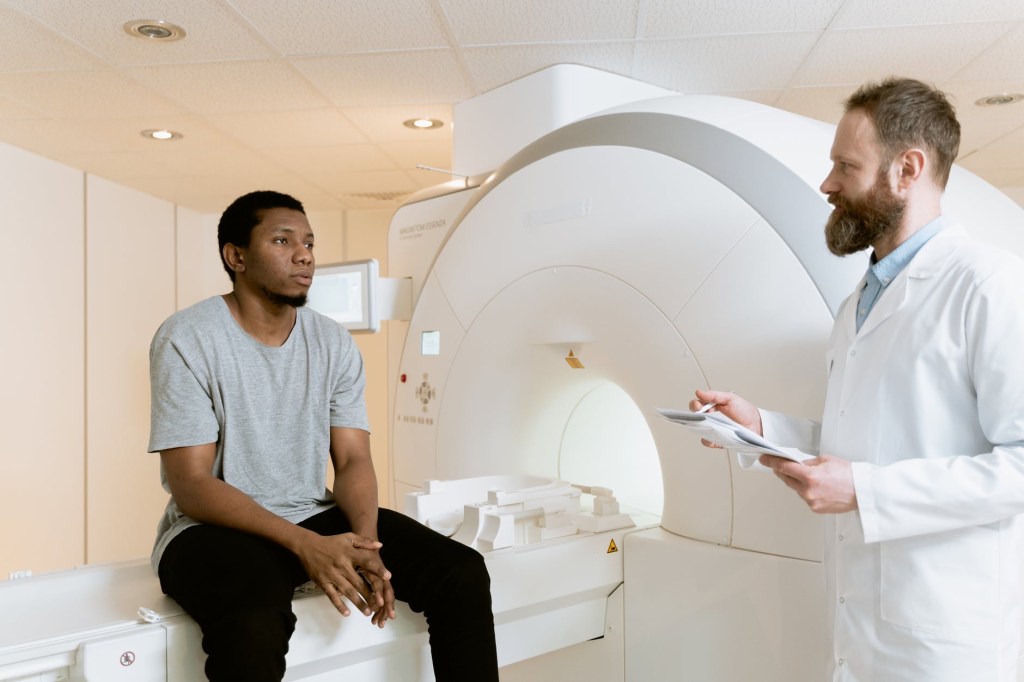
Can someone die due to COVID-19 infection even after having the full course of protective vaccination?

Yes, rarely it can happen.

COVID vaccines are very highly effective in preventing serious infections that would result in hospitalisation. Even a single dose of the vaccine has very good efficacy.

But vaccines are not 100% effective.

So until the pandemic is under full control, older adults, particularly those over 60 years, should be cautious even after full vaccination.

It also has to be said that the risk is dramatically small after full vaccination. Only a tiny minority of people get serious COVID-19 infection after full vaccination.

In USA, about 5800 “breakthrough” COVID-19 infections has been reported so far among the roughly 77 million people who had been fully vaccinated. That’s less than 0.008% cases.

A much more smaller minority among this minority group had serious infections. Among the 5800 cases, 396 patients were admitted to hospital and 74 patients died from COVID-19. That’s less than 0.0001% deaths.

So unless new viral mutations dramatically reduce vaccine efficacy, it looks very promising.

References:

1. BMJ News. Covid-19: Infections fell by 65% after first dose of AstraZeneca or Pfizer vaccine, data show BMJ 2021; 373 doi: https://doi.org/10.1136/bmj.n1068 (Published 23 April 2021)
Cite this as: BMJ 2021;373:n1068

2. BMJ news. Covid-19: US reports low rate of new infections in people already vaccinated
BMJ 2021; 373 doi: https://doi.org/10.1136/bmj.n1000 (Published 16 April 2021)
Cite this as: BMJ 2021;373:n1000

3. Sun News. DOUBLE TROUBLE ‘Concerning’ Indian Covid variant now in UK has two ‘escape mutations’ that could dodge antibodies
Vanessa Chalmers, Digital Health Reporter
12:22, 16 Apr 2021Updated: 12:25, 16 Apr 2021

4. BBC news. Coronavirus: ‘Double mutant’ Covid variant found in India. Published 25 March

5. Daily Mail. Could the Indian ‘double mutant’ coronavirus derail Britain’s roadmap out of lockdown? Experts warn variant could ‘scupper our escape plan’ and urge Boris to put country on red list. By James Robinson for MailOnline
01:49, 17 Apr 2021 , updated 11:08, 17 Apr 2021

Disclaimer: Please note- This blog is NOT medical advice. This blog is NOT a expert medical opinion on various topics. This blog is purely for information only and do check the the sources where cited. Please DO consult your own doctor to discuss concerns and options relevant to you. The views expressed in this blog represent the author’s views held at the time of drafting the blog and may change overtime, particularly when new evidence comes to light. The blog is not previewed, commissioned or otherwise endorsed by any organisation the author is associated with. The views expressed in this blog are not in way intended to be a substitute for professional advice.

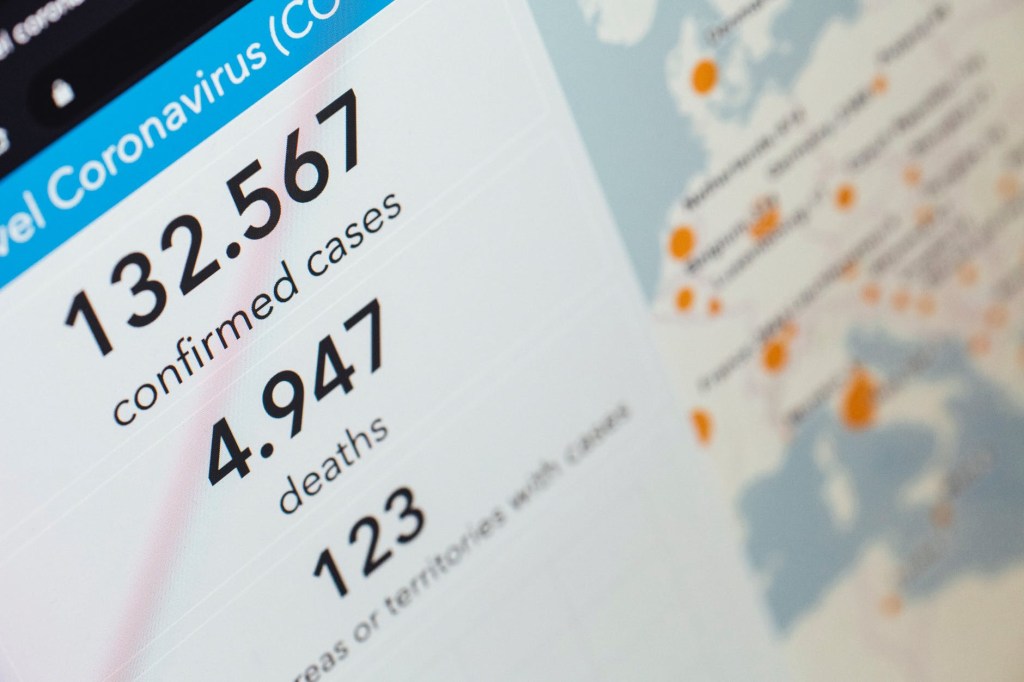
Where can you find official data and statistics on Coronavirus infection?

The official UK Government website for data and insights on Coronavirus (COVID-19).

WHO Dashboard

Worldwide data – John Hopkins university dashboard is perhaps more widely used and quoted.

https://covid19.who.int

https://coronavirus.data.gov.uk

https://coronavirus.jhu.edu/map.html

Disclaimer: Please note- This blog is NOT medical advice. This blog is NOT a expert medical opinion on various topics. This blog is purely for information only and do check the the sources where cited. Please DO consult your own doctor to discuss concerns and options relevant to you.

The views expressed in this blog represent the author’s views held at the time of drafting the blog and may change overtime, particularly when new evidence comes to light. The blog is not necessarily endorsed by any organisation the author is associated with and the authors views are not in way intended to be a substitute for professional advice.