
Is it useful to monitor for cancer recurrence after treatment for bowel cancer ?

No; unfortunately routine tests not useful to prolong life.

Logic dictates that early detection of bowel cancer recurrence would lead to prompt treatment and prolong life.

But cancer doesn’t do logic !

A large trial looked at usefulness of routine blood tests and scans for early diagnosis of cancer recurrence in bowel cancer patients.

The trial found that blood tests and scans were useful to diagnose recurrence early; but this early detection of recurrence ultimately did NOT improve life expectancy.

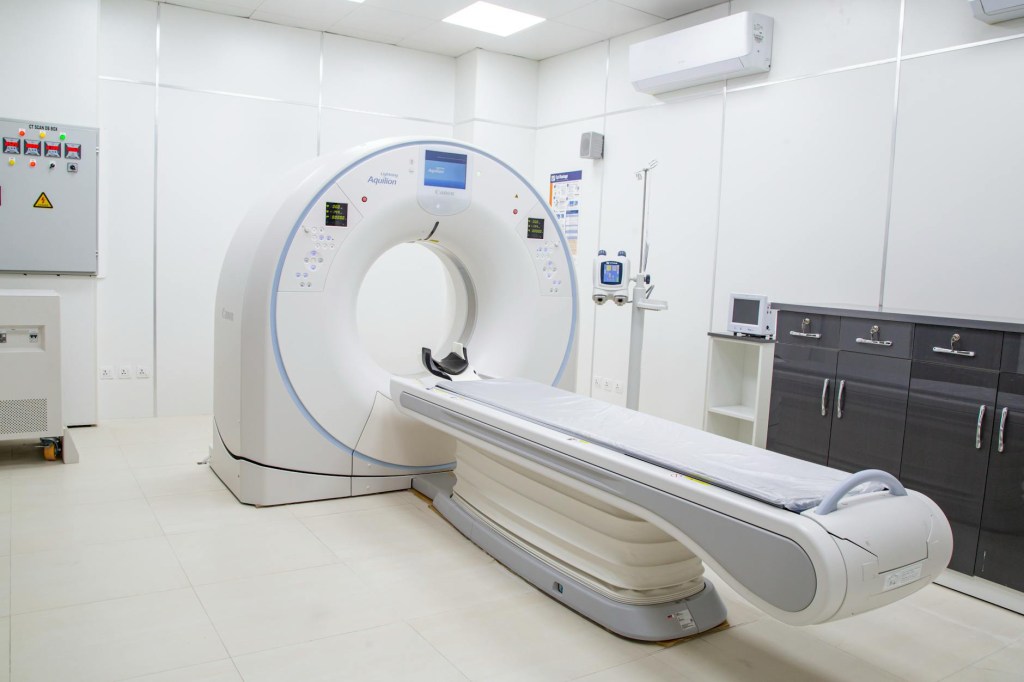
The study used tumour markers in blood [carcinoembryonic antigen CEA ] and Scans [computed tomography CT-scans] during the 5 years after surgery for bowel cancer.

Extra scans and bloods are NOT always useful.

References

  1. ESMO CEA and/or CT-scan Surveillance After Curative Surgery for Patients with Stage II or III CRC Does Not Provide Any Benefit in 5-year OS.
  2. Lepage C, Phelip J-M, Cany L, et al. for PRODIGE 13 investigators/Collaborators. Effect of 5 years of CT-scan and CEA follow-up on survival endpoints in patients with colorectal cancer . Annals of Oncology; Published online 17 September 2025. DOI: https://doi.org/10.1016/j.annonc.2025.09.004
Disclaimer: Please note – This blog is NOT medical advice. This blog is NOT a expert medical opinion on various topics. This blog is purely for information research only and do check the sources where cited. Please DO consult your own doctor to discuss concerns and options, which are relevant and specific to you. The views expressed in this blog are NOT, in any way whatsoever, intended to be a substitute for professional advice. The blog is NOT previewed, commissioned or otherwise endorsed, in any way, by any organisation that the author is associated with. The views expressed in this blog likely represents some of the author’s personal views held at the time of drafting the blog and MAY CHANGE overtime, particularly when new evidence comes to light.

Prostate cancer : Surgery versus Radiotherapy

The question of whether to chose surgery or radiotherapy is a difficult decision for most patients with early prostate cancer.

Adding to this confusion is the option of wait and watch policy followed by delayed treatment (if needed) as supported by PROTECT trial.

A high quality UK trial called PACE-A compared surgery versus Radiation in men with low- to intermediate-risk localised prostate cancer.

At 2 years , the study found more people in surgery group reported using more urinary pads and also more sexual problems than radiotherapy group. But the surgery group reported fewer bowel problems than radiotherapy group.

At present, efficacy is expected to be equivalent between two modalities and long term results in term of efficacy is eagerly awaited

Further more, long term data needed in terms of toxicity . This is because some surgery related side effects tend to remain stable whereas some radiotherapy side effects can increase over time. Particularly relevant is the risk of radiation induced cancers can increase over time time . This would be relevant for slightly younger people (eg 60s) who have longer life expectancy compared to elderly people ( eg 80s) .

Also radiation could be used as salvage therapy ( kept as reserve just in case if cancer comes back after surgery ). Whereas if radiation is given upfront, then surgery as second option is usually not a viable option. The caveat is the most intermediate risk cancer patients do not have a relapse after 1st line therapy.

Reference

European Urology Journal: Radical Prostatectomy Versus Stereotactic Radiotherapy for Clinically Localised Prostate Cancer: Results of the PACE-A Randomised Trial.

NEJM Protect trial . Fifteen-Year Outcomes after Monitoring, Surgery, or Radiotherapy for Prostate Cancer.

Disclaimer: Please note – This blog is NOT medical advice. This blog is NOT a expert medical opinion on various topics. This blog is purely for information only and do check the sources where cited. Please DO consult your own doctor to discuss concerns and options relevant to you. The views expressed in this blog are NOT, in any way whatsoever, intended to be a substitute for professional advice. The blog is NOT previewed, commissioned or otherwise endorsed, in any way, by any organisation that the author is associated with. The views expressed in this blog likely represents some of the author’s personal views held at the time of drafting the blog and MAY CHANGE overtime, particularly when new evidence comes to light.