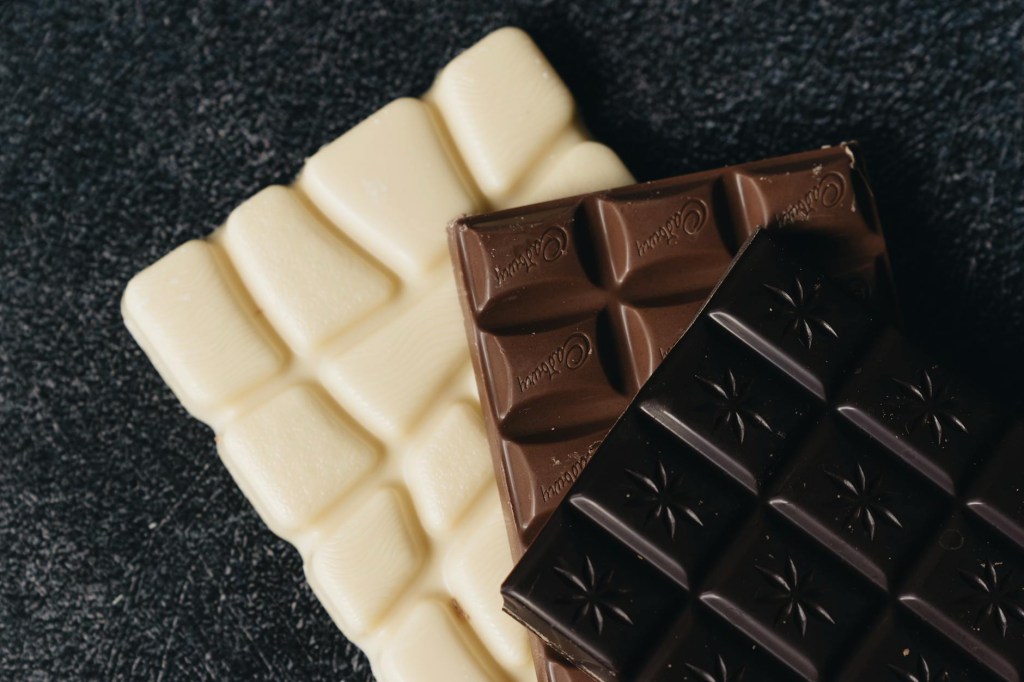
Is dark chocolate good for You ?

Is dark chocolate good?

And is milk chocolate bad?

The answer to both the question is YES.

A recent paper published in British Medical Journal (BMJ) found that “people who consumed ≥5 servings/week of dark chocolate showed a significantly LOWER risk of developing diabetes”.

The study also found that eating milk-chocolate was bad. Milk-chocolate was associated with weight gain, which is not surprising to everyone.

Any study relating to “health benefits of food and drinks” always needs a healthy dose of scepticism because of commercial industry.

But the beneficial effect of dark chocolate found in this study aligns with previous findings and more research is, of course, needed to clarify and define the mechanisms involved.

So add more dark chocolate to the Christmas hampers !

Share your dark chocolate with colleagues and spread the good will !

References

BMJ 2024: Chocolate intake and risk of type 2 diabetes: prospective cohort studies. BMJ 2024; 387 doi: https://doi.org/10.1136/bmj-2023-078386 (Published 04 December 2024). BMJ 2024;387:e078386

BMJ 2012: The effectiveness and cost effectiveness of dark chocolate consumption as prevention therapy in people at high risk of cardiovascular disease: best case scenario analysis using a Markov model. BMJ 2012; 344 doi: https://doi.org/10.1136/bmj.e3657 (Published 31 May 2012). BMJ 2012;344:e3657

BMJ 2011: Chocolate consumption and cardiometabolic disorders: systematic review and meta-analysis. BMJ 2011; 343 doi: https://doi.org/10.1136/bmj.d4488 (Published 29 August 2011). BMJ 2011;343:d4488

BMJ 2023. Christmas 2023: Champagne problems. Chocolate brownies and calorie restriction: the sweetest paradox? BMJ 2023; 383 doi: https://doi.org/10.1136/bmj.p2585 (Published 20 December 2023). BMJ 2023;383:p2585
Disclaimer: Please note – This blog is NOT medical advice. This blog is NOT a expert medical opinion on various topics. This blog is purely for information only and do check the sources where cited. Please DO consult your own doctor to discuss concerns and options relevant to you. The views expressed in this blog are NOT, in any way whatsoever, intended to be a substitute for professional advice. The blog is NOT previewed, commissioned or otherwise endorsed, in any way, by any organisation that the author is associated with. The views expressed in this blog likely represents some of the author’s personal views held at the time of drafting the blog and MAY CHANGE overtime, particularly when new evidence comes to light.

Can diet reverse memory loss ?

Yes, diet may help memory loss.

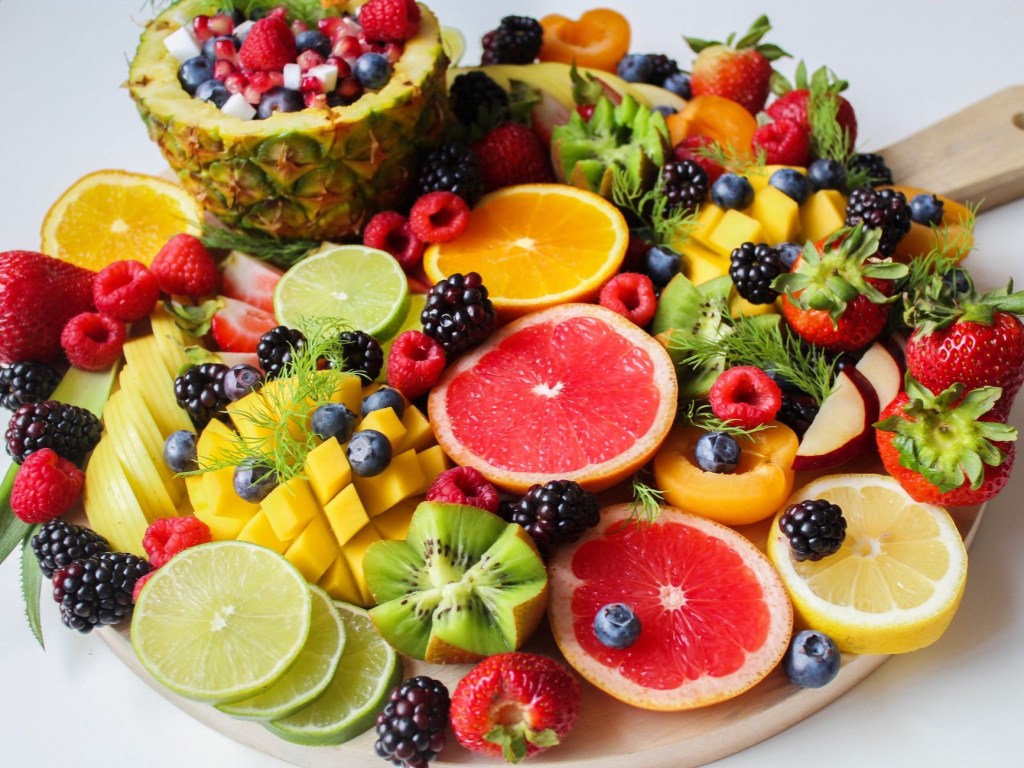
Flavanols are natural chemicals present in tea, cocoa, apples, and berries.

A group from Columbia university and Brigham and Women’s Hospital assessed the effects of flavanols and multivitamins on memory.

The authors indicate the in people with poor intake of flavanol, benefitted from flavanol supplements.

Flavanols are naturally found in in certain fruits and vegetables. ( green leafy vegetables, blackcurrants, onions, apples, berries, cherries, peaches, soybeans, citrus foods, tea, chocolate, lettuce, peppers, grapes and even wine).

Even though more confirmatory studies are needed, a good intake of these fruits and vegetables would be beneficial to overall physical health.

References

1. Daily Telegraph. Memory loss ‘can be reversed by simple diet changes’.

2. PNAS 2006. Flavonoid fisetin promotes ERK-dependent long-term potentiation and enhances memory.

3. Harvard 2021 news letter. Harvard finds flavonoids linked to sharper thinking and memory.

4. Low-Flavanol Diet Drives Age-Related Memory Loss, Large Study Finds

5. ORIGINAL paper. (COcoa Supplements and Multivitamin Outcomes Study – COSMOS-Web): “Dietary flavanols restore hippocampal-dependent memory in older adults with lower diet quality and habitual flavanol consumption” according to authors published in Proceedings of the National Academy of Sciences. ( doi : not live at time of publication of blog).

Disclaimer: Please note – This blog is NOT medical advice. This blog is NOT a expert medical opinion on various topics. This blog is purely for information only and do check the sources where cited. Please DO consult your own doctor to discuss concerns and options relevant to you. The views expressed in this blog are NOT, in any way whatsoever, intended to be a substitute for professional advice. The blog is NOT previewed, commissioned or otherwise endorsed, in any way, by any organisation that the author is associated with. The views expressed in this blog likely represents some of the author’s personal views held at the time of drafting the blog and MAY CHANGE overtime, particularly when new evidence comes to light.

Chocolate, Coffee and Wine: Good or Bad for Heart?

Are Chocolate, Coffee and Wine good for heart ?

Depends…

Dark Chocolate: good

Coffee: possibly good

Wine: probably not good

Read the interesting article in Guardian .

Good or bad? Top cardiologist gives verdict on chocolate, coffee and wine
Exclusive: Prof Thomas Lüscher assesses the heart healthiness of some of our favourite treats

Andrew Gregory Health editor
Fri 19 Nov 2021 12.29 GMT

A word of caution applies to all ‘food and disease’ association reports. Almost every week there are newspaper reports of studies exploring associations between “various food/drink” with “various diseases”. Some of them are conflicting and confusing with a positive study followed by a negative study !

So don’t be surprised if there is a completely different news report next week !

Disclaimer: Please note – This blog is NOT medical advice. This blog is NOT a expert medical opinion on various topics. This blog is purely for information only and do check the sources where cited. Please DO consult your own doctor to discuss concerns and options relevant to you. The views expressed in this blog are NOT, in way whatsoever, intended to be a substitute for professional advice. The blog is NOT previewed, commissioned or otherwise endorsed, in any way, by any organisation that the author is associated with. The views expressed in this blog likely represents some of the author’s personal views held at the time of drafting the blog and MAY CHANGE overtime, particularly when new evidence comes to light.