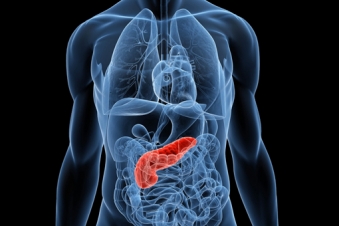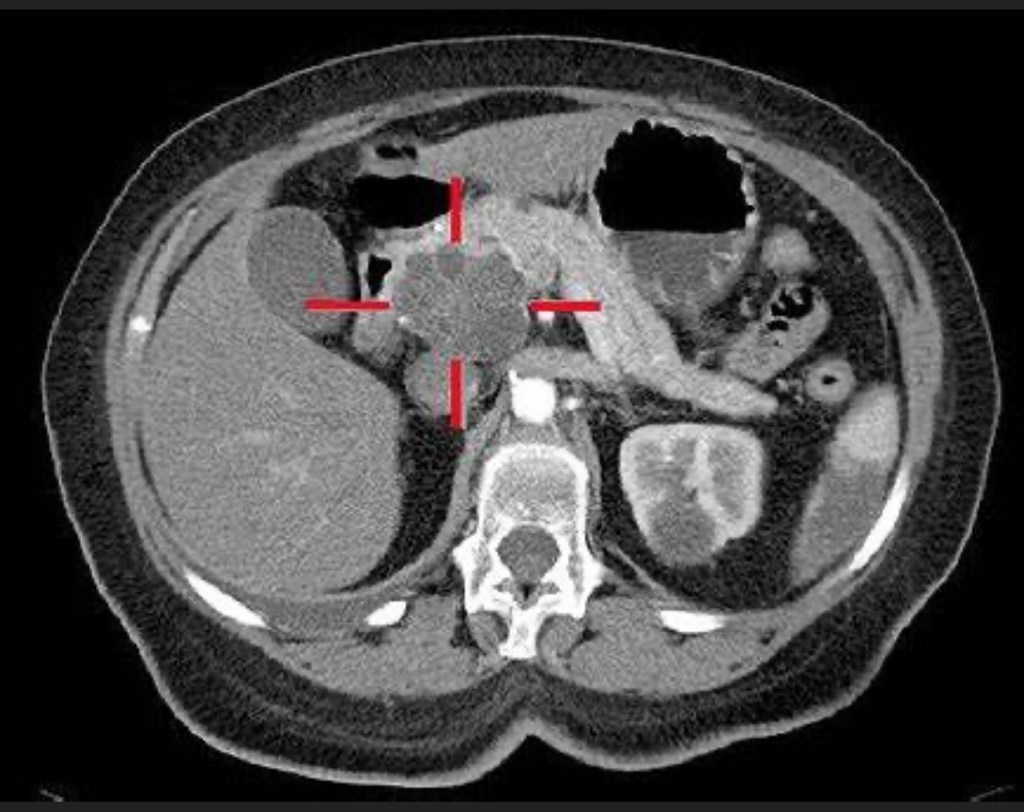
Pancreatic cancers patients have worse prognosis than most other common cancers. The cancer research UK states only “25 out of every 100 (25%) survive their cancer for 1 year or more”.
Chemotherapy is the main treatment for advanced pancreatic cancer.
While immunotherapy and targeted therapy options have made great inroads into successfully prolong lives of patients with various other cancers, pancreatic cancer patients were left behind.
Only a small minority of pancreatic cancer patients benefited from targeted therapy so far.
Now there is a breakthrough !
Daraxonrasib is the name of the promising new drug.
Trial results were presented and discussed at the ASCO 2026 Annual Meeting in Chicago ( ASCO- American Society of Clinical Oncology).
The study author’s presentation of trial results of Daraxonrasib in pancreatic cancer received a standing ovation!
Daraxonrasib (“darax”) doubled the survival pancreatic cancer patients in the second line setting .
Results are extraordinary and are now published in the prestigious New England Journal of Medicine.
The drug will be the standard of care now in 2nd line setting.
A word of caution about availability!
American FDA has given the green light but it might take many months before it becomes available in European Hospitals for pancreatic cancer patients.

References
Lay public summary. ASCO. Oral targeted therapy slows pancreatic cancer growth, improves overall survival. Published 31 May 2026.
ASCO 2026: Daraxonrasib, a RAS(ON) multi-selective inhibitor vs chemotherapy in previously treated metastatic pancreatic adenocarcinoma (mPDAC): Primary and final analysis from the phase 3 RASolute 302 study. Abstract LBA5
Guardian newspaper. Daily pill can double survival time for world’s deadliest cancer, trial shows: Experts hail daraxonrasib as ‘gamechanger’ for patients with advanced pancreatic cancer
BBC News. Daily pill doubles survival time for pancreatic cancer patients
Disclaimer: Please note – This blog is NOT medical advice. This blog is NOT a expert medical opinion on various topics. This blog is purely for information research only and do check the sources where cited. But the author cannot vouch for scientific integrity of the sources cited and author is not responsible for any information in any advert on those cited pages. Please DO consult your own doctor to discuss concerns and options, which are directly relevant and specific to you. The views expressed in this blog are NOT, in any way whatsoever, intended to be a substitute for professional advice. The blog is NOT previewed, commissioned or otherwise endorsed, in any way, by any organisation that the author is associated with. The views expressed in this blog likely represents some of the author’s personal views held at the time of drafting this blog and MAY CHANGE overtime, particularly when new evidence comes to light.