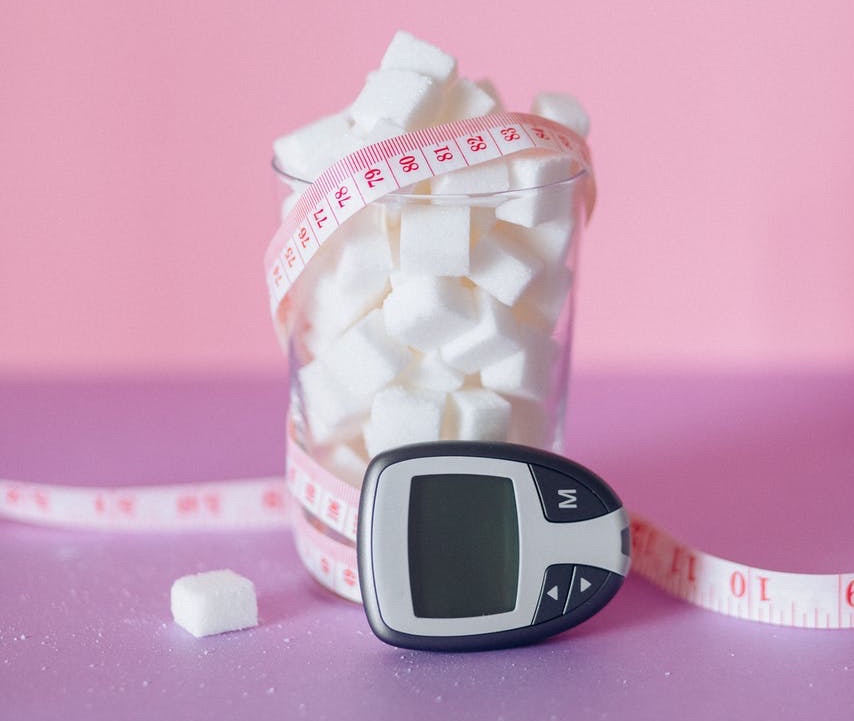
Is dark chocolate good for You ?

Is dark chocolate good?

And is milk chocolate bad?

The answer to both the question is YES.

A recent paper published in British Medical Journal (BMJ) found that “people who consumed ≥5 servings/week of dark chocolate showed a significantly LOWER risk of developing diabetes”.

The study also found that eating milk-chocolate was bad. Milk-chocolate was associated with weight gain, which is not surprising to everyone.

Any study relating to “health benefits of food and drinks” always needs a healthy dose of scepticism because of commercial industry.

But the beneficial effect of dark chocolate found in this study aligns with previous findings and more research is, of course, needed to clarify and define the mechanisms involved.

So add more dark chocolate to the Christmas hampers !

Share your dark chocolate with colleagues and spread the good will !

References

BMJ 2024: Chocolate intake and risk of type 2 diabetes: prospective cohort studies. BMJ 2024; 387 doi: https://doi.org/10.1136/bmj-2023-078386 (Published 04 December 2024). BMJ 2024;387:e078386

BMJ 2012: The effectiveness and cost effectiveness of dark chocolate consumption as prevention therapy in people at high risk of cardiovascular disease: best case scenario analysis using a Markov model. BMJ 2012; 344 doi: https://doi.org/10.1136/bmj.e3657 (Published 31 May 2012). BMJ 2012;344:e3657

BMJ 2011: Chocolate consumption and cardiometabolic disorders: systematic review and meta-analysis. BMJ 2011; 343 doi: https://doi.org/10.1136/bmj.d4488 (Published 29 August 2011). BMJ 2011;343:d4488

BMJ 2023. Christmas 2023: Champagne problems. Chocolate brownies and calorie restriction: the sweetest paradox? BMJ 2023; 383 doi: https://doi.org/10.1136/bmj.p2585 (Published 20 December 2023). BMJ 2023;383:p2585

Disclaimer: Please note – This blog is NOT medical advice. This blog is NOT a expert medical opinion on various topics. This blog is purely for information only and do check the sources where cited. Please DO consult your own doctor to discuss concerns and options relevant to you. The views expressed in this blog are NOT, in any way whatsoever, intended to be a substitute for professional advice. The blog is NOT previewed, commissioned or otherwise endorsed, in any way, by any organisation that the author is associated with. The views expressed in this blog likely represents some of the author’s personal views held at the time of drafting the blog and MAY CHANGE overtime, particularly when new evidence comes to light.


Is watching the daily “Step count” helpful?

Yes, certainly!

Although it is obvious exercise helps, it is good to have definitive evidence from good studies.

A large Australian study involving 5000 elderly women (average age 79) looked at the physical activity of these women for over a week.

After that, the women were followed up for the next seven years, and 400 of them developed
diabetes. Not surprisingly, women
with higher step count were found to be at lower risk of developing diabetes. Each extra 2000 steps per day was found to reduce the diabetes risk by 12% fall.

Another study from Sweden also showed that high daily step count reduces the risk of diabetes in elderly people.

The widely used daily target of 10,000 steps/day is good but even step counts lower than 10,000 steps , say 4500 to 6000 steps/day, are very beneficial.

Probably something is better than nothing!

References

Associations of Daily Steps and Step Intensity With Incident Diabetes in a Prospective Cohort Study of Older Women: The OPACH Study
Alexis C Garduno et al. Diabetes Care. 2022. (Diabetes Care doi:10.2337/dc21-1202).

Vitamin D supplements . . . and other stories
BMJ 2022; 376 doi: https://doi.org/10.1136/bmj.o452 (Published 03 March 2022)
Cite this as: BMJ 2022;376:o452

Daily step count and incident diabetes in community-dwelling 70-year-olds: a prospective cohort study
Marcel Ballin et al. BMC Public Health. 2020. FULL TEXT.

Disclaimer: Please note – This blog is NOT medical advice. This blog is NOT a expert medical opinion on various topics. This blog is purely for information only and do check the sources where cited. Please DO consult your own doctor to discuss concerns and options relevant to you. The views expressed in this blog are NOT, in any way whatsoever, intended to be a substitute for professional advice. The blog is NOT previewed, commissioned or otherwise endorsed, in any way, by any organisation that the author is associated with. The views expressed in this blog likely represents some of the author’s personal views held at the time of drafting the blog and MAY CHANGE overtime, particularly when new evidence comes to light

Can “depression” cause heart problems and diabetes?

Sadly Yes !

A UK Biobank study analysed more than 325,000 individuals of European ancestry. The study found that people with low mood are at higher risk of developing heart and blood sugar problems. [ medical terms- coronary artery disease (CAD), type 2 diabetes (T2D) and atrial fibrillation].

Individuals with depression in this study were more likely to be current smokers; reported less vegetable and fresh fruit intake, less exercise and sleep; and had higher body weight (body mass index – BMI).

Even though the study adjusted the statistics for various baseline factors, one cannot help wonder whether there are yet unidentified factors at play.

References: Low depression frequency is associated with decreased risk of cardiometabolic disease. Michael C. Honigberg, Yixuan Ye, Lillian Dattilo, Amy A. Sarma, Nandita S. Scott, Jordan W. Smoller, Hongyu Zhao, Malissa J. Wood & Pradeep Natarajan.
Nature Cardiovascular Research (2022). Published: 14 February 2022

Daily Mail. Depression may increase the risk of heart disease and type 2 diabetes, major study warns. By Emily Craig Health Reporter For Mailonline16:00, 14 Feb 2022 , updated 16:34, 14 Feb 2022

Disclaimer: Please note – This blog is NOT medical advice. This blog is NOT a expert medical opinion on various topics. This blog is purely for information only and do check the sources where cited. Please DO consult your own doctor to discuss concerns and options relevant to you. The views expressed in this blog are NOT, in any way whatsoever, intended to be a substitute for professional advice. The blog is NOT previewed, commissioned or otherwise endorsed, in any way, by any organisation that the author is associated with. The views expressed in this blog likely represents some of the author’s personal views held at the time of drafting the blog and MAY CHANGE overtime, particularly when new evidence comes to light.

Do poor sleepers die early ?

Yes !

If someone feels they are not having regular refreshing sleep, then it is bad news.

In a very large U.K. study, involving 487,728 people, the following question was asked: Do you have trouble falling asleep at night or do you wake up in the middle of the night?

About a quarter of people in study answered “never/rarely”; just under half answered “sometimes” and less than one-third reported “usually”.

The people in study were followed up for many years (mean follow-up time = 8.9 years)

The people who reported frequent sleep disturbances (“usually” category) were found to be at risk of dying early.

The risk was highest in those with both diabetes and frequent sleep disturbances.

It needs to be seen whether the sleep disturbance by itself led to early death or whether people who are going to die early have medical problems that cause them to have disturbed sleep !

Sleep well. Don’t compromise sleep time !

References

Associations between sleep disturbances, diabetes and mortality in the UK Biobank cohort: A prospective population-based study
Malcolm von Schantz, Jason C. Ong, Kristen L. Knutson
First published: 08 June 2021
https://doi.org/10.1111/jsr.13392

( UK Biobank study participants experiencing sleep disturbances: 24.2% “never/rarely” ; 47.8% “sometimes” and 28.0% “usually”)

BMJ Minerva. Cognitive decline . . . and other stories. BMJ 2021; 373 doi: https://doi.org/10.1136/bmj.n1545 (Published 24 June 2021)
Cite this as: BMJ 2021;373:n1545

People who have trouble sleeping are at a higher risk of dying early – especially diabetics

NHS. Why lack of sleep is bad for your health

Disclaimer: Please note- This blog is NOT medical advice. This blog is NOT a expert medical opinion on various topics. This blog is purely for information only and do check the sources where cited. Please DO consult your own doctor to discuss concerns and options relevant to you. The views expressed in this blog represent the author’s views held at the time of drafting the blog and may change overtime, particularly when new evidence comes to light. The blog is not previewed, commissioned or otherwise endorsed by any organisation that the author is associated with. The views expressed in this blog are not, in way whatsoever, intended to be a substitute for professional advice.

Low Carb diet for Diabetes: what is the scientific evidence?

Low Carb diet is often used for weight loss.

A recent “Study of Studies” published in BMJ shows that Low-Carb-diet is beneficial for diabetes control and remission.

The beneficial effects seem quite remarkable in the first six months but there is uncertainty about the long term effect.

Before you consider the Low-Carb-diet option, do discuss it with your doctor.

What replaces the Low-Carb-Diet is also important. Long term Low-Carb-Diet with animal protein seems to be bad for health.

Do consider plant based proteins instead .

References: Efficacy and safety of low and very low carbohydrate diets for type 2 diabetes remission: systematic review and meta-analysis of published and unpublished randomized trial data.
BMJ 2021; 372 doi: https://doi.org/10.1136/bmj.m4743 (Published 13 January 2021)
Cite this as: BMJ 2021;372:m4743

Seidelmann SB, Claggett B, Cheng S, et al. Dietary carbohydrate intake and mortality: a prospective cohort study and meta-analysis. Lancet Public Health2018;3:e419-28. doi:10.1016/S2468-2667(18)30135-X pmid:30122560

Disclaimer: Please note- This blog is NOT medical advice. This blog is NOT a expert medical opinion on various topics. This blog is purely for information only and do check the the sources where cited. Please DO consult your own doctor to discuss concerns and options relevant to you.

The views expressed in this blog represent the author’s views held at the time of drafting the blog and may change overtime, particularly when new evidence comes to light. The blog is not necessarily endorsed by any organisation the author is associated with and the authors views are NOT in way intended to be a substitute for professional advice.

Scientific evidence for a healthy diet and prevention of diabetes

Simple things in life can be the most difficult; For instance, Regular Exercise and a balanced Diet for a healthy life.

What constitutes a healthy diet is common knowledge. For example eating Whole grains, Fresh Fruit and Vegetables )

But what is accepted as common knowledge is not always backed up by robust scientific evidence .

So it is good to see two scientific papers in a recent issue of British Medical Journal with one paper exploring the role of fruit and vegetable consumption on type 2 diabetes and another paper exploring the role of whole grain foods on risk of type 2 diabetes.

1. One study found that Vitamin C and carotenoids have a protective effect against diabetes ( eg diet rich in citrus fruits, tomatoes , root vegetables such as carrots )

A word of caution to those rushing to buy vitamin supplements from the authors : “fruit and vegetable intake, rather than vitamin supplements, is potentially beneficial for the prevention of type 2 diabetes”.

2. Another study found that “whole grain foods, including whole grain breakfast cereal, oatmeal, dark bread, brown rice, added bran, and wheat germ, significantly reduced the risk of developing diabetes.

References

1. Association of plasma biomarkers of fruit and vegetable intake with incident type 2 diabetes: EPIC-InterAct case-cohort study in eight European countries.

BMJ 2020; 370 doi: https://doi.org/10.1136/bmj.m2194 (Published 08 July 2020)

2. Intake of whole grain foods and risk of type 2 diabetes: results from three prospective cohort studies .

BMJ 2020; 370 doi: https://doi.org/10.1136/bmj.m2206 (Published 08 July 2020)

Disclaimer: Please note- This blog is NOT medical advice. This blog is purely for information only and do check the the sources where cited. Please consult your own doctor to discuss concerns and options relevant to you.

The views expressed in this blog represent the author’s views held at the time of publication and is likely to change overtime, particularly when new evidence comes to light. The blog is not necessarily endorsed by any organisation the author is associated with and views are not substitute for professional advice.