
Yes !
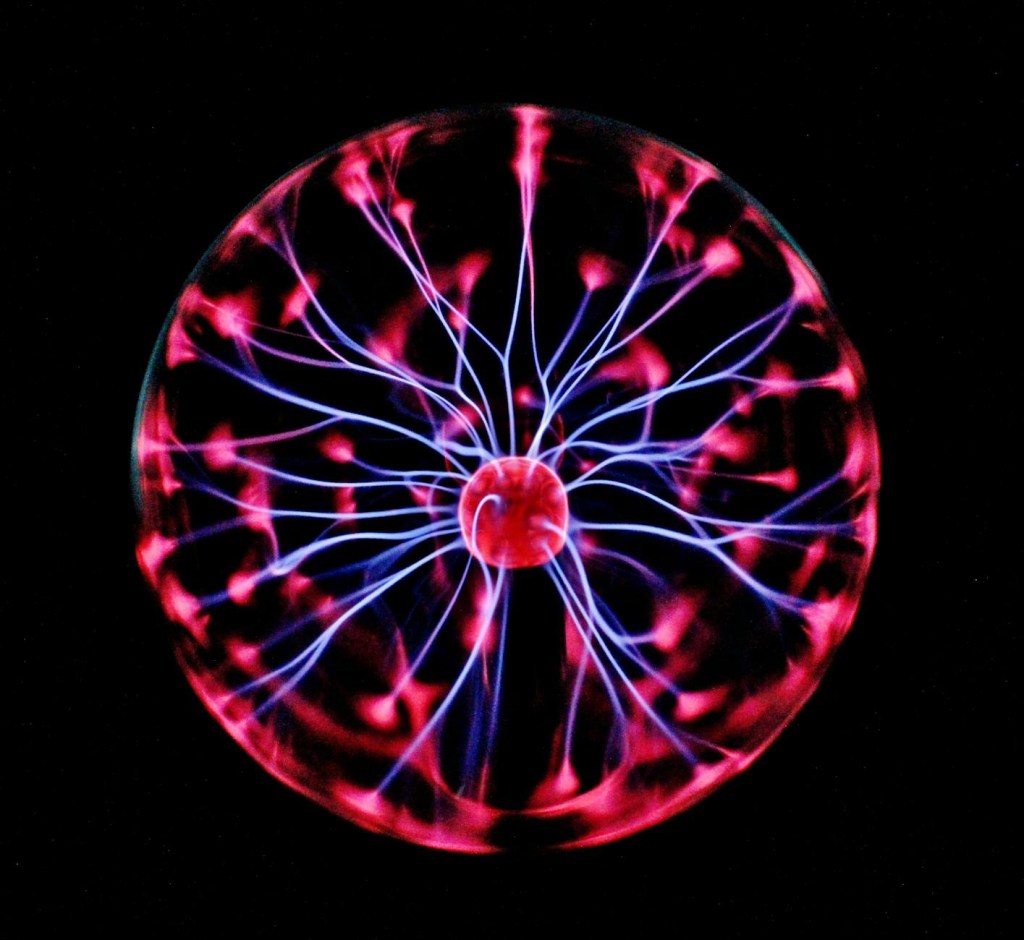
Applying electricity to tumours can help to improve control of pancreatic cancer.
The procedure is called TTfFields.
The procedure is not invasive.
The procedure uses low-energy electricity which impedes cancer cells’ ability to grow and divide.
The procedure is done alongside standard chemotherapy .
The TTFields electric treatments has already been tested and has shown promise in brain tumours and lung cancers.
A study presented at the Chicago ASCO meeting shows better survival in patients who had TTFields electricity in addition to their usual chemotherapy regimen of gemcitabine and abraxane (nab-paclitaxel) for pancreatic cancer.
The study data was presented at the prestigious annual meeting of the American Society of Clinical Oncology (ASCO) at Chicago.
Dr Sundar is a member of American Society of Clinical Oncology (ASCO) and has been a member for more than 25 years.
References
- Tumour treating fields therapy for glioblastoma: current advances and future directions. British Journal of Cancer volume 124, pages 697–709 (2021)
- Weinberg U, Farber O, Giladi M, Bomzon Z, Kirson ED. Tumor treating field concurrent with standard of care for stage 4 non-small cell lung cancer (NSCLC) following platinum failure: Phase III LUNAR study. [abstract]. ESMO, October 2018. Ann Oncol. 2018;29:viii543. doi: 10.1093/annonc/mdy292.120.
- Lancet oncology. Tumor Treating Fields therapy with standard systemic therapy versus standard systemic therapy alone in metastatic non-small-cell lung cancer following progression on or after platinum-based therapy (LUNAR): a randomised, open-label, pivotal phase 3 study.
- Wiki. Alternating electric field therapy.
- PANOVA-3: Phase 3 study of tumor treating fields (TTFields) with gemcitabine and nab-paclitaxel for locally advanced pancreatic ductal adenocarcinoma (LA-PAC) .
Disclaimer: Please note – This blog is NOT medical advice. This blog is NOT a expert medical opinion on various topics. This blog is purely for information research only and do check the sources where cited. Please DO consult your own doctor to discuss concerns and options, which are relevant and specific to you. The views expressed in this blog are NOT, in any way whatsoever, intended to be a substitute for professional advice. The blog is NOT previewed, commissioned or otherwise endorsed, in any way, by any organisation that the author is associated with. The views expressed in this blog likely represents some of the author’s personal views held at the time of drafting the blog and MAY CHANGE overtime, particularly when new evidence comes to light.
 Dr S Sundar