Can some very early bladder cancer patients avoid BCG treatment?

Yes

Recent Japanese trial data suggests that selected patients can be managed by “wait and watch” policy alone .

Reference

1. Trial design: JCOG1019: An Open-label, Non-inferiority, Randomised Phase 3 Study Comparing the Effectiveness of Watchful Waiting (WW) and Intravesical Bacillus Calmette-Guérin (BCG) in Patients (Pts) with High-grade pT1 (HGT1) Bladder Cancer with pT0 on the 2nd Transurethral Resection (TUR) Specimen

Disclaimer: Please note – This blog is NOT medical advice. This blog is NOT a expert medical opinion on various topics. This blog is purely for information only and do check the sources where cited. Please DO consult your own doctor to discuss concerns and options relevant to you. The views expressed in this blog are NOT, in any way whatsoever, intended to be a substitute for professional advice. The blog is NOT previewed, commissioned or otherwise endorsed, in any way, by any organisation that the author is associated with. The views expressed in this blog likely represents some of the author’s personal views held at the time of drafting the blog and MAY CHANGE overtime, particularly when new evidence comes to light.

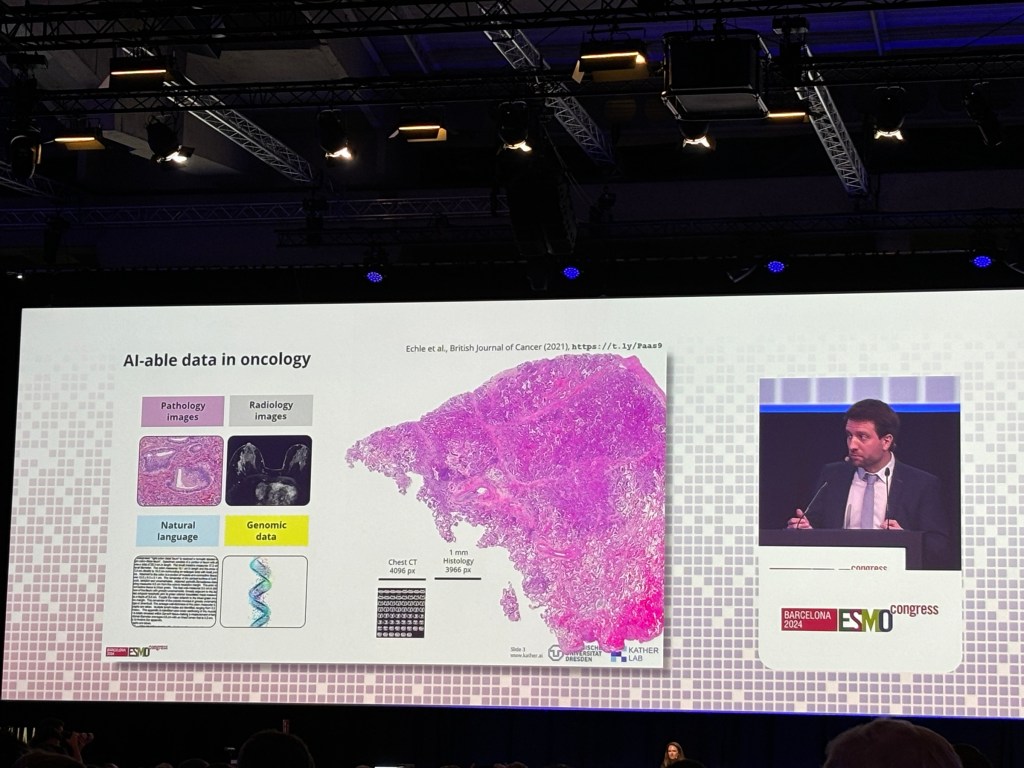
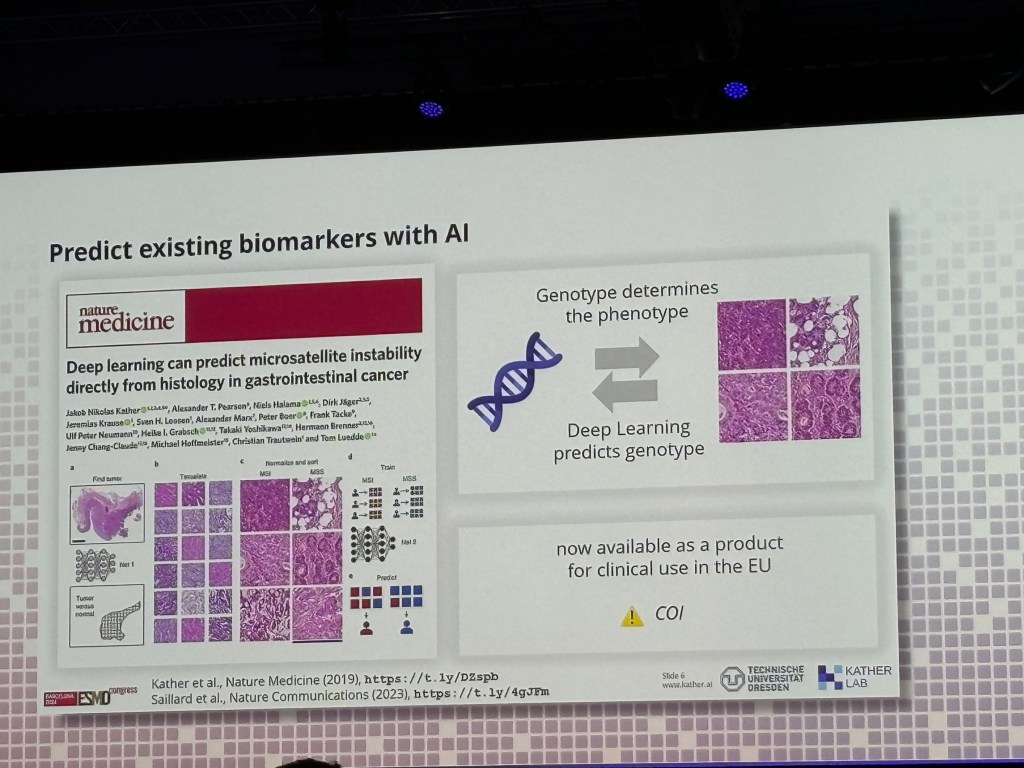
Would AI (artificial intelligence) change the treatment of cancer patients?

Artificial intelligence is the current fashionable technology for investors.

Artificial intelligence is getting incorporated in our daily life.

AI is hyped everywhere .

Would AI make a difference in diagnosis and treatment of cancer patients?

Yes, it will play an important role in choosing the right treatments for individual cancer patient.

At present, a blanket treatment approach is used where subgroups of patients are treated in the same way. Not everyone responds to a particular cancer treatment and some people would develop resistance after an initial response to a particular treatment.

AI can help to move from this blanket treatment approach for whole group of patients

AI can help us move towards a personalised approach; it can help us to predict resistance and response to a particular treatment

AI can help in new drug development.

AI seems to the future

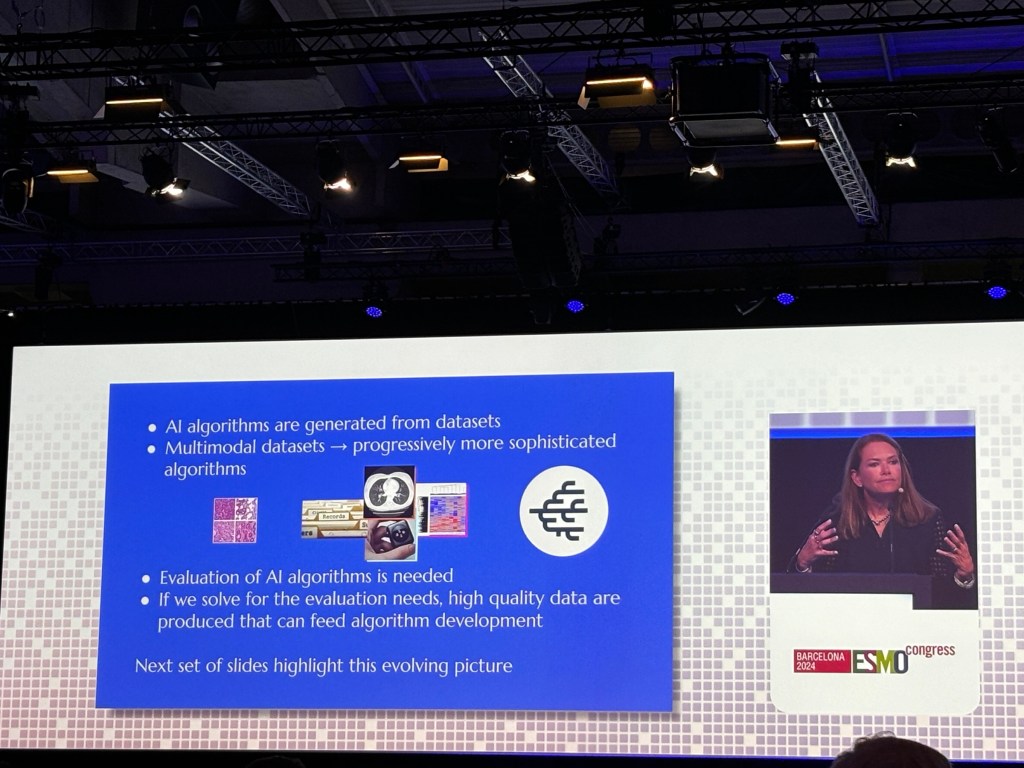
A word of caution. AI is not ready for routine clinical use yet. AI Algorithms need to be validated before day to day clinical use.

ESMO 2024 Barcelona Session

Reference

Annals of Oncology. How AI will transform cancer care.