Bladder cancer: Are 3 cycles of chemotherapy as good as 6 cycles – when combined with immunotherapy maintenance?

Yes; 3 is as good as 6.

The annual congress of European Society for Medical Oncology is currently underway at Berlin. Lot of exciting studies are being presented.

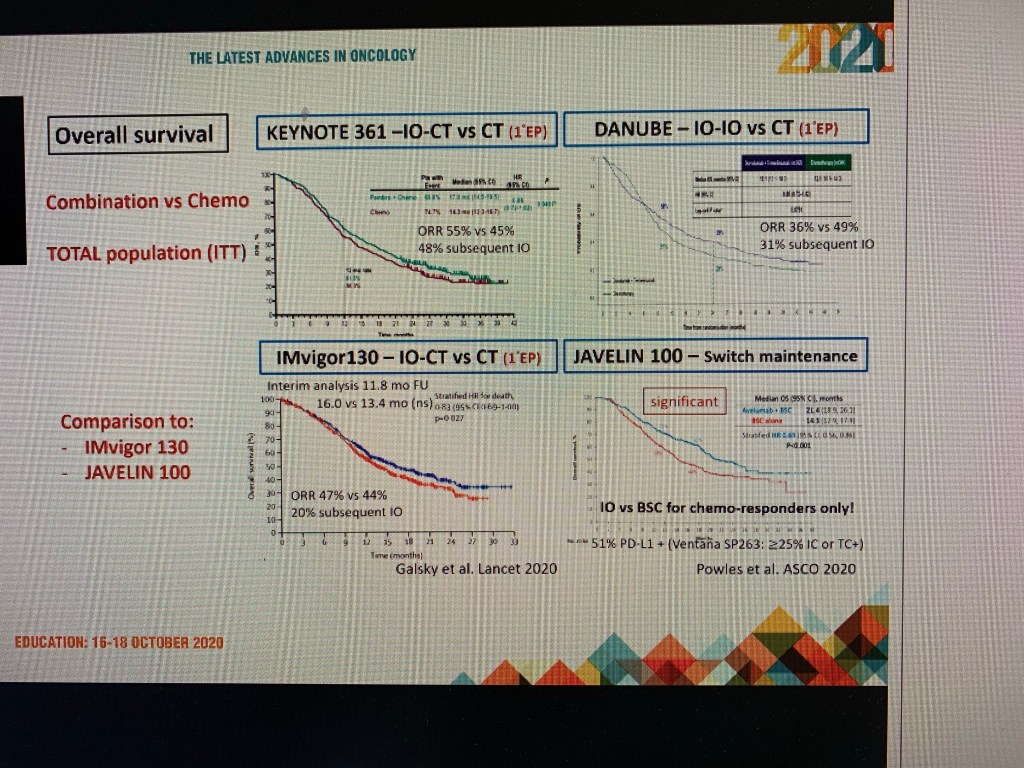
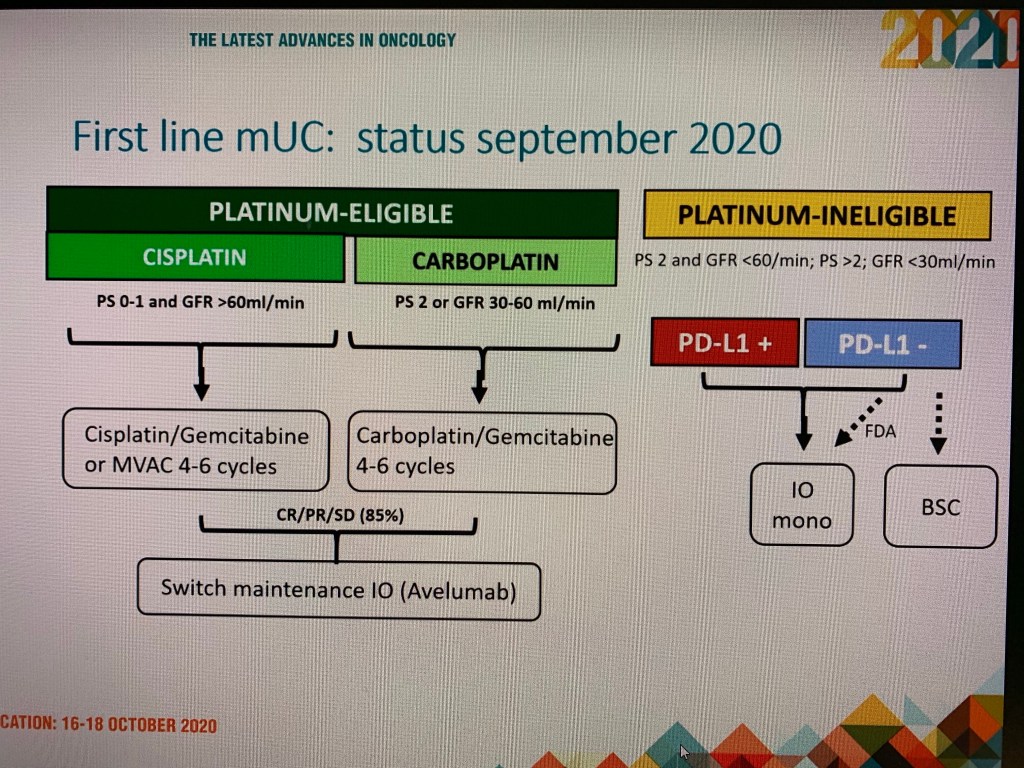
One of the interesting studies relate to bladder cancer. The bladder study looked at the optimum number of chemotherapy cycles that needs to be given.

Chemotherapy do cause significantly more side effects the immunotherapy. If fewer cycles are given, treatment might be more tolerable.

This bladder trial looked at giving only 3 cycles of chemotherapy compared to the standard 6 cycles.

The study found that fewer cycles improved quality of life without compromising overall benefits from the treatment

Reference

Grande E, et al. DISCUS: A phase II study comparing 3 vs 6 cycles of platinum-based chemotherapy prior to maintenance avelumab in advanced urothelial cancer. ESMO Congress 2025 – LBA 109

ESMO daily reporter. Is less more for patients with genitourinary cancers? 17 Oct 2025 Christoph Oing

Disclaimer: Please note – This blog is NOT medical advice. This blog is NOT a expert medical opinion on various topics. This blog is purely for information research only and do check the sources where cited. Please DO consult your own doctor to discuss concerns and options, which are relevant and specific to you. The views expressed in this blog are NOT, in any way whatsoever, intended to be a substitute for professional advice. The blog is NOT previewed, commissioned or otherwise endorsed, in any way, by any organisation that the author is associated with. The views expressed in this blog likely represents some of the author’s personal views held at the time of drafting the blog and MAY CHANGE overtime, particularly when new evidence comes to light.


More pancreatic cancer patients may benefit from immunotherapy

Immunotherapy has revolutionised cancer treatment over the last few years . But, sadly, not all cancer patients derive benefit from the costly immunotherapy drugs

For instance, almost, all advanced kidney or skin melanoma cancer patients are eligible to try immunotherapy. But only about 1% of patients with pancreatic cancer are at present eligible for immunotherapy .

A new study suggests more people with pancreatic cancer may be eligible for immunotherapy. 

The preliminary data from a good quality early study (randomized phase II trial) is interesting.

The study compared treatment with gemcitabine (G) and nab-paclitaxel (N) with and without dual immunotherapy treatment with durvalumab (D) and tremelimumab (T) as 1st-line therapy in patients with advanced pancreatic cancer. 

In this study, only a subset of patients derived benefit from the dual combination therapy. 

Subsequent molecular and genetic analysis showed that the presence of certain gene mutations (≥2 DDR) was strongly associated with benefit from the combination of chemotherapy with dual immune checkpoint inhibitor therapy. 

These intriguing exploratory data analysis needs confirmatory data before the combination therapy become the standard of care for advanced pancreatic cancer patients.

The study data was presented at the prestigious annual meeting of the American Society of Clinical Oncology (ASCO) hosted at Chicago.

Dr Sundar is a member of American Society of Clinical Oncology (ASCO) and has been a member for more than 25 years.

References

American Society of Clinical Oncology (ASCO) 2025: Concurrent mutations in DNA damage repair genes BRCA1, POLE, ATM and FANCA to predict overall and progression-free survival for patients (pts) with metastatic pancreatic ductal adenocarcinoma (mPDAC) treated with chemotherapy in combination with dual checkpoint inhibition in the CCTG randomized PA.7 trial.

Evaluating Mismatch Repair Deficiency in Pancreatic Adenocarcinoma: Challenges and Recommendations. Clin Cancer Res (2018) 24 (6): 1326–1336.

Disclaimer: Please note – This blog is NOT medical advice. This blog is NOT a expert medical opinion on various topics. This blog is purely for information research only and do check the sources where cited. Please DO consult your own doctor to discuss concerns and options, which are relevant and specific to you. The views expressed in this blog are NOT, in any way whatsoever, intended to be a substitute for professional advice. The blog is NOT previewed, commissioned or otherwise endorsed, in any way, by any organisation that the author is associated with. The views expressed in this blog likely represents some of the author’s personal views held at the time of drafting the blog and MAY CHANGE overtime, particularly when new evidence comes to light.

Immunotherapy makes advanced head and neck cancer patients live longer

Immunotherapy has revolutionised the care of many patients with kidney, bladder, skin and various other cancers.

Now a UK led study has shown that given the immunotherapy drug- pembrolizumab – before and after surgery– makes people live substantially longer.

Pembrolizumab is a very costly drug with limited affordability in developing countries.

In western countries, only people with private medical insurance or people having a publicly funded health systems such as NHS can afford it.

The fascinating immunotherapy data was presented at the prestigious annual meeting of the American Society of Clinical Oncology (ASCO) at Chicago.

Dr Sundar is a member of American Society of Clinical Oncology (ASCO) for more than 25 years.

References

  1. BBC News. Breakthrough cancer drug doubles survival in trial. Philippa Roxby
    Heath Reporter. May 2025.
  2. American Society of Clinical Oncology (ASCO) 2025: Neoadjuvant and adjuvant pembrolizumab plus standard of care (SOC) in resectable
    locally advanced head and neck squamous cell carcinoma (LA HNSCC): Exploratory
    efficacy analyses of the phase 3 KEYNOTE-689 study
    . ( Distant Metastasis-Free Survival (DMFS) data:
    Median DMFS was 51.8 months with pembrolizumab + SOC versus 35.7 months with SOC (HR 0.71, 95% CI 0.56–0.90).
    Estimated DMFS rate at 36 months was 59.1% versus 49.0%, respectively. )
  3. American Association for Cancer Research (AACR) Annual Meeting. 2025. Addition of Perioperative Pembrolizumab to Standard of Care in Newly Diagnosed Locally Advanced Head and Neck Cancer.
  4. Pembrolizumab With or Without Chemotherapy in Recurrent or Metastatic Head and Neck Squamous Cell Carcinoma: Updated Results of the Phase III KEYNOTE-048 Study.

Disclaimer: Please note – This blog is NOT medical advice. This blog is NOT a expert medical opinion on various topics. This blog is purely for information research only and do check the sources where cited. Please DO consult your own doctor to discuss concerns and options, which are relevant and specific to you. The views expressed in this blog are NOT, in any way whatsoever, intended to be a substitute for professional advice. The blog is NOT previewed, commissioned or otherwise endorsed, in any way, by any organisation that the author is associated with. The views expressed in this blog likely represents some of the author’s personal views held at the time of drafting the blog and MAY CHANGE overtime, particularly when new evidence comes to light.

New treatment regimen for bladder cancer

Giving chemotherapy before surgical removal of bladder for invasive cancer is the current standard of care.

Immunotherapy is often used in later stages of treatment for bladder cancer. Now it is being tested in early bladder cancers.

A new study has found that adding immunotherapy drug ( Durvalumab) to existing standard treatment improves the survival outcomes .

Reference

NEJM: Perioperative Durvalumab with Neoadjuvant Chemotherapy in Operable Bladder Cancer.

Disclaimer: Please note – This blog is NOT medical advice. This blog is NOT a expert medical opinion on various topics. This blog is purely for information only and do check the sources where cited. Please DO consult your own doctor to discuss concerns and options relevant to you. The views expressed in this blog are NOT, in any way whatsoever, intended to be a substitute for professional advice. The blog is NOT previewed, commissioned or otherwise endorsed, in any way, by any organisation that the author is associated with. The views expressed in this blog likely represents some of the author’s personal views held at the time of drafting the blog and MAY CHANGE overtime, particularly when new evidence comes to light.

New treatment option for liver cancer

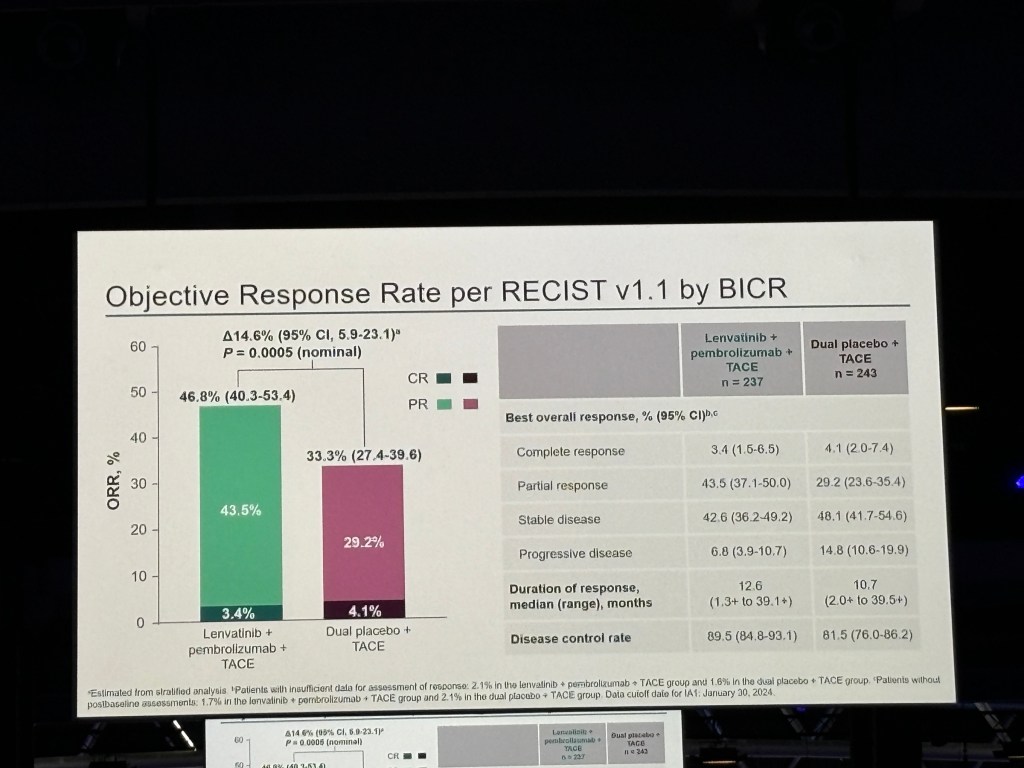
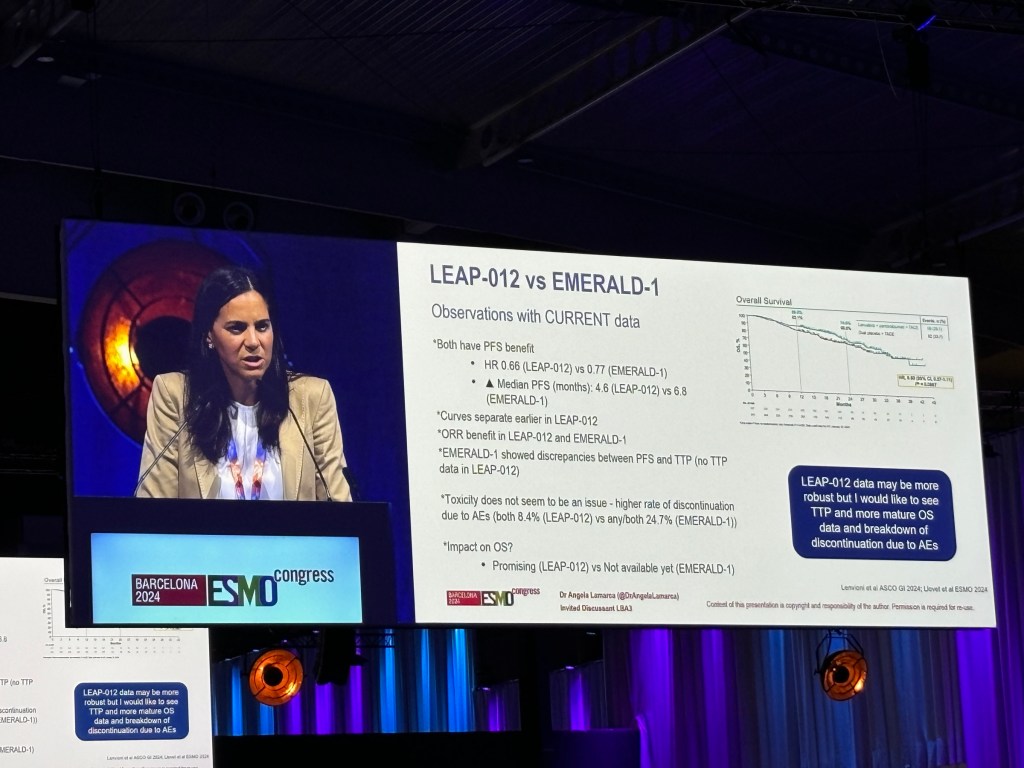
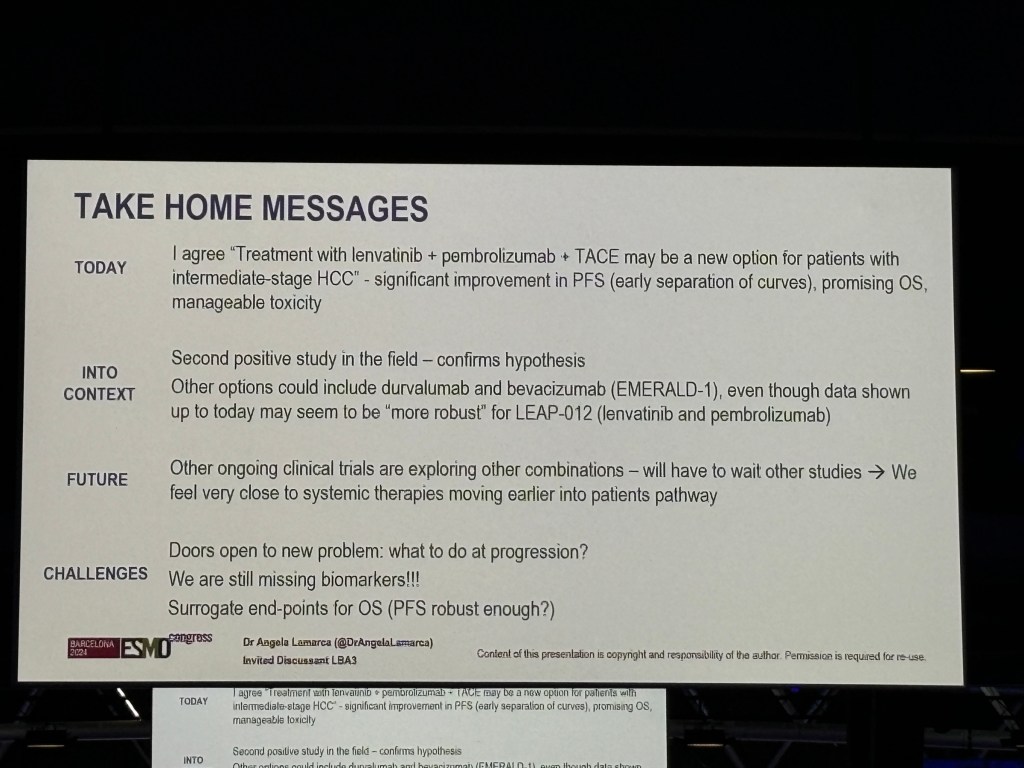
Data presented at the ESMO Congress 2024 (Barcelona, 13–17 September) shows that adding Lenvatinib (tablets) and Pembrolizumab (immunotherapy infusion) to standard treatment has the potential to improve prognosis.

The trial was done in intermediate stage patients.

Adding the combination of Lenvatinib and Pembrolizumab to the other standard treatment TACE seems to work.

The response rates are better with combination and early results are promising but the data is still immature.

Another caveat is that this combination was previously tested in the advanced setting. The combination of Lenvatinib and Pembrolizumab did NOT improve survival in the advanced cancer patient group.

Disclaimer: Please note – This blog is NOT medical advice. This blog is NOT a expert medical opinion on various topics. This blog is purely for information only and do check the sources where cited. Please DO consult your own doctor to discuss concerns and options relevant to you. The views expressed in this blog are NOT, in any way whatsoever, intended to be a substitute for professional advice. The blog is NOT previewed, commissioned or otherwise endorsed, in any way, by any organisation that the author is associated with. The views expressed in this blog likely represents some of the author’s personal views held at the time of drafting the blog and MAY CHANGE overtime, particularly when new evidence comes to light.

Immunotherapy for curative treatment of Cervical cancer

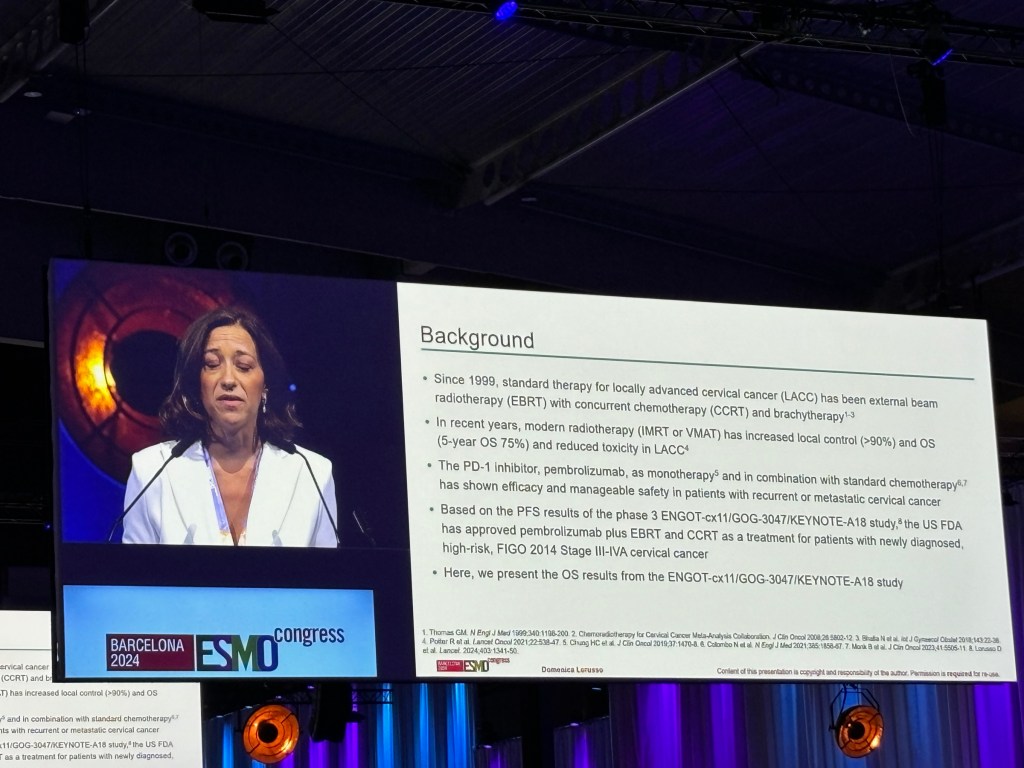
Updated Data presented at the ESMO Congress 2024( Barcelona, 13–17 September) confirms benefit of adding immunotherapy to combination of chemotherapy and radiotherapy for treatment of cervical cancer.

For nearly twenty years, chemo- radiation, which is the practice of giving chemotherapy at the same time as radiotherapy, was the standard of care.

Last year, early results from a large trial suggested that adding immunotherapy to chemo-radiation would improve outcome .

Updated results confirm that the additional immunotherapy is of significant benefit.

Reference

Lancet. Pembrolizumab or placebo with chemoradiotherapy followed by pembrolizumab or placebo for newly diagnosed, high-risk, locally advanced cervical cancer (ENGOT-cx11/GOG-3047/KEYNOTE-A18): overall survival results from a randomised, double-blind, placebo-controlled, phase 3 trial.

Disclaimer: Please note – This blog is NOT medical advice. This blog is NOT a expert medical opinion on various topics. This blog is purely for information only and do check the sources where cited. Please DO consult your own doctor to discuss concerns and options relevant to you. The views expressed in this blog are NOT, in any way whatsoever, intended to be a substitute for professional advice. The blog is NOT previewed, commissioned or otherwise endorsed, in any way, by any organisation that the author is associated with. The views expressed in this blog likely represents some of the author’s personal views held at the time of drafting the blog and MAY CHANGE overtime, particularly when new evidence comes to light.

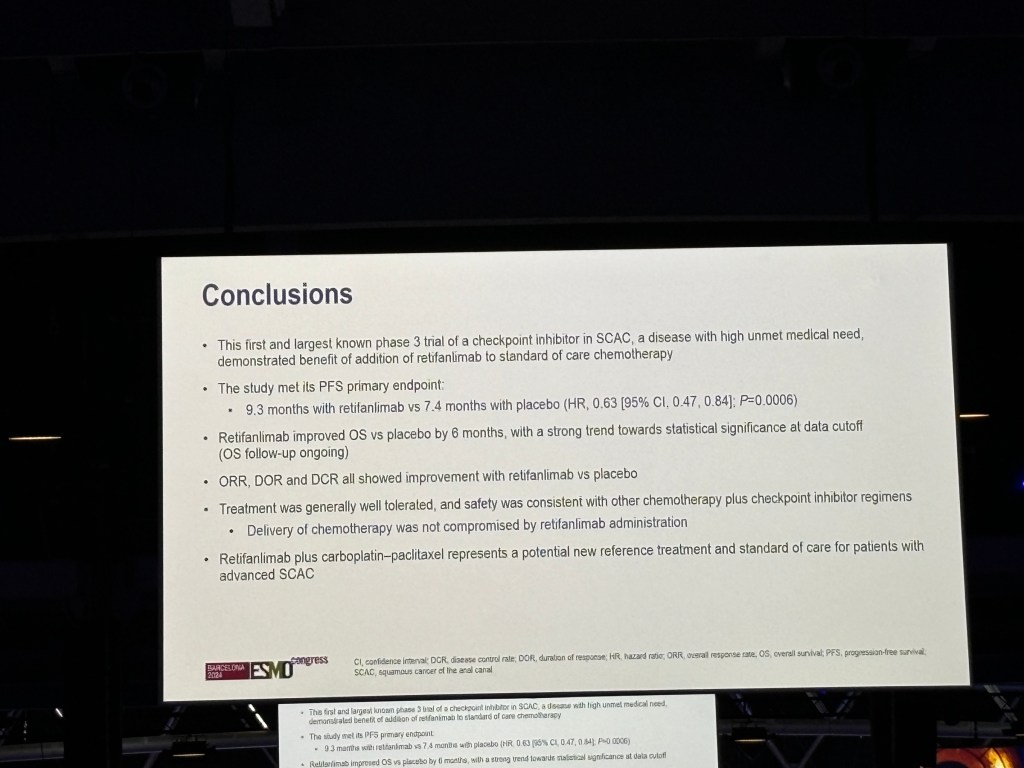
New standard of care for advanced anal cancer patients

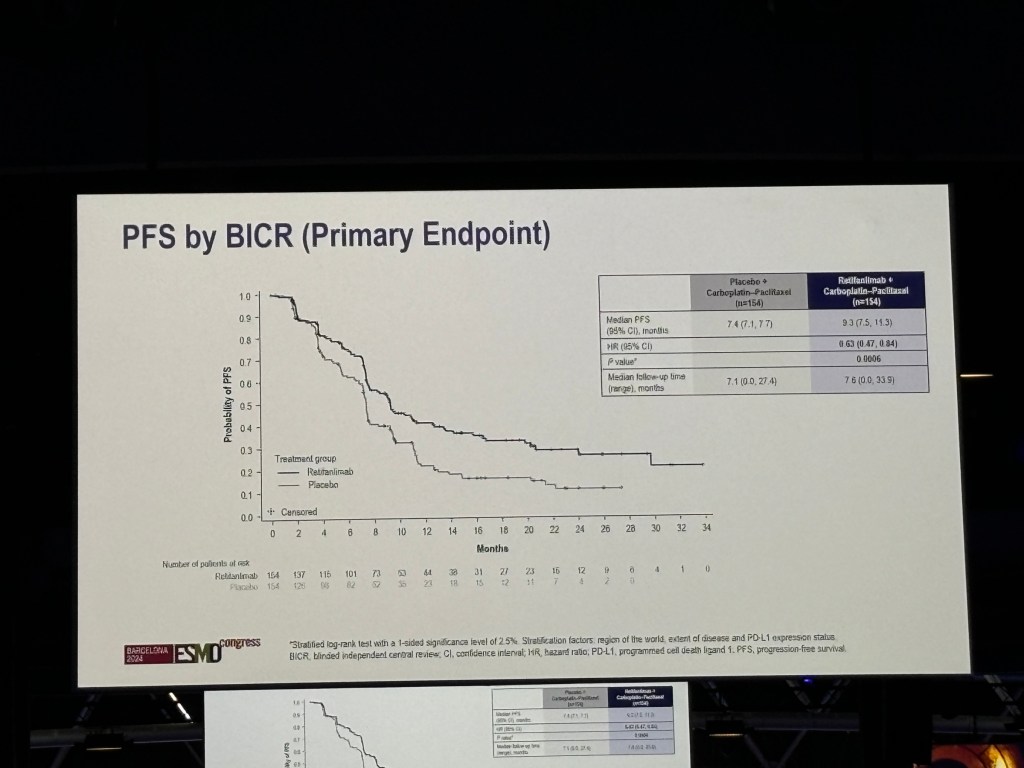
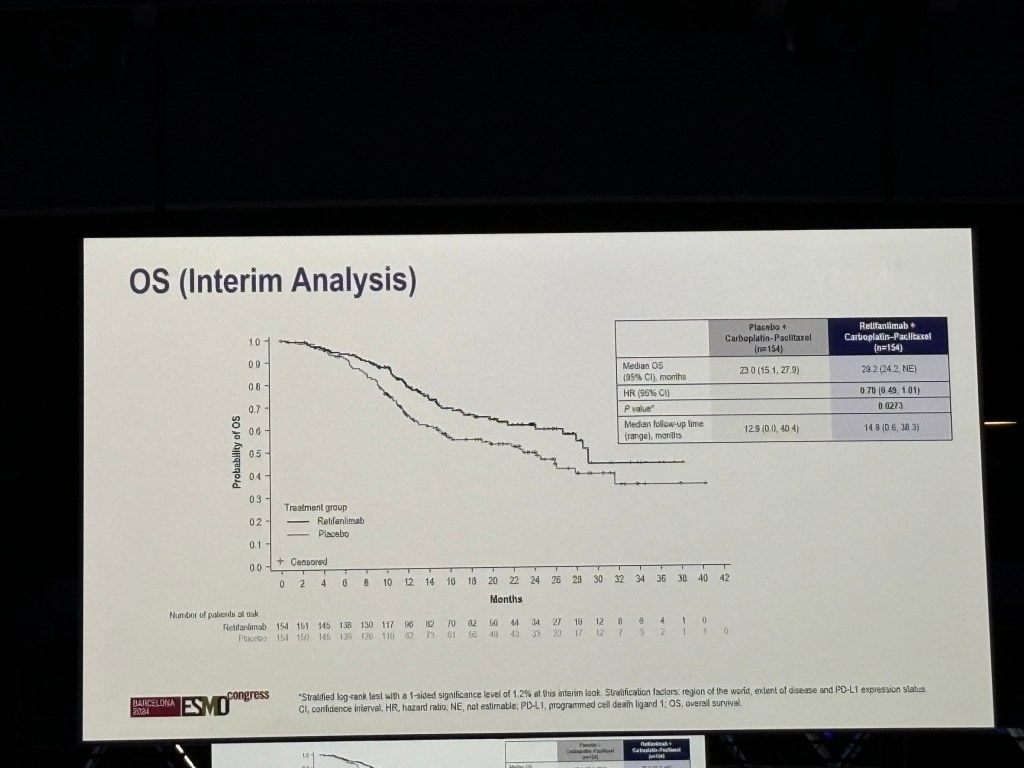
Data presented at the ESMO Congress 2024 (Barcelona, 13–17 September) demonstrated the potential of combining immunotherapy with chemotherapy for advanced anal cancer patients.

Addition of immunotherapy drug retifanlimab to the chemotherapy combination carboplatin and paclitaxel significantly improved the outcomes.

Disclaimer: Please note – This blog is NOT medical advice. This blog is NOT a expert medical opinion on various topics. This blog is purely for information only and do check the sources where cited. Please DO consult your own doctor to discuss concerns and options relevant to you. The views expressed in this blog are NOT, in any way whatsoever, intended to be a substitute for professional advice. The blog is NOT previewed, commissioned or otherwise endorsed, in any way, by any organisation that the author is associated with. The views expressed in this blog likely represents some of the author’s personal views held at the time of drafting the blog and MAY CHANGE overtime, particularly when new evidence comes to light.

ESMO update on Thymus tumours

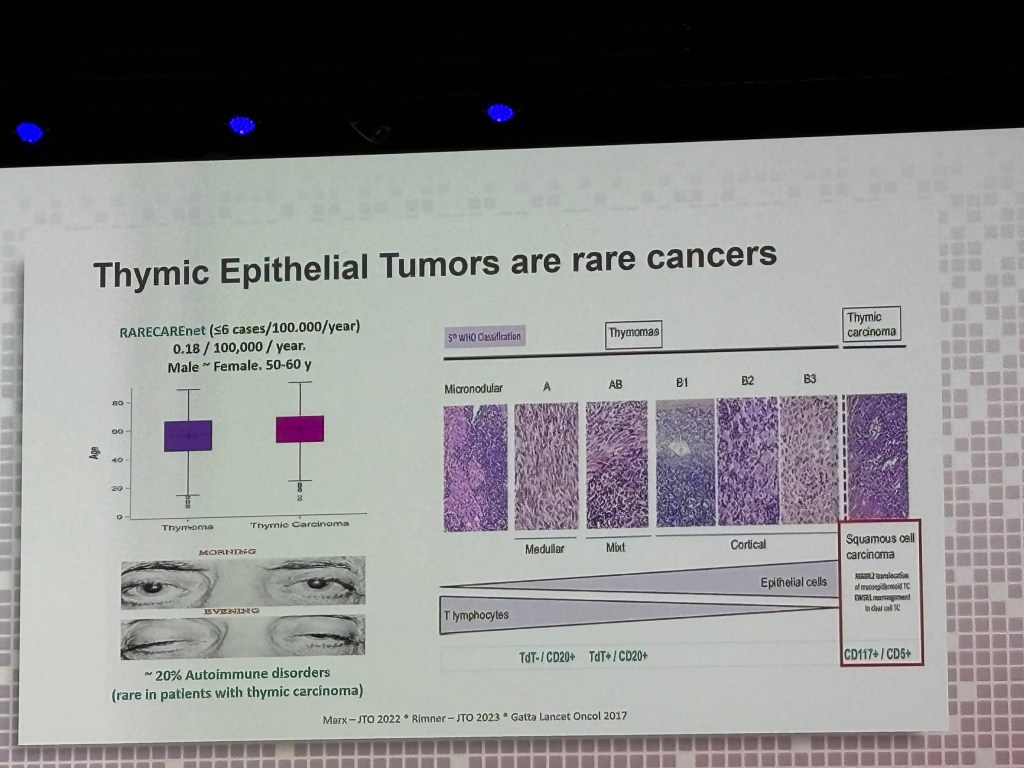
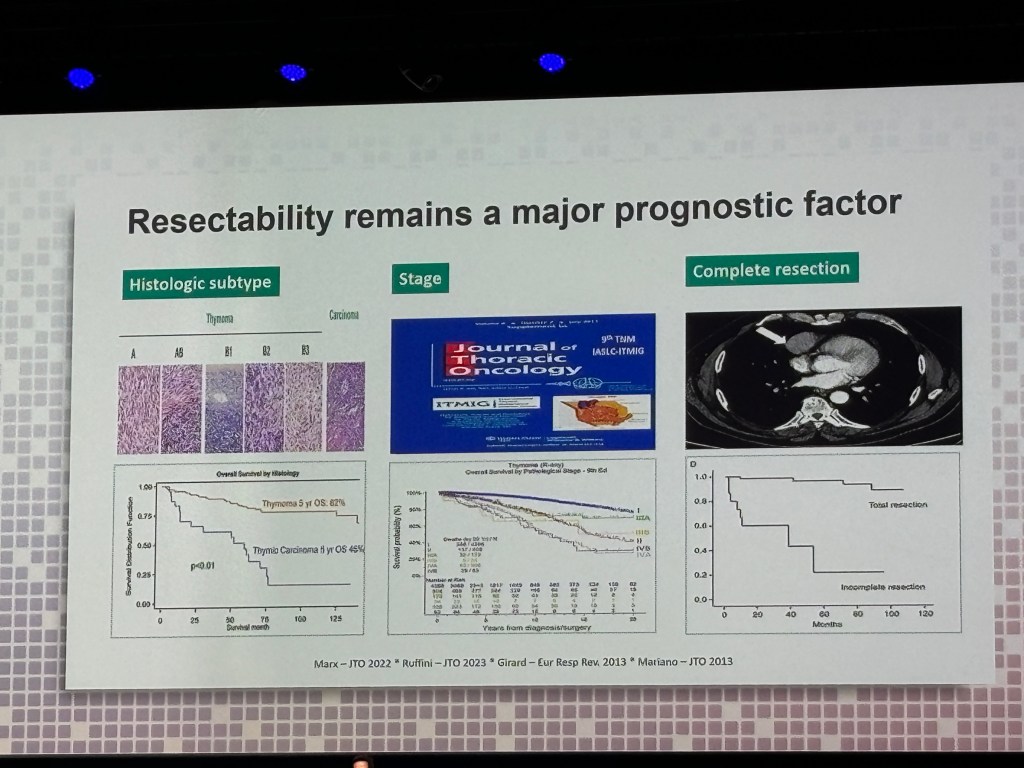
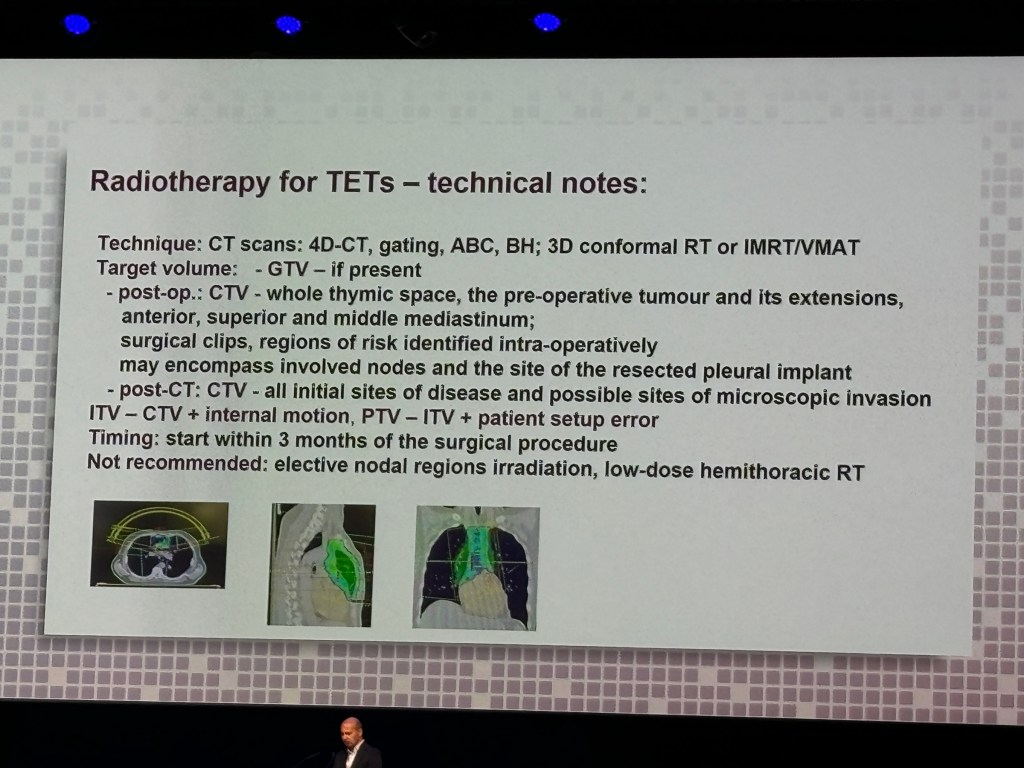
Tumours of Thymus are rare. So clinical data is usually spare. Hence they do not feature prominently in International conferences.

So it is interesting and a welcome gesture that ESMO dedicated a morning session to Thymic tumours. (ESMO European Society of Medical Oncology Congress-2024, Fira Barcelona).

Understandably, in a conference hall meant for thousands of delegates only a few hundreds turned up for the rare thymic tumours ( as delegates attended the 12 other massive halls with simultaneous sessions for common cancers such as prostate, breast , bowel etc).

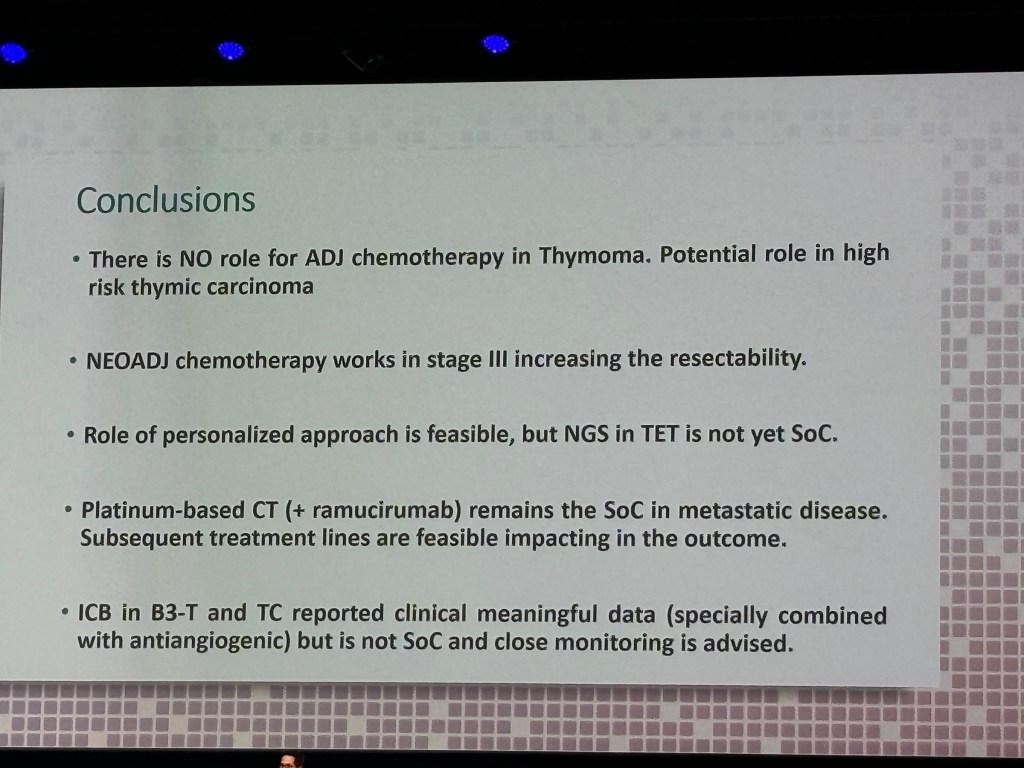
The relevant updates from this session are: 

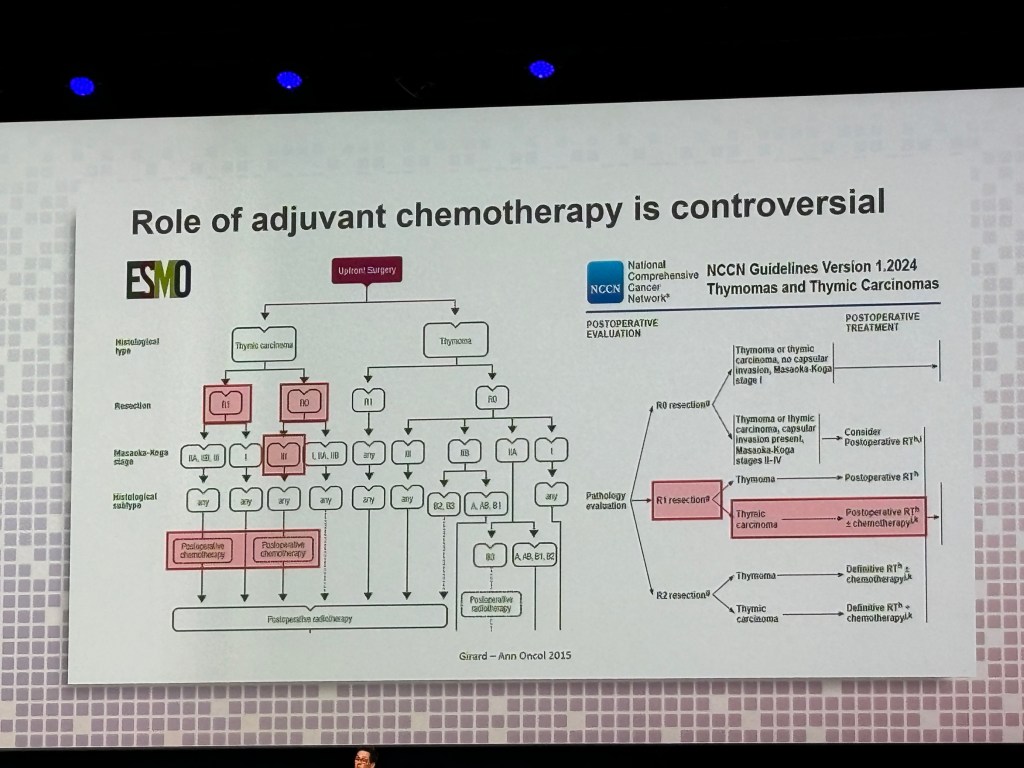
  1. Surgical resection where feasible is the best treatment.
  2. in selected cases , post-operative radiotherapy can be considered 
  3. Routine adjuvant chemotherapy after complete surgical excision for early cancers is NOT indicated 
  4. Thymic cancers are chemo-sensitive and they have the potential to turn inoperable cancers to operable cancers.
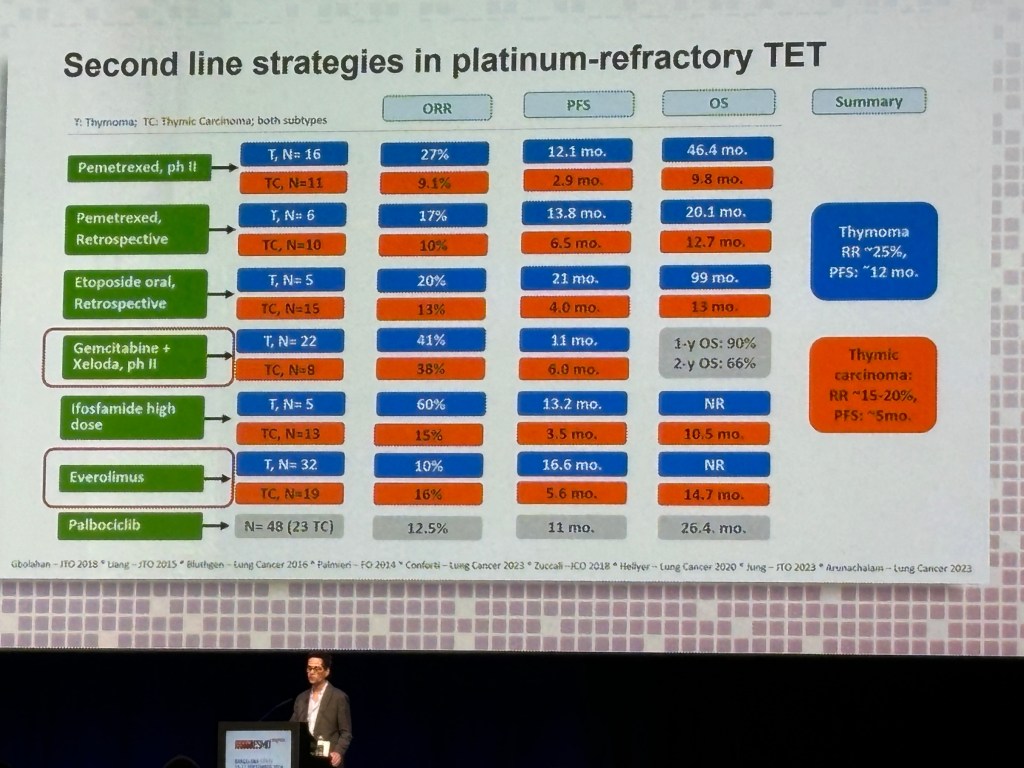
  5. Platinum and Anthracycline combination chemo regimens have the best response rates.
  6. Immunotherapy and Molecular targeted therapy are possible options in those resistant to platinum drugs in addition to other non-platinum chemotherapy drugs .

Disclaimer: Please note – This blog is NOT medical advice. This blog is NOT a expert medical opinion on various topics. This blog is purely for information only and do check the sources where cited. Please DO consult your own doctor to discuss concerns and options relevant to you. The views expressed in this blog are NOT, in any way whatsoever, intended to be a substitute for professional advice. The blog is NOT previewed, commissioned or otherwise endorsed, in any way, by any organisation that the author is associated with. The views expressed in this blog likely represents some of the author’s personal views held at the time of drafting the blog and MAY CHANGE overtime, particularly when new evidence comes to light.

New immunotherapy treatment option for Liver cancer

Immunotherapy has dramatically improved the prognosis of skin cancer patients and has made significant improvement in prognosis of kidney, lung, uterus and bladder cancer patients .

Advanced liver cancer is notoriously difficult to treat and prognosis is often poor.

Now a widely used combination immunotherapy therapy treatment has been found to improve the prognosis of liver cancer patients.

Patients with inoperable, previously untreated, liver cancer had significantly longer overall survival with the combination of nivolumab plus ipilimumab compared with former standard-of-care with lenvatinib or sorafenib.

Doublet Immunotherapy (nivolumab plus ipilimumab ) is a standard of care now in primary liver cancer ( HCC: hepato cellular carcinoma ).

References

1. ASCO 2024. Nivolumab (NIVO) plus ipilimumab (IPI) vs lenvatinib (LEN) or sorafenib (SOR) as first-line treatment for unresectable hepatocellular carcinoma (uHCC): First results from CheckMate 9DW. Abstract LBA4008

Disclaimer: Please note – This blog is NOT medical advice. This blog is NOT a expert medical opinion on various topics. This blog is purely for information only and do check the sources where cited. Please DO consult your own doctor to discuss concerns and options relevant to you. The views expressed in this blog are NOT, in any way whatsoever, intended to be a substitute for professional advice. The blog is NOT previewed, commissioned or otherwise endorsed, in any way, by any organisation that the author is associated with. The views expressed in this blog likely represents some of the author’s personal views held at the time of drafting the blog and MAY CHANGE overtime, particularly when new evidence comes to light.
Immunotherapy given before surgery for skin cancer melanoma improves overall outcome .

Skin cancers, which can amendable for surgery, are removed straightaway.

A recent trial indicates giving some immunotherapy treatment before the operation is better than immediate surgery.

Also avoiding additional treatment after surgery in those who have responded well to prior immunotherapy is a bonus through this personalised approach.

This approach is likely to become the standard of care.

References

1. NEJM. Neoadjuvant Nivolumab and Ipilimumab in Resectable Stage III Melanoma.

2. ASCO 2024. Neoadjuvant nivolumab plus ipilimumab versus adjuvant nivolumab in macroscopic, resectable stage III melanoma: The phase 3 NADINA trial.

3. ASCO 2024 Daily news. NADINA: Neoadjuvant Ipilimumab Plus Nivolumab Poised to Become a New Standard of Care for Macroscopic Stage III Melanoma

Disclaimer: Please note – This blog is NOT medical advice. This blog is NOT a expert medical opinion on various topics. This blog is purely for information only and do check the sources where cited. Please DO consult your own doctor to discuss concerns and options relevant to you. The views expressed in this blog are NOT, in any way whatsoever, intended to be a substitute for professional advice. The blog is NOT previewed, commissioned or otherwise endorsed, in any way, by any organisation that the author is associated with. The views expressed in this blog likely represents some of the author’s personal views held at the time of drafting the blog and MAY CHANGE overtime, particularly when new evidence comes to light.
Cancer Vaccine for the nasty skin cancer Melanoma

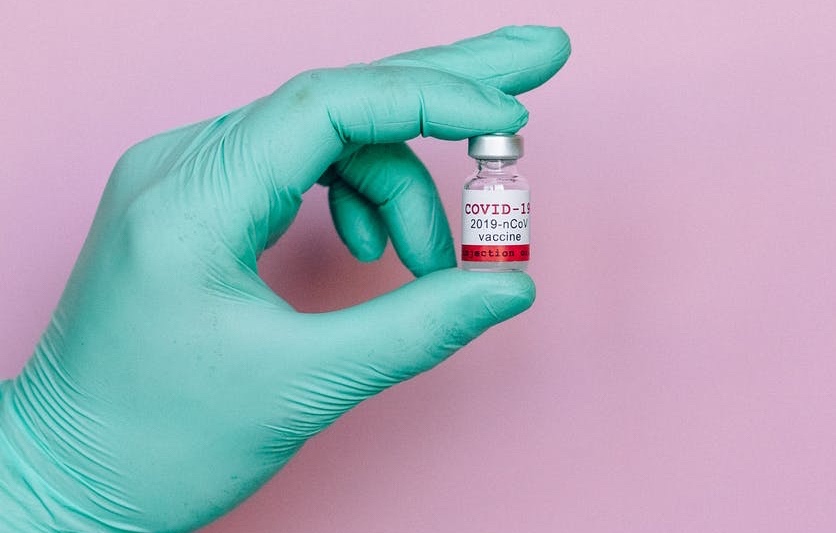
Vaccines based on mRNA played a significant role during COVID pandemic .

A Cancer vaccine based on mRNA is showing lot of promise in a type of skin cancer called melanoma.

Results presented at the ASCO meeting in Chicago show better survival outcome compared to the current standard immunotherapy.

Confirmatory trials are in progress to provide further evidence for this personalised vaccine.

References

Guardian: ‘Extremely impressive’: melanoma jab trial results excite doctors. Andrew Gregory. Health editor. Mon 3 Jun 2024 22.00 BST

ASCO Abstract. Individualized neoantigen therapy mRNA-4157 (V940) plus pembrolizumab in resected melanoma: 3-year update from the mRNA-4157-P201 (KEYNOTE-942) trial.

ASCO Trials in Progress. INTerpath-001: Pembrolizumab with V940 (mRNA-4157) versus pembrolizumab with placebo for adjuvant treatment of high-risk stage II-IV melanoma.

Disclaimer: Please note – This blog is NOT medical advice. This blog is NOT a expert medical opinion on various topics. This blog is purely for information only and do check the sources where cited. Please DO consult your own doctor to discuss concerns and options relevant to you. The views expressed in this blog are NOT, in any way whatsoever, intended to be a substitute for professional advice. The blog is NOT previewed, commissioned or otherwise endorsed, in any way, by any organisation that the author is associated with. The views expressed in this blog likely represents some of the author’s personal views held at the time of drafting the blog and MAY CHANGE overtime, particularly when new evidence comes to light.
A major breakthrough in advanced bladder cancer

Advanced bladder cancer is a difficult disease to treat in many patients.

For a long time, there was no major advance in first line treatment

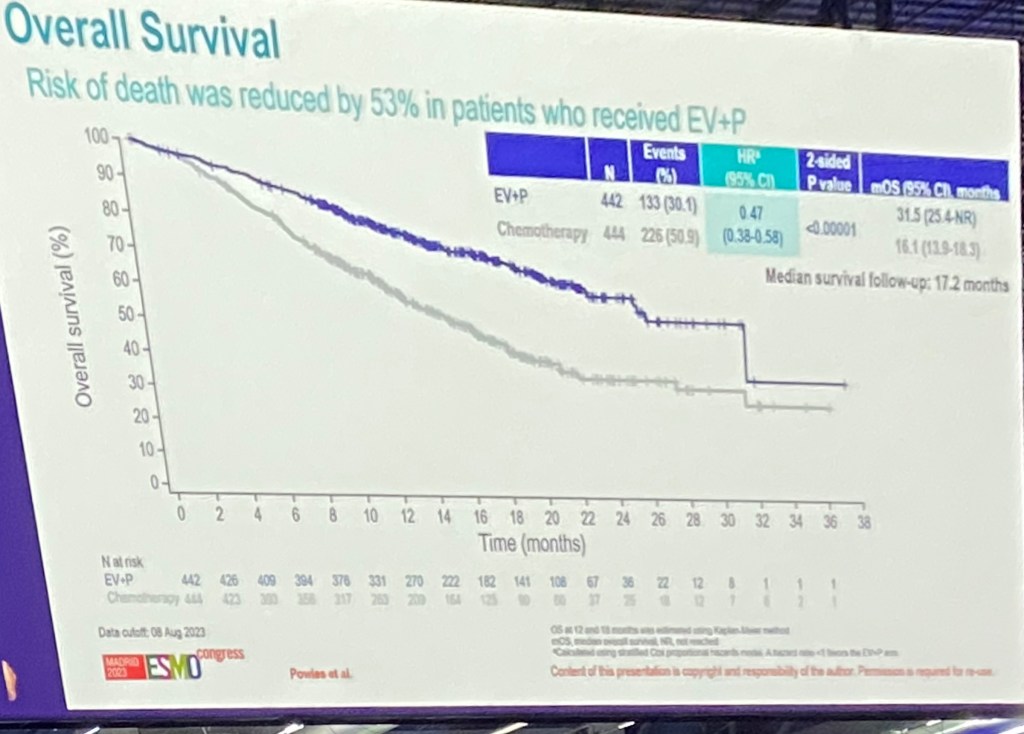
Today, at an European Cancer conference in Madrid, there was a breakthrough announcement about a new combination for bladder cancer.

The combination of EV ( enfortumab vedotin) and Pembro ( Pembrolizumab) has shown dramatically better results in a clinical trial reported today.

The combination of EV+ Pembro will become first choice of treatment for Advanced bladder cancer now.

References

LBA6 EV-302/KEYNOTE-A39: Open-label, randomized phase III study of enfortumab vedotin in combination with pembrolizumab (EV+P) vs chemotherapy (Chemo) in previously untreated locally advanced metastatic urothelial carcinoma (la/mUC)

Disclaimer: Please note – This blog is NOT medical advice. This blog is NOT a expert medical opinion on various topics. This blog is purely for information only and do check the sources where cited. Please DO consult your own doctor to discuss concerns and options relevant to you. The views expressed in this blog are NOT, in any way whatsoever, intended to be a substitute for professional advice. The blog is NOT previewed, commissioned or otherwise endorsed, in any way, by any organisation that the author is associated with. The views expressed in this blog likely represents some of the author’s personal views held at the time of drafting the blog and MAY CHANGE overtime, particularly when new evidence comes to light.

Immunotherapy improves survival of patients with Advanced Cervical cancer

Advanced Cervical cancer, that cannot be cured by surgery or radiotherpy, is usually treated with chemotherapy.

A study assessed the effectiveness of immunotherapy in combination with standard chemotherapy.

The results were presented at the ESMO (European Medical Oncology Conference) on 18th Sept 2021.

The combination of immunotherapy and chemotherapy is remarkably better and makes patients live longer.

This is likely to become the standard of care now.

References

Presidential Symposium 1 (ESMO Congress 2021). KEYNOTE-826 trial met its dual primary endpoints.

Disclaimer: Please note – This blog is NOT medical advice. This blog is NOT a expert medical opinion on various topics. This blog is purely for information only and do check the sources where cited. Please DO consult your own doctor to discuss concerns and options relevant to you. The views expressed in this blog are NOT, in way whatsoever, intended to be a substitute for professional advice. The blog is NOT previewed, commissioned or otherwise endorsed, in any way, by any organisation that the author is associated with. The views expressed in this blog likely represents some of the author’s personal views held at the time of drafting the blog and MAY CHANGE overtime, particularly when new evidence comes to light.
Vaccine for the obesity pandemic !

As the world battles the COVID-19 pandemic , there is another pandemic that been going on for decades without any end in sight.

The other pandemic is obesity !

Obesity has caused far more deaths than the COVID-19 pandemic.

The Vaccines promise to end the COVID-19 pandemic.

Wouldn’t it be wonderful if a vaccine can sort the obesity pandemic ? It does not need to be rhetorical question or wishful thinking.

An article in Science magazine reports an association between obesity and a type of body immune cell called macrophages. This raises the possibility of using immunotherapy for obesity.

There is also another tantalising possibility. Behaviours, emotions and eating wrong type of food are often blamed for obesity. What if the entire scientific thinking about obesity is wrong?

In the past, another widespread condition used to be blamed on wrong food and stress. Stomach ulcers used to be very common and very distressing. Modern stressful life, emotions and wrong type of food were universally blamed for stomach ulcers. Then an Australian team proved stomach ulcers were due to an infection. Now stomach ulcers are routinely treated by antibiotics!

Obesity is common among the disadvantaged people in society. All types of infections are common in disadvantaged people. So it is not beyond the realms of plausiblity to hypothesise (suggest) that obesity could be caused by an infectious agent that affects food intake in some way, by possibly affecting sense of taste or smell of smell or feeling of fullness after eating (satiety).

If an infectious agent (e.g bacteria, virus or prion) is indeed found to be responsible for development of obesity, then the vaccines would provide a very easy way to prevent obesity.

Please note: The science magazine article on immunotherapy is based on excellent, high quality scientific work. But the possibility of an infection being responsible for obesity is merely a scientific hypothesis or scientific suggestion. It is based on a personal hunch. It is NOT based on any direct high quality scientific data at this stage !

References

Science Magazine. An anti-obesity immunotherapy? https://science.sciencemag.org/content/373/6550/24

BBC. Over a million hospital admissions for obesity
By Sophie Hutchinson
BBC News

Disclaimer: Please note- This blog is NOT medical advice. This blog is NOT a expert medical opinion on various topics. This blog is purely for information only and do check the sources where cited. Please DO consult your own doctor to discuss concerns and options relevant to you. The views expressed in this blog represent the author’s personal views held at the time of drafting the blog and may change overtime, particularly when new evidence comes to light. The blog is NOT previewed, commissioned or otherwise endorsed by any organisation that the author is associated with. The views expressed in this blog are NOT, in way whatsoever, intended to be a substitute for professional advice.

New treatment for Cervical cancer

Advanced Cervical cancer which has come back after surgery or radiotherpy is usually treated with chemotherapy.

There is a new immunotherapy treatment option for all advanced cervical cancer patients now .

At the European Society of Medical Oncology (ESMO 2021) virtual conference, an international team of investigators, presented trial data regarding this new immunotherapy drug called cemiplimab.

One group of patients in the trial received the immunotherapy drug cemiplimab every 3 wks and another group of patients received intravenous chemo (pemetrexed, vinorelbine, gemcitabine, irinotecan or topotecan).

Cemiplimab significantly improved survival of patients and was better than chemotherapy.

This new immunotherapy drug cemiplimab is already being used for skin cancers and vulval skin cancers. Very soon, it would be used in cervical cancer patients.

Reference

ESMO 2022 Virtual Plenary Resources:
RANDOMISED PHASE III TRIAL DATA ON THE EFFICACY AND SAFETY OF CEMIPLIMAB AS OPPOSED TO CHEMOTHERAPY IN PATIENTS WITH PROGRESSIVE ADVANCED CERVICAL CANCER. Presenter: Krishnansu S. Tewari, USA; Discussant: Mansoor Mirza, Denmark;

Disclaimer: Please note- This blog is NOT medical advice. This blog is NOT a expert medical opinion on various topics. This blog is purely for information only and do check the the sources where cited. Please DO consult your own doctor to discuss concerns and options relevant to you. The views expressed in this blog represent the author’s views held at the time of drafting the blog and may change overtime, particularly when new evidence comes to light. The blog is not previewed, commissioned or otherwise endorsed by any organisation the author is associated with. The views expressed in this blog are not in way intended to be a substitute for professional advice.

Are COVID-19 vaccines safe in cancer patients having immunotherapy?

Yes, Pfizer vaccine is safe.

A recent study published in the esteemed Lancet Oncology Journal shows that the vaccine is well tolerated in patients having immunotherapy.

Unlike cancer chemotherapy, immunotherapy works differently. It works by releasing the in-built brakes holding down the immune system thereby boosting the body’s immune system against cancer.

There has been some theoretical concerns whether this might lead to COVID vaccine causing more side effects.

Reassuringly, the Vaccine side effects were NO different from those seen in people not having immunotherapy. The Vaccine also did NOT increase the immunotherapy side effects.

Immunotherapy is increasingly used widely in treatment of cancer are often better tolerated than chemotherapy.

So the study is good news for tens of thousands of patients on immunotherapy and any cancer patient who has hesitated before, should seriously consider having the vaccine now

COVID infection could be very nasty in cancer patients and all evidence points to the benefits of vaccine far outweighing any risks from the Vaccine.

References

Short-term safety of the BNT162b2 mRNA COVID-19 vaccine in patients with cancer treated with immune checkpoint inhibitors
The Lancet Oncology. Published: April 1, 2021
Barliz Waissengrin et al. DOI:https://doi.org/10.1016/S1470-2045(21)00155-8

Disclaimer: Please note- This blog is NOT medical advice. This blog is NOT a expert medical opinion on various topics. This blog is purely for information only and do check the the sources where cited. Please DO consult your own doctor to discuss concerns and options relevant to you. The views expressed in this blog represent the author’s views held at the time of drafting the blog and may change overtime, particularly when new evidence comes to light. The blog is not previewed, commissioned or otherwise endorsed by any organisation the author is associated with. The authors views are not in way intended to be a substitute for professional advice.
Is the COVID-19 Coronavirus vaccine safe for use in patients having chemotherapy and immunotherapy?

Yes, the available indirect evidence indicates that the anticipated benefits overweigh the potential risks.

Cancer patients, particularly those on chemotherapy have compromised immune systems and hence more vulnerable to COVID-19 Coronavirus complications.

The guidelines indicate that anticipated benefits of vaccine are greater than unknown risks from the Coronavirus vaccines.

The Vaccine trials deliberately included lot of healthy people. Very few people with cancer, particularly cancer patients on active treatment, were included in the COVID-19 trials. So there is not much direct evidence regarding efficacy and safety of Vaccines in cancer patients. But indirect evidence significantly favours Coronavirus vaccination in cancer patients.

Flu vaccines are regularly used in cancer patients without any major side effects specific to cancer patients. No increase in incidence or severity of drug side effects were seen in immunotherapy patients having flu vaccines.

On balance, Vaccination is most likely to be of utmost benefit for most advanced cancer patients on active treatment.

References:

ESMO STATEMENTS FOR VACCINATION AGAINST COVID-19 IN PATIENTS WITH CANCER.

Guidance: COVID-19: the green book, chapter 14a
Coronavirus (COVID-19) vaccination information
for public health professionals. (UK),

Cochrane: Influenza (flu) vaccination for preventing influenza in adults with cancer

Safety of Inactivated Influenza Vaccine in Cancer Patients Receiving Immune Checkpoint Inhibitors
Curtis R Chong et al. Clin Infect Dis. 2020.

ESMO: CANCER PATIENT MANAGEMENT DURING THE COVID-19 PANDEMIC.

Kuderer NM Choueiri TK Shah DP et al.
Clinical impact of COVID-19 on patients with cancer (CCC19): a cohort study. Lancet. 2020; 395: 1907-1918

Disclaimer: Please note- This blog is NOT medical advice. This blog is purely for information only and do check the the sources where cited. Please consult your own doctor to discuss concerns and options relevant to you.
The views expressed in this blog represent the author’s views held at the time of drafting the blog and is likely to change overtime, particularly when new evidence comes to light. The blog is not necessarily endorsed by any organisation the author is associated with and views are not substitute for professional advice.
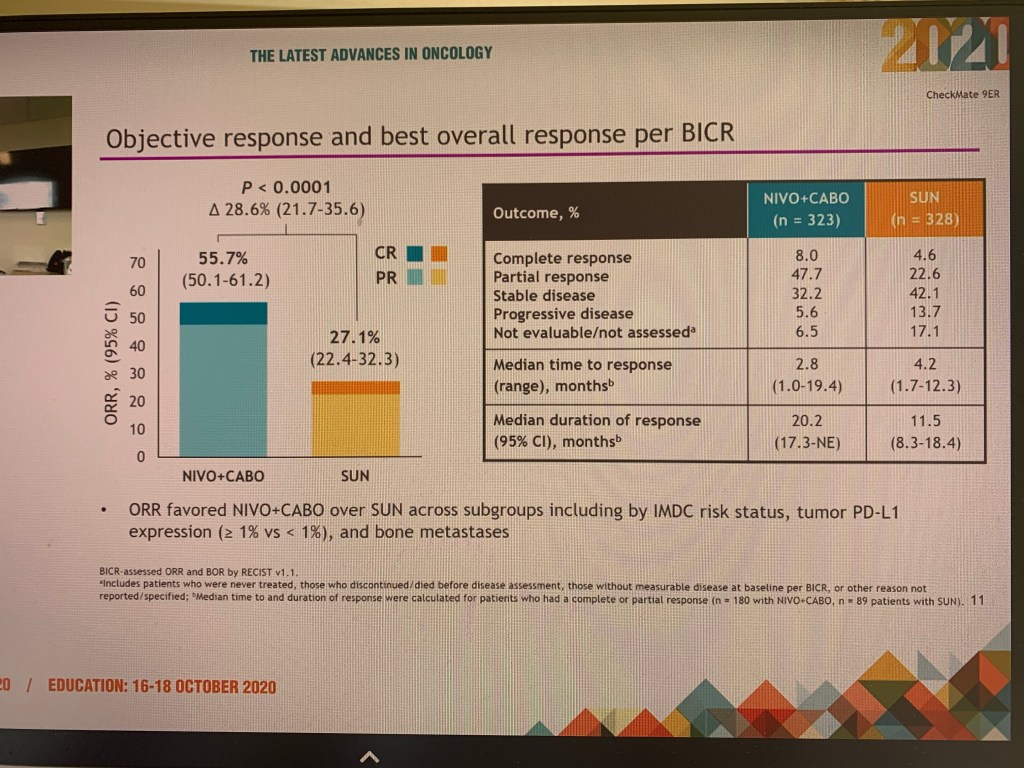
New treatment combination for advanced Kidney cancers

The treatment of kidney cancer has dramatically changed in the last decade. More treatments are in pipeline and there was more exciting news this week.

Upfront immunotherapy in combination with other agents is very promising in 1st line treatment of advanced kidney cancers.

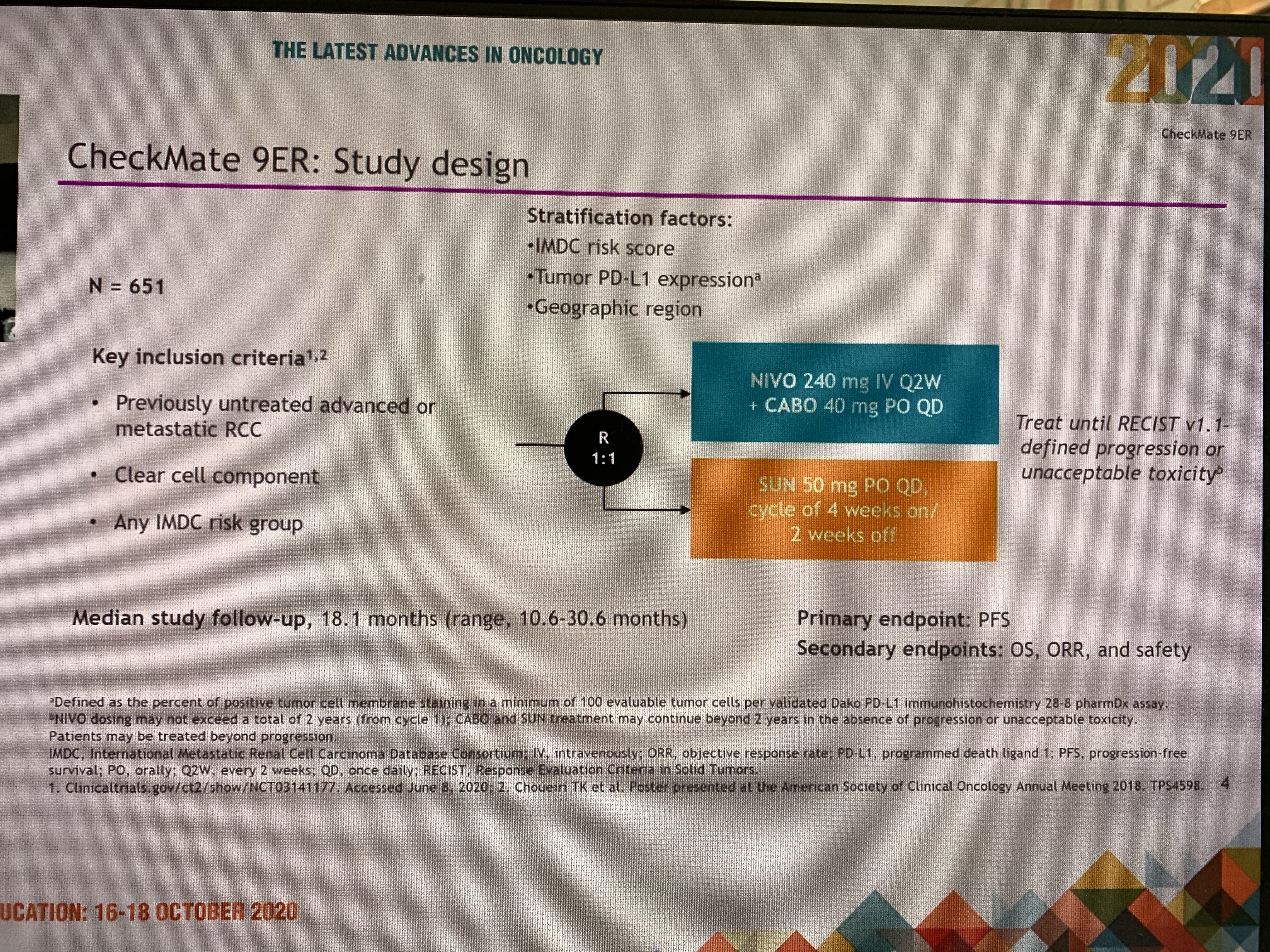
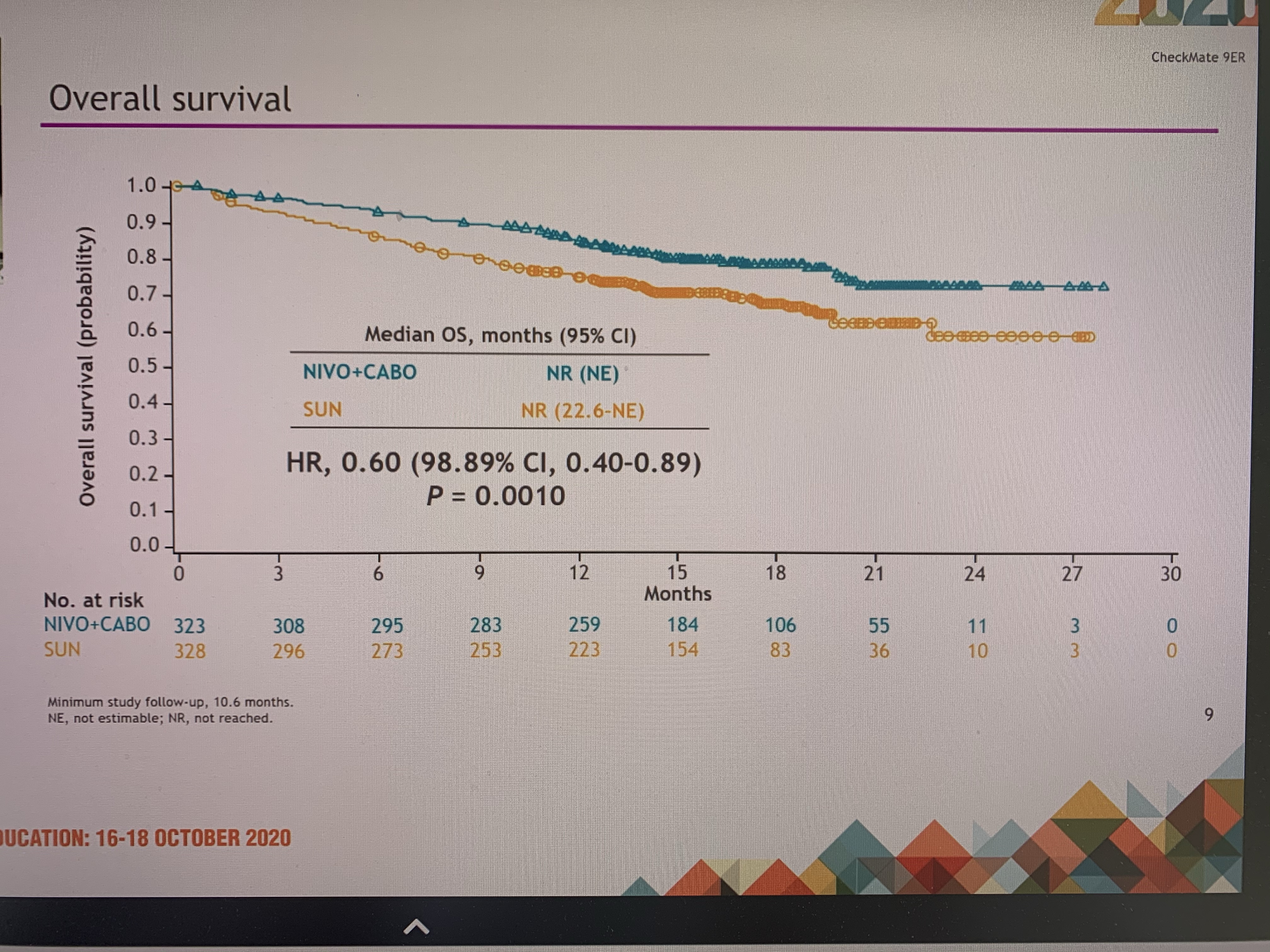
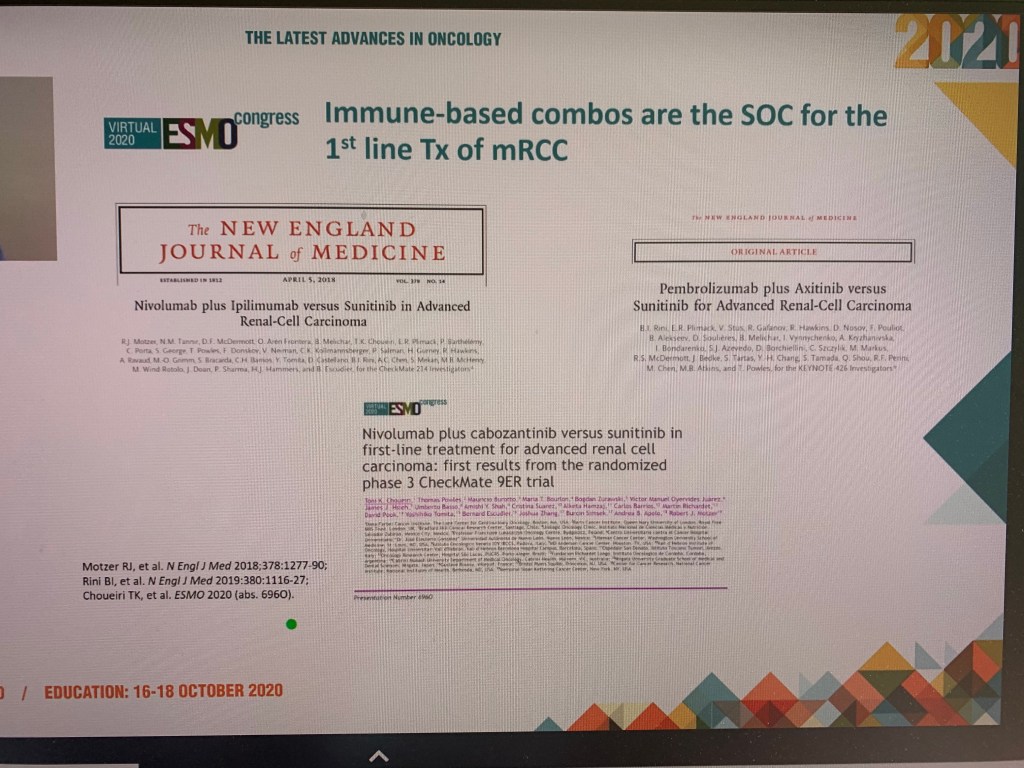
Data presented at ESMO ( European Society of Medical Oncology) shows that the combination of Nivolumab and Cabozantinib is better than Sunitinib alone.

Nivolumab and Cabozantinib” combo joins the other combos “Nivolumab and Ipililumab” and “Pembrolizumab and Axitinib “ as 1st line options

Disclaimer: Please note- This blog is NOT medical advice. This blog is purely for information only and do check the the sources where cited. Please consult your own doctor to discuss concerns and options relevant to you.

The views expressed in this blog represent the author’s views held at the time of drafting the blog and is likely to change overtime, particularly when new evidence comes to light. The blog is not necessarily endorsed by any organisation the author is associated with and views are not substitute for professional advice.
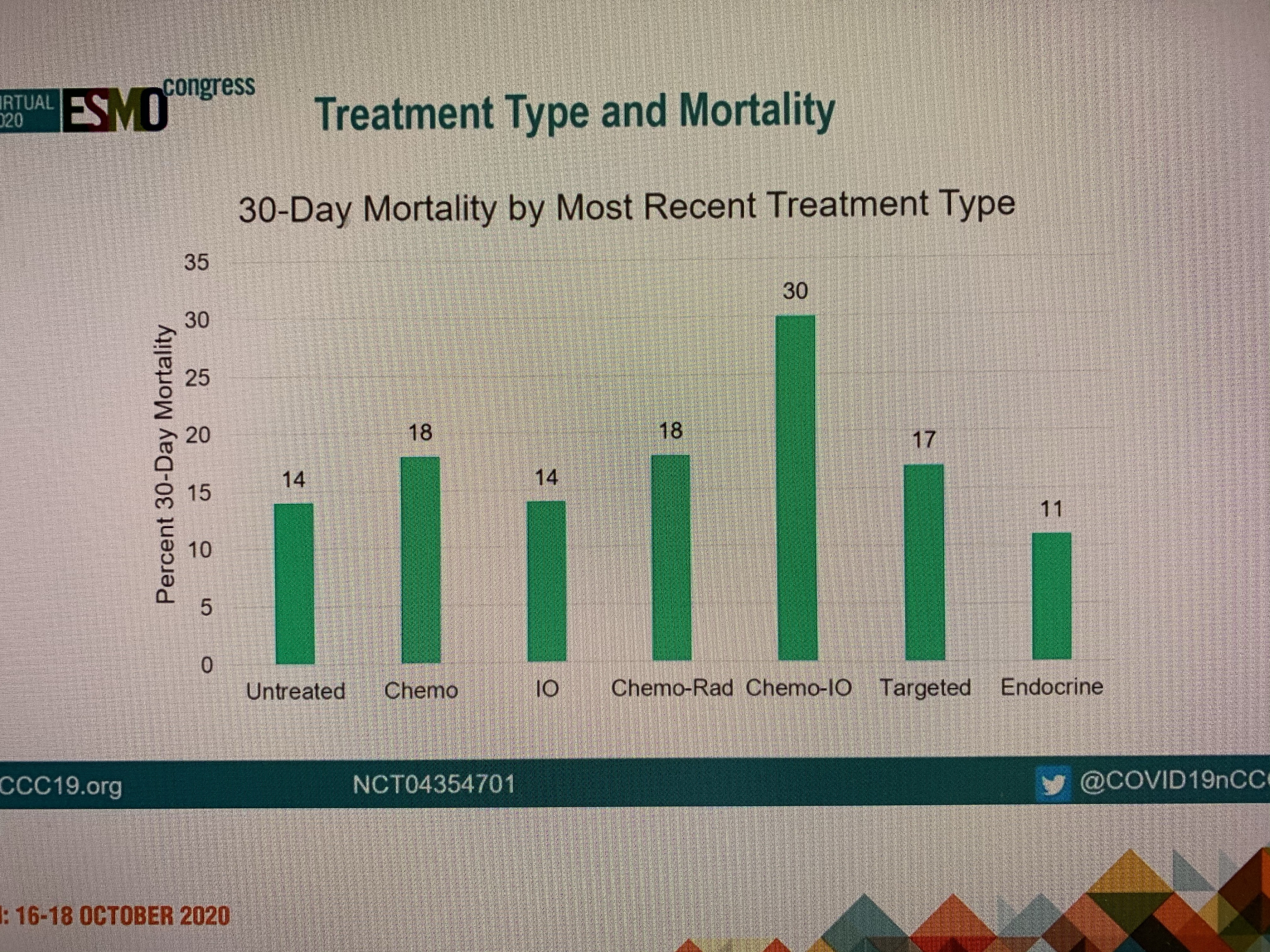
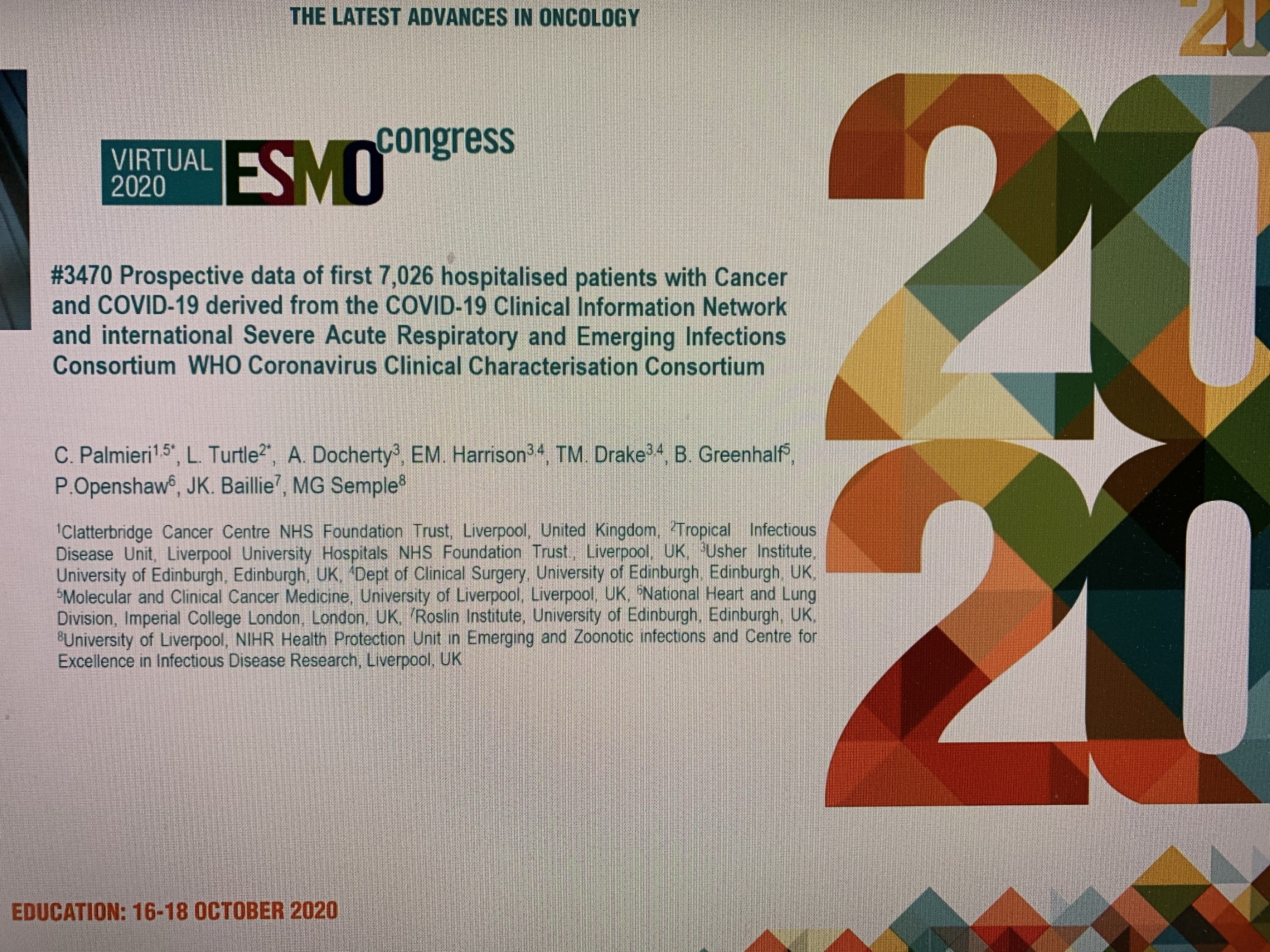
Cancer and COVID-19

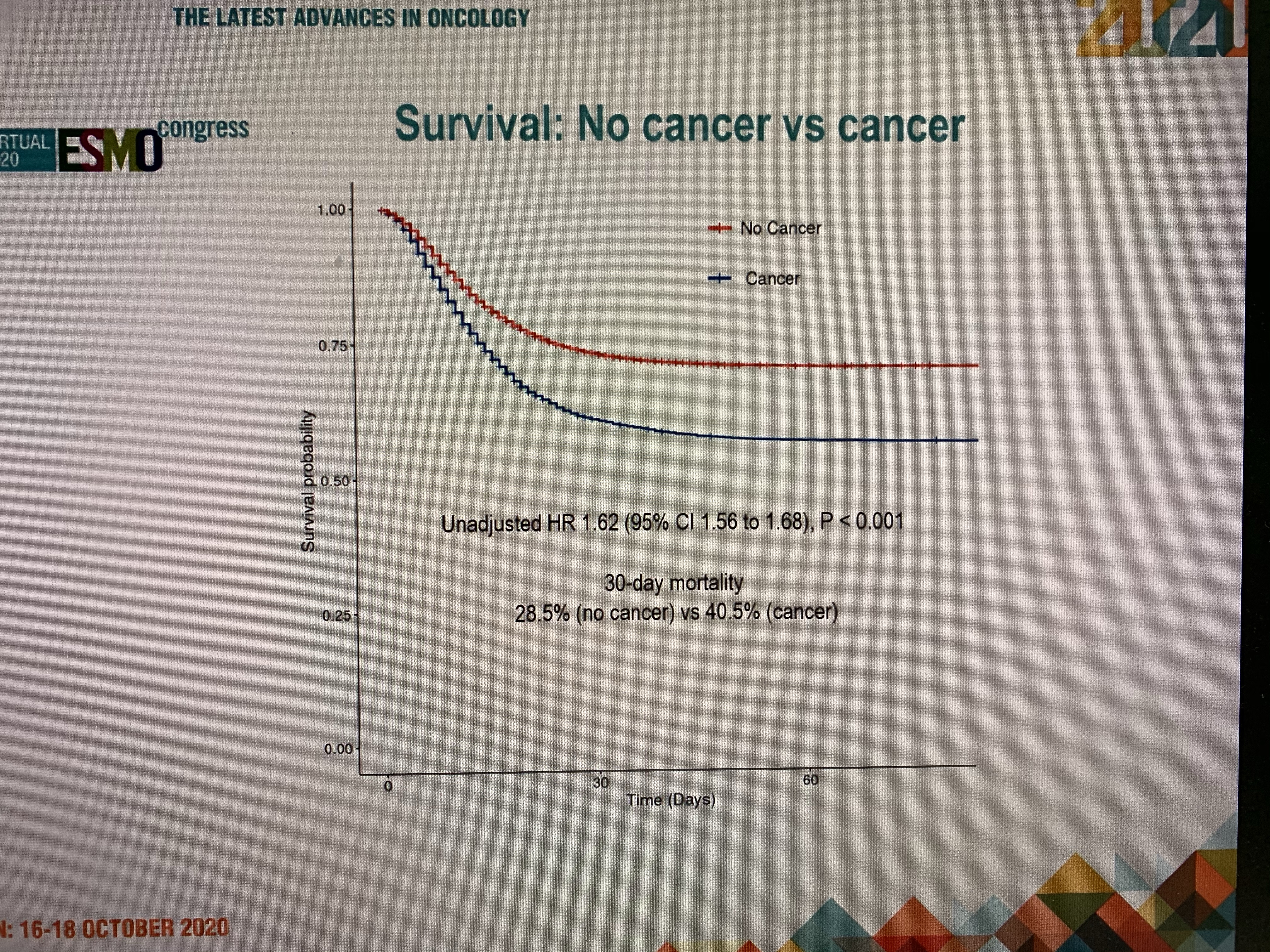
Cancer patients, as expected, did badly during the 1st wave of the COVID-19 pandemic

Data presented at ESMO ( European Society of Medical Oncology) shows that Cancers had – higher rates of Hospitalisation, higher risk of Complications and increased risk of Death.

Elderly cancer patients on the whole did very badly but surprisingly cancer patients under age of 50 did far worse than their peers without cancer.

Disclaimer: Please note- This blog is NOT medical advice. This blog is purely for information only and do check the the sources where cited. Please consult your own doctor to discuss concerns and options relevant to you.

The views expressed in this blog represent the author’s views held at the time of drafting the blog and is likely to change overtime, particularly when new evidence comes to light. The blog is not necessarily endorsed by any organisation the author is associated with and views are not substitute for professional advice.
Immunotherapy not superior to Chemotherapy in 1st line treatment of bladder cancer

Immunotherapy has revolutionised the treatment of many advanced cancers such Skin cancer Melanoma and Kidney cancers.

Immunotherapy is a standard treatment for 2nd line treatment of bladder cancer.

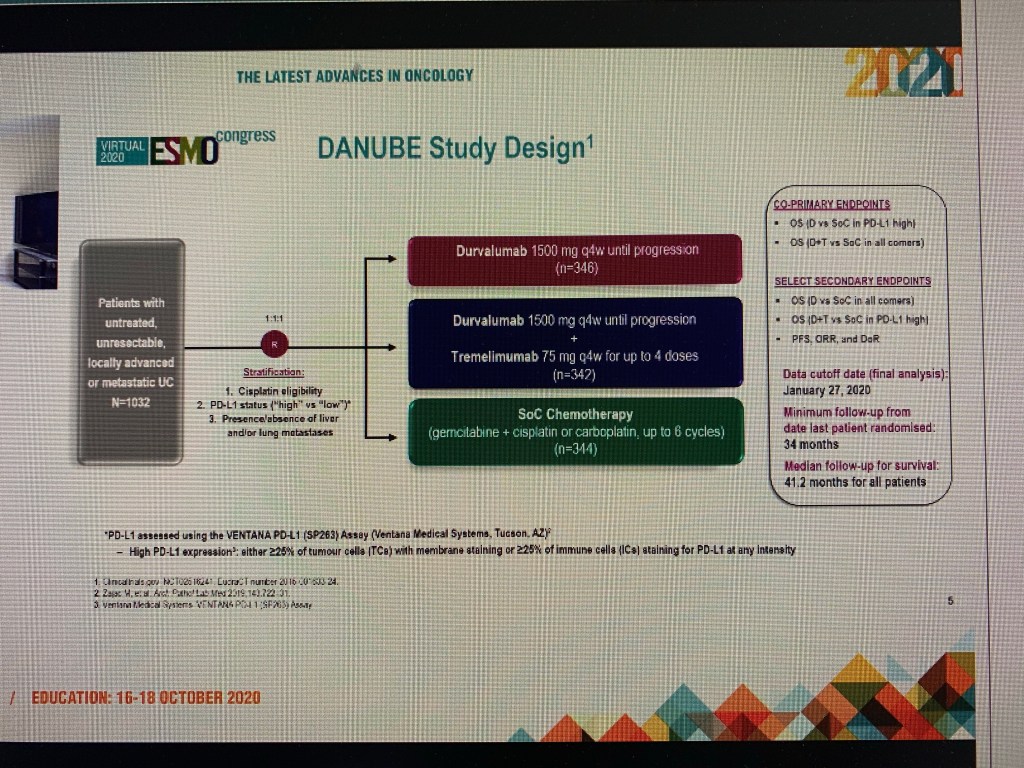
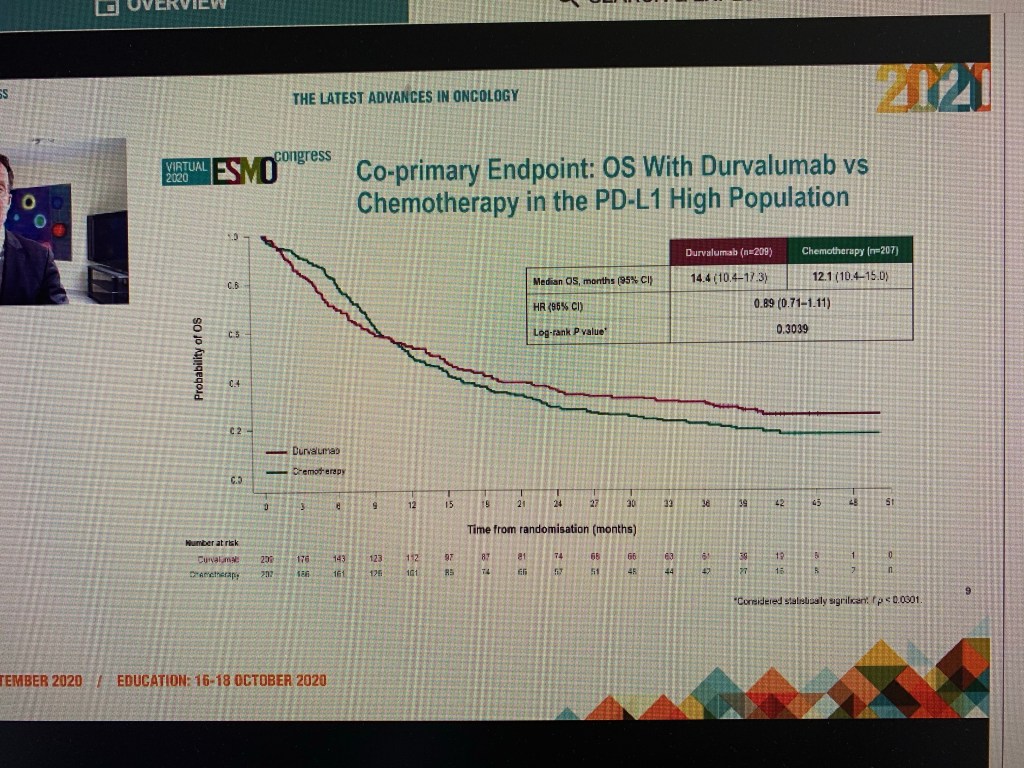
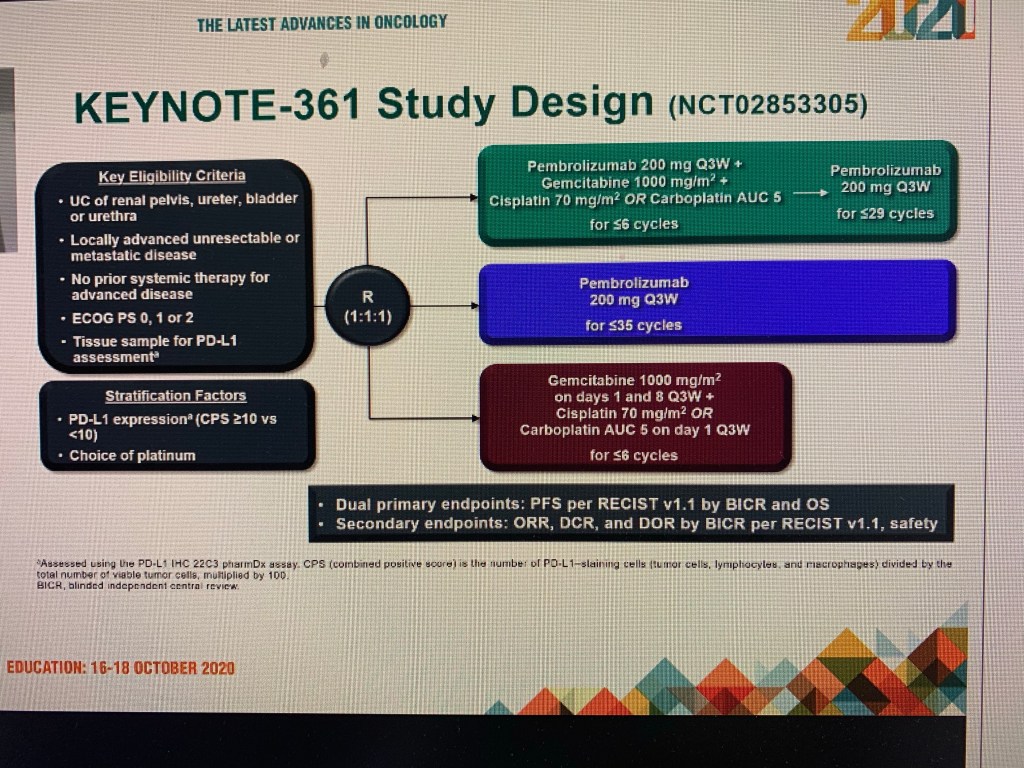
Two recent trials presented at ESMO virtual meeting explored the use of immunotherapy in 1st line setting. (Pembrolizumab and Durvalumab).

Immunotherapy alone, or in combination with Chemotherapy was not superior even in patients selected by markers thought to favour immunotherapy alone.

For most bladder cancer patients immunotherapy remains a excellent 2nd line option or as a maintenance treatment option.

Disclaimer: Please note- This blog is NOT medical advice. This blog is purely for information only and do check the the sources where cited. Please consult your own doctor to discuss concerns and options relevant to you. The views expressed in this blog represent the author’s views held at the time of drafting the blog and is likely to change overtime, particularly when new evidence comes to light. The blog is not necessarily endorsed by any organisation the author is associated with and views are not substitute for professional advice.

If you survive the Coronavirus, Can you get Coronavirus infection again ?

Yes, you can get infection again.

Last month, we had studies reporting that the immunity to Coronavirus fades quickly after recovering from an infection. The scientists have warned that re-infection is a risk.

Now, we have a case in Hong Kong where a patient seem to have been unlucky to get the infection again. It is a worrying report and suggests that coronavirus is going to be with us for a long time.

The only reassuring fact is that patient was free of symptoms during second infection. One has to hope that all re-infections are mild !

References

1. Sundar.blog. CAN YOU GET CORONAVIRUS INFECTION MORE THAN ONCE?

2. BBC. Hong Kong reports ‘first case’ of virus reinfection.

3. Clinical Infectious Diseases : report on twitter.

Disclaimer: Please note- This blog is NOT medical advice. This blog is purely for information only and do check the the sources where cited. Please consult your own doctor to discuss concerns and options relevant to you.

The views expressed in this blog represent the author’s views held at the time of publication and is likely to change overtime, particularly when new evidence comes to light. The blog is not necessarily endorsed by any organisation the author is associated with and views are not substitute for professional advice.
Are Routine blood tests essential during follow up of low grade Lymphoma?

Bloods tests have the potential to pick up various abnormalities including cancer related abnormalities during follow up of cancers.

But , many patients would be surprised to know that there is ongoing debate about usefulness of routine blood tests atleast in some cancers !

In a recent study, Australian investigators assessed the role of routine blood tests during monitoring of patients with low grade lymphoma.

They found that routine blood tests rarely found or detected disease progression in patients who did not have any symptoms.

References

Routine Blood Tests in Asymptomatic Patients With Indolent Lymphoma Have Limited Ability to Detect Clinically Significant Disease Progression. DOI: 10.1200/JOP.19.00771 JCO Oncology Practice – published online before print June 25, 2020. PMID: 32584701

Effectiveness of Routine Blood Testing in Detection of Disease During Active Surveillance for Indolent Non-Hodgkin Lymphoma. By Matthew Stenger. Posted: 7/16/2020 1:40:00 PM . Last Updated: 7/29/2020 1:59:00 PM

Utility of Routine Surveillance Laboratory Testing in Detecting Relapse in Patients With Classic Hodgkin Lymphoma in First Remission: Results From a Large Single-Institution Study. DOI: 10.1200/JOP.19.00733 JCO Oncology Practice – published online before print May 5, 2020. PMID: 32369413

Disclaimer: Please note- This blog is NOT medical advice. This blog is purely for information only and do check the the sources where cited. Please consult your own doctor to discuss concerns and options relevant to you.

The views expressed in this blog represent the author’s views held at the time of publication and is likely to change overtime, particularly when new evidence comes to light. The blog is not necessarily endorsed by any organisation the author is associated with and views are not substitute for professional advice.
Exciting new immunotherapy treatment !

Test tube lab

The holy grail of cancer treatment is design a drug that is highly lethal to cancerous tissue but completely spares the normal tissues.

Scientists at Cardiff University have discovered immune cells which could provide such a clever treatment.
It is still early days. The principle has been proven in lab. But to be a useful treatment that can be used in cancer patients, it is still far off.

This particular novel form of immunotherapy using T cells is still in early stages and so many hurdles have to be overcome before this discovery could be employed in cancer treatment.

Nevertheless, it has certainly excited many researchers in the field of cancer and the paper has been published by a premier scientific journal.


References:

Original scientific paper. Genome-wide CRISPR–Cas9 screening reveals ubiquitous T cell cancer targeting via the monomorphic MHC class I-related protein MR1

BBC news. Immune discovery ‘may treat all cancer’. By James Gallagher. Health and science correspondent

Disclaimer: Please note- This blog is NOT medical advice. This blog is purely for information only. See your own doctor to discuss concerns and options relevant for you.