Immediately after a COVID infection, people can be very sick and in some people, hospitalisation and death can occur.
Even after recovering from a COVID infection, some people can have fatigue, breathlessness, muscle ache, brain fog and other symptoms which can persist for many months. This persistence of symptoms is known as long COVID.
Previously, it was feared that a high percentage of people may go on to develop long COVID. A previous estimate suggested that as many as 1 in 10 people may develop long COVID.
Now , an ONS survey suggests that far less people may develop longer COVID. It is mow estimated that 1 in 40 people may have long COVID after recovering from a COVID infection.
BMJ. Long covid clinics should be run as research hubs. BMJ 2021; 374 doi: https://doi.org/10.1136/bmj.n1996 (Published 20 August 2021) Cite this as: BMJ 2021;374:n1996
Disclaimer: Please note – This blog is NOT medical advice. This blog is NOT a expert medical opinion on various topics. This blog is purely for information only and do check the sources where cited. Please DO consult your own doctor to discuss concerns and options relevant to you. The views expressed in this blog are NOT, in way whatsoever, intended to be a substitute for professional advice. The blog is NOT previewed, commissioned or otherwise endorsed, in any way, by any organisation that the author is associated with. The views expressed in this blog likely represents some of the author’s personal views held at the time of drafting the blog and MAY CHANGE overtime, particularly when new evidence comes to light
U.K. is on course to lift almost all COVID restrictions in mid July 2021.
A U.K. minister has said that “wearing masks” would become a personal choice.
Just because there is a choice, it does not mean it is always good for you.
Government decisions are often made not only with scientific facts but also with economic and political considerations. Compulsory masks may not be liked by a section of society and Government has to take that into account in a democratic society.
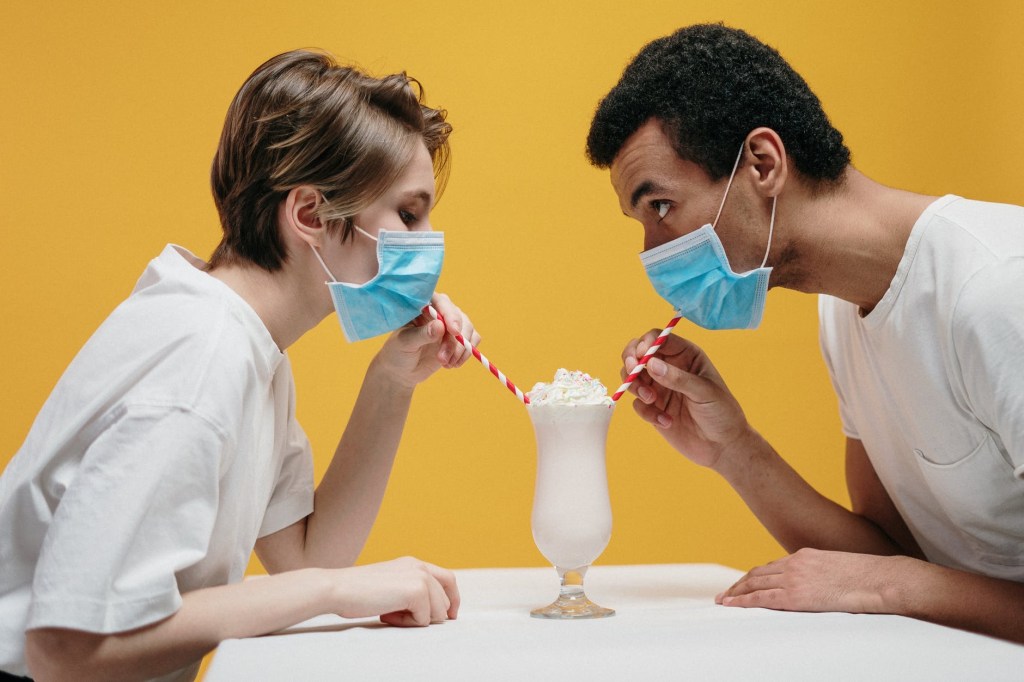
Personally electing to wear masks in crowded public places could be sensible for the following reasons.
– There is some debate about the extent of protection a person gets wearing masks following the Danish mask study. But no robust scientific study has shown significant harm from wearing masks. So it is better to be safe and wear masks even if the extent of protection is debatable.
– Infections are rising now and luckily, vaccines seem to have protected most people from getting severe COVID. But Vaccines are not 100% effective. Moreover, when infection rates go up further and society opens up more, there is a risk of variants emerging that may be partially vaccine resistant. So wearing masks may provide some protection.
– Not all people get poorly when they get COVID. But these people with COVID can still pass infection to other vulnerable family members and people who don’t have the protection from vaccines. So wearing a mask can stop people with mild COVID from spreading the infection to others.
– Some people do not want to wear masks because they think they are not at risk of death or hospitalisation. Remember, COVID related problems affect different people in different ways. Lot of people do recover from COVID without major problems. But some people do develop long-term symptoms from COVID. So it is better to wear masks for COVID protection.
Disclaimer: Please note- This blog is NOT medical advice. This blog is NOT a expert medical opinion on various topics. This blog is purely for information only and do check the sources where cited. Please DO consult your own doctor to discuss concerns and options relevant to you. The views expressed in this blog represent the author’s views held at the time of drafting the blog and may change overtime, particularly when new evidence comes to light. The blog is not previewed, commissioned or otherwise endorsed by any organisation that the author is associated with. The views expressed in this blog are not, in way whatsoever, intended to be a substitute for professional advice.
COVID-19 is not a self limiting illness particularly if you have been poorly enough to be hospitalised the first time around.
Even after recovering from a COVID-19 infection, many people remain at high risk of death.
A recent UK study published in the BMJ found that “ Nearly a third of people who have been in hospital before were readmitted after discharge for further treatment in the following four months”.
“And worryingly one in ten patients died during the follow up period after hospital discharge”.
The increase in risk was not confined to the elderly. So everyone still needs to be careful as the lockdown is being gradually eased.
Disclaimer: Please note- This blog is NOT medical advice. This blog is NOT a expert medical opinion on various topics. This blog is purely for information only and do check the the sources where cited. Please DO consult your own doctor to discuss concerns and options relevant to you.
The views expressed in this blog represent the author’s views held at the time of drafting the blog and may change overtime, particularly when new evidence comes to light. The blog is not previewed, commissioned or otherwise endorsed by any organisation the author is associated with. The authors views are not in way intended to be a substitute for professional advice.




 Dr S Sundar