A study which analysed multiple other studies reports that “Exercise such as walking or jogging, yoga, and strength training were effective in treatment of depression”; the more intense the exercise, better the effect !
The study authors say that “Yoga and strength training were particularly well tolerated” .
The paper published in BMj concludes “Exercise can be considered alongside psychotherapy and antidepressants as core treatments for depression”.
Yes, a recent study suggests that contrary to popular opinion, trying to forget bad news is better than openly talking about it.
More than 50 years back, many people particularly, British people were advised to keep a stiff upper lip and carry on with their life and not dwell or over share their negative experiences. Then came the American way of Psychotherapy which encouraged everyone to talk about bad things that happened to them.
Men, in particular, were also encouraged to openly talk about their emotions. This was widely accepted as the right thing to do by almost all psychologists and psychiatrists.
Contrary to this widely accepted view, now a new study has shown that the old British stiff upper lip of keeping your emotions in check and carrying on with life is probably better.
The British Royal family, particularly, the Late queen was often accused of not showing enough emotions in Public. This study proves that she is probably right and is having the last laugh !!
So it may be perfectly reasonable not to talk and dwell on bad news and getting on with life.
Mentally suppressing bad news may be not be harmful. Pushing away bad memories can fade them and improve your mental health.
2023: Zulkayda Mamat, Michael C. Anderson. Improving mental health by training the suppression of unwanted thoughts. Science Advances, 2023; 9 (38) DOI: 10.1126/sciadv.adh5292
2009: Berk, M., & Parker, G. (2009). The Elephant on the Couch: Side-Effects of Psychotherapy. Australian & New Zealand Journal of Psychiatry, 43(9), 787–794. https://doi.org/10.1080/00048670903107559
Disclaimer: Please note- This blog is NOT medical advice. This blog is NOT a expert medical opinion on various topics. This blog is purely for information only and do check the sources where cited. Please DO consult your own doctor to discuss concerns and options relevant to you. The views expressed in this blog represent the author’s personal views held at the time of drafting the blog and may change overtime, particularly when new evidence comes to light. The blog is NOT previewed, commissioned or otherwise endorsed by any organisation that the author is associated with. The views expressed in this blog are NOT, in way whatsoever, intended to be a substitute for professional advice.
Disclaimer: Please note – This blog is NOT medical advice. This blog is NOT a expert medical opinion on various topics. This blog is purely for information only and do check the sources where cited. Please DO consult your own doctor to discuss concerns and options relevant to you. The views expressed in this blog are NOT, in way whatsoever, intended to be a substitute for professional advice. The blog is NOT previewed, commissioned or otherwise endorsed, in any way, by any organisation that the author is associated with. The views expressed in this blog likely represents some of the author’s personal views held at the time of drafting the blog and MAY CHANGE overtime, particularly when new evidence comes to light.
A recent British study reports that nearly a third of middle-aged adults have at least two Health issues.
This is very a depressing statistic.
Lot of people seem to suffering from high blood pressure, mental ill-health and back problems.
It’s important that people take time to look after themselves even if work and life in general is stressful.
It is also important to note that COVID affects people with underlying health issues much more badly.
On the other hand, middle aged people who have health issues should not despair. They are not an exception and think of themselves as very unlucky.
They can see that lots of other people are also suffering. They should get on with their lives and make it better.
This may sound a bit odd at first glance. But some people do find it reassuring to know that lots of other people are also suffering with same health issues.
For example, Some of prostate cancers patients are relieved when they learn that hundreds of thousands of people are out there, living for many years, after a cancer diagnosis. They are not alone.
Cancer Research U.K. website says this: “An estimated 280,500 men who had been diagnosed with prostate cancer between 1991 and 2010 were alive in the UK at the end of 2010”
BMJ. Features of 20 133 UK patients in hospital with covid-19 using the ISARIC WHO Clinical Characterisation Protocol: prospective observational cohort study BMJ 2020; 369 doi: https://doi.org/10.1136/bmj.m1985 (Published 22 May 2020) Cite this as: BMJ 2020;369:m1985
Disclaimer: Please note- This blog is NOT medical advice. This blog is NOT a expert medical opinion on various topics. This blog is purely for information only and do check the sources where cited. Please DO consult your own doctor to discuss concerns and options relevant to you. The views expressed in this blog represent the author’s personal views held at the time of drafting the blog and may change overtime, particularly when new evidence comes to light. The blog is NOT previewed, commissioned or otherwise endorsed by any organisation that the author is associated with. The views expressed in this blog are NOT, in way whatsoever, intended to be a substitute for professional advice.
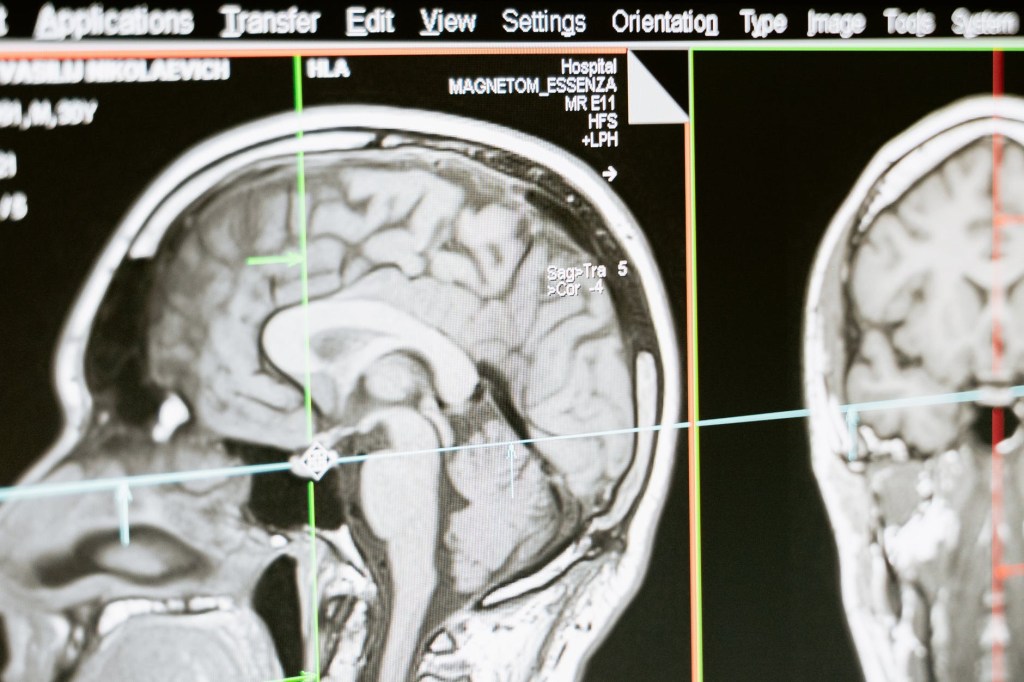
A recent paper published in Lancet Psychiatry reports that at least 1 in 3 patients , who have recovered from severe COVID, have substantial neurological and psychiatric problems during the next six months .
This report is very worrying .
If study findings are confirmed by other studies, this would be yet another substantial reason to consider getting the vaccine as soon as it is offered.
Disclaimer: Please note- This blog is NOT medical advice. This blog is NOT a expert medical opinion on various topics. This blog is purely for information only and do check the the sources where cited. Please DO consult your own doctor to discuss concerns and options relevant to you. The views expressed in this blog represent the author’s views held at the time of drafting the blog and may change overtime, particularly when new evidence comes to light. The blog is not previewed, commissioned or otherwise endorsed by any organisation the author is associated with. The authors views are not in way intended to be a substitute for professional advice.









 Dr S Sundar