Prostate cancer : Surgery versus Radiotherapy

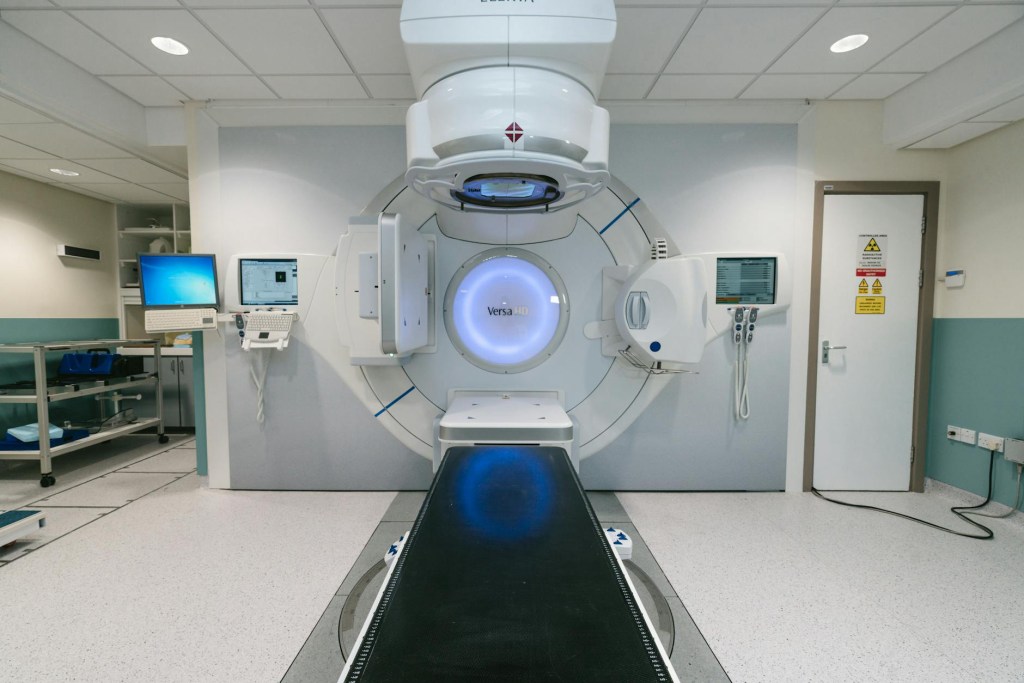
The question of whether to chose surgery or radiotherapy is a difficult decision for most patients with early prostate cancer.

Adding to this confusion is the option of wait and watch policy followed by delayed treatment (if needed) as supported by PROTECT trial.

A high quality UK trial called PACE-A compared surgery versus Radiation in men with low- to intermediate-risk localised prostate cancer.

At 2 years , the study found more people in surgery group reported using more urinary pads and also more sexual problems than radiotherapy group. But the surgery group reported fewer bowel problems than radiotherapy group.

At present, efficacy is expected to be equivalent between two modalities and long term results in term of efficacy is eagerly awaited

Further more, long term data needed in terms of toxicity . This is because some surgery related side effects tend to remain stable whereas some radiotherapy side effects can increase over time. Particularly relevant is the risk of radiation induced cancers can increase over time time . This would be relevant for slightly younger people (eg 60s) who have longer life expectancy compared to elderly people ( eg 80s) .

Also radiation could be used as salvage therapy ( kept as reserve just in case if cancer comes back after surgery ). Whereas if radiation is given upfront, then surgery as second option is usually not a viable option. The caveat is the most intermediate risk cancer patients do not have a relapse after 1st line therapy.

Reference

European Urology Journal: Radical Prostatectomy Versus Stereotactic Radiotherapy for Clinically Localised Prostate Cancer: Results of the PACE-A Randomised Trial.

NEJM Protect trial . Fifteen-Year Outcomes after Monitoring, Surgery, or Radiotherapy for Prostate Cancer.

Disclaimer: Please note – This blog is NOT medical advice. This blog is NOT a expert medical opinion on various topics. This blog is purely for information only and do check the sources where cited. Please DO consult your own doctor to discuss concerns and options relevant to you. The views expressed in this blog are NOT, in any way whatsoever, intended to be a substitute for professional advice. The blog is NOT previewed, commissioned or otherwise endorsed, in any way, by any organisation that the author is associated with. The views expressed in this blog likely represents some of the author’s personal views held at the time of drafting the blog and MAY CHANGE overtime, particularly when new evidence comes to light.
ESMO update on Thymus tumours

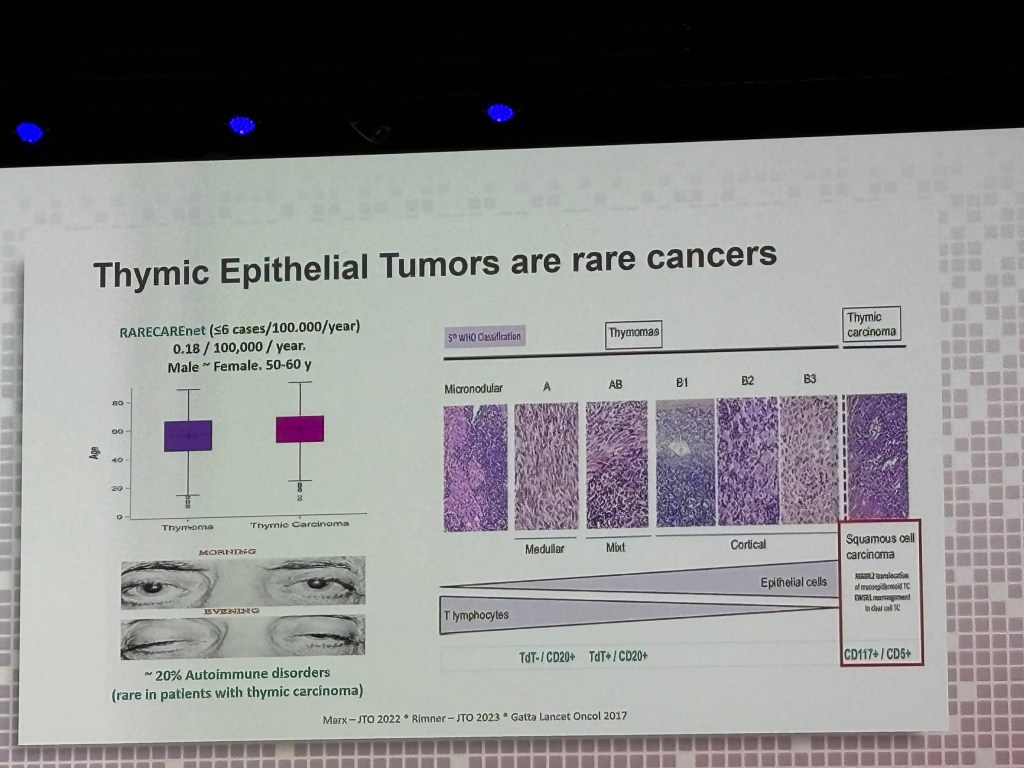
Tumours of Thymus are rare. So clinical data is usually spare. Hence they do not feature prominently in International conferences.

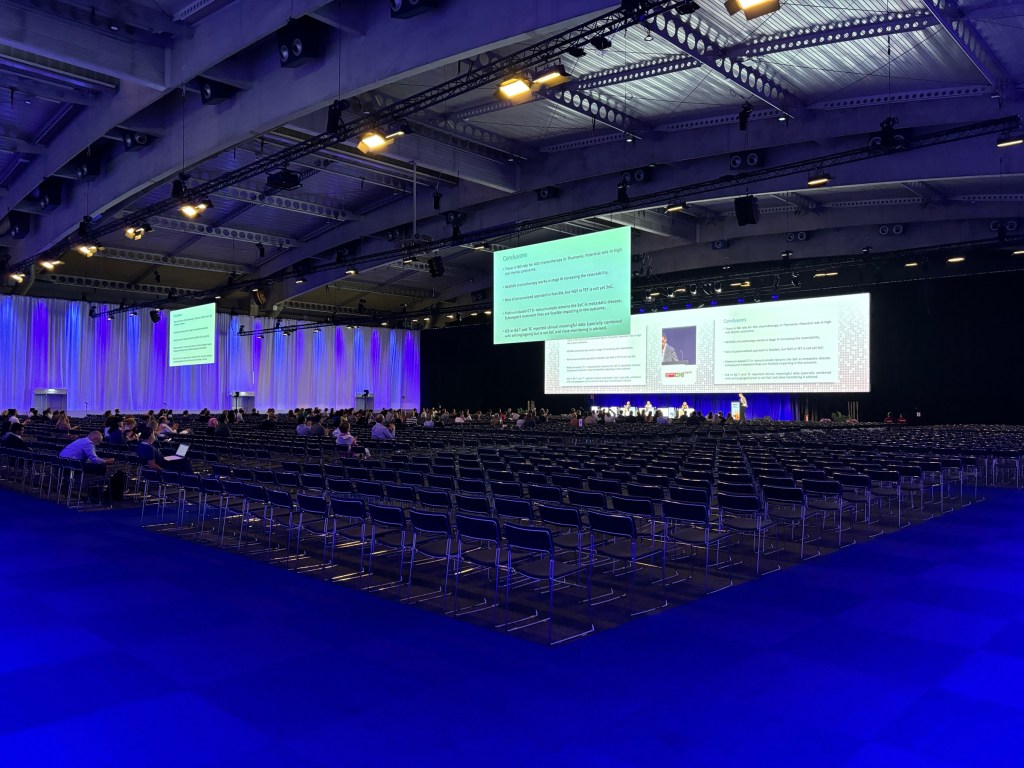
So it is interesting and a welcome gesture that ESMO dedicated a morning session to Thymic tumours. (ESMO European Society of Medical Oncology Congress-2024, Fira Barcelona).

Understandably, in a conference hall meant for thousands of delegates only a few hundreds turned up for the rare thymic tumours ( as delegates attended the 12 other massive halls with simultaneous sessions for common cancers such as prostate, breast , bowel etc).

The relevant updates from this session are: 

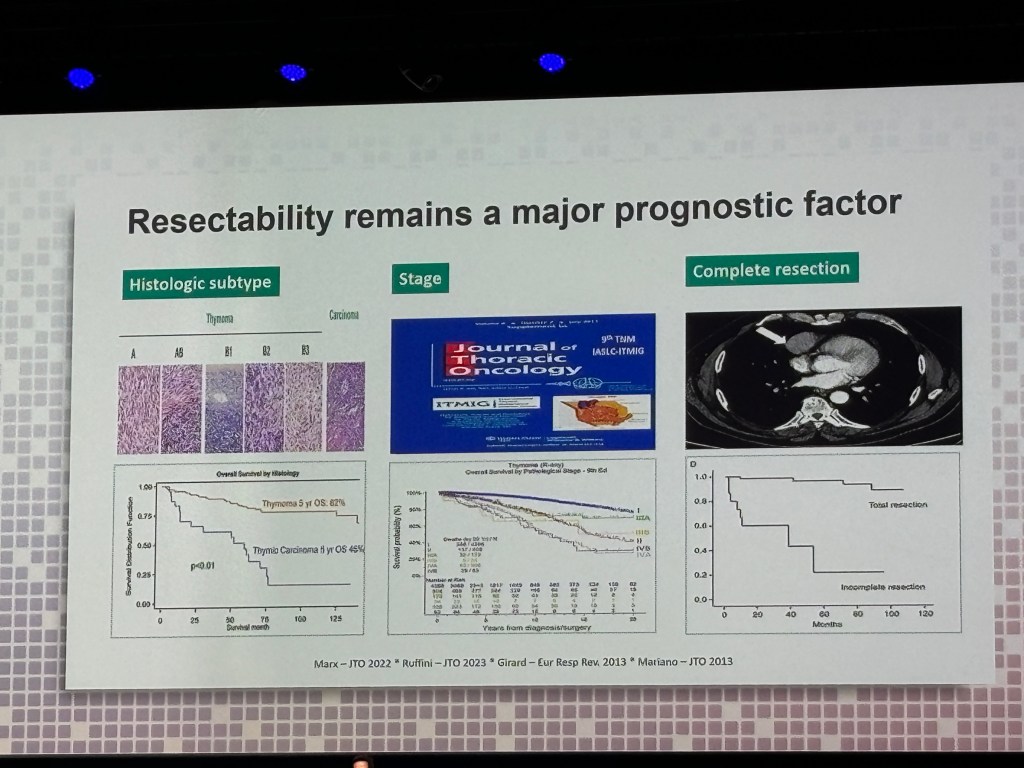
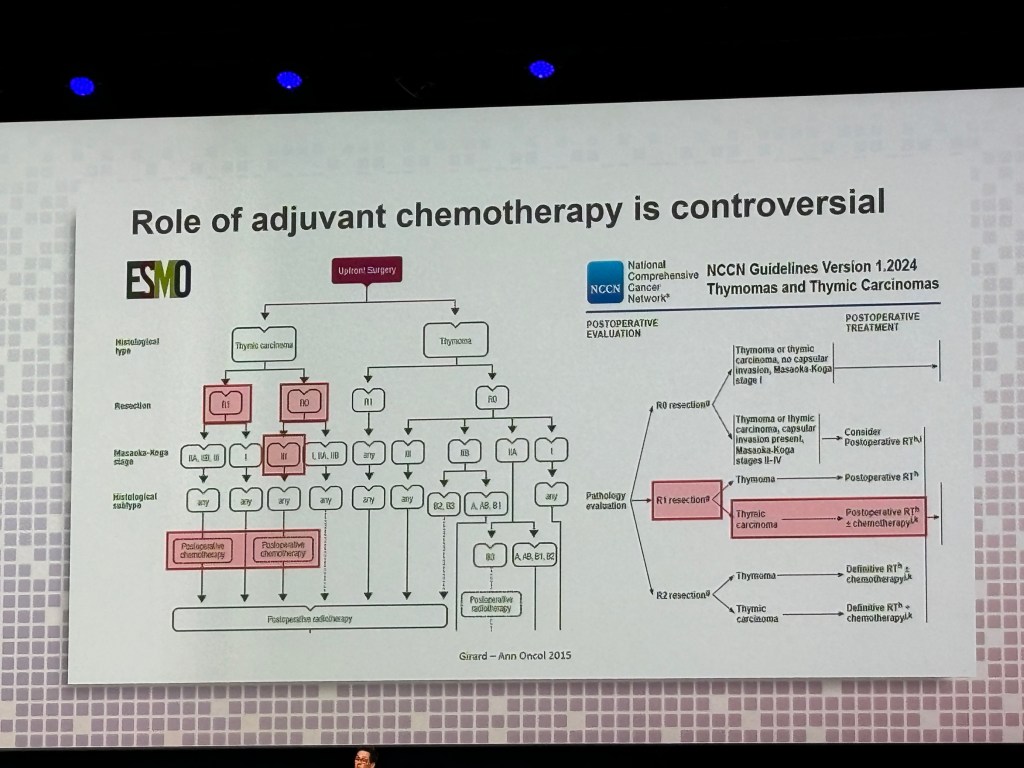
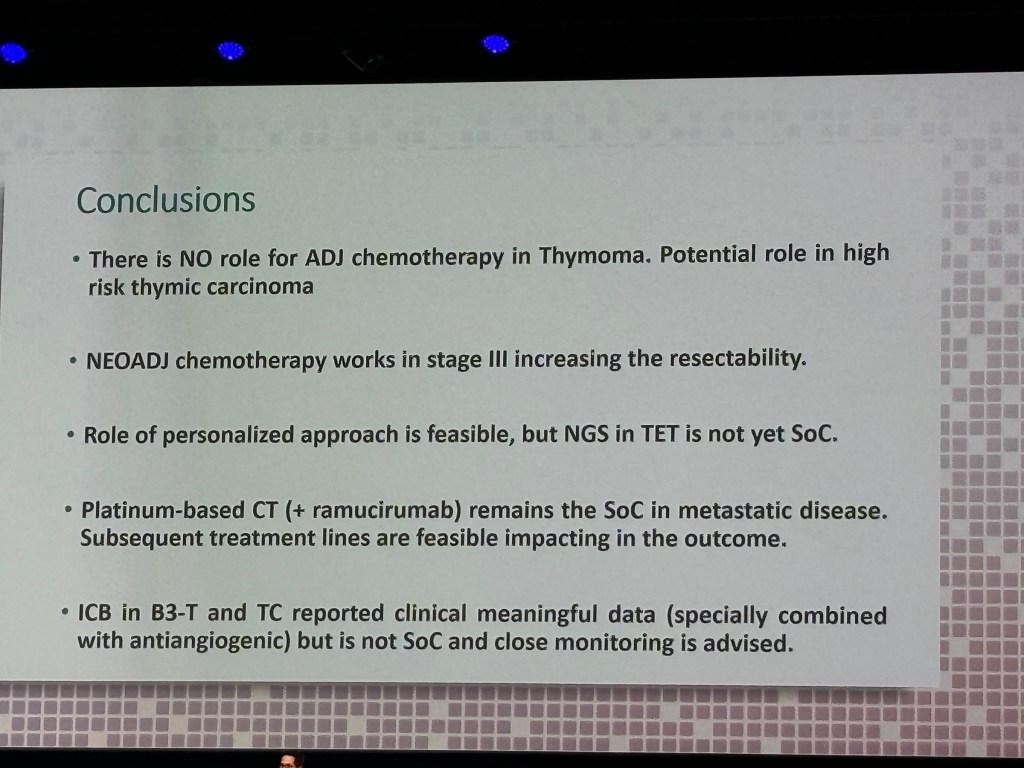
  1. Surgical resection where feasible is the best treatment.
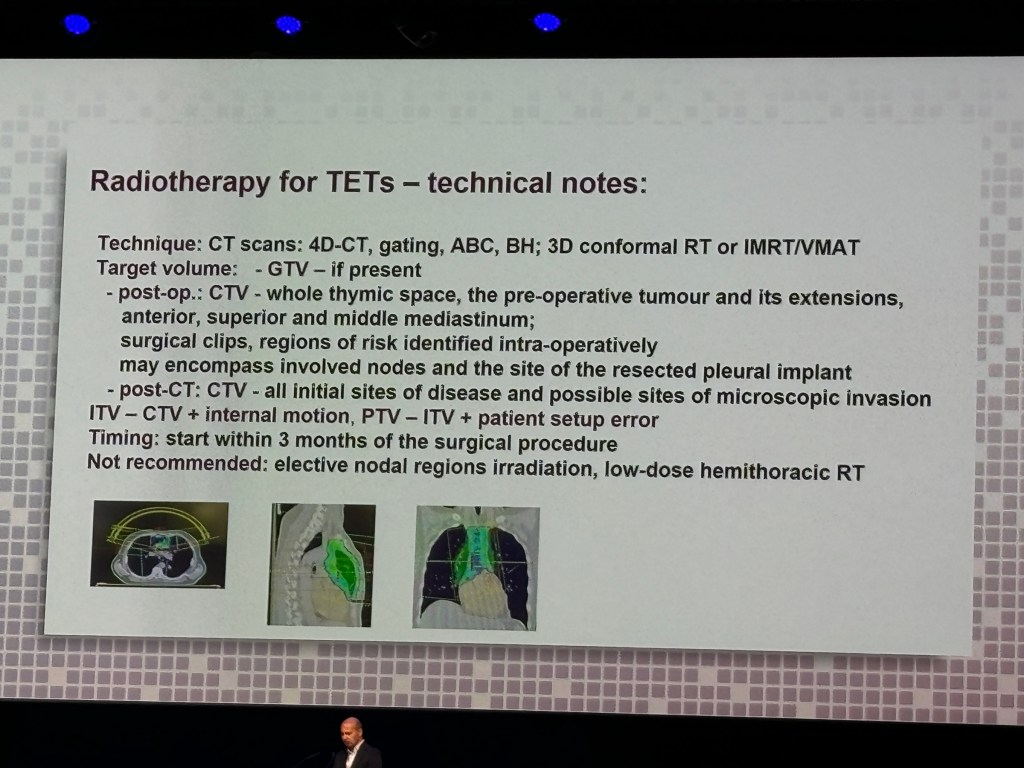
  2. in selected cases , post-operative radiotherapy can be considered 
  3. Routine adjuvant chemotherapy after complete surgical excision for early cancers is NOT indicated 
  4. Thymic cancers are chemo-sensitive and they have the potential to turn inoperable cancers to operable cancers.
  5. Platinum and Anthracycline combination chemo regimens have the best response rates.
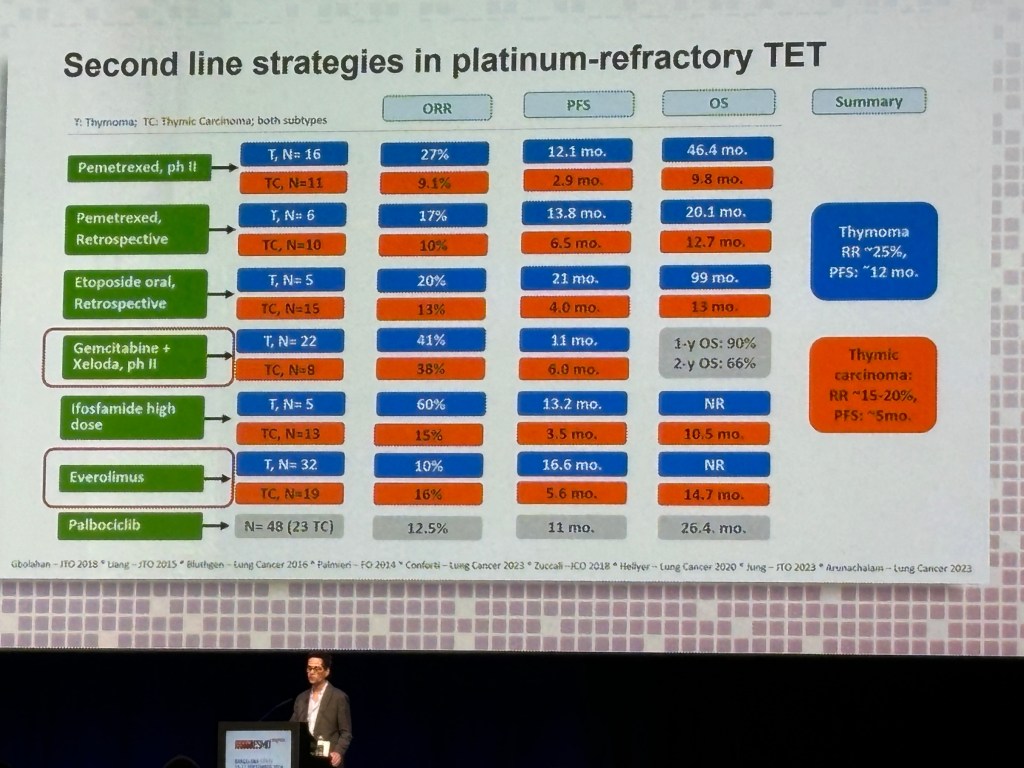
  6. Immunotherapy and Molecular targeted therapy are possible options in those resistant to platinum drugs in addition to other non-platinum chemotherapy drugs .

Disclaimer: Please note – This blog is NOT medical advice. This blog is NOT a expert medical opinion on various topics. This blog is purely for information only and do check the sources where cited. Please DO consult your own doctor to discuss concerns and options relevant to you. The views expressed in this blog are NOT, in any way whatsoever, intended to be a substitute for professional advice. The blog is NOT previewed, commissioned or otherwise endorsed, in any way, by any organisation that the author is associated with. The views expressed in this blog likely represents some of the author’s personal views held at the time of drafting the blog and MAY CHANGE overtime, particularly when new evidence comes to light.
Is radiotherapy needed for all lymphoma patients after completing a course of chemotherapy?

In previous decades, radiotherapy was routinely used to consolidate remission after completion of chemotherapy in Lymphoma patients.

Chemotherapy alone can cure a lot of these patients. Radiotherapy can be associated with long term side effects even 10 years after completion of treatment.

So increasingly there is a tendency to omit radiotherapy in those lymphoma patients who had responded extremely well to chemotherapy alone.

Long term trial results, in a group of lymphoma patients who had mediastinal (chest) lymphoma, confirms that radiotherapy can be safely omitted in those patients who had excellent response to chemotherapy alone.

Reference

Omission of Radiotherapy in Primary Mediastinal B-Cell Lymphoma: IELSG37 Trial Results | Journal of Clinical Oncology

Disclaimer: Please note – This blog is NOT medical advice. This blog is NOT a expert medical opinion on various topics. This blog is purely for information only and do check the sources where cited. Please DO consult your own doctor to discuss concerns and options relevant to you. The views expressed in this blog are NOT, in any way whatsoever, intended to be a substitute for professional advice. The blog is NOT previewed, commissioned or otherwise endorsed, in any way, by any organisation that the author is associated with. The views expressed in this blog likely represents some of the author’s personal views held at the time of drafting the blog and MAY CHANGE overtime, particularly when new evidence comes to light.
New radiotherpy alternative treatment for low grade brain tumours

Brain Radiation therapy has long term side effects particularly in young people

People with low grade cancer of brain have a prognosis of many years.

Hence, it is important from a quality of life point of view that alternative treatments are used to minimise or avoid the risk of brain damage from radiation

Vorasidenib is a new type of medical treatment . It is a tablet developed specifically to target a specific vulnerable part of low grade brain cancers. The Vorasidenib tablets target abnormal proteins in cancer and hence spares a lot of normal tissues.

A study presented at the American Society of Clinical Oncology (ASCO) annual meeting in Chicago on June 4 is very promising.

Preliminary results show that the tablet significantly delays the growth of the tumour.

References

1. National Cancer Institute. Vorasidenib Treatment Shows Promise for Some Low-Grade Gliomas.

2. NEJM. Vorasidenib in IDH1- or IDH2-Mutant Low-Grade Glioma

3. Vorasidenib ASCO2023 news. INDIGO: Vorasidenib Offers Patients With IDH-Mutant Low-Grade Glioma a Means to Delay Chemotherapy and Radiotherapy

Disclaimer: Please note – This blog is NOT medical advice. This blog is NOT a expert medical opinion on various topics. This blog is purely for information only and do check the sources where cited. Please DO consult your own doctor to discuss concerns and options relevant to you. The views expressed in this blog are NOT, in any way whatsoever, intended to be a substitute for professional advice. The blog is NOT previewed, commissioned or otherwise endorsed, in any way, by any organisation that the author is associated with. The views expressed in this blog likely represents some of the author’s personal views held at the time of drafting the blog and MAY CHANGE overtime, particularly when new evidence comes to light.

Should chemotherapy be used before radiotherpy for bladder cancer?

Yes, chemotherapy given before surgery or radiotherapy for invasive bladder cancer improves cure rates and survival rates.

But there is also strong U.K. data to show that Chemotherapy given along with Radiotherapy is useful because it makes radiotherapy work better .

Should chemotherapy be given before radiotherapy and then followed by more chemotherapy along with radiotherapy ?

There is lot of scientific debate on this question and well known U.K. experts are favouring this “double chemo” approach in-spite of inconclusive new data published in the European Urology journal.

The NICE guidelines on bladder cancer also favours this approach of “double” chemotherapy ( before as well as along radiotherapy).

It is a question that ideally needs to addressed in clinical trials .

Read my views expressed in a letter published in the Journal European Urology

Reference: Re: Syed A. Hussain,
Nuria Porta, Emma Hall, et al. Outcomes in Patients with Muscle-invasive Bladder Cancer Treated with Neoadjuvant Chemotherapy
Followed by (Chemo)radiotherapy in the BC2001 Trial. Eur Urol 2021;79:307–15

Disclaimer: Please note- This blog is NOT medical advice. This blog is NOT a expert medical opinion on various topics. This blog is purely for information only and do check the sources where cited. Please DO consult your own doctor to discuss concerns and options relevant to you. The views expressed in this blog represent the author’s views held at the time of drafting the blog and may change overtime, particularly when new evidence comes to light. The blog is not previewed, commissioned or otherwise endorsed by any organisation that the author is associated with. The views expressed in this blog are not, in way whatsoever, intended to be a substitute for professional advice.
How long does it take for taste sensation to recover after Radiotherpy to Head and Neck region ?

Curative Radiotherpy to Tongue, Mouth , Throat and other parts of head and Neck can lead to dry mouth, sticky saliva, difficulty in swallowing solid foods, and loss of taste sensation.

Loss of taste sensation affects food intake and affects quality of life.

A group from Tel Aviv studied the effect of radiotherapy on taste sensation in head and neck cancer patients.

They found that “taste recovery started to occur 1 month after treatment completion

References:

The effect of radiotherapy on taste sensation in head and neck cancer patients – a prospective study. Michal Asif et al. Radiat Oncol. 2020. Radiat Oncol. 2020 Jun 5;15(1):144. doi: 10.1186/s13014-020-01578-4. Authors: Michal Asif, Assaf Moore, Noam Yarom, Aron Popovtzer.

Oral complications at 6 months after radiation therapy for head and neck cancer. R V Lalla et al. Oral Dis. 2017 Nov. Oral Dis. 2017 Nov;23(8):1134-1143. doi: 10.1111/odi.12710. Epub 2017 Aug 3.

Prospective assessment of taste impairment and nausea during radiotherapy for head and neck cancer. Stefania Martini et al. Med Oncol. 2019 Apr 9;36(5):44. doi: 10.1007/s12032-019-1269-x.

Disclaimer: Please note- This blog is NOT medical advice. This blog is purely for information only and do check the the sources where cited. Please DO consult your own doctor to discuss concerns and options relevant to you.

The views expressed in this blog represent the author’s views held at the time of drafting the blog and may change overtime, particularly when new evidence comes to light. The blog is not necessarily endorsed by any organisation the author is associated with and views are not substitute for professional advice.
Are Routine blood tests essential during follow up of low grade Lymphoma?

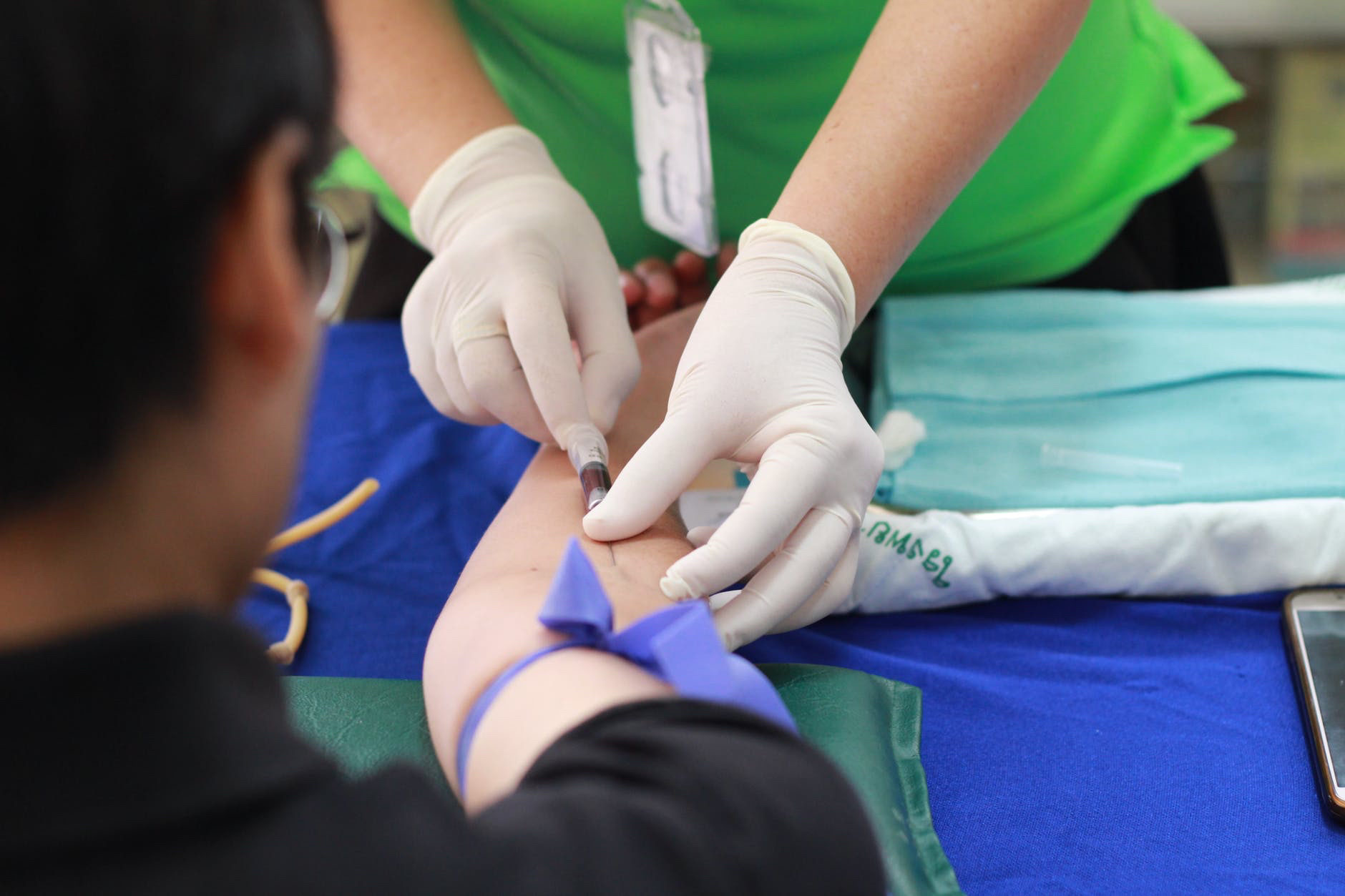
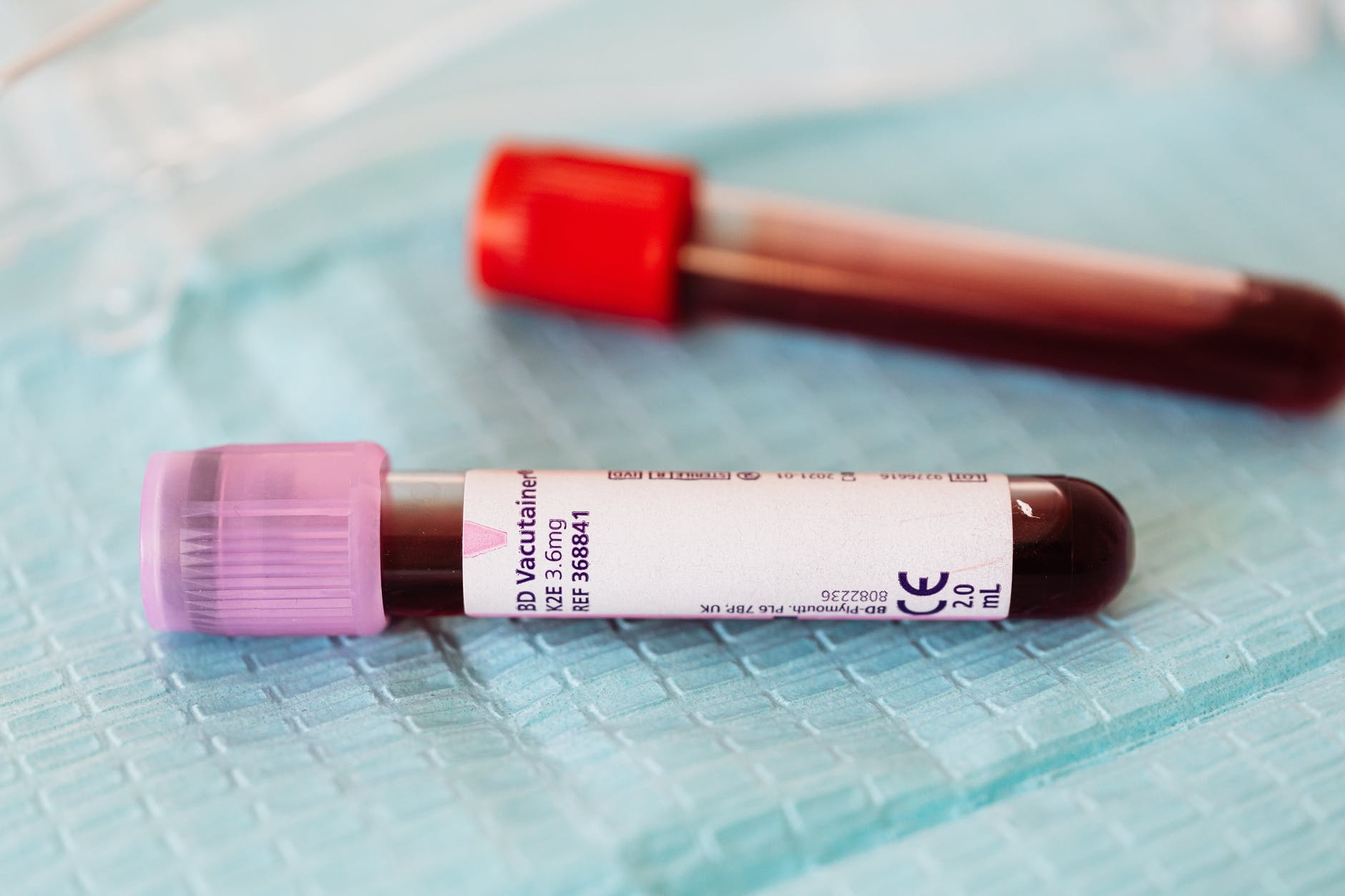
Bloods tests have the potential to pick up various abnormalities including cancer related abnormalities during follow up of cancers.

But , many patients would be surprised to know that there is ongoing debate about usefulness of routine blood tests atleast in some cancers !

In a recent study, Australian investigators assessed the role of routine blood tests during monitoring of patients with low grade lymphoma.

They found that routine blood tests rarely found or detected disease progression in patients who did not have any symptoms.

References

Routine Blood Tests in Asymptomatic Patients With Indolent Lymphoma Have Limited Ability to Detect Clinically Significant Disease Progression. DOI: 10.1200/JOP.19.00771 JCO Oncology Practice – published online before print June 25, 2020. PMID: 32584701

Effectiveness of Routine Blood Testing in Detection of Disease During Active Surveillance for Indolent Non-Hodgkin Lymphoma. By Matthew Stenger. Posted: 7/16/2020 1:40:00 PM . Last Updated: 7/29/2020 1:59:00 PM

Utility of Routine Surveillance Laboratory Testing in Detecting Relapse in Patients With Classic Hodgkin Lymphoma in First Remission: Results From a Large Single-Institution Study. DOI: 10.1200/JOP.19.00733 JCO Oncology Practice – published online before print May 5, 2020. PMID: 32369413

Disclaimer: Please note- This blog is NOT medical advice. This blog is purely for information only and do check the the sources where cited. Please consult your own doctor to discuss concerns and options relevant to you.

The views expressed in this blog represent the author’s views held at the time of publication and is likely to change overtime, particularly when new evidence comes to light. The blog is not necessarily endorsed by any organisation the author is associated with and views are not substitute for professional advice.
Plain English Medical Letters to Patients

Writing letters to patients in plain English without medical jargon is a gift that only a few doctors possess.

Personalising complex medical terminology in a letter dictated over a few minutes is NOT an inherent skill possessed by many doctors including those who are native English speakers.

Dictating Plain English medical letters would take considerable time and effort – particularly if letters are going to succinctly summarise everything from a medical consultation.

In UK, with regards to Cancer, we are lucky to have cancer charities who do a good job of providing information in plain English ( E.g Cancer Research UK, Macmillan Cancer Support, Prostate Cancer UK).

Cancer Patients in UK also have the support of Cancer Nurse Specialists ( CNS ) who do a fantastic job of guiding patients through their cancer journey and clarify all medical jargon to patients.

Other specialities might not have the resources that are available to cancer patients. But, on the whole, Clinic Time slots are precious. Many UK specialists have long waiting lists.

So if further time and effort is to be expended in busy clinics for dictating plain English Letters – in addition to the usual Medical letters to GP – good clinical evidence is needed to demonstrate that separate plain English letters do benefit patients in a meaningful way.

Please do read the BMJ article and put forward your views in the rapid response section.

Access the article at: http://bmj.com/cgi/content/full/bmj.m949

Toll-free link:
http://bmj.com/cgi/content/full/bmj.m949?ijkey=nxJ9CdIVHKZW1Jd&keytype=ref

Disclaimer:

The views expressed here are my personal views and do not represent the views of any other professional organisation I am associated with…

Single dose prostate radiation : Can a single shot of radiation cure prostate cancer?

Yes, say the authors of a recent study from United Kingdom. The study was presented at the European society of radiotherpy ( ESTRO) meeting in Milan.

The study looked at treatment results in patients with localized, low-risk prostate cancer. The short term results are very good. These promising are yet to be fully accepted by everyone as standard of care

This is because patients in this study were followed up only for about 2 years ( to be precise a median follow up of only 26 months) . More long term follow up is needed before firm conclusions could be drawn.

References

1. Daily Mail newspaper article. Single ten-minute shot of radiation can save prostate cancer patients misery of weeks of gruelling treatment, study finds . 29 Apr 2019.

2. ASCO post. ESTRO 38: High–Dose Rate Brachytherapy in Localized Prostate Cancer. 5/3/2019 2:28:54 PM.

3. ESTRO ( 2019 Milan). Session type:Award Lecture. Presentation number:OC-0633. Abstract title: Single dose high dose-rate (HDR) brachytherapy as monotherapy for localised prostate cancer. H. Tharmalingam , Y.M. Tsang, P. Hoskin Mount Vernon Cancer Centre and The Christie NHS Foundation Trust, Clinical Oncology, London, United Kingdom.

Disclaimer: Please note- This blog is NOT medical advice. This blog is purely for information only. See your own doctor to discuss concerns and options relevant for you.

Does Cranberry juice relieve bladder symptoms due to radiation cystitis?

bowl of red round fruits

Many people do look for natural remedies to help with their symptoms.

Anectodally, many patients undergoing radiotherapy have reported that Cranberry Juice has eased their radiation cystitis symptoms.

What is the scientific evidence behind it ?

Should all patients having cystitis symptoms during radiotherapy take cranberry juice?

There is certainly scientific basis to expect benefit from Cranberry Juice.(1).

A lab study and a volunteer study (with volunteers from Japan, Hungary, Spain and France) has shown that certain chemicals in Cranberry can make bacteria ‘less sticky‘ to urinary tract walls and hence potentially reduces virulence of the bacteria.(1). But subsequent large studies have NOT confirmed any large benefit from Cranberry in terms of treating or preventing urinary tract infections. (2)(3).

But Radiation Cystitis is not due to bacterial infections although infections can co-exist sometimes. Hence the use of Cranberry has been studied separately in patients undergoing radiation therapy.

A New Zealand study involved 41 men undergoing radiotherapy for prostate cancer. Taking Cranberry (one capsule a day at breakfast) was found to reduce symptoms of pain and burning. (4).

On the other hand, in a study from Canada involving 112 patients , consumption of Cranberry juice compared with apple juice had no effect on radiation cystitis symptoms. (5).

Another study from United Kingdom was inconclusive because of poor patient recruitment and poor compliance. (6).

So the scientific evidence is inconclusive at present.(7).

Practically, if someone is keen to try it – the best course of action – ( for someone not intolerant of cranberry juice) – is to try it and see whether it offers any symptomatic benefit .

Disclaimer: Please note- This is NOT medical advice. This blog is purely for information only. See your own doctor to discuss options.

There are prescription medications available to help with radiation cystitis symptoms.

References:

1.Dosage effect on uropathogenic Escherichia coli anti-adhesion activity in urine following consumption of cranberry powder standardized for proanthocyanidin content: a multicentric randomized double blind study. BMC Infect Dis. 2010 Apr 14;10:94.

2. BBC News. Does Cranberry juice stop cystitis. By Claudia Hammond. (Accessed 1st Jan 2019).

3. BBC News. Ditch cranberry juice for urine infection . (Accessed 1st Jan 2019).

4.Standardized cranberry capsules for radiation cystitis in prostate cancer patients in New Zealand: a randomized double blinded, placebo controlled pilot study. Support Care Cancer (2015) 23: 95.

5. A Randomised Trial of Cranberry Versus Apple Juice in the Management of Urinary Symptoms During External Beam Radiation Therapy for Prostate Cancer. G.Campbell et al. Clin Oncol (R Coll Radiol). 2003 Sep;15(6):322-8.

6. A Randomised Double-blind Placebo-controlled Trial to Determine the Effect of Cranberry Juice on Decreasing the Incidence of Urinary Symptoms and Urinary Tract Infections in Patients Undergoing Radiotherapy for Cancer of the Bladder or Cervix. Cowan CC, et al. Clin Oncol (R Coll Radiol). 2012.

7.Chemical- and radiation-induced haemorrhagic cystitis: current treatments and challenges. BJU Int. 2013 Nov;112(7):885-97.

Image credit: Photo by Jessica Lewis on Pexels.com