
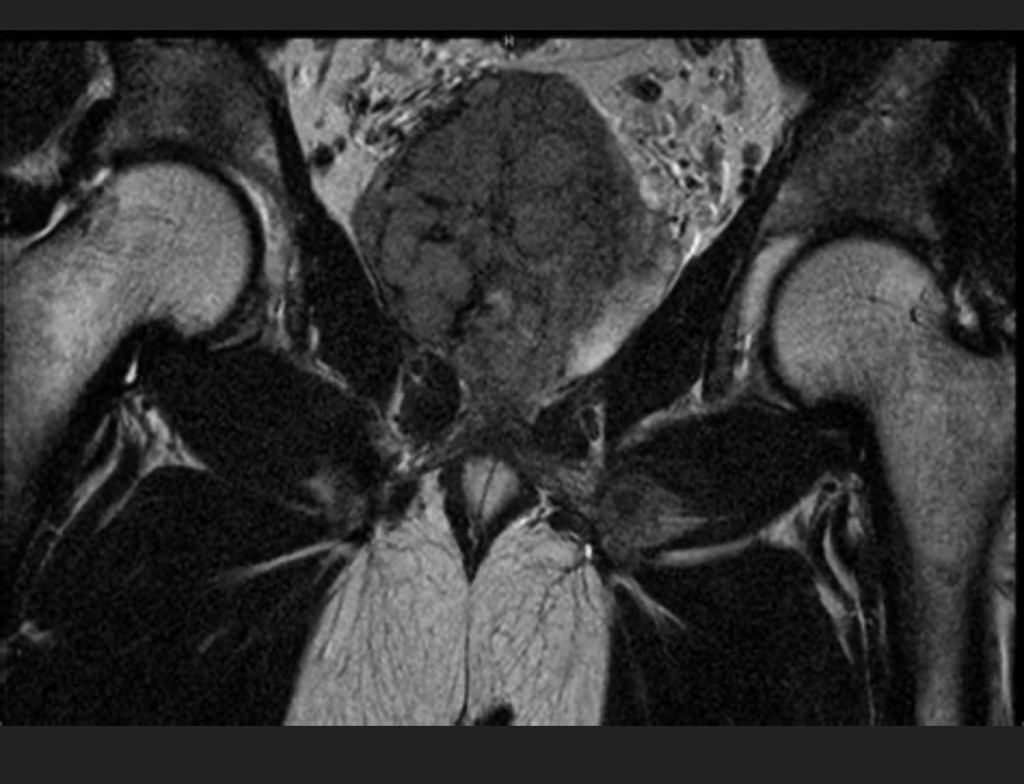
Yes, according to recent study presented and discussed at the ASCO 2026 Annual Meeting in Chicago ( ASCO- American Society of Clinical Oncology).
In a study involving more the 2000 patients, the investigators found that having two types of hormone therapy “significantly increased the curative success” of radical prostate surgery compared to having one type of hormone injection only.
Vast majority of patients in this study had high risk prostate cancer which is potentially amenable for surgery.
Average PSA level was 14.8 ng/mL; the Gleason score was 8 or above in more than 95% of patients (GS ≥8, 95.8%.). The study has a fairly long follow up duration (Median follow-up was 61.7 mo).
The results are likely to be practice changing but implementation might differ between UK and USA. This is partly due to funding restrictions and also partly because the control of this trial involved radical prostate surgery with one type of hormone injection only which is not standard of care at present in UK.
Clinical practice do evolve over time.
Hormone therapy, in both arms of this trial, was given 6 months before and 6 months after surgery. Hormone therapy can cause various side effects including loss of libido, which does need to be discussed during the consultation.
References
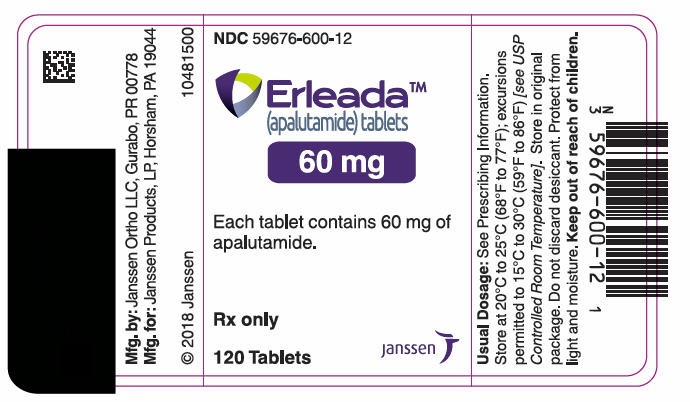
ASCO 2026. Perioperative (neoadjuvant and adjuvant) apalutamide (APA) + androgen deprivation therapy (ADT) vs placebo (PBO) + ADT with radical prostatectomy (RP) in high-risk localized or locally advanced prostate cancer (HR LPC/LAPC): Final analysis of the PROTEUS phase 3 study.Mary-Ellen Taplin, MD, FASCOLank Center for Genitourinary Oncology, Dana-Farber Cancer Institute. ASCO Abstract LBA1
NEJM Perioperative Apalutamide in High-Risk Localized Prostate Cancer. Authors: Mary-Ellen Taplin, M.D. Martin Gleave, M.D., Neal D. Shore, M.D., Angela Lopez-Gitlitz, M.D., Alexander Kretschmer, M.D., Eleni Efstathiou, M.D., Paul L. Nguyen, M.D., +16 , for the PROTEUS Investigators*
Disclaimer: Please note – This blog is NOT medical advice. This blog is NOT a expert medical opinion on various topics. This blog is purely for information research only and do check the sources where cited. But the author cannot vouch for scientific integrity of the sources cited and author is not responsible for any information in any advert on those cited pages. Please DO consult your own doctor to discuss concerns and options, which are directly relevant and specific to you. The views expressed in this blog are NOT, in any way whatsoever, intended to be a substitute for professional advice. The blog is NOT previewed, commissioned or otherwise endorsed, in any way, by any organisation that the author is associated with. The views expressed in this blog likely represents some of the author’s personal views held at the time of drafting this blog and MAY CHANGE overtime, particularly when new evidence comes to light.

