
Is drinking alcohol and sleeping on long haul flights dangerous ?

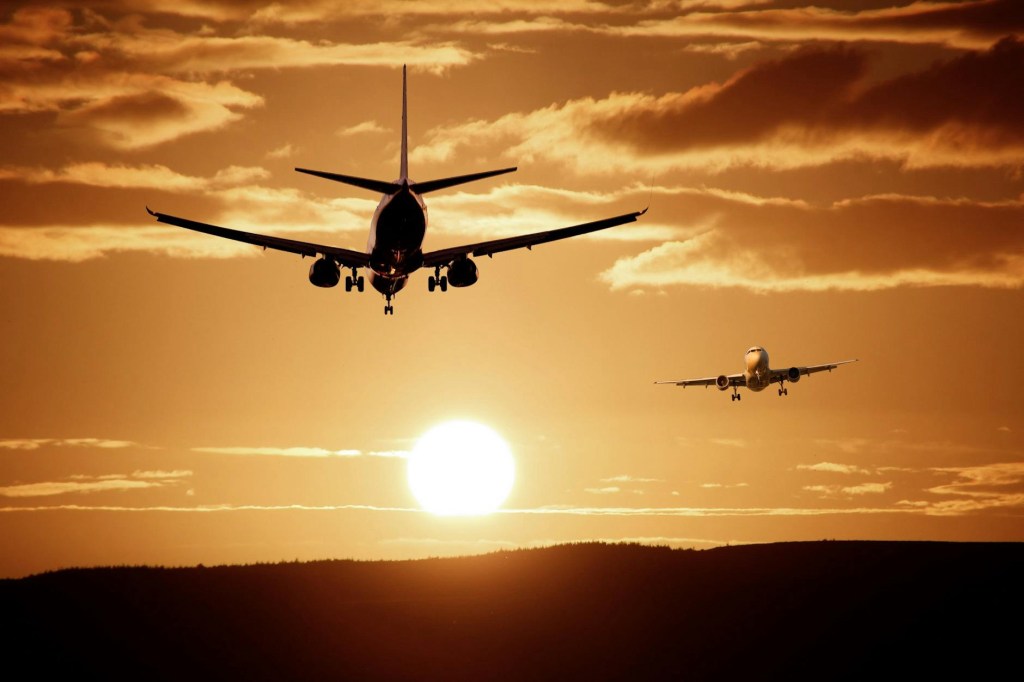
Yes, it could be risky to drink alcohol and sleep on long haul flights. This is particularly relevant for those who have any heart or lung conditions.

A recent paper analysed the effect of alcohol in a flight simulator. In healthy individuals, the combined effect of alcohol and low pressure in the flight cabin affected sleep quality and put extra strain on heart.

The authors suggest that these changes noted in these young and healthy individuals could be more detrimental in older people with heart and lung conditions.

The authors advise restricting alcoholic beverages before and during long haul flights.

References

1. Daily Telegraph. Falling asleep on a plane after drinking could be deadly. Sarah Knapton, SCIENCE EDITOR. 4 June 2024 • 8:02am
2. Effects of moderate alcohol consumption and hypobaric hypoxia: implications for passengers’ sleep, oxygen saturation and heart rate on long-haul flights.

Disclaimer: Please note – This blog is NOT medical advice. This blog is NOT a expert medical opinion on various topics. This blog is purely for information only and do check the sources where cited. Please DO consult your own doctor to discuss concerns and options relevant to you. The views expressed in this blog are NOT, in any way whatsoever, intended to be a substitute for professional advice. The blog is NOT previewed, commissioned or otherwise endorsed, in any way, by any organisation that the author is associated with. The views expressed in this blog likely represents some of the author’s personal views held at the time of drafting the blog and MAY CHANGE overtime, particularly when new evidence comes to light.
Do poor sleepers die early ?

Yes !

If someone feels they are not having regular refreshing sleep, then it is bad news.

In a very large U.K. study, involving 487,728 people, the following question was asked: Do you have trouble falling asleep at night or do you wake up in the middle of the night?

About a quarter of people in study answered “never/rarely”; just under half answered “sometimes” and less than one-third reported “usually”.

The people in study were followed up for many years (mean follow-up time = 8.9 years)

The people who reported frequent sleep disturbances (“usually” category) were found to be at risk of dying early.

The risk was highest in those with both diabetes and frequent sleep disturbances.

It needs to be seen whether the sleep disturbance by itself led to early death or whether people who are going to die early have medical problems that cause them to have disturbed sleep !

Sleep well. Don’t compromise sleep time !

References

Associations between sleep disturbances, diabetes and mortality in the UK Biobank cohort: A prospective population-based study
Malcolm von Schantz, Jason C. Ong, Kristen L. Knutson
First published: 08 June 2021
https://doi.org/10.1111/jsr.13392

( UK Biobank study participants experiencing sleep disturbances: 24.2% “never/rarely” ; 47.8% “sometimes” and 28.0% “usually”)

BMJ Minerva. Cognitive decline . . . and other stories. BMJ 2021; 373 doi: https://doi.org/10.1136/bmj.n1545 (Published 24 June 2021)
Cite this as: BMJ 2021;373:n1545

People who have trouble sleeping are at a higher risk of dying early – especially diabetics

NHS. Why lack of sleep is bad for your health

Disclaimer: Please note- This blog is NOT medical advice. This blog is NOT a expert medical opinion on various topics. This blog is purely for information only and do check the sources where cited. Please DO consult your own doctor to discuss concerns and options relevant to you. The views expressed in this blog represent the author’s views held at the time of drafting the blog and may change overtime, particularly when new evidence comes to light. The blog is not previewed, commissioned or otherwise endorsed by any organisation that the author is associated with. The views expressed in this blog are not, in way whatsoever, intended to be a substitute for professional advice.