
Can Calcium supplements harm the heart ?

Yes, calcium supplements can cause harm.

Calcium is an essential mineral and an average average adult body contains more than 2 pounds of calcium.

Calcium is very essential not only for bone health but also for good functioning of many organs.

Too little calcium is bad but too much of calcium is also harmful.

Because calcium supplements are freely sold in Supermarkets and Pharmacies, many people assume they are absolutely safe.

A study published in Heart journal suggests that calcium supplements has the potential to damage heart valves.

The study also found that “Oral calcium supplementation with or without vitamin D is associated with lower survival”.

The results obviously need to be confirmed by other studies.

In the meantime, anyone with good amount of calcium in their routine diet need to think carefully about risk versus benefits of calcium supplements before taking them.

References

Daily Mail. Could bone boosting calcium pills be causing major damage to the hearts of millions of Britons?
By Erin Dean For The Mail On Sunday
22:01, 21 May 2022

Supplemental calcium and vitamin D and long-term mortality in aortic stenosis | Heart

Calcium, vitamin D and aortic valve calcification: to the bone or to the heart? | Heart https://heart.bmj.com/content/early/2022/03/23/heartjnl-2021-320672

Disclaimer: Please note – This blog is NOT medical advice. This blog is NOT a expert medical opinion on various topics. This blog is purely for information only and do check the sources where cited. Please DO consult your own doctor to discuss concerns and options relevant to you. The views expressed in this blog are NOT, in any way whatsoever, intended to be a substitute for professional advice. The blog is NOT previewed, commissioned or otherwise endorsed, in any way, by any organisation that the author is associated with. The views expressed in this blog likely represents some of the author’s personal views held at the time of drafting the blog and MAY CHANGE overtime, particularly when new evidence comes to light.


Can a Protein rich diet lead to a longer life ?

Yes, a protein rich diet can lead a longer life and reduce risk deaths due to heart diseases.

Before you rush to relish your burger or steak , please note the evidence for beneficial effect is very much in favour of plant proteins than animal proteins.

So Befriend your Beans !

And Love your Lentils !

Reference

Dietary intake of total, animal, and plant proteins and risk of all cause, cardiovascular, and cancer mortality: systematic review and dose-response meta-analysis of prospective cohort studies

BMJ 2020; 370 doi: https://doi.org/10.1136/bmj.m2412 (Published 22 July 2020)

Cite this as: BMJ 2020;370:m2412

Disclaimer: Please note- This blog is NOT medical advice. This blog is purely for information only and do check the the sources where cited. Please consult your own doctor to discuss concerns and options relevant to you.

The views expressed in this blog represent the author’s views held at the time of publication and is likely to change overtime, particularly when new evidence comes to light. The blog is not necessarily endorsed by any organisation the author is associated with and views are not substitute for professional advice.
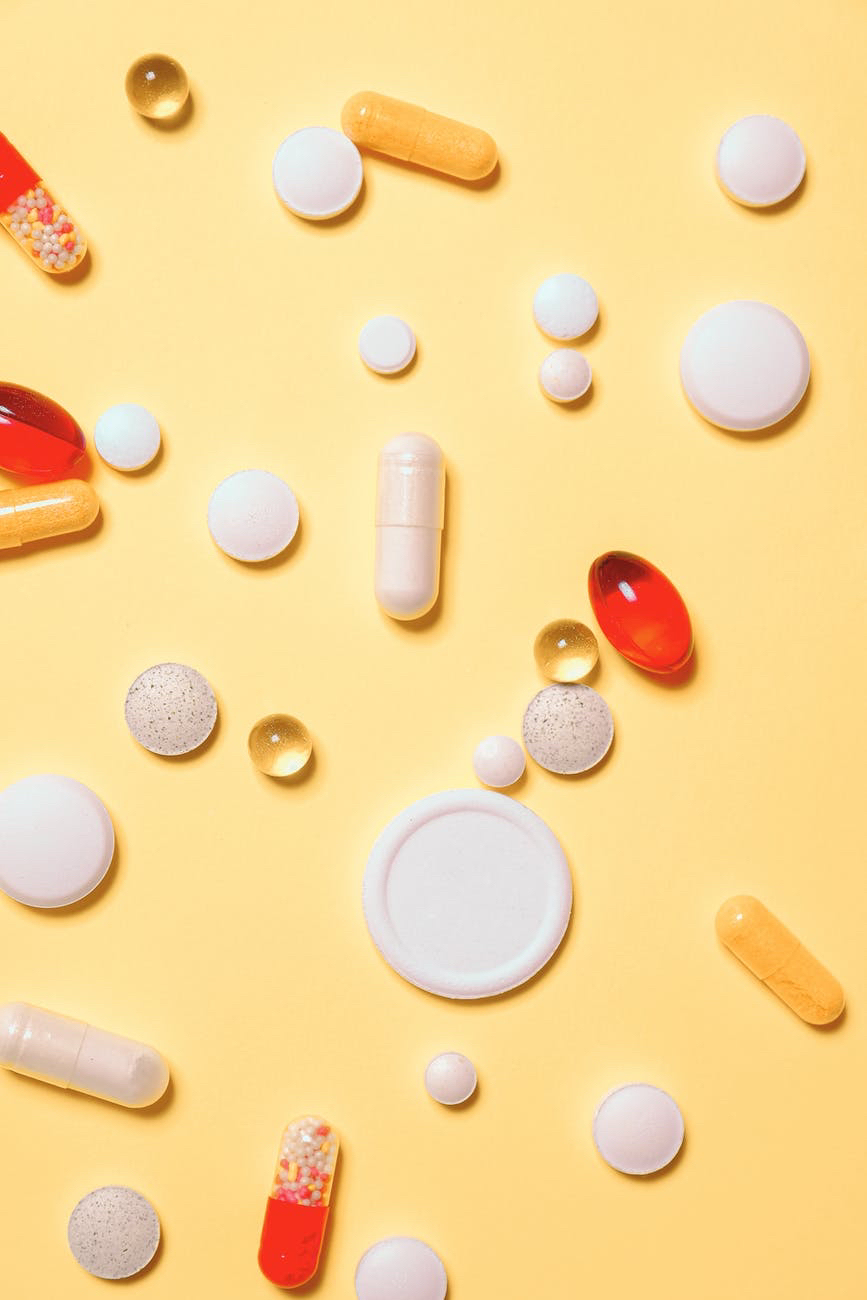
Health effects of vitamin and mineral supplements

In Western countries, upto two thirds of people take vitamin and mineral supplements regularly.

Many people think it’s common sense to take supplements. Many people don’t realise mega doses of vitamins can cause harm. Paradoxically the people who don’t have a healthy diet are less likely to supplements than those who have a well balanced diet.

A recent article in BMJ reviews the evidence regarding “Health effects of vitamin and mineral supplements” and concludes that “Randomised trial evidence does not support use of vitamin, mineral, and fish oil supplements to reduce the risk of non-communicable diseases”.

This article is certainly a “food for thought”

Reference

Food for Thought 2020. Health effects of vitamin and mineral supplements. BMJ 2020; 369 doi: https://doi.org/10.1136/bmj.m2511 (Published 29 June 2020). Cite this as: BMJ 2020;369:m2511

Skeie G, Braaten T, Hjartåker A, et al. Use of dietary supplements in the European Prospective Investigation into Cancer and Nutrition calibration study. Eur J Clin Nutr2009;63(Suppl 4):S226-38. doi:10.1038/ejcn.2009.83 pmid:19888276

Disclaimer: Please note- This blog is NOT medical advice. This blog is purely for information only and do check the the sources where cited. Please consult your own doctor to discuss concerns and options relevant to you.

The views expressed in this blog represent the author’s views held at the time of publication and is likely to change overtime, particularly when new evidence comes to light. The blog is not necessarily endorsed by any organisation the author is associated with and views are not substitute for professional advice.