How to make prostate cancer patients better tolerate chemotherapy ?

In patients with incurable & widespread prostate cancer, one of the treatment option is a combination of three treatments (“TRIPLET THERAPY”)

This TRIPLET combination involves CHEMOTHERAPY given with HORMONE INJECTIONS and HORMONE TABLETS.

But many prostate cancer patients are frail and elderly with multiple other medical problems. So chemotherapy is not used in those patients and only Hormone tablets and injections are used .

The DOUBLET combination of HORMONE INJECTIONS and HORMONE TABLETS do a good very job indeed and frail patients are spared the nasty side effects from chemotherapy.

A study presented at the annual congress of European Society for Medical Oncology at BERLIN shows that if chemotherapy at a lower dose and is given every 2 weeks rather the typical every 3 weeks , then chemotherapy is better tolerated. The 2 weekly schedule resulted in statistically significant and clinically meaningful reduction in the incidence of severe side effects.

References

  1. ARASAFE : ESMO daily reporter. Is less more for patients with genitourinary cancers? 17 Oct 2025 Christoph Oing
  2. ESMO . LBA92 – 3-weekly docetaxel 75 mg/m2 vs 2-weekly docetaxel 50 mg/m2 in combination with darolutamide + ADT in patients with mHSPC: Results from the randomised phase III ARASAFE trial
Disclaimer: Please note – This blog is NOT medical advice. This blog is NOT a expert medical opinion on various topics. This blog is purely for information research only and do check the sources where cited. Please DO consult your own doctor to discuss concerns and options, which are relevant and specific to you. The views expressed in this blog are NOT, in any way whatsoever, intended to be a substitute for professional advice. The blog is NOT previewed, commissioned or otherwise endorsed, in any way, by any organisation that the author is associated with. The views expressed in this blog likely represents some of the author’s personal views held at the time of drafting the blog and MAY CHANGE overtime, particularly when new evidence comes to light.


Bladder cancer: Are 3 cycles of chemotherapy as good as 6 cycles – when combined with immunotherapy maintenance?

Yes; 3 is as good as 6.

The annual congress of European Society for Medical Oncology is currently underway at Berlin. Lot of exciting studies are being presented.

One of the interesting studies relate to bladder cancer. The bladder study looked at the optimum number of chemotherapy cycles that needs to be given.

Chemotherapy do cause significantly more side effects the immunotherapy. If fewer cycles are given, treatment might be more tolerable.

This bladder trial looked at giving only 3 cycles of chemotherapy compared to the standard 6 cycles.

The study found that fewer cycles improved quality of life without compromising overall benefits from the treatment

Reference

Grande E, et al. DISCUS: A phase II study comparing 3 vs 6 cycles of platinum-based chemotherapy prior to maintenance avelumab in advanced urothelial cancer. ESMO Congress 2025 – LBA 109

ESMO daily reporter. Is less more for patients with genitourinary cancers? 17 Oct 2025 Christoph Oing

Disclaimer: Please note – This blog is NOT medical advice. This blog is NOT a expert medical opinion on various topics. This blog is purely for information research only and do check the sources where cited. Please DO consult your own doctor to discuss concerns and options, which are relevant and specific to you. The views expressed in this blog are NOT, in any way whatsoever, intended to be a substitute for professional advice. The blog is NOT previewed, commissioned or otherwise endorsed, in any way, by any organisation that the author is associated with. The views expressed in this blog likely represents some of the author’s personal views held at the time of drafting the blog and MAY CHANGE overtime, particularly when new evidence comes to light.

Can Gerson therapy or alternative treatment cure cancer ?

No !

No one has published any reliable scientific evidence to prove alternative therapies such as Gerson therapy can cure cancer.

When some one is diagnosed with cancer, particularly at a young age, the shock is unimaginable!

People are so shocked they start to question everything.

People can be understandably very worried about side effects of conventional treatments such as chemotherapy.

People with cancer can be frightened about everything.

BUT alternative therapy is not the answer to their worries and concerns.

Alternative therapy has not been shown to cure cancer.

There are lot of scams on social media promoting so called alternative or complimentary therapy. Be careful!

Even worse are the misguided people who promote well-intentioned but dangerous unscientific information.

Any one who has been newly diagnosed with cancer should be aware of the enormous amount of misinformation out there.

Some complementary therapies (eg massage, aromatherapy ) can have palliative and psychological benefits but they do not cure or control the cancer.

The recent BBC news article about a young women, who died of a potentially curable cancer, should be a warning to other people.

References

BBC News. ‘Our sister died of cancer because of our mum’s conspiracy theories’. Published 23 June 2025. Marianna Spring. Social media investigations correspondent

Telegraph. Cambridge graduate ‘killed by mother’s anti-medicine conspiracy theories’. Gwyn Wright. 24 June 2025 6:21am BST

Disclaimer: Please note – This blog is NOT medical advice. This blog is NOT a expert medical opinion on various topics. This blog is purely for information research only and do check the sources where cited. Please DO consult your own doctor to discuss concerns and options, which are relevant and specific to you. The views expressed in this blog are NOT, in any way whatsoever, intended to be a substitute for professional advice. The blog is NOT previewed, commissioned or otherwise endorsed, in any way, by any organisation that the author is associated with. The views expressed in this blog likely represents some of the author’s personal views held at the time of drafting the blog and MAY CHANGE overtime, particularly when new evidence comes to light.

Immunotherapy for curative treatment of Cervical cancer

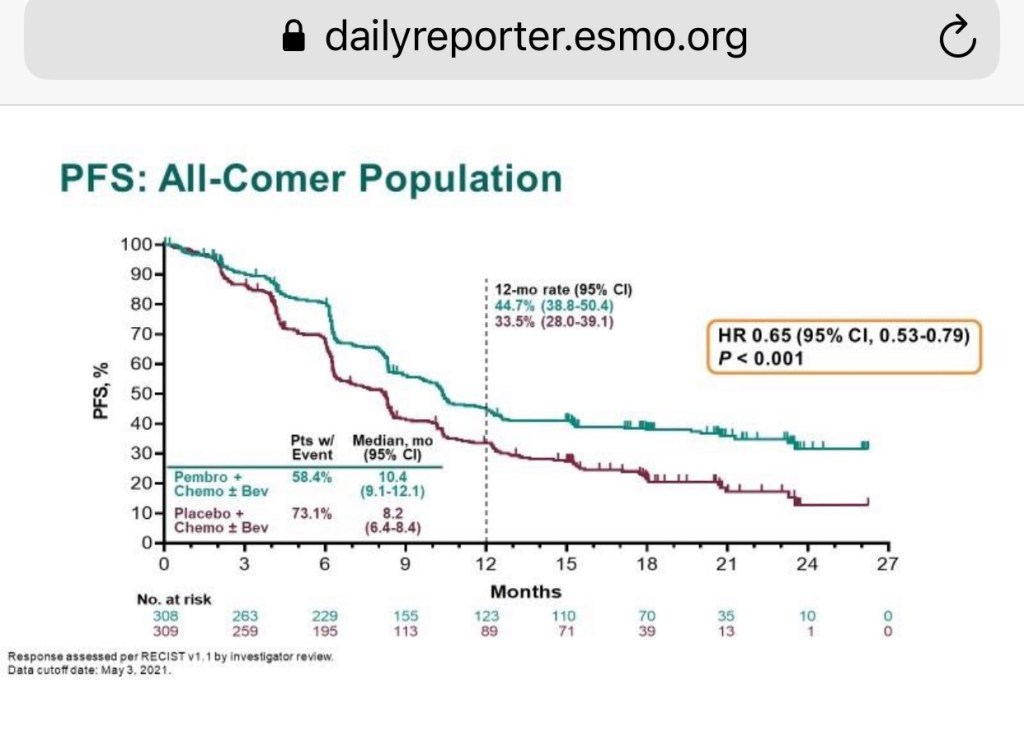
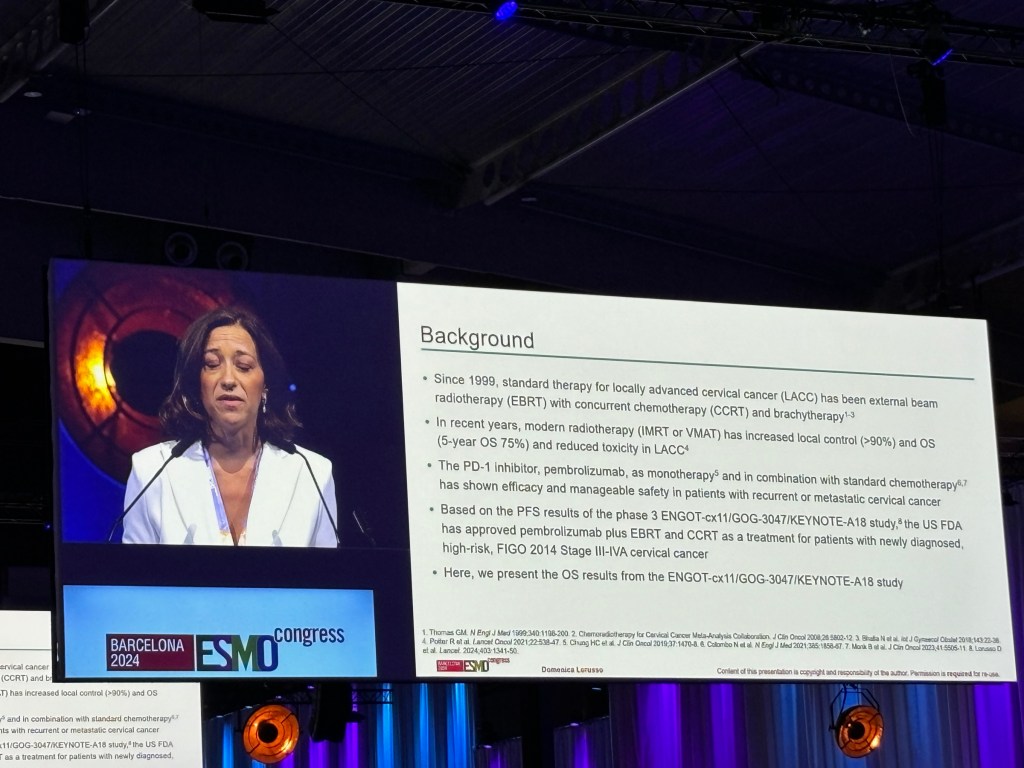
Updated Data presented at the ESMO Congress 2024( Barcelona, 13–17 September) confirms benefit of adding immunotherapy to combination of chemotherapy and radiotherapy for treatment of cervical cancer.

For nearly twenty years, chemo- radiation, which is the practice of giving chemotherapy at the same time as radiotherapy, was the standard of care.

Last year, early results from a large trial suggested that adding immunotherapy to chemo-radiation would improve outcome .

Updated results confirm that the additional immunotherapy is of significant benefit.

Reference

Lancet. Pembrolizumab or placebo with chemoradiotherapy followed by pembrolizumab or placebo for newly diagnosed, high-risk, locally advanced cervical cancer (ENGOT-cx11/GOG-3047/KEYNOTE-A18): overall survival results from a randomised, double-blind, placebo-controlled, phase 3 trial.

Disclaimer: Please note – This blog is NOT medical advice. This blog is NOT a expert medical opinion on various topics. This blog is purely for information only and do check the sources where cited. Please DO consult your own doctor to discuss concerns and options relevant to you. The views expressed in this blog are NOT, in any way whatsoever, intended to be a substitute for professional advice. The blog is NOT previewed, commissioned or otherwise endorsed, in any way, by any organisation that the author is associated with. The views expressed in this blog likely represents some of the author’s personal views held at the time of drafting the blog and MAY CHANGE overtime, particularly when new evidence comes to light.
New standard of care for advanced anal cancer patients

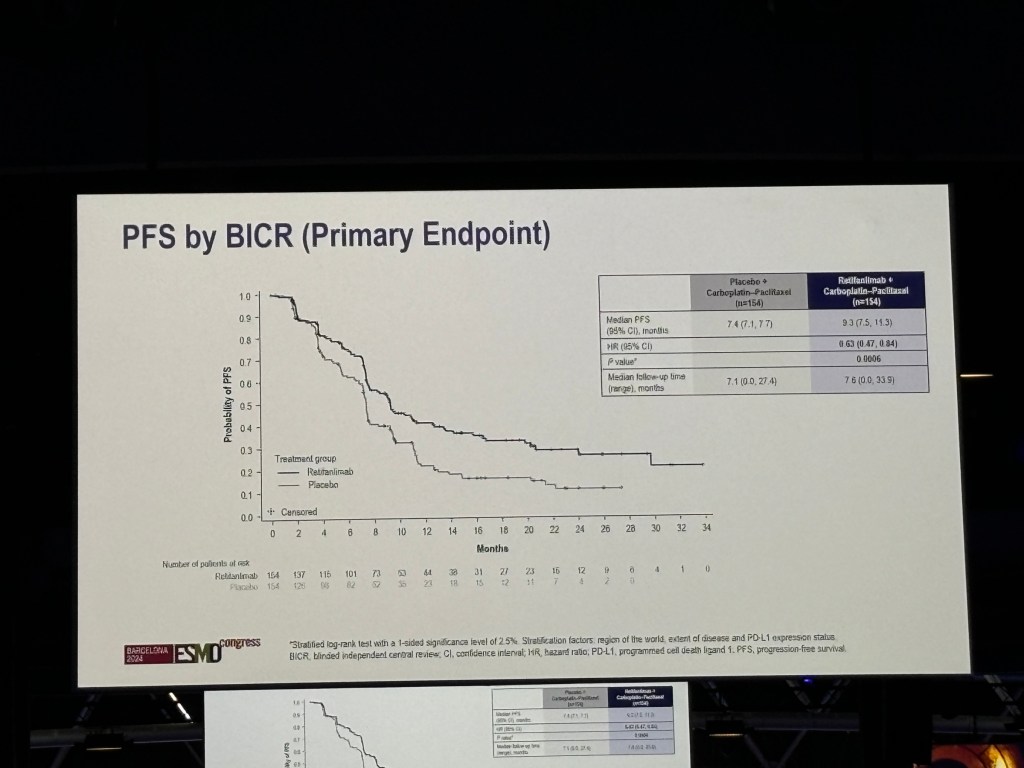
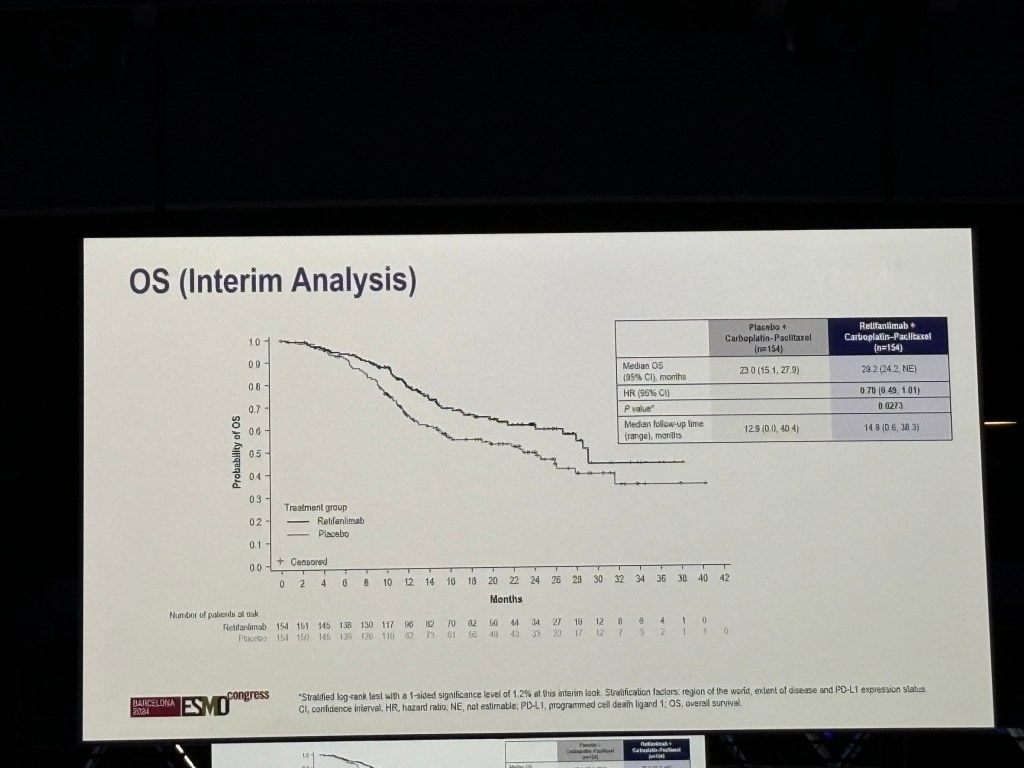
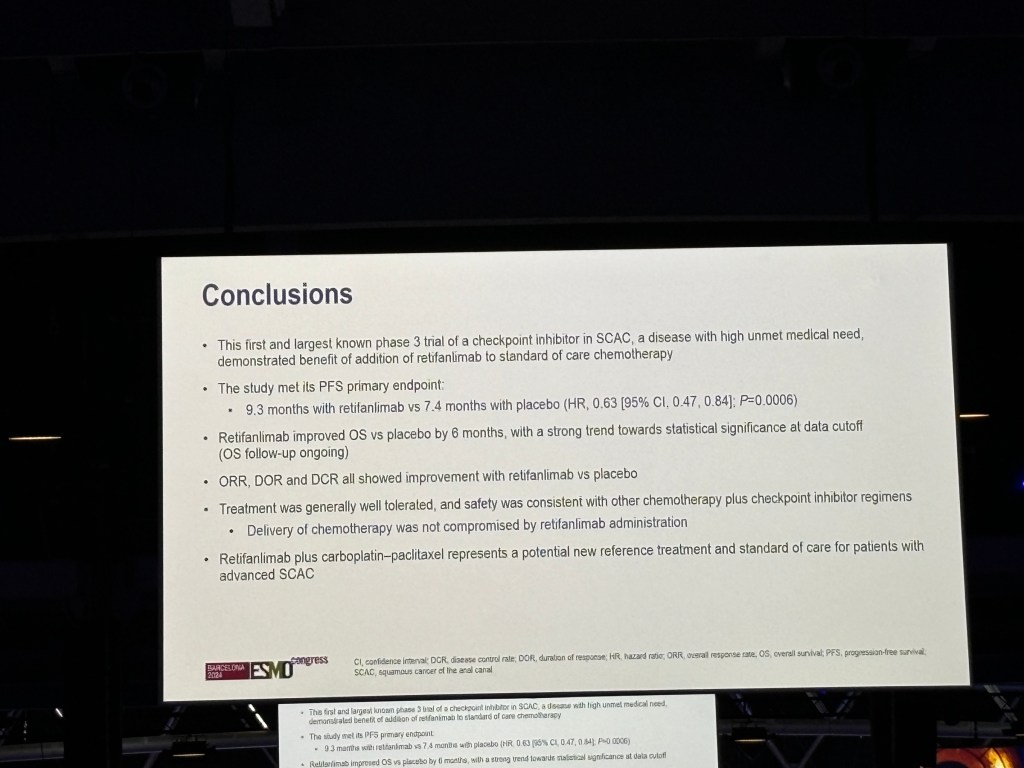
Data presented at the ESMO Congress 2024 (Barcelona, 13–17 September) demonstrated the potential of combining immunotherapy with chemotherapy for advanced anal cancer patients.

Addition of immunotherapy drug retifanlimab to the chemotherapy combination carboplatin and paclitaxel significantly improved the outcomes.

Disclaimer: Please note – This blog is NOT medical advice. This blog is NOT a expert medical opinion on various topics. This blog is purely for information only and do check the sources where cited. Please DO consult your own doctor to discuss concerns and options relevant to you. The views expressed in this blog are NOT, in any way whatsoever, intended to be a substitute for professional advice. The blog is NOT previewed, commissioned or otherwise endorsed, in any way, by any organisation that the author is associated with. The views expressed in this blog likely represents some of the author’s personal views held at the time of drafting the blog and MAY CHANGE overtime, particularly when new evidence comes to light.

New drug for and 2nd and 3rd line treatment of Kidney cancer

Advanced Kidney cancer can be kept under control for long periods with current treatments.

Combination of immunotherapy and agents targeting VEGF are commonly used in 1st line treatment of advanced Kidney cancers.

For those patients who cancers stop responding to these above treatments, there is good news.

A new agent targeting cancers in a different way has become available recently and updated results are very encouraging.

This new drug called Belzutifan targets a different weak spot in the cancer. Belzutifan has shown better cancer control rates when compared to another drug called Everolimus.

Belzutifan results are being presented at ESMO congress in Barcelona

Belzutifan will become a standard of care in this setting now

Reference

ESMO news. Belzutifan Shows a Significant Benefit Over Everolimus in Patients with Advanced Clear Cell RCC After Both ICI and Antiangiogenic Therapies

NEJM Belzutifan versus Everolimus for Advanced Renal-Cell Carcinoma

Disclaimer: Please note – This blog is NOT medical advice. This blog is NOT a expert medical opinion on various topics. This blog is purely for information only and do check the sources where cited. Please DO consult your own doctor to discuss concerns and options relevant to you. The views expressed in this blog are NOT, in any way whatsoever, intended to be a substitute for professional advice. The blog is NOT previewed, commissioned or otherwise endorsed, in any way, by any organisation that the author is associated with. The views expressed in this blog likely represents some of the author’s personal views held at the time of drafting the blog and MAY CHANGE overtime, particularly when new evidence comes to light.

Milder chemotherapy for older patients with pancreatic cancer

Older adults with newly diagnosed advanced pancreatic cancer are often frail and vulnerable.

The standard chemotherapy regimens such as the FOLFIRINOX regimen are quite toxic and not suitable for frail patients.

At the recent ASCO meeting in Chicago, a study which utilised gentler versions of the existing chemotherapy regimens was presented.

These gentler versions were found to have reasonable efficacy and toxicity.

References

1. ASCO post. Efrat Dotan, MD, on Pancreatic Cancer in Older Adults: Defining the Optimal Treatment Approach.

2. ASCO 2024 Abstract. A randomized phase II study of gemcitabine and nab-paclitaxel compared with 5-fluorouracil, leucovorin, and liposomal irinotecan in older patients with treatment-naïve metastatic pancreatic cancer (GIANT): ECOG-ACRIN EA2186.

Disclaimer: Please note – This blog is NOT medical advice. This blog is NOT a expert medical opinion on various topics. This blog is purely for information only and do check the sources where cited. Please DO consult your own doctor to discuss concerns and options relevant to you. The views expressed in this blog are NOT, in any way whatsoever, intended to be a substitute for professional advice. The blog is NOT previewed, commissioned or otherwise endorsed, in any way, by any organisation that the author is associated with. The views expressed in this blog likely represents some of the author’s personal views held at the time of drafting the blog and MAY CHANGE overtime, particularly when new evidence comes to light.
Why advanced cancer patients choose to have chemotherapy!

Many people would be surprised to learn that cancer patients with advanced incurable cancer actively choose chemotherapy for relatively small benefits.

Chemotherapy has the potential to relieve cancer related symptoms but in many advanced cancers, Chemotherapy prolongs survival ( on average ) only by a few months . Yet, lot of patients do opt to try chemotherapy which can be sometimes quite toxic.

Even in countries such as U.K. where oncologists are NOT on a fee for service contract (such as NHS), lot of patients do opt for Chemotherapy.

Perhaps, Chemotherapy gives hope for people not ready to face death.

Read my views in BMJ and contribute your thoughts on this topic through the rapid response section of online BMJ.

BMJ Article: Death, futility, and oncology

Free to access link: http://bmj.com/cgi/content/full/bmj.o1785?ijkey=Du1yaSA5KhkGz23&keytype=ref

Disclaimer: Please note – This blog is NOT medical advice. This blog is NOT a expert medical opinion on various topics. This blog is purely for information only and do check the sources where cited. Please DO consult your own doctor to discuss concerns and options relevant to you. The views expressed in this blog are NOT, in any way whatsoever, intended to be a substitute for professional advice. The blog is NOT previewed, commissioned or otherwise endorsed, in any way, by any organisation that the author is associated with. The views expressed in this blog likely represents some of the author’s personal views held at the time of drafting the blog and MAY CHANGE overtime, particularly when new evidence comes to light.
Immunotherapy improves survival of patients with Advanced Cervical cancer

Advanced Cervical cancer, that cannot be cured by surgery or radiotherpy, is usually treated with chemotherapy.

A study assessed the effectiveness of immunotherapy in combination with standard chemotherapy.

The results were presented at the ESMO (European Medical Oncology Conference) on 18th Sept 2021.

The combination of immunotherapy and chemotherapy is remarkably better and makes patients live longer.

This is likely to become the standard of care now.

References

Presidential Symposium 1 (ESMO Congress 2021). KEYNOTE-826 trial met its dual primary endpoints.

Disclaimer: Please note – This blog is NOT medical advice. This blog is NOT a expert medical opinion on various topics. This blog is purely for information only and do check the sources where cited. Please DO consult your own doctor to discuss concerns and options relevant to you. The views expressed in this blog are NOT, in way whatsoever, intended to be a substitute for professional advice. The blog is NOT previewed, commissioned or otherwise endorsed, in any way, by any organisation that the author is associated with. The views expressed in this blog likely represents some of the author’s personal views held at the time of drafting the blog and MAY CHANGE overtime, particularly when new evidence comes to light.
Galleri cancer test: an exciting new test for cancer

Galleri test is a new type of blood test for cancer. The test promises to revolutionise cancer diagnosis.

Trials have started in UK to see how well the test works in real world.

Within a few years, we should be able to see early results.

Just because a cancer can be diagnosed early, it does not automatically mean that it will make patients live longer.

Let’s say, a person is diagnosed with a serious cancer at age of 60 yrs and dies of cancer at age of 65 yrs.

Any test that detects the cancer early ( before the age of 60) should make this person live longer than 65 years.

If the test , for example, detects the cancer at the age of 55 instead of 60, but the person still dies of cancer at 65, then it is a worthless test.

Hopefully, the trial will thoroughly analyse the outcome to see whether the test is of overall benefit.

References

Galleri™ Test

NHS launches world first trial for new cancer test. 13 September 2021

BBC news. Galleri cancer test: What is it and who can get it? 13 Sept 2021

Disclaimer: Please note – This blog is NOT medical advice. This blog is NOT a expert medical opinion on various topics. This blog is purely for information only and do check the sources where cited. Please DO consult your own doctor to discuss concerns and options relevant to you. The views expressed in this blog are NOT, in way whatsoever, intended to be a substitute for professional advice. The blog is NOT previewed, commissioned or otherwise endorsed, in any way, by any organisation that the author is associated with. The views expressed in this blog likely represents some of the author’s personal views held at the time of drafting the blog and MAY CHANGE overtime, particularly when new evidence comes to light.

COVID vaccination of 12-15 year olds: benefits vs risks

Should young teenagers have the COVID vaccine?

At present, this is a difficult question to give a straightforward answer.

For most of “middle to old age” people, the benefits of COVID vaccines are far greater than potential side effects from vaccines.

On the other hand, in case of 12-15 year olds, the benefits are marginally better than risks and individual circumstances need to be taken into account.

UK’s vaccine advisory body is called JCVI. ( Joint Committee on Vaccination and Immunisation ).

JCVI on Friday declined to recommend universal vaccination of all 12-15 year olds. This is because the chances of children becoming seriously ill from COVID-19 is very small. This needs to be balanced against a tiny risk of myocarditis, or inflammation of the heart in young people due to the vaccines. It is a matter of weighing up disease versus vaccine.

But, this does not mean COVID vaccines are not being given to 12-15 year olds.

USA, France, Italy, Israel and Ireland are offering vaccines to this group.

In U.K., vulnerable children with heart and lung problems, blood disorders, diabetes and various other diseases are eligible for the COVID vaccine. Children living with extremely vulnerable adults are also eligible.

Parents with healthy 12-15 year olds have a difficult choice to make in the coming weeks.

References

BMJ news. Covid-19: JCVI opts not to recommend universal vaccination of 12-15 year olds
BMJ 2021; 374 doi: https://doi.org/10.1136/bmj.n2180 (Published 03 September 2021)
Cite this as: BMJ 2021;374:n2180

BBC news. Covid: What do parents think about vaccinating children?
By Jennifer Meierhans & Kris Bramwell
BBC News

BBC news. Scientists not backing Covid jabs for 12 to 15-year-olds
By Philippa Roxby and Nick Triggle
BBC News

BBC news. Why vaccinating all teens is a difficult decision
By Philippa Roxby
Health reporter

Gov.U.K. Guidance
Coronavirus (COVID-19): antibody testing

Updated 22 August 2021

NHS. Antibody testing to check if you’ve had coronavirus (COVID-19)

Disclaimer: Please note – This blog is NOT medical advice. This blog is NOT a expert medical opinion on various topics. This blog is purely for information only and do check the sources where cited. Please DO consult your own doctor to discuss concerns and options relevant to you. The views expressed in this blog are NOT, in way whatsoever, intended to be a substitute for professional advice. The blog is NOT previewed, commissioned or otherwise endorsed, in any way, by any organisation that the author is associated with. The views expressed in this blog likely represents some of the author’s personal views held at the time of drafting the blog and MAY CHANGE overtime, particularly when new evidence comes to light.
Should chemotherapy be used before radiotherpy for bladder cancer?

Yes, chemotherapy given before surgery or radiotherapy for invasive bladder cancer improves cure rates and survival rates.

But there is also strong U.K. data to show that Chemotherapy given along with Radiotherapy is useful because it makes radiotherapy work better .

Should chemotherapy be given before radiotherapy and then followed by more chemotherapy along with radiotherapy ?

There is lot of scientific debate on this question and well known U.K. experts are favouring this “double chemo” approach in-spite of inconclusive new data published in the European Urology journal.

The NICE guidelines on bladder cancer also favours this approach of “double” chemotherapy ( before as well as along radiotherapy).

It is a question that ideally needs to addressed in clinical trials .

Read my views expressed in a letter published in the Journal European Urology

Reference: Re: Syed A. Hussain,
Nuria Porta, Emma Hall, et al. Outcomes in Patients with Muscle-invasive Bladder Cancer Treated with Neoadjuvant Chemotherapy
Followed by (Chemo)radiotherapy in the BC2001 Trial. Eur Urol 2021;79:307–15

Disclaimer: Please note- This blog is NOT medical advice. This blog is NOT a expert medical opinion on various topics. This blog is purely for information only and do check the sources where cited. Please DO consult your own doctor to discuss concerns and options relevant to you. The views expressed in this blog represent the author’s views held at the time of drafting the blog and may change overtime, particularly when new evidence comes to light. The blog is not previewed, commissioned or otherwise endorsed by any organisation that the author is associated with. The views expressed in this blog are not, in way whatsoever, intended to be a substitute for professional advice.

New treatment for Cervical cancer

Advanced Cervical cancer which has come back after surgery or radiotherpy is usually treated with chemotherapy.

There is a new immunotherapy treatment option for all advanced cervical cancer patients now .

At the European Society of Medical Oncology (ESMO 2021) virtual conference, an international team of investigators, presented trial data regarding this new immunotherapy drug called cemiplimab.

One group of patients in the trial received the immunotherapy drug cemiplimab every 3 wks and another group of patients received intravenous chemo (pemetrexed, vinorelbine, gemcitabine, irinotecan or topotecan).

Cemiplimab significantly improved survival of patients and was better than chemotherapy.

This new immunotherapy drug cemiplimab is already being used for skin cancers and vulval skin cancers. Very soon, it would be used in cervical cancer patients.

Reference

ESMO 2022 Virtual Plenary Resources:
RANDOMISED PHASE III TRIAL DATA ON THE EFFICACY AND SAFETY OF CEMIPLIMAB AS OPPOSED TO CHEMOTHERAPY IN PATIENTS WITH PROGRESSIVE ADVANCED CERVICAL CANCER. Presenter: Krishnansu S. Tewari, USA; Discussant: Mansoor Mirza, Denmark;

Disclaimer: Please note- This blog is NOT medical advice. This blog is NOT a expert medical opinion on various topics. This blog is purely for information only and do check the the sources where cited. Please DO consult your own doctor to discuss concerns and options relevant to you. The views expressed in this blog represent the author’s views held at the time of drafting the blog and may change overtime, particularly when new evidence comes to light. The blog is not previewed, commissioned or otherwise endorsed by any organisation the author is associated with. The views expressed in this blog are not in way intended to be a substitute for professional advice.

Can Vitamins and anti-oxidants increase the risk of breast cancer coming back?

Yes, Dietary supplements can be harmful.

Vitamins and Minerals are absolutely essential nutrients for a Healthy body and a Healthy mind. Anyone not eating a healthy balanced should look what nutrients they might be missing.

But on the other hand, taking too much of vitamins and minerals, when they are not needed, could be harmful to the body.

There is widespread use of dietary supplements during cancer treatment, in the hope they can reduce side effects but many do not think about the disadvantages.

An American study of Breast cancer patients undergoing Chemotherapy looked at the effect of taking dietary supplements such as anti-oxidants, iron, vitamin B12, and omega-3 fatty acids.

Breast cancer patients who took the dietary supplements during chemotherapy were found be harmed by them. They had a higher chance of cancer coming back compared to people who did not take these supplements. The supplements also increased risk of death in those the supplements.

Beware supplements when used improperly, can be harmful.

Dietary Supplement Use During Chemotherapy and Survival Outcomes of Patients With Breast Cancer Enrolled in a Cooperative Group Clinical Trial (SWOG S0221)

, PhD1; , PhD2; , PhD1; 1; , PhD, RD1; , PhD3; , MD1; , PhD, EdD1; , PhD4; , MD5; , PhD3; , MD6; , MD7; , MD8; , MD9; , MD10; , MD11; , MD12; , MD6; and , MD13

Disclaimer: Please note- This blog is NOT medical advice. This blog is purely for information only and do check the the sources where cited. Please consult your own doctor to discuss concerns and options relevant to you.

The views expressed in this blog represent the author’s views held at the time of drafting the blog and is likely to change overtime, particularly when new evidence comes to light. The blog is not necessarily endorsed by any organisation the author is associated with and views are not substitute for professional advice.

Are COVID-19 vaccines safe in cancer patients having immunotherapy?

Yes, Pfizer vaccine is safe.

A recent study published in the esteemed Lancet Oncology Journal shows that the vaccine is well tolerated in patients having immunotherapy.

Unlike cancer chemotherapy, immunotherapy works differently. It works by releasing the in-built brakes holding down the immune system thereby boosting the body’s immune system against cancer.

There has been some theoretical concerns whether this might lead to COVID vaccine causing more side effects.

Reassuringly, the Vaccine side effects were NO different from those seen in people not having immunotherapy. The Vaccine also did NOT increase the immunotherapy side effects.

Immunotherapy is increasingly used widely in treatment of cancer are often better tolerated than chemotherapy.

So the study is good news for tens of thousands of patients on immunotherapy and any cancer patient who has hesitated before, should seriously consider having the vaccine now

COVID infection could be very nasty in cancer patients and all evidence points to the benefits of vaccine far outweighing any risks from the Vaccine.

References

Short-term safety of the BNT162b2 mRNA COVID-19 vaccine in patients with cancer treated with immune checkpoint inhibitors
The Lancet Oncology. Published: April 1, 2021
Barliz Waissengrin et al. DOI:https://doi.org/10.1016/S1470-2045(21)00155-8

Disclaimer: Please note- This blog is NOT medical advice. This blog is NOT a expert medical opinion on various topics. This blog is purely for information only and do check the the sources where cited. Please DO consult your own doctor to discuss concerns and options relevant to you. The views expressed in this blog represent the author’s views held at the time of drafting the blog and may change overtime, particularly when new evidence comes to light. The blog is not previewed, commissioned or otherwise endorsed by any organisation the author is associated with. The authors views are not in way intended to be a substitute for professional advice.

Is the COVID-19 Coronavirus vaccine safe for use in patients having chemotherapy and immunotherapy?

Yes, the available indirect evidence indicates that the anticipated benefits overweigh the potential risks.

Cancer patients, particularly those on chemotherapy have compromised immune systems and hence more vulnerable to COVID-19 Coronavirus complications.

The guidelines indicate that anticipated benefits of vaccine are greater than unknown risks from the Coronavirus vaccines.

The Vaccine trials deliberately included lot of healthy people. Very few people with cancer, particularly cancer patients on active treatment, were included in the COVID-19 trials. So there is not much direct evidence regarding efficacy and safety of Vaccines in cancer patients. But indirect evidence significantly favours Coronavirus vaccination in cancer patients.

Flu vaccines are regularly used in cancer patients without any major side effects specific to cancer patients. No increase in incidence or severity of drug side effects were seen in immunotherapy patients having flu vaccines.

On balance, Vaccination is most likely to be of utmost benefit for most advanced cancer patients on active treatment.

References:

ESMO STATEMENTS FOR VACCINATION AGAINST COVID-19 IN PATIENTS WITH CANCER.

Guidance: COVID-19: the green book, chapter 14a
Coronavirus (COVID-19) vaccination information
for public health professionals. (UK),

Cochrane: Influenza (flu) vaccination for preventing influenza in adults with cancer

Safety of Inactivated Influenza Vaccine in Cancer Patients Receiving Immune Checkpoint Inhibitors
Curtis R Chong et al. Clin Infect Dis. 2020.

ESMO: CANCER PATIENT MANAGEMENT DURING THE COVID-19 PANDEMIC.

Kuderer NM Choueiri TK Shah DP et al.
Clinical impact of COVID-19 on patients with cancer (CCC19): a cohort study. Lancet. 2020; 395: 1907-1918

Disclaimer: Please note- This blog is NOT medical advice. This blog is purely for information only and do check the the sources where cited. Please consult your own doctor to discuss concerns and options relevant to you.
The views expressed in this blog represent the author’s views held at the time of drafting the blog and is likely to change overtime, particularly when new evidence comes to light. The blog is not necessarily endorsed by any organisation the author is associated with and views are not substitute for professional advice.

Cancer treatment delays during the pandemic

The Staff at National Health Service in UK are doing an admirable job during the pandemic. In the particular, the frontline staff (“patient-facing”) are showing great courage in face of great difficulties and are primarily driven by altruism.

But the pressures of pandemic means many routine scans and hospital clinic appointments have been cancelled particularly during the first wave. There is a great worry about delayed diagnosis of cancer and delayed treatment of cancer.

A paper in BMJ reports that cancer patients survival can be significantly compromised.

But, as with everything else in life, things are not always what they look like at first impression. Even things that are logical and common sense at first glance do not turn out to be simple and clear.

Firstly, delays and cancellations of scans paradoxically could have psychologically benefited some cancer patients . This might seem counterintuitive or even an outrageous statement.

But there are some cancers which are being over diagnosed. A Cancer diagnosis does not always mean a death sentence. Some cancers do not cause problems for a long time or never in the life time of a person. These cancers do not need to be diagnosed promptly. Not being diagnosed with these cancers prevents the psychological burden of a cancer diagnosis. This “over diagnosis” would be expectedly less during pandemic.

Secondly, treatment delays could be caused by a cancer that is advanced and the need for time consuming additional investigations and procedures. Sometimes delays are caused by patients needing to see many medical specialists for the treatment. So it’s the aggressive cancer and the complex patient care that would cause the delay and is responsible for poor outcome rather than the delay by itself.

Read the BMJ article and make your views known.

Mortality due to cancer treatment delay: systematic review and meta-analysis
BMJ 2020; 371 doi: https://doi.org/10.1136/bmj.m4087 (Published 04 November 2020)
Cite this as: BMJ 2020;371:m4087

Overdiagnosis in Cancer
H. Gilbert Welch, William C. Black
JNCI: Journal of the National Cancer Institute, Volume 102, Issue 9, 5 May 2010, Pages 605–613, https://doi.org/10.1093/jnci/djq099

Disparities in head and neck cancer: assessing delay in treatment initiation
Urjeet A Patel et al. Laryngoscope. 2012 Aug.

Khorana AA, Tullio K, Elson P, Pennell NA, Grobmyer SR, Kalady MF, et al. (2019) . Time to initial cancer treatment in the United States and association with survival over time: An observational study. PLoS ONE 14(4): e0215108. doi:10.1371/journal.pone.0215108

Once a week chemotherapy is not superior to Chemotherapy given once every 3-weeks

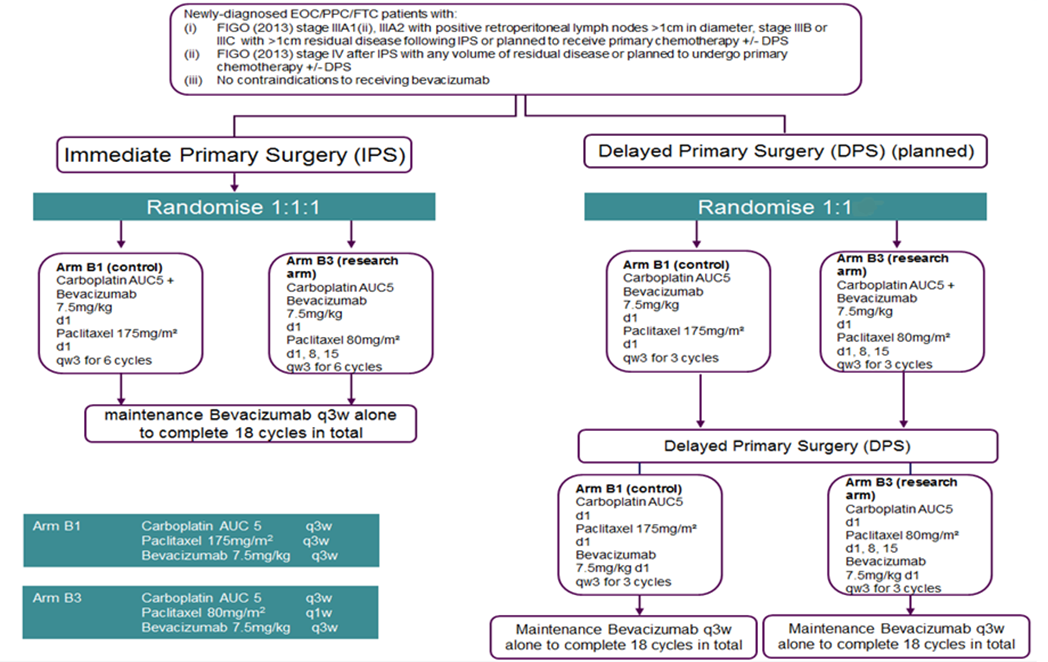
Advanced ovarian cancer is treated by chemotherapy. A pre ious study of Japanese ovarian cancer patients RT showed significantly increased survival in those treated with dose-dense weekly paclitaxel compared to the standard three-weekly schedule.

Data from an international trial called ICON8 was presented at the ESMO Virtual Congress 2020, this week.

The final analysis of ICON8 “provides conclusive evidence that although weekly dose-dense chemotherapy can be successfully administered as first-line treatment for ovarian cancer, it has no survival advantage over the standard chemotherapy given once every 3 weeks.

ICON8: Overall survival results in a GCIG phase III randomised controlled trial of weekly dose-dense chemotherapy in first line epithelial ovarian, fallopian tube or primary peritoneal carcinoma treatment. Citation. Annals of Oncology (2020) 31 (suppl_4): S551-S589. 10.1016/annonc/annonc276

ESMO Daily Reporter: OVARIAN CANCER: FIRST-LINE DOSE-DENSE CHEMOTHERAPY IS NOT SUPERIOR TO STANDARD 3-WEEKLY CHEMOTHERAPY.

Disclaimer: Please note- This blog is NOT medical advice. This blog is purely for information only and do check the the sources where cited. Please consult your own doctor to discuss concerns and options relevant to you.

The views expressed in this blog represent the author’s views held at the time of drafting the blog and is likely to change overtime, particularly when new evidence comes to light. The blog is not necessarily endorsed by any organisation the author is associated with and views are not substitute for professional advice.