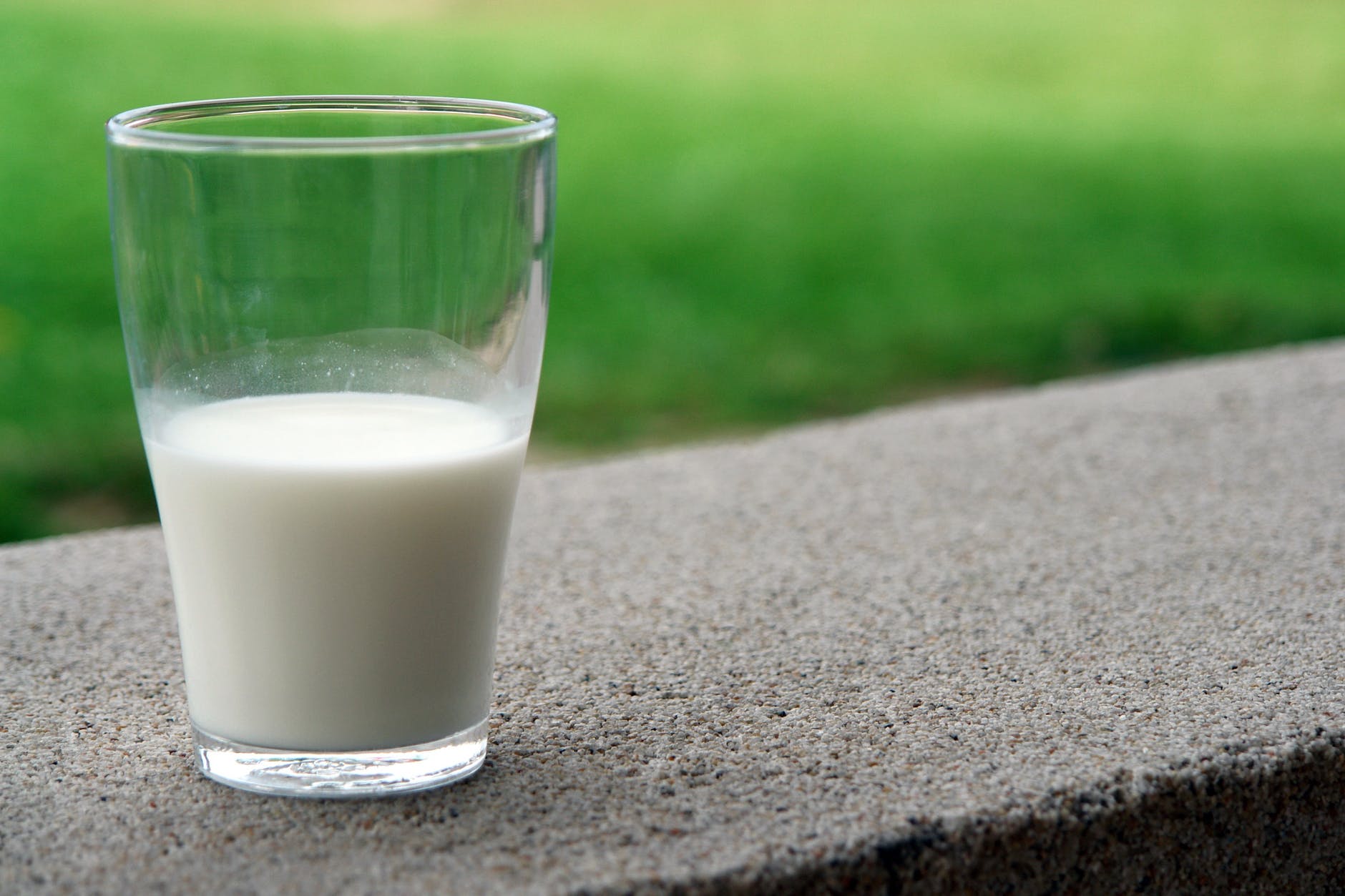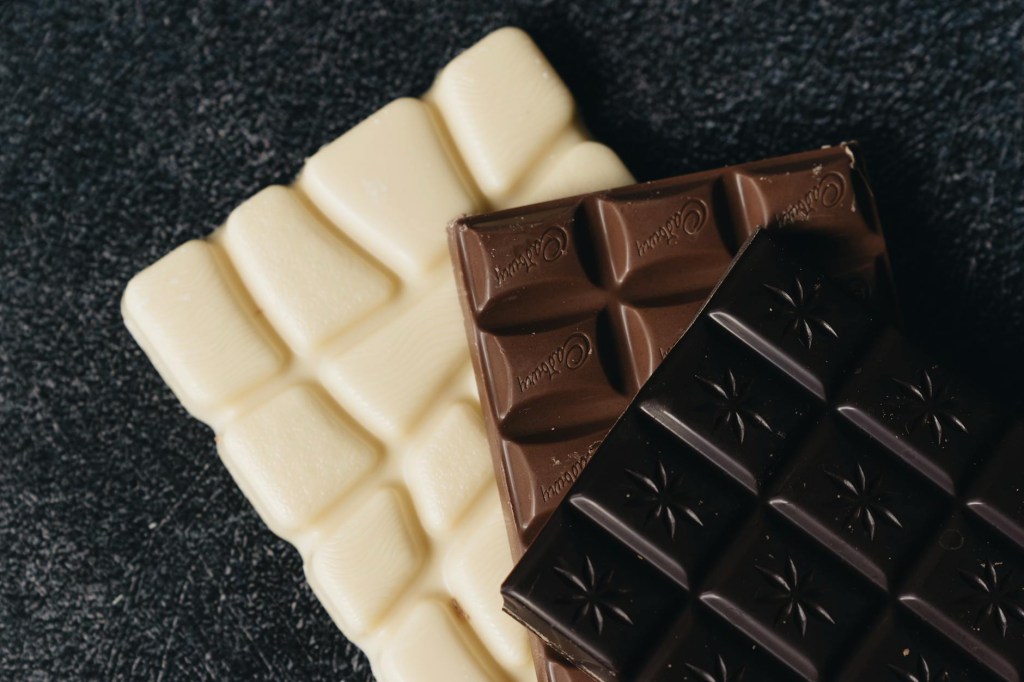
Is dark chocolate good for You ?

Is dark chocolate good?

And is milk chocolate bad?

The answer to both the question is YES.

A recent paper published in British Medical Journal (BMJ) found that “people who consumed ≥5 servings/week of dark chocolate showed a significantly LOWER risk of developing diabetes”.

The study also found that eating milk-chocolate was bad. Milk-chocolate was associated with weight gain, which is not surprising to everyone.

Any study relating to “health benefits of food and drinks” always needs a healthy dose of scepticism because of commercial industry.

But the beneficial effect of dark chocolate found in this study aligns with previous findings and more research is, of course, needed to clarify and define the mechanisms involved.

So add more dark chocolate to the Christmas hampers !

Share your dark chocolate with colleagues and spread the good will !

References

BMJ 2024: Chocolate intake and risk of type 2 diabetes: prospective cohort studies. BMJ 2024; 387 doi: https://doi.org/10.1136/bmj-2023-078386 (Published 04 December 2024). BMJ 2024;387:e078386

BMJ 2012: The effectiveness and cost effectiveness of dark chocolate consumption as prevention therapy in people at high risk of cardiovascular disease: best case scenario analysis using a Markov model. BMJ 2012; 344 doi: https://doi.org/10.1136/bmj.e3657 (Published 31 May 2012). BMJ 2012;344:e3657

BMJ 2011: Chocolate consumption and cardiometabolic disorders: systematic review and meta-analysis. BMJ 2011; 343 doi: https://doi.org/10.1136/bmj.d4488 (Published 29 August 2011). BMJ 2011;343:d4488

BMJ 2023. Christmas 2023: Champagne problems. Chocolate brownies and calorie restriction: the sweetest paradox? BMJ 2023; 383 doi: https://doi.org/10.1136/bmj.p2585 (Published 20 December 2023). BMJ 2023;383:p2585

Disclaimer: Please note – This blog is NOT medical advice. This blog is NOT a expert medical opinion on various topics. This blog is purely for information only and do check the sources where cited. Please DO consult your own doctor to discuss concerns and options relevant to you. The views expressed in this blog are NOT, in any way whatsoever, intended to be a substitute for professional advice. The blog is NOT previewed, commissioned or otherwise endorsed, in any way, by any organisation that the author is associated with. The views expressed in this blog likely represents some of the author’s personal views held at the time of drafting the blog and MAY CHANGE overtime, particularly when new evidence comes to light.

Can Calcium supplements harm the heart ?

Yes, calcium supplements can cause harm.

Calcium is an essential mineral and an average average adult body contains more than 2 pounds of calcium.

Calcium is very essential not only for bone health but also for good functioning of many organs.

Too little calcium is bad but too much of calcium is also harmful.

Because calcium supplements are freely sold in Supermarkets and Pharmacies, many people assume they are absolutely safe.

A study published in Heart journal suggests that calcium supplements has the potential to damage heart valves.

The study also found that “Oral calcium supplementation with or without vitamin D is associated with lower survival”.

The results obviously need to be confirmed by other studies.

In the meantime, anyone with good amount of calcium in their routine diet need to think carefully about risk versus benefits of calcium supplements before taking them.

References

Daily Mail. Could bone boosting calcium pills be causing major damage to the hearts of millions of Britons?
By Erin Dean For The Mail On Sunday
22:01, 21 May 2022

Supplemental calcium and vitamin D and long-term mortality in aortic stenosis | Heart

Calcium, vitamin D and aortic valve calcification: to the bone or to the heart? | Heart https://heart.bmj.com/content/early/2022/03/23/heartjnl-2021-320672

Disclaimer: Please note – This blog is NOT medical advice. This blog is NOT a expert medical opinion on various topics. This blog is purely for information only and do check the sources where cited. Please DO consult your own doctor to discuss concerns and options relevant to you. The views expressed in this blog are NOT, in any way whatsoever, intended to be a substitute for professional advice. The blog is NOT previewed, commissioned or otherwise endorsed, in any way, by any organisation that the author is associated with. The views expressed in this blog likely represents some of the author’s personal views held at the time of drafting the blog and MAY CHANGE overtime, particularly when new evidence comes to light.

Does calcium in diet prevent fractures in elderly people ?

Yes.

A study published in British Medical Journal (BMJ) looked at 7195 permanent residents living in 60 residential aged-care facilities in Australia.

Over a two year period, they provided residents in half the facilities (30 facilities) with additional milk, yoghurt, and cheese. The residents in the remaining 30 facilities who served as controls had their usual menus.

The study found that the additional calcium in diet is beneficial.

Improving calcium and protein intakes reduced the risk of falls and fractures that commonly occur in aged care residents.

References: Effect of dietary sources of calcium and protein on hip fractures and falls in older adults in residential care: cluster randomised controlled trial
BMJ 2021; 375 doi: https://doi.org/10.1136/bmj.n2364 (Published 21 October 2021)
Cite this as: BMJ 2021;375:n2364

Disclaimer: Please note – This blog is NOT medical advice. This blog is NOT a expert medical opinion on various topics. This blog is purely for information only and do check the sources where cited. Please DO consult your own doctor to discuss concerns and options relevant to you. The views expressed in this blog are NOT, in way whatsoever, intended to be a substitute for professional advice. The blog is NOT previewed, commissioned or otherwise endorsed, in any way, by any organisation that the author is associated with. The views expressed in this blog likely represents some of the author’s personal views held at the time of drafting the blog and MAY CHANGE overtime, particularly when new evidence comes to light.
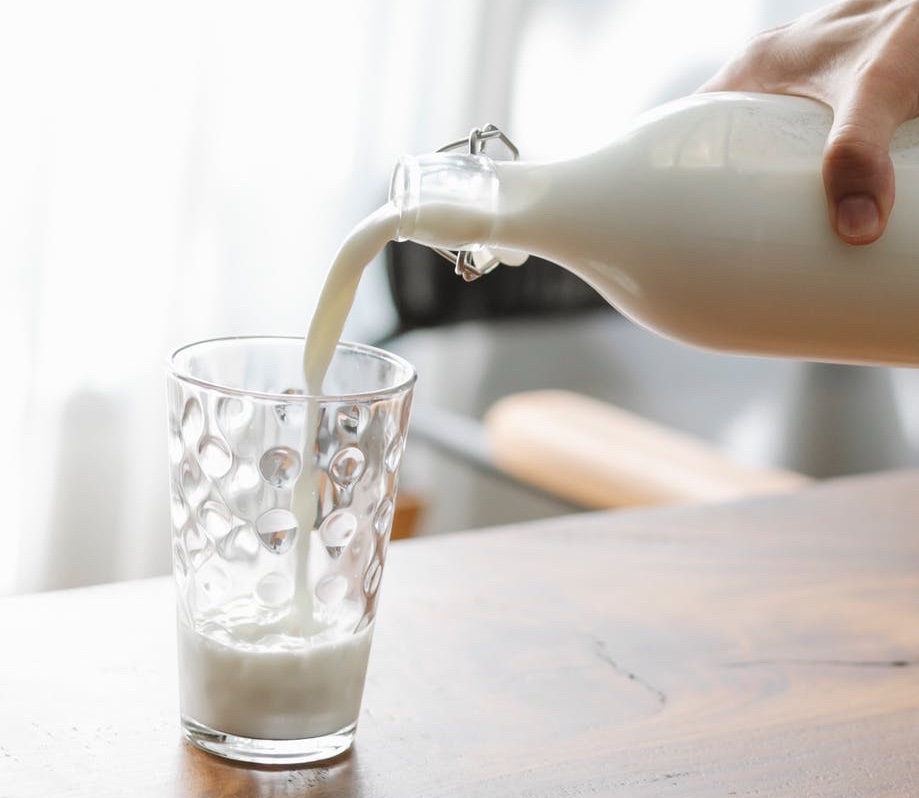
Can milk cause cancer?

blur calcium close up dairy

Photo by Pixabay on Pexels.com

A vegan group’s recent advertisement claimed that “cow’s milk contains 35 hormones, including oestrogen … some of these are linked to cancer”.

Advertising Standards Authority (ASA) in U.K banned the vegan group’s advert  as it found the groups claims misleading.

Does the evidence stack up?

First of all, I have to emphasize that “Human Mothers milk” is the best nutrition a new born baby can have…even though it might have various natural hormones.

But “mass produced diary milk” is a different matter.

A large observational study from ” Central Sweden”  found that “High milk intake was associated with higher risk of death and higher fracture incidence in women”. The paper was published in the prestigious BMJ journal in 2014. I suspect the substances used in mass production of diary milk might be the culprit rather than natural milk itself.

So the jury is out on this question. In the mean time, moderation is the key as Cows’ milk does contain many beneficial substances.  Switching to sugary, fizzy drinks or other artifically produed milk alternatives is not sensible either.

Related Links

Milk intake and risk of mortality and fractures in women and men: cohort studies

BMJ Letter: S Sundar. Milk and mortality: the potential effects of modern milk production

Telegraph: Vegan group’s advert wrongly linking cow’s milk to cancer is banned.

Independent: Vegan group’s advert wrongly linking cow’s milk to cancer gets UK ban