Can Gerson therapy or alternative treatment cure cancer ?

No !

No one has published any reliable scientific evidence to prove alternative therapies such as Gerson therapy can cure cancer.

When some one is diagnosed with cancer, particularly at a young age, the shock is unimaginable!

People are so shocked they start to question everything.

People can be understandably very worried about side effects of conventional treatments such as chemotherapy.

People with cancer can be frightened about everything.

BUT alternative therapy is not the answer to their worries and concerns.

Alternative therapy has not been shown to cure cancer.

There are lot of scams on social media promoting so called alternative or complimentary therapy. Be careful!

Even worse are the misguided people who promote well-intentioned but dangerous unscientific information.

Any one who has been newly diagnosed with cancer should be aware of the enormous amount of misinformation out there.

Some complementary therapies (eg massage, aromatherapy ) can have palliative and psychological benefits but they do not cure or control the cancer.

The recent BBC news article about a young women, who died of a potentially curable cancer, should be a warning to other people.

References

BBC News. ‘Our sister died of cancer because of our mum’s conspiracy theories’. Published 23 June 2025. Marianna Spring. Social media investigations correspondent

Telegraph. Cambridge graduate ‘killed by mother’s anti-medicine conspiracy theories’. Gwyn Wright. 24 June 2025 6:21am BST

Disclaimer: Please note – This blog is NOT medical advice. This blog is NOT a expert medical opinion on various topics. This blog is purely for information research only and do check the sources where cited. Please DO consult your own doctor to discuss concerns and options, which are relevant and specific to you. The views expressed in this blog are NOT, in any way whatsoever, intended to be a substitute for professional advice. The blog is NOT previewed, commissioned or otherwise endorsed, in any way, by any organisation that the author is associated with. The views expressed in this blog likely represents some of the author’s personal views held at the time of drafting the blog and MAY CHANGE overtime, particularly when new evidence comes to light.
The battle of weight loss drugs: which is better? Mounjaro versus Ozempic.

Mounjaro is the winner !

The question has been answered by a high quality trial published in the premier medical journal ( New England Journal of Medicine).

Mounjaro is the winner !

Mounjaro is the brand name of the weight loss drug called Tirzepatide.

Mounjaro has come out on the top when it was compared to the other popular weight loss drug called Ozempic.

Ozempic is the brand name of the weight loss drug called semaglutide. Wegovy is another brand name for semaglutide .

A total of 751 participants were invoked in this trial . The trial was conducted very recently between April 2023, and November 2024.

Nearly 20% of those having Mounjaro injections had lost at  least 30% of their weight but only about 7% of people having Ozempic/ Wegovy injections lost that amount of weight.

Remember- the weight loss injections are not a one time silver bullet. Most people put the weight back on when they stop the injections. 

A healthy diet remains a very important part of weight loss.

References

  1. NEJM Tirzepatide as Compared with Semaglutide for the Treatment of Obesity. L.J. Aronne and Others. DOI: 10.1056/NEJMoa2416394 | May 11, 2025.
  2. Guardian. People who stop weight loss drugs return to original weight within year, analysis finds (Research raises questions about long-term treatment of and support for people using weight loss drugs). Anna Bawden Health and social affairs correspondent in Málaga. Wed 14 May 2025 20.00 BST

Disclaimer: Please note – This blog is NOT medical advice. This blog is NOT a expert medical opinion on various topics. This blog is purely for information research only and do check the sources where cited. Please DO consult your own doctor to discuss concerns and options, which are relevant and specific to you. The views expressed in this blog are NOT, in any way whatsoever, intended to be a substitute for professional advice. The blog is NOT previewed, commissioned or otherwise endorsed, in any way, by any organisation that the author is associated with. The views expressed in this blog likely represents some of the author’s personal views held at the time of drafting the blog and MAY CHANGE overtime, particularly when new evidence comes to light.

Can too much vitamins harm the body ?

Absolutely Yes. Vitamins can cause harm.

Vitamins are very essential for life.

But too much of vitamins is bad.

You can buy paracetamol in a supermarket and it (rightly) comes with a big list of side effects .

You can freely buy various vitamins and supplements in supermarkets and none of them come with any warning what so ever.

Because vitamins are heavily promoted over Social media, newspapers, TV, and internet, many people think vitamins are safe and good. So people overindulge hoping for more benefits. But taking too much of vitamins is risky and can cause health problems due to Hypervitaminosis.

A recent article in Guardian points out the risks from taking too much of vitamin supplements. A man took too much of vitamin B6 and this resulted in damage to his nerves!

So be very careful with extra vitamins and supplements. Check whether you need the supplements at all. Try natural products rather than factory produced artificial supplements.

Reference

Guardian newspaper: Simon never linked the pain in his hands and feet to multivitamins – but a pathology test did. Natasha May and Sharlotte Thou. Published Sat 4 Jan 2025 19.00 GMT. Last modified on Sun 5 Jan 2025 01.55 GMT

Wiki. Hypervitaminosis

Disclaimer: Please note – This blog is NOT medical advice. This blog is NOT a expert medical opinion on various topics. This blog is purely for information research only and do check the sources where cited. Please DO consult your own doctor to discuss concerns and options, which are relevant and specific to you. The views expressed in this blog are NOT, in any way whatsoever, intended to be a substitute for professional advice.

The blog is NOT previewed, commissioned or otherwise endorsed, in any way, by any organisation that the author is associated with. The views expressed in this blog likely represents some of the author’s personal views held at the time of drafting the blog and MAY CHANGE overtime, particularly when new evidence comes to light.
Is dark chocolate good for You ?

Is dark chocolate good?

And is milk chocolate bad?

The answer to both the question is YES.

A recent paper published in British Medical Journal (BMJ) found that “people who consumed ≥5 servings/week of dark chocolate showed a significantly LOWER risk of developing diabetes”.

The study also found that eating milk-chocolate was bad. Milk-chocolate was associated with weight gain, which is not surprising to everyone.

Any study relating to “health benefits of food and drinks” always needs a healthy dose of scepticism because of commercial industry.

But the beneficial effect of dark chocolate found in this study aligns with previous findings and more research is, of course, needed to clarify and define the mechanisms involved.

So add more dark chocolate to the Christmas hampers !

Share your dark chocolate with colleagues and spread the good will !

References

BMJ 2024: Chocolate intake and risk of type 2 diabetes: prospective cohort studies. BMJ 2024; 387 doi: https://doi.org/10.1136/bmj-2023-078386 (Published 04 December 2024). BMJ 2024;387:e078386

BMJ 2012: The effectiveness and cost effectiveness of dark chocolate consumption as prevention therapy in people at high risk of cardiovascular disease: best case scenario analysis using a Markov model. BMJ 2012; 344 doi: https://doi.org/10.1136/bmj.e3657 (Published 31 May 2012). BMJ 2012;344:e3657

BMJ 2011: Chocolate consumption and cardiometabolic disorders: systematic review and meta-analysis. BMJ 2011; 343 doi: https://doi.org/10.1136/bmj.d4488 (Published 29 August 2011). BMJ 2011;343:d4488

BMJ 2023. Christmas 2023: Champagne problems. Chocolate brownies and calorie restriction: the sweetest paradox? BMJ 2023; 383 doi: https://doi.org/10.1136/bmj.p2585 (Published 20 December 2023). BMJ 2023;383:p2585

Disclaimer: Please note – This blog is NOT medical advice. This blog is NOT a expert medical opinion on various topics. This blog is purely for information only and do check the sources where cited. Please DO consult your own doctor to discuss concerns and options relevant to you. The views expressed in this blog are NOT, in any way whatsoever, intended to be a substitute for professional advice. The blog is NOT previewed, commissioned or otherwise endorsed, in any way, by any organisation that the author is associated with. The views expressed in this blog likely represents some of the author’s personal views held at the time of drafting the blog and MAY CHANGE overtime, particularly when new evidence comes to light.
Can diet reverse memory loss ?

Yes, diet may help memory loss.

Flavanols are natural chemicals present in tea, cocoa, apples, and berries.

A group from Columbia university and Brigham and Women’s Hospital assessed the effects of flavanols and multivitamins on memory.

The authors indicate the in people with poor intake of flavanol, benefitted from flavanol supplements.

Flavanols are naturally found in in certain fruits and vegetables. ( green leafy vegetables, blackcurrants, onions, apples, berries, cherries, peaches, soybeans, citrus foods, tea, chocolate, lettuce, peppers, grapes and even wine).

Even though more confirmatory studies are needed, a good intake of these fruits and vegetables would be beneficial to overall physical health.

References

1. Daily Telegraph. Memory loss ‘can be reversed by simple diet changes’.

2. PNAS 2006. Flavonoid fisetin promotes ERK-dependent long-term potentiation and enhances memory.

3. Harvard 2021 news letter. Harvard finds flavonoids linked to sharper thinking and memory.

4. Low-Flavanol Diet Drives Age-Related Memory Loss, Large Study Finds

5. ORIGINAL paper. (COcoa Supplements and Multivitamin Outcomes Study – COSMOS-Web): “Dietary flavanols restore hippocampal-dependent memory in older adults with lower diet quality and habitual flavanol consumption” according to authors published in Proceedings of the National Academy of Sciences. ( doi : not live at time of publication of blog).

Disclaimer: Please note – This blog is NOT medical advice. This blog is NOT a expert medical opinion on various topics. This blog is purely for information only and do check the sources where cited. Please DO consult your own doctor to discuss concerns and options relevant to you. The views expressed in this blog are NOT, in any way whatsoever, intended to be a substitute for professional advice. The blog is NOT previewed, commissioned or otherwise endorsed, in any way, by any organisation that the author is associated with. The views expressed in this blog likely represents some of the author’s personal views held at the time of drafting the blog and MAY CHANGE overtime, particularly when new evidence comes to light.
Is skipping breakfast harmful?

Yes, many studies do suggest that skipping breakfast is bad for health.

Skipping breakfast increases risk of obesity, high blood pressure, diabetes and heart diseases.

A recent Guardian article provides a different view point and suggests that it may not be harmful to skip breakfast if you do not overindulge during lunch or later in the day with unhealthy food. There is some evidence to suggest that people who skip breakfast as part of planned dieting may benefit from it. The evidence is still evolving though.

People often skip breakfast because they are rushing from home to work; These people who are under lot of stress and juggling too many things in life, tend to eat unhealthily later in the day.

Many people do not have enough energy to continue fasting until Lunch. So skipping breakfast is not a good option for many.

The best thing would be to eat a healthy but light breakfast that keeps one going at work until lunch break.

References

1. Skipping breakfast is associated with overweight and obesity: A systematic review and meta-analysis.

2. Breakfast Skipping, Body Composition, and Cardiometabolic Risk: A Systematic Review and Meta-Analysis of Randomized Trials.

3. Association of Skipping Breakfast With Cardiovascular and All-Cause Mortality.

4. Impact of breakfast skipping compared with dinner skipping on regulation of energy balance and metabolic risk.

5. Skipping Breakfast Is Associated with Hypertension in Adults: A Meta-Analysis.

6. Breakfast skipping and the risk of type 2 diabetes: a meta-analysis of observational studies.

7. Associations of Skipping Breakfast, Lunch, and Dinner with Weight Gain and Overweight/Obesity in University Students: A Retrospective Cohort Study.

8. Association between Breakfast Skipping and Body Weight-A Systematic Review and Meta-Analysis of Observational Longitudinal Studies.

Disclaimer: Please note – This blog is NOT medical advice. This blog is NOT a expert medical opinion on various topics. This blog is purely for information only and do check the sources where cited. Please DO consult your own doctor to discuss concerns and options relevant to you. The views expressed in this blog are NOT, in any way whatsoever, intended to be a substitute for professional advice. The blog is NOT previewed, commissioned or otherwise endorsed, in any way, by any organisation that the author is associated with. The views expressed in this blog likely represents some of the author’s personal views held at the time of drafting the blog and MAY CHANGE overtime, particularly when new evidence comes to light.
Can Calcium supplements harm the heart ?

Yes, calcium supplements can cause harm.

Calcium is an essential mineral and an average average adult body contains more than 2 pounds of calcium.

Calcium is very essential not only for bone health but also for good functioning of many organs.

Too little calcium is bad but too much of calcium is also harmful.

Because calcium supplements are freely sold in Supermarkets and Pharmacies, many people assume they are absolutely safe.

A study published in Heart journal suggests that calcium supplements has the potential to damage heart valves.

The study also found that “Oral calcium supplementation with or without vitamin D is associated with lower survival”.

The results obviously need to be confirmed by other studies.

In the meantime, anyone with good amount of calcium in their routine diet need to think carefully about risk versus benefits of calcium supplements before taking them.

References

Daily Mail. Could bone boosting calcium pills be causing major damage to the hearts of millions of Britons?
By Erin Dean For The Mail On Sunday
22:01, 21 May 2022

Supplemental calcium and vitamin D and long-term mortality in aortic stenosis | Heart

Calcium, vitamin D and aortic valve calcification: to the bone or to the heart? | Heart https://heart.bmj.com/content/early/2022/03/23/heartjnl-2021-320672

Disclaimer: Please note – This blog is NOT medical advice. This blog is NOT a expert medical opinion on various topics. This blog is purely for information only and do check the sources where cited. Please DO consult your own doctor to discuss concerns and options relevant to you. The views expressed in this blog are NOT, in any way whatsoever, intended to be a substitute for professional advice. The blog is NOT previewed, commissioned or otherwise endorsed, in any way, by any organisation that the author is associated with. The views expressed in this blog likely represents some of the author’s personal views held at the time of drafting the blog and MAY CHANGE overtime, particularly when new evidence comes to light.
Should NHS bribe people to adopt a healthy life style?

A recent study conducted in U.K. later looked at the problem of smoking in pregnant women.

The study gave money to pregnant women if women stopped smoking.

The study found that giving money up to 400 pounds made some women stop smoking but sadly, the women stopped smoking only for a short period. After six months, there was NO significant difference between women given money and women given only usual advice about smoking.

The first issue with this study is the principle of “inducing / bribing” people with money to give up unhealthy habits. Shouldn’t the healthcare staff educate women rather than giving money for bad behaviour?

The second issue is no one knows whether the money was used wisely. Pregnant women who smoke are likely to have other vices such as unhealthy diet, physical inactivity, alcohol misuse, use of recreational drugs etc. Unhealthy behaviours cluster.

Giving money may have encouraged the women to stop smoking temporarily but the money could have used by women to replace smoking with other unhealthy behaviours. Unfortunately, the study doesn’t seem to looked at this problem.

In the study, two thirds of adverse events occurred in women given money vouchers. The authors have naively dismissed them as unrelated. The increase in adverse events suggests that women, who were given money, may have used the money unwisely. Perversely this well intentioned attempt to encourage good behaviour seem to have caused harm !

First, do no harm should be motto of healthcare staff .

Finally, most women who smoke during pregnancy are likely to be from lower socioeconomic group. Poverty is the underlying reason for most of their problems in life including unhealthy habits.

The Healthcare staff in UK are dealing with multiple crisis at present. It is beyond the ability of NHS staff to deal with poverty. The government through social services and public-health team should deal with poverty.

Read my reply at BMJ rapid response and contribute your thoughts through BMJ rapid response

References

Sundar S. Clustering of unhealthy behaviours and medicalisation of unhealthy lifestyles.

Effect of financial voucher incentives provided with UK stop smoking services on the cessation of smoking in pregnant women (CPIT III): pragmatic, multicentre, single blinded, phase 3, randomised controlled trial. BMJ 2022; 379 doi: https://doi.org/10.1136/bmj-2022-071522 (Published 19 October 2022)

Jefferies D. The steady crisis across the NHS. BMJ 2022;377:o1566. doi:10.1136/bmj.o1566

Sokol D K. “First do no harm” revisited BMJ 2013; 347 :f6426

Disclaimer: Please note – This blog is NOT medical advice. This blog is NOT a expert medical opinion on various topics. This blog is purely for information only and do check the sources where cited. Please DO consult your own doctor to discuss concerns and options relevant to you. The views expressed in this blog are NOT, in any way whatsoever, intended to be a substitute for professional advice. The blog is NOT previewed, commissioned or otherwise endorsed, in any way, by any organisation that the author is associated with. The views expressed in this blog likely represents some of the author’s personal views held at the time of drafting the blog and MAY CHANGE overtime, particularly when new evidence comes to light.

Does calcium in diet prevent fractures in elderly people ?

Yes.

A study published in British Medical Journal (BMJ) looked at 7195 permanent residents living in 60 residential aged-care facilities in Australia.

Over a two year period, they provided residents in half the facilities (30 facilities) with additional milk, yoghurt, and cheese. The residents in the remaining 30 facilities who served as controls had their usual menus.

The study found that the additional calcium in diet is beneficial.

Improving calcium and protein intakes reduced the risk of falls and fractures that commonly occur in aged care residents.

References: Effect of dietary sources of calcium and protein on hip fractures and falls in older adults in residential care: cluster randomised controlled trial
BMJ 2021; 375 doi: https://doi.org/10.1136/bmj.n2364 (Published 21 October 2021)
Cite this as: BMJ 2021;375:n2364

Disclaimer: Please note – This blog is NOT medical advice. This blog is NOT a expert medical opinion on various topics. This blog is purely for information only and do check the sources where cited. Please DO consult your own doctor to discuss concerns and options relevant to you. The views expressed in this blog are NOT, in way whatsoever, intended to be a substitute for professional advice. The blog is NOT previewed, commissioned or otherwise endorsed, in any way, by any organisation that the author is associated with. The views expressed in this blog likely represents some of the author’s personal views held at the time of drafting the blog and MAY CHANGE overtime, particularly when new evidence comes to light.
Do statins cause muscle aches and pain ?

Yes, Statins can cause muscle aches and pains.

But the number of people getting it is very small and in vast majority of people, the symptoms are not serious.

Most importantly, the benefits of statins outweighs the risk of side effects.

That is the conclusion of a study published in BMJ medical journal.

References

BMJ. Associations between statins and adverse events in primary prevention of cardiovascular disease: systematic review with pairwise, network, and dose-response meta-analyses
BMJ 2021; 374 doi: https://doi.org/10.1136/bmj.n1537 (Published 15 July 2021)
Cite this as: BMJ 2021;374:n1537

Disclaimer: Please note- This blog is NOT medical advice. This blog is NOT a expert medical opinion on various topics. This blog is purely for information only and do check the sources where cited. Please DO consult your own doctor to discuss concerns and options relevant to you. The views expressed in this blog represent the author’s personal views held at the time of drafting the blog and may change overtime, particularly when new evidence comes to light. The blog is NOT previewed, commissioned or otherwise endorsed by any organisation that the author is associated with. The views expressed in this blog are NOT, in way whatsoever, intended to be a substitute for professional advice.

Cereals and Sausages, Chips and Candies, increase risk of Inflammatory bowel disease.

Inflammatory bowel disease (IBD), is life long bowel disease. It consists of two types of diseases. One is called Crohn’s disease and another is called ulcerative colitis.

Crohn’s disease is a type of bowel disease which causes inflammation of the whole digestive tract from mouth to the end of back passage.

Ulcerative Colitis is a bowel disease which causes inflammation of the large bowel and back passage only.

What exactly causes Crohn’s disease or Ulcerative colitis is not fully understood.

A recent study in BMJ reports that high intake of ultra-processed increases risk of inflammatory bowel disease.

Ultra-processed food means processed meat, cold breakfast cereal, various types of sauce, soft drinks, refined sweetened foods (eg, candy, chocolate, jam, jelly, brownies, pudding), chips, ice cream, commercially prepared pastries, biscuits, fruit drinks, sweetened foods and soft drinks.

References

Association of ultra-processed food intake with risk of inflammatory bowel disease: prospective cohort study
BMJ 2021; 374 doi: https://doi.org/10.1136/bmj.n1554 (Published 15 July 2021)
Cite this as: BMJ 2021;374:n1554

Disclaimer: Please note- This blog is NOT medical advice. This blog is NOT a expert medical opinion on various topics. This blog is purely for information only and do check the sources where cited. Please DO consult your own doctor to discuss concerns and options relevant to you. The views expressed in this blog represent the author’s personal views held at the time of drafting the blog and may change overtime, particularly when new evidence comes to light. The blog is NOT previewed, commissioned or otherwise endorsed by any organisation that the author is associated with. The views expressed in this blog are NOT, in way whatsoever, intended to be a substitute for professional advice.
Health problems in middle age

A recent British study reports that nearly a third of middle-aged adults have at least two Health issues.

This is very a depressing statistic.

Lot of people seem to suffering from high blood pressure, mental ill-health and back problems.

It’s important that people take time to look after themselves even if work and life in general is stressful.

It is also important to note that COVID affects people with underlying health issues much more badly.

On the other hand, middle aged people who have health issues should not despair. They are not an exception and think of themselves as very unlucky.

They can see that lots of other people are also suffering. They should get on with their lives and make it better.

This may sound a bit odd at first glance. But some people do find it reassuring to know that lots of other people are also suffering with same health issues.

For example, Some of prostate cancers patients are relieved when they learn that hundreds of thousands of people are out there, living for many years, after a cancer diagnosis. They are not alone.

Cancer Research U.K. website says this: “An estimated 280,500 men who had been diagnosed with prostate cancer between 1991 and 2010 were alive in the UK at the end of 2010”

References

BBC news. Chronic health issues for third in late 40s – study

BMJ. Features of 20 133 UK patients in hospital with covid-19 using the ISARIC WHO Clinical Characterisation Protocol: prospective observational cohort study
BMJ 2020; 369 doi: https://doi.org/10.1136/bmj.m1985 (Published 22 May 2020)
Cite this as: BMJ 2020;369:m1985

Cancer Research U.K. Prostate cancer incidence statistics ( prevalence)

Macmillan Cancer Support and National Cancer Registration and Analysis Service. Cancer Prevalence UK Data Tables(link is external). London: NCRAS; 2015.

Prostate Cancer U.K.: Support Groups.

Disclaimer: Please note- This blog is NOT medical advice. This blog is NOT a expert medical opinion on various topics. This blog is purely for information only and do check the sources where cited. Please DO consult your own doctor to discuss concerns and options relevant to you. The views expressed in this blog represent the author’s personal views held at the time of drafting the blog and may change overtime, particularly when new evidence comes to light. The blog is NOT previewed, commissioned or otherwise endorsed by any organisation that the author is associated with. The views expressed in this blog are NOT, in way whatsoever, intended to be a substitute for professional advice.

Vaccine for the obesity pandemic !

As the world battles the COVID-19 pandemic , there is another pandemic that been going on for decades without any end in sight.

The other pandemic is obesity !

Obesity has caused far more deaths than the COVID-19 pandemic.

The Vaccines promise to end the COVID-19 pandemic.

Wouldn’t it be wonderful if a vaccine can sort the obesity pandemic ? It does not need to be rhetorical question or wishful thinking.

An article in Science magazine reports an association between obesity and a type of body immune cell called macrophages. This raises the possibility of using immunotherapy for obesity.

There is also another tantalising possibility. Behaviours, emotions and eating wrong type of food are often blamed for obesity. What if the entire scientific thinking about obesity is wrong?

In the past, another widespread condition used to be blamed on wrong food and stress. Stomach ulcers used to be very common and very distressing. Modern stressful life, emotions and wrong type of food were universally blamed for stomach ulcers. Then an Australian team proved stomach ulcers were due to an infection. Now stomach ulcers are routinely treated by antibiotics!

Obesity is common among the disadvantaged people in society. All types of infections are common in disadvantaged people. So it is not beyond the realms of plausiblity to hypothesise (suggest) that obesity could be caused by an infectious agent that affects food intake in some way, by possibly affecting sense of taste or smell of smell or feeling of fullness after eating (satiety).

If an infectious agent (e.g bacteria, virus or prion) is indeed found to be responsible for development of obesity, then the vaccines would provide a very easy way to prevent obesity.

Please note: The science magazine article on immunotherapy is based on excellent, high quality scientific work. But the possibility of an infection being responsible for obesity is merely a scientific hypothesis or scientific suggestion. It is based on a personal hunch. It is NOT based on any direct high quality scientific data at this stage !

References

Science Magazine. An anti-obesity immunotherapy? https://science.sciencemag.org/content/373/6550/24

BBC. Over a million hospital admissions for obesity
By Sophie Hutchinson
BBC News

Disclaimer: Please note- This blog is NOT medical advice. This blog is NOT a expert medical opinion on various topics. This blog is purely for information only and do check the sources where cited. Please DO consult your own doctor to discuss concerns and options relevant to you. The views expressed in this blog represent the author’s personal views held at the time of drafting the blog and may change overtime, particularly when new evidence comes to light. The blog is NOT previewed, commissioned or otherwise endorsed by any organisation that the author is associated with. The views expressed in this blog are NOT, in way whatsoever, intended to be a substitute for professional advice.

Can Vitamins and anti-oxidants increase the risk of breast cancer coming back?

Yes, Dietary supplements can be harmful.

Vitamins and Minerals are absolutely essential nutrients for a Healthy body and a Healthy mind. Anyone not eating a healthy balanced should look what nutrients they might be missing.

But on the other hand, taking too much of vitamins and minerals, when they are not needed, could be harmful to the body.

There is widespread use of dietary supplements during cancer treatment, in the hope they can reduce side effects but many do not think about the disadvantages.

An American study of Breast cancer patients undergoing Chemotherapy looked at the effect of taking dietary supplements such as anti-oxidants, iron, vitamin B12, and omega-3 fatty acids.

Breast cancer patients who took the dietary supplements during chemotherapy were found be harmed by them. They had a higher chance of cancer coming back compared to people who did not take these supplements. The supplements also increased risk of death in those the supplements.

Beware supplements when used improperly, can be harmful.

Dietary Supplement Use During Chemotherapy and Survival Outcomes of Patients With Breast Cancer Enrolled in a Cooperative Group Clinical Trial (SWOG S0221)

, PhD1; , PhD2; , PhD1; 1; , PhD, RD1; , PhD3; , MD1; , PhD, EdD1; , PhD4; , MD5; , PhD3; , MD6; , MD7; , MD8; , MD9; , MD10; , MD11; , MD12; , MD6; and , MD13

Disclaimer: Please note- This blog is NOT medical advice. This blog is purely for information only and do check the the sources where cited. Please consult your own doctor to discuss concerns and options relevant to you.

The views expressed in this blog represent the author’s views held at the time of drafting the blog and is likely to change overtime, particularly when new evidence comes to light. The blog is not necessarily endorsed by any organisation the author is associated with and views are not substitute for professional advice.
Selenium can be harmful for Skin cancer patients

Nutritional supplements are often tried to prevent cancer. But well- designed rigorously conducted clinical trials have NOT shown any benefit in prevention of many cancers.

Selenium was suggested as a preventative supplement for skin cancer.

A clinical trial compared Selenium against placebo in United States. The results were disappointing.

Selenium supplementation was found to be ineffective at preventing Skin cancers.

To make matters worse, Selenium was found to Harmful and increased the the risk of getting some skin cancers such as squamous cell carcinoma.

Selenium Supplementation and Secondary Prevention of Nonmelanoma Skin Cancer in a Randomized Trial. Anna J. Duffield-Lillico, Elizabeth H. Slate, Mary E. Reid, Bruce W. Turnbull, Patricia A. Wilkins, Gerald F. Combs, Jr., H. Kim Park, Earl G. Gross, Gloria F. Graham, M. Suzanne Stratton… Show moreJNCI: Journal of the National Cancer Institute, Volume 95, Issue 19, 1 October 2003, Pages 1477–1481, https://doi.org/10.1093/jnci/djg061

Disclaimer: Please note- This blog is NOT medical advice. This blog is purely for information only and do check the the sources where cited. Please consult your own doctor to discuss concerns and options relevant to you.

The views expressed in this blog represent the author’s views held at the time of drafting the blog and is likely to change overtime, particularly when new evidence comes to light. The blog is not necessarily endorsed by any organisation the author is associated with and views are not substitute for professional advice.

Low Carb diet for Diabetes: what is the scientific evidence?

Low Carb diet is often used for weight loss.

A recent “Study of Studies” published in BMJ shows that Low-Carb-diet is beneficial for diabetes control and remission.

The beneficial effects seem quite remarkable in the first six months but there is uncertainty about the long term effect.

Before you consider the Low-Carb-diet option, do discuss it with your doctor.

What replaces the Low-Carb-Diet is also important. Long term Low-Carb-Diet with animal protein seems to be bad for health.

Do consider plant based proteins instead .

References: Efficacy and safety of low and very low carbohydrate diets for type 2 diabetes remission: systematic review and meta-analysis of published and unpublished randomized trial data.
BMJ 2021; 372 doi: https://doi.org/10.1136/bmj.m4743 (Published 13 January 2021)
Cite this as: BMJ 2021;372:m4743

Seidelmann SB, Claggett B, Cheng S, et al. Dietary carbohydrate intake and mortality: a prospective cohort study and meta-analysis. Lancet Public Health2018;3:e419-28. doi:10.1016/S2468-2667(18)30135-X pmid:30122560

Disclaimer: Please note- This blog is NOT medical advice. This blog is NOT a expert medical opinion on various topics. This blog is purely for information only and do check the the sources where cited. Please DO consult your own doctor to discuss concerns and options relevant to you.

The views expressed in this blog represent the author’s views held at the time of drafting the blog and may change overtime, particularly when new evidence comes to light. The blog is not necessarily endorsed by any organisation the author is associated with and the authors views are NOT in way intended to be a substitute for professional advice.
Can a Vegan diet help weight loss?

Yes, Vegan diet can help weight loss.

Lot of diets promoted by Magazines, Social Media Influencers and Celebrities do not have strong scientific evidence in favour of them.

A scientifically sound trial published by the medical journal JAMA ( Journal of American Medical Association) recently, found the Vegan Diet helped weight loss and promoted Good metabolism.

The trial involving 244 participants found that over 16 weeks, body weight decreased on average by 5.9 kg in those having a Vegan Diet. That’s very impressive!

References: Effect of a Low-Fat Vegan Diet on Body Weight, Insulin Sensitivity, Postprandial Metabolism, and Intramyocellular and Hepatocellular Lipid Levels in Overweight Adults: A Randomized Clinical Trial
Hana Kahleova et al. JAMA Netw Open. 2020.

Disclaimer: Please note- This blog is NOT medical advice. This blog is purely for information only and do check the the sources where cited. Please consult your own doctor to discuss concerns and options relevant to you.
The views expressed in this blog represent the author’s views held at the time of drafting the blog and is likely to change overtime, particularly when new evidence comes to light. The blog is not necessarily endorsed by any organisation the author is associated with and views are not substitute for professional advice.

Scientific evidence for a healthy diet and prevention of diabetes

Simple things in life can be the most difficult; For instance, Regular Exercise and a balanced Diet for a healthy life.

What constitutes a healthy diet is common knowledge. For example eating Whole grains, Fresh Fruit and Vegetables )

But what is accepted as common knowledge is not always backed up by robust scientific evidence .

So it is good to see two scientific papers in a recent issue of British Medical Journal with one paper exploring the role of fruit and vegetable consumption on type 2 diabetes and another paper exploring the role of whole grain foods on risk of type 2 diabetes.

1. One study found that Vitamin C and carotenoids have a protective effect against diabetes ( eg diet rich in citrus fruits, tomatoes , root vegetables such as carrots )

A word of caution to those rushing to buy vitamin supplements from the authors : “fruit and vegetable intake, rather than vitamin supplements, is potentially beneficial for the prevention of type 2 diabetes”.

2. Another study found that “whole grain foods, including whole grain breakfast cereal, oatmeal, dark bread, brown rice, added bran, and wheat germ, significantly reduced the risk of developing diabetes.

References

1. Association of plasma biomarkers of fruit and vegetable intake with incident type 2 diabetes: EPIC-InterAct case-cohort study in eight European countries.

BMJ 2020; 370 doi: https://doi.org/10.1136/bmj.m2194 (Published 08 July 2020)

2. Intake of whole grain foods and risk of type 2 diabetes: results from three prospective cohort studies .

BMJ 2020; 370 doi: https://doi.org/10.1136/bmj.m2206 (Published 08 July 2020)

Disclaimer: Please note- This blog is NOT medical advice. This blog is purely for information only and do check the the sources where cited. Please consult your own doctor to discuss concerns and options relevant to you.

The views expressed in this blog represent the author’s views held at the time of publication and is likely to change overtime, particularly when new evidence comes to light. The blog is not necessarily endorsed by any organisation the author is associated with and views are not substitute for professional advice.

Can Coffee cause abortion ?

Yes, it can .

Coffee can harm pregnancy. Coffee can cause miscarriage, stillbirth, lower birth weight, and preterm birth.

Hence various guidelines do advise reduction in coffee consumption during pregnancy.

A recent study in BMJ group journal goes further and suggests avoiding coffee altogether during pregnancy.

There are caveats but those who want to be very cautious should consider avoiding coffee during pregnancy just like one avoids alcohol during pregnancy.

References

1. Guardian Newspaper. No safe level of coffee drinking for pregnant women, study says.

2. BMJ Evidence-Based Medicine. Jack James RT al. Reykjavik University

3. Independent newspaper. No safe level of caffeine consumption for pregnant women and would-be mothers, study suggests

4. World Health Organization. Restricting caffeine intake during pregnancy.

5. UK. Food Standards Agency. Assessment of caffeine consumption, altered caffeine metabolism and pregnancy outcome.

5. NICE. National Institute for Health and Care Excellence. New recommended drinking guidelines welcomed by NICE.

Disclaimer: Please note- This blog is NOT medical advice. This blog is purely for information only and do check the the sources where cited. Please consult your own doctor to discuss concerns and options relevant to you.

The views expressed in this blog represent the author’s views held at the time of drafting the blog and is likely to change overtime, particularly when new evidence comes to light. The blog is not necessarily endorsed by any organisation the author is associated with and views are not substitute for professional advice.

Is Honey a better treatment for coughs and colds ?

Possibly yes, in some cases of viral infections , according to a paper published a BMJ group journal ( BMJ Evidence Based Medicine) .

The paper has been widely quoted in various newspapers today.

The BMJ group journal authors report: “Honey was superior to usual care for the improvement of symptoms of upper respiratory tract infections.

It provides a widely available and cheap alternative to antibiotics…….but further high quality, placebo controlled trials are needed.”

A word of caution: Honey has high sugar content. Diabetics need to be careful. People will allergies need to take care. Of course bacterial infections need antibiotics particularly in old and vulnerable!

References

1. BMJ Evidence Based Medicine. Effectiveness of honey for symptomatic relief in upper respiratory tract infections: a systematic review and meta-analysis .

Abuelgasim H, Albury C, Lee J Effectiveness of honey for symptomatic relief in upper respiratory tract infections: a systematic review and meta-analysis BMJ Evidence-Based Medicine Published Online First: 18 August 2020. doi: 10.1136/bmjebm-2020-111336.

2. Guardian Newspaper:

3. Daily Mail.

4. BBC paper review .

5. Evening Express

Disclaimer: Please note- This blog is NOT medical advice. This blog is purely for information only and do check the the sources where cited. Please consult your own doctor to discuss concerns and options relevant to you.

The views expressed in this blog represent the author’s views held at the time of publication and is likely to change overtime, particularly when new evidence comes to light. The blog is not necessarily endorsed by any organisation the author is associated with and views are not substitute for professional advice.

Can a Protein rich diet lead to a longer life ?

Yes, a protein rich diet can lead a longer life and reduce risk deaths due to heart diseases.

Before you rush to relish your burger or steak , please note the evidence for beneficial effect is very much in favour of plant proteins than animal proteins.

So Befriend your Beans !

And Love your Lentils !

Reference

Dietary intake of total, animal, and plant proteins and risk of all cause, cardiovascular, and cancer mortality: systematic review and dose-response meta-analysis of prospective cohort studies

BMJ 2020; 370 doi: https://doi.org/10.1136/bmj.m2412 (Published 22 July 2020)

Cite this as: BMJ 2020;370:m2412

Disclaimer: Please note- This blog is NOT medical advice. This blog is purely for information only and do check the the sources where cited. Please consult your own doctor to discuss concerns and options relevant to you.

The views expressed in this blog represent the author’s views held at the time of publication and is likely to change overtime, particularly when new evidence comes to light. The blog is not necessarily endorsed by any organisation the author is associated with and views are not substitute for professional advice.
Does alcohol increase of breast cancer?

Yes, Alcohol does substantially increase the risk of Breast cancer.

Very few people seem to be aware of the risks.

Previously it was thought that heavy drinking is responsible for harmful cancer effects.

But studies from U.K and U.S.A have subsequently shown that even light to moderate drinking can increase the risk of breast cancer.

A very large study involving more than 1,250,000 middle-aged women in the United Kingdom ( enrolled in the Million Women Study) showed that “Low to moderate alcohol consumption” in women increases the risk of breast cancer and certain other cancers.

In a study involving more than 88,000 women from United States, also showed that light to moderate drinking increases the risk of breast cancer.

So keep counting the alcohol units during the festive time.

References

1. U.K. Study: Moderate alcohol intake and cancer incidence in women.

2. U.S.A study. Light to moderate intake of alcohol, drinking patterns, and risk of cancer: results from two prospective US cohort studies. BMJ 2015; 351 doi: https://doi.org/10.1136/bmj.h4238 (Published 18 August 2015). Cite this as: BMJ.2015;351:h4238

3. Telegraph. Drinking alcohol raises risk of cancer by snapping DNA, scientists find.

4. Telegraph U.K. Just one in five women at risk of breast cancer know alcohol increases the danger.

“Think Positive “ and live longer !

People with sunny disposition seems to live longer.

Having a positive outlook on life seems to protect heart.

Is it a case of “chicken vs egg” in that what came first. Do healthy people have a optimistic outlook and pessimistic people have lot of social, personal and health problems. Do life problems make people pessimistic or being optimistic makes one do better?

Researchers have adjusted the data for confounding factors. Evidence so far is very intriguing.

And the next question is – can one learn to be optimistic, change personality and have beneficial health effects. We don’t know at present.

References

1. Guardian. Optimists have lower risk of heart problems and early death.

2. Guardian. Optimism may hold secret to longer life, study suggests.

3. The association of optimism and pessimism with inflammation and hemostasis in the Multi-Ethnic Study of Atherosclerosis (MESA)

4. JAMA. Association of Optimism With Cardiovascular Events and All-Cause Mortality

Disclaimer: Please note- This blog is NOT medical advice. This blog is purely for information only. See your own doctor to discuss concerns and options relevant for you.

Dietary advice: take it with a pinch of salt

Official dietary advice as well as various “Diets” promoted by various celebrities tend to be very prescriptive. They often give the impression that the evidence behind everything they promote is very clear cut.

But truth is far more murkier ( I might say more “mish mash “).

A new study analysis of old data comes to a different conclusion about “red meat”. This is in fact not surprising as the evidence for various Dietary guidelines and “Diets” are not usually robust and watertight and involves lot of assumptions.

What is the take home message:

Eat “everything you like” in moderation and try to make it as balanced as possible with substitutes for things you avoid !!

Avoid processed food as much as possible and eat fresh.

Don’t be surprised if the next two studies on this topic reach three different conclusions.

References

1. BBC news. Is red meat back on the menu?

2. New York Times. Eat Less Red Meat, Scientists Said. Now Some Believe That Was Bad Advice.

3. The original study article from Annals of Internal Medicine. Unprocessed Red Meat and Processed Meat Consumption: Dietary Guideline Recommendations From the Nutritional Recommendations (NutriRECS) Consortium.

4. Daily Mail. You DON’T need to cut out red meat: Scientists say official advice on eating less beef, pork and lamb is based on bad evidence and having it four times a week poses ‘NO cancer risk’ 

Disclaimer: Please note- This blog is NOT medical advice. This blog is purely for information only. See your own doctor to discuss concerns and options relevant for you.

Is processed red meat bad for health?

Yes, red meat especially processed red is bad for health.

In a study published in BMJ, red meat was implicated in causing more deaths.

The authors from Harvard, advocate replacing red meat with equivalent amounts of other protein sources, such as nuts, poultry, fish, dairy, eggs, and legumes, and whole grains and vegetables.

Reference

Association of changes in red meat consumption with total and cause specific mortality among US women and men: two prospective cohort studies. BMJ 2019; 365 doi: https://doi.org/10.1136/bmj.l2110 (Published 12 June 2019)

Disclaimer: Please note- This blog is NOT medical advice. This blog is purely for information only. See your own doctor to discuss concerns and options relevant for you.

Low Carb Diet

High carbohydrate diet can make a person put on weight.

The extra weight can put a strain on the knees and logic dictates that over time this can cause knee problems due to excessive “wear and tear”.

So would a Low-Carbohydrate and Low-Fat Diet help to relieve Pain in Individuals with Knee Osteoarthritis.

Yes, low carb diet can indeed have positive effect on Knee pain.

A study testing the efficacy of two dietary interventions found that low carb diet can reduce pain intensity .

Reference

Pain Med. 2019 Mar 13. pii: pnz022. doi: 10.1093/pm/pnz022.

The Effect of Low-Carbohydrate and Low-Fat Diets on Pain in Individuals with Knee Osteoarthritis.

Strath LJ1, Jones CD1, Philip George A1, Lukens SL1, Morrison SA2, Soleymani T3, Locher JL4, Gower BA5, Sorge RE1.

Disclaimer: Please note- This blog is NOT medical advice. This blog is purely for information only. See your own doctor to discuss concerns and options relevant for you.

Surprising Number of Americans Believe Alternative Therapies Can Cure Cancer

woman holding white laptop between women

Photo by rawpixel.com on Pexels.com

A recent National Cancer Opinion Survey found that a significant Number of Americans Believe Alternative Therapies Can Cure Cancer.

Nearly four in 10 Americans (39%) believe cancer can be cured solely through alternative therapies such as enzyme and oxygen therapy, diet, vitamins, and minerals.

Even many of the respondents with direct cancer experience—people who have or had cancer and family caregivers—believe cancer can be cured solely through alternative medicine.(22% and 38%, respectively).

The American survey also found that younger people are the group most likely to hold these views: 47% of people ages 18 to 37 and 44% of people ages 38 to 53.

It is counterintuitive that the generation with access to vast online information at the swipe of a finger holds such unscientific views. One wonders whether the social media is inadvertently promoting misinformation.

References

1.American Society of Clinical Oncology : Second National Cancer Opinion Survey.


Disclaimer: Please note- This blog is NOT medical advice. This blog is purely for information only. See your own doctor to discuss concerns and options relevant for you.

Can Turmeric control cancer ?

Turmeric powder


Turmeric is an orange coloured spice widely used in Indian dishes.

Turmeric has been used in Indian traditional medicine (Siddha and Ayurveda).

Turmeric has anti-inflammatory and anti-Cancer properties when tested in laboratories.

Remember – a potential to be beneficial (based on lab studies) is not the same as being proven to work in humans. Lot of substances which are promising in the laboratory eventually turn out to be useless in humans.

If you search PUBMED database- which is an online database of scientific papers- you will find hundreds of papers pertaining to medicinal use of turmeric and its key ingredients such as curcumin. But unfortunately among the many hundreds of published papers, there are very few human trials which have explored turmeric as a anti-cancer treatment.
Inspite of the positive anectodal reports on various internet sites, the available scientific evidence for use of turmeric as an anti-cancer treatment is very spare. ( references below).
Hence it is not worthwhile using turmeric as a cancer treatment.

If you do like Indian dishes, use turmeric as a spice in your normal diet.

But do stay away from the supplements which are sold with health claims.


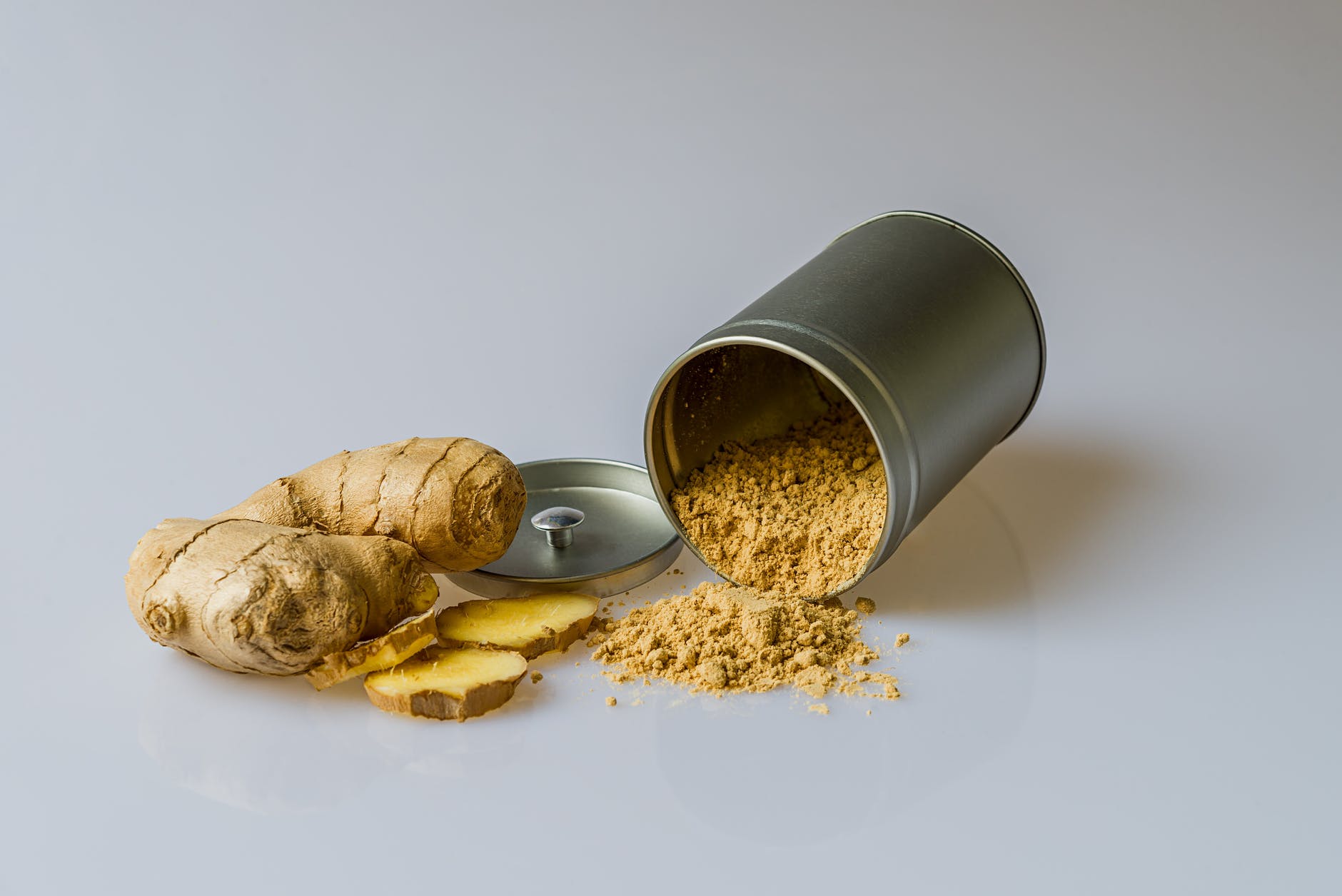
ginger and turmeric powder

Photo by Pixabay on Pexels.com

References

The EssentialMedicinal Chemistry of Curcumin.Nelson KM, Dahlin JL, Bisson J, Graham J, Pauli GF, Walters MA. J Med Chem. 2017 Mar 9;60(5):1620-1637.

Phase I clinical trial of oralcurcumin: biomarkers of systemic activity and compliance.Sharma RA, Euden SA, Platton SL, Cooke DN, Shafayat A, Hewitt HR, Marczylo TH, Morgan B, Hemingway D, Plummer SM, Pirmohamed M, Gescher AJ, Steward WP. Clin Cancer Res. 2004 Oct 15;10(20):6847-54.

A Placebo-Controlled Double-Blinded Randomized Pilot Study of Combination Phytotherapy in Biochemically Recurrent Prostate Cancer.van Die MD, Williams SG, Emery J, Bone KM, Taylor JM, Lusk E, Pirotta MV. Prostate. 2017 May;77(7):765-775.

Efficacy and Safety of Curcumin in Treatment of Intestinal Adenomas in Patients With Familial Adenomatous Polyposis.Cruz-Correa M, Hylind LM, Marrero JH, Zahurak ML, Murray-Stewart T, Casero RA Jr, Montgomery EA, Iacobuzio-Donahue C, Brosens LA, Offerhaus GJ, Umar A, Rodriguez LM, Giardiello FM. Gastroenterology. 2018 Sep;155(3):668-673.

Effect on prostatic specific antigen by a short time treatment with a Curcuma extract: A real life experience and implications for prostate biopsy.Fabiani A, Morosetti C, Filosa A, Principi E, Lepri L, Maurelli V, Fioretti F, Servi L. Arch Ital Urol Androl. 2018 Jun 30;90(2):107-111.

Pharmacodynamic and pharmacokinetic study of oral Curcuma extract in patients with colorectal cancer.Sharma RA, McLelland HR, Hill KA, Ireson CR, Euden SA, Manson MM, Pirmohamed M, Marnett LJ, Gescher AJ, Steward WP. Clin Cancer Res. 2001 Jul;7(7):1894.

Consumption of the putative chemopreventive agent curcumin by cancer patients: assessment of curcumin levels in the colorectum and their pharmacodynamic consequences.Garcea G, Berry DP, Jones DJ, Singh R, Dennison AR, Farmer PB, Sharma RA, Steward WP, Gescher AJ. Cancer Epidemiol Biomarkers Prev. 2005 Jan;14(1):120-5.

A double-blind, placebo-controlled randomised trial evaluating the effect of a polyphenol-rich whole food supplement on PSA progression in men with prostate cancer–the U.K. NCRN Pomi-T study.Thomas R, Williams M, Sharma H, Chaudry A, Bellamy P. Prostate Cancer Prostatic Dis. 2014 Jun;17(2):180-6

Consumption of the putative chemopreventive agent curcumin by cancer patients: assessment of curcumin levels in the colorectum and their pharmacodynamic consequences.Garcea G, Berry DP, Jones DJ, Singh R, Dennison AR, Farmer PB, Sharma RA, Steward WP, Gescher AJ. Cancer Epidemiol Biomarkers Prev. 2005 Jan;14(1):120-5.

A phase I/II study of gemcitabine-based chemotherapy plus curcumin for patients with gemcitabine-resistant pancreatic cancer.Kanai M, Yoshimura K, Asada M, Imaizumi A, Suzuki C, Matsumoto S, Nishimura T, Mori Y, Masui T, Kawaguchi Y, Yanagihara K, Yazumi S, Chiba T, Guha S, Aggarwal BB. Cancer Chemother Pharmacol. 2011 Jul;68(1):157.

Phytosome complex of curcumin as complementary therapy of advanced pancreatic cancer improves safety and efficacy of gemcitabine: Results of a prospective phase II trial.Pastorelli D, Fabricio ASC, Giovanis P, D’Ippolito S, Fiduccia P, Soldà C, Buda A, Sperti C, Bardini R, Da Dalt G, Rainato G, Gion M, Ursini F. Pharmacol Res. 2018 Jun;132:72-79.

Monoclonal gammopathy of undetermined significance, smoldering multiple myeloma, and curcumin: a randomized, double-blind placebo-controlled cross-over 4g study and an open-label 8g extension study.Golombick T, Diamond TH, Manoharan A, Ramakrishna R. Am J Hematol. 2012 May;87(5):455-60.


Image credit: Simon A. Eugster. Turmeric (Curcuma longa):fresh rhizome and powder.

Disclaimer: Please note- This blog is NOT medical advice. This blog is purely for information only. See your own doctor to discuss concerns and options relevant for you.

Does Cranberry juice relieve bladder symptoms due to radiation cystitis?

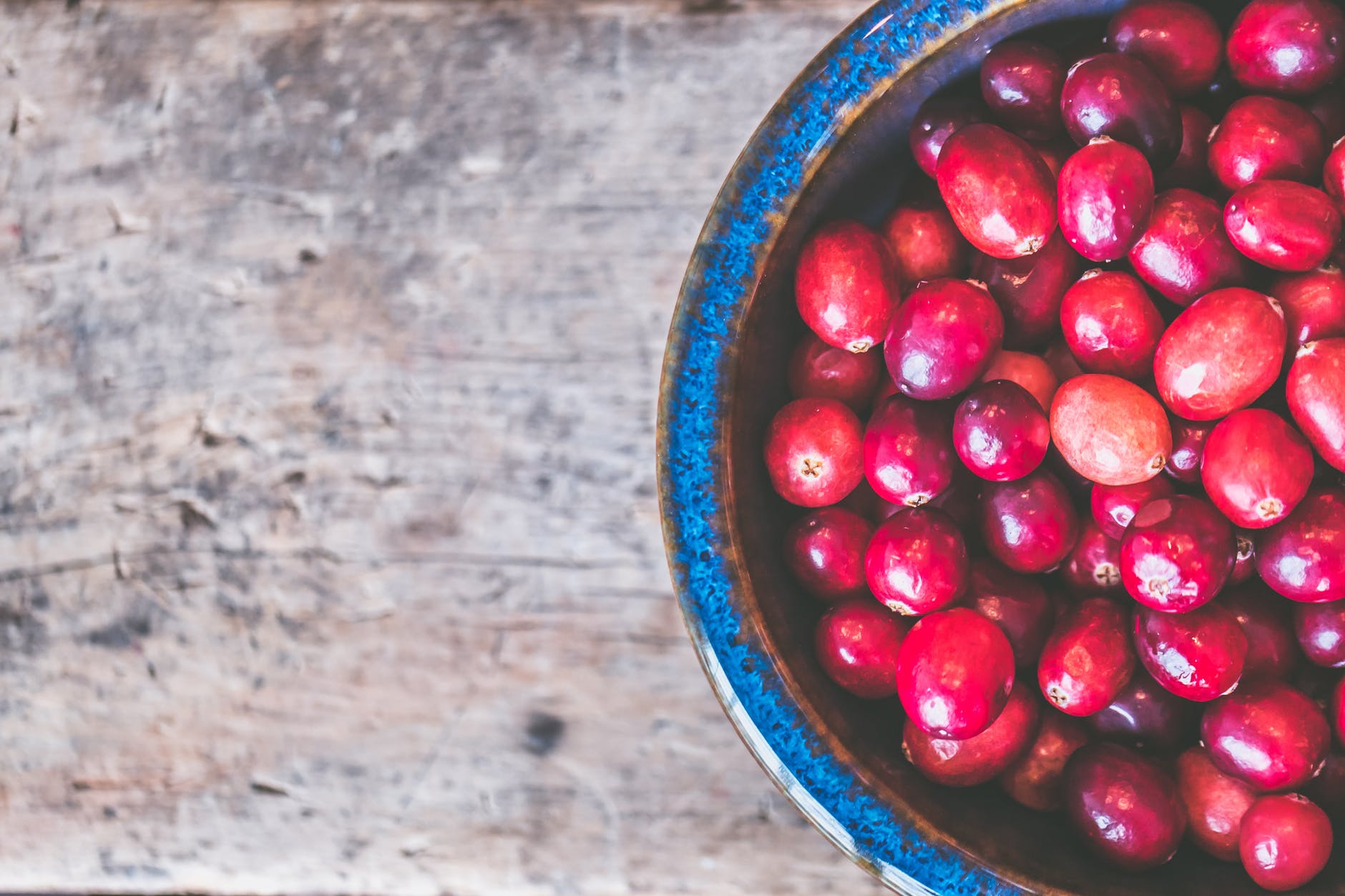
bowl of red round fruits

Many people do look for natural remedies to help with their symptoms.

Anectodally, many patients undergoing radiotherapy have reported that Cranberry Juice has eased their radiation cystitis symptoms.

What is the scientific evidence behind it ?

Should all patients having cystitis symptoms during radiotherapy take cranberry juice?

There is certainly scientific basis to expect benefit from Cranberry Juice.(1).

A lab study and a volunteer study (with volunteers from Japan, Hungary, Spain and France) has shown that certain chemicals in Cranberry can make bacteria ‘less sticky‘ to urinary tract walls and hence potentially reduces virulence of the bacteria.(1). But subsequent large studies have NOT confirmed any large benefit from Cranberry in terms of treating or preventing urinary tract infections. (2)(3).

But Radiation Cystitis is not due to bacterial infections although infections can co-exist sometimes. Hence the use of Cranberry has been studied separately in patients undergoing radiation therapy.

A New Zealand study involved 41 men undergoing radiotherapy for prostate cancer. Taking Cranberry (one capsule a day at breakfast) was found to reduce symptoms of pain and burning. (4).

On the other hand, in a study from Canada involving 112 patients , consumption of Cranberry juice compared with apple juice had no effect on radiation cystitis symptoms. (5).

Another study from United Kingdom was inconclusive because of poor patient recruitment and poor compliance. (6).

So the scientific evidence is inconclusive at present.(7).

Practically, if someone is keen to try it – the best course of action – ( for someone not intolerant of cranberry juice) – is to try it and see whether it offers any symptomatic benefit .

Disclaimer: Please note- This is NOT medical advice. This blog is purely for information only. See your own doctor to discuss options.

There are prescription medications available to help with radiation cystitis symptoms.

References:

1.Dosage effect on uropathogenic Escherichia coli anti-adhesion activity in urine following consumption of cranberry powder standardized for proanthocyanidin content: a multicentric randomized double blind study. BMC Infect Dis. 2010 Apr 14;10:94.

2. BBC News. Does Cranberry juice stop cystitis. By Claudia Hammond. (Accessed 1st Jan 2019).

3. BBC News. Ditch cranberry juice for urine infection . (Accessed 1st Jan 2019).

4.Standardized cranberry capsules for radiation cystitis in prostate cancer patients in New Zealand: a randomized double blinded, placebo controlled pilot study. Support Care Cancer (2015) 23: 95.

5. A Randomised Trial of Cranberry Versus Apple Juice in the Management of Urinary Symptoms During External Beam Radiation Therapy for Prostate Cancer. G.Campbell et al. Clin Oncol (R Coll Radiol). 2003 Sep;15(6):322-8.

6. A Randomised Double-blind Placebo-controlled Trial to Determine the Effect of Cranberry Juice on Decreasing the Incidence of Urinary Symptoms and Urinary Tract Infections in Patients Undergoing Radiotherapy for Cancer of the Bladder or Cervix. Cowan CC, et al. Clin Oncol (R Coll Radiol). 2012.

7.Chemical- and radiation-induced haemorrhagic cystitis: current treatments and challenges. BJU Int. 2013 Nov;112(7):885-97.

Image credit: Photo by Jessica Lewis on Pexels.com

Low carbohydrate diet

The advocates of low-carb diet received a scientific boost recently.

An American trial, published recently in the British Medical Journal, compared the effects of low-carb-high-fat diet with high-carb-low-fat while keeping total calories and protein intake constant.

This elegantly done trial shows that carbohydrates are bad for weight loss. A diet with a combination of low-carb-high-fat content was the winner in this trial and it promoted energy loss and helped maintain weight loss.

Reference:

Effects of a low carbohydrate diet on energy expenditure during weight loss maintenance: randomized trial.

Are Vitamin and Food supplements safe and helpful?


medical tablets pharmacy cure

Photo by Pixabay on Pexels.com


A British man recently ended up needing a liver transplant after taking green tea capsules. (1).(2).

Many people do not realise that supplements can be useless or even harmful. 

Firstly, Dietary supplements may not always be helpful. Even though the Public Health team in England recommend vItamin D supplements, a large study published recently  – found that Vitamin D supplements do NOT prevent fractures or falls in General population. (3) (4).

Secondly, Dietary supplements can be harmful. For example , a cancer prevention trial involving 35,533 North-American men reported that  “Dietary supplementation with vitamin E significantly increased the risk of prostate cancer among healthy men”. (JAMA 2011; 306: 1549).  Another cancer prevention trial in Finland involving 29,133 male smokers unexpectedly found a “higher incidence of lung cancer among the men who received beta carotene dietary supplements”. (NEJM 1994;330:1029 )

On the other hand, Vitamin are essential nutrients. Vitamin deficiency can be severely harmful to health. Vitamin D deficiency is common in colder parts of northern hemisphere. Vitamin D supplements are used in treatment and prevention of osteoporosis (5). Vitamin B12 deficiency is common in Vegans and Vitamin B12 supplements are used. (6).

So there is no clear cut answer ….

Always consider the possibility that “dietary supplements may actually have harmful as well as possible beneficial effects”. 

yellow health medicine wellness

Photo by Pixabay on Pexels.com

References: 

  1. BBC News – Are supplements safe and do they work? https://www.bbc.com/news/health-45992725
  1. Daily mail: Green tea supplements may cause liver damage, warns EU watchdog. https://www.dailymail.co.uk/health/article-5629791/How-healthy-healthy-EU-warns-green-tea-supplements.html
  1. Public Health England recommends vitamin D supplements in autumn and winter.  BMJ 354 doi:10.1136/bmj.i4061
  1. Guardian : Vitamin D supplements don’t help bone health, major study concludes. https://www.theguardian.com/society/2018/oct/04/vitamin-d-supplements-dont-help-bone-health-major-study-concludes
  1. Vitamin B12 and Health: http://www.lnds.nhs.uk/Library/Vitamin_B12_and_HealthOct2018LNDS123.pdf
  1. National Osteoporosis Guideline Group: https://www.sheffield.ac.uk/NOGG/mainrecommendations.html

Gout: Should you blame your diet or should you blame your parents and ancestors?


Gout is caused by excess Uric acid in blood. It is known for a long time that certain diets increase Uric acid levels in blood.

For Centuries, the common perception is that Gout is mainly caused by poor diet. But this myth has been busted by a recent study published in British Medical Journal.

The study found that

“Seven foods were associated with RAISED serum urate levels (beer, liquor, wine, potato, poultry, soft drinks, and meat (beef, pork, or lamb) &

Eight foods were associated with REDUCED serum urate levels (eggs, peanuts, cold cereal, skim milk, cheese, brown bread, margarine, and non-citrus fruits)”.

But poor diet was NOT found to be the MOST important cause of raised Uric acid levels in this study.

The “Genes” handed down by parents and other ancestors were found to be responsible for raised Uric acid levels and Gout in a significant number of people.

So it’s not you but your parents at fault if you are unlucky to have Gout !!

Reference

Major Tanya J, Topless Ruth K, DalbethNicola, Merriman Tony R. Evaluation of the diet wide contribution to serum urate levels: meta-analysis of population based cohorts BMJ 2018; 363 :k3951

https://www.bmj.com/content/363/bmj.k3951

Can milk cause cancer?

blur calcium close up dairy

Photo by Pixabay on Pexels.com

A vegan group’s recent advertisement claimed that “cow’s milk contains 35 hormones, including oestrogen … some of these are linked to cancer”.

Advertising Standards Authority (ASA) in U.K banned the vegan group’s advert  as it found the groups claims misleading.

Does the evidence stack up?

First of all, I have to emphasize that “Human Mothers milk” is the best nutrition a new born baby can have…even though it might have various natural hormones.

But “mass produced diary milk” is a different matter.

A large observational study from ” Central Sweden”  found that “High milk intake was associated with higher risk of death and higher fracture incidence in women”. The paper was published in the prestigious BMJ journal in 2014. I suspect the substances used in mass production of diary milk might be the culprit rather than natural milk itself.

So the jury is out on this question. In the mean time, moderation is the key as Cows’ milk does contain many beneficial substances.  Switching to sugary, fizzy drinks or other artifically produed milk alternatives is not sensible either.

Related Links

Milk intake and risk of mortality and fractures in women and men: cohort studies

BMJ Letter: S Sundar. Milk and mortality: the potential effects of modern milk production

Telegraph: Vegan group’s advert wrongly linking cow’s milk to cancer is banned.

Independent: Vegan group’s advert wrongly linking cow’s milk to cancer gets UK ban