Compared to other adults, teachers were NOT found to be at increased risk of severe COVID or at increased risk of hospital admission with COVID-19
References
BMJ Research. Risk of hospital admission with covid-19 among teachers compared with healthcare workers and other adults of working age in Scotland, March 2020 to July 2021: population based case-control study BMJ 2021; 374 doi: https://doi.org/10.1136/bmj.n2060 (Published 02 September 2021) Cite this as: BMJ 2021;374:n2060
Disclaimer: Please note – This blog is NOT medical advice. This blog is NOT a expert medical opinion on various topics. This blog is purely for information only and do check the sources where cited. Please DO consult your own doctor to discuss concerns and options relevant to you. The views expressed in this blog are NOT, in way whatsoever, intended to be a substitute for professional advice. The blog is NOT previewed, commissioned or otherwise endorsed, in any way, by any organisation that the author is associated with. The views expressed in this blog likely represents some of the author’s personal views held at the time of drafting the blog and MAY CHANGE overtime, particularly when new evidence comes to light.
U.K. is on course to lift almost all COVID restrictions in mid July 2021.
A U.K. minister has said that “wearing masks” would become a personal choice.
Just because there is a choice, it does not mean it is always good for you.
Government decisions are often made not only with scientific facts but also with economic and political considerations. Compulsory masks may not be liked by a section of society and Government has to take that into account in a democratic society.
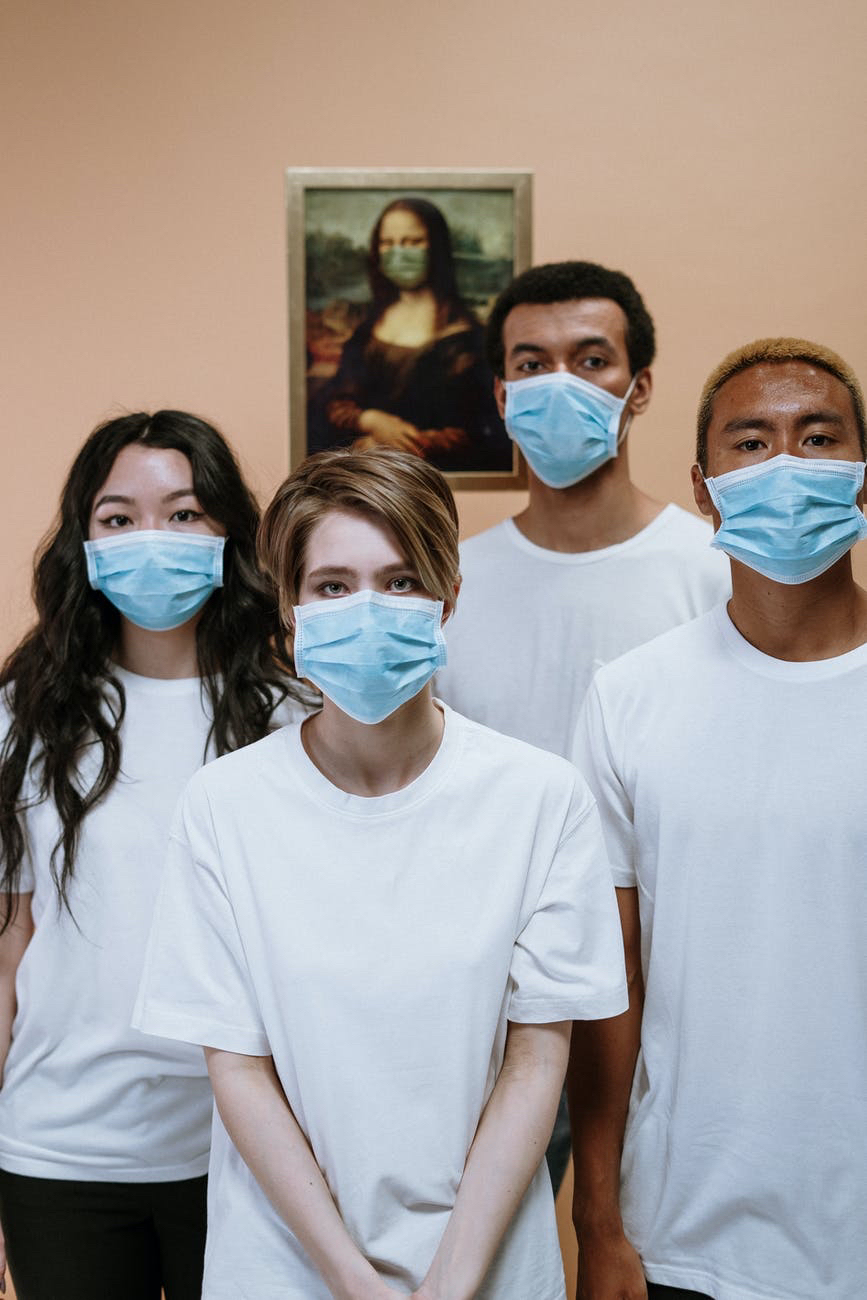
Personally electing to wear masks in crowded public places could be sensible for the following reasons.
– There is some debate about the extent of protection a person gets wearing masks following the Danish mask study. But no robust scientific study has shown significant harm from wearing masks. So it is better to be safe and wear masks even if the extent of protection is debatable.
– Infections are rising now and luckily, vaccines seem to have protected most people from getting severe COVID. But Vaccines are not 100% effective. Moreover, when infection rates go up further and society opens up more, there is a risk of variants emerging that may be partially vaccine resistant. So wearing masks may provide some protection.
– Not all people get poorly when they get COVID. But these people with COVID can still pass infection to other vulnerable family members and people who don’t have the protection from vaccines. So wearing a mask can stop people with mild COVID from spreading the infection to others.
– Some people do not want to wear masks because they think they are not at risk of death or hospitalisation. Remember, COVID related problems affect different people in different ways. Lot of people do recover from COVID without major problems. But some people do develop long-term symptoms from COVID. So it is better to wear masks for COVID protection.
Disclaimer: Please note- This blog is NOT medical advice. This blog is NOT a expert medical opinion on various topics. This blog is purely for information only and do check the sources where cited. Please DO consult your own doctor to discuss concerns and options relevant to you. The views expressed in this blog represent the author’s views held at the time of drafting the blog and may change overtime, particularly when new evidence comes to light. The blog is not previewed, commissioned or otherwise endorsed by any organisation that the author is associated with. The views expressed in this blog are not, in way whatsoever, intended to be a substitute for professional advice.
Yes, good masks may help to reduce infections that are spread by airborne particles.
But not all masks are the same.
Cloth masks were promoted during 2020 when the proper surgical masks were in short supply . The effectiveness of cloth masks are not well studied and they are of varying quality depending who made them and how well they were made.
Properly manufactured surgical masks are better than home made cloth masks. But how much protection they can offer is a matter of scientific debate. Surgical masks have been found to give some protection against other respiratory viruses in past. But a recent Danish study found no significant benefit against COVID among the general public.
The high quality FFP3 masks which filter most of the inhaled air is superior to normal surgical masks. A recent study from Cambridge found that Heath care workers who used FFP3 masks had better protection from COVID compared to normal surgical masks in the Hospital.
Overall, clean, well manufactured masks are likely to of some benefit to the public rather than wearing no masks at all. In the hospital setting, FFP3 masks seem to provide superior protection to Health care staff working with COVID patients.
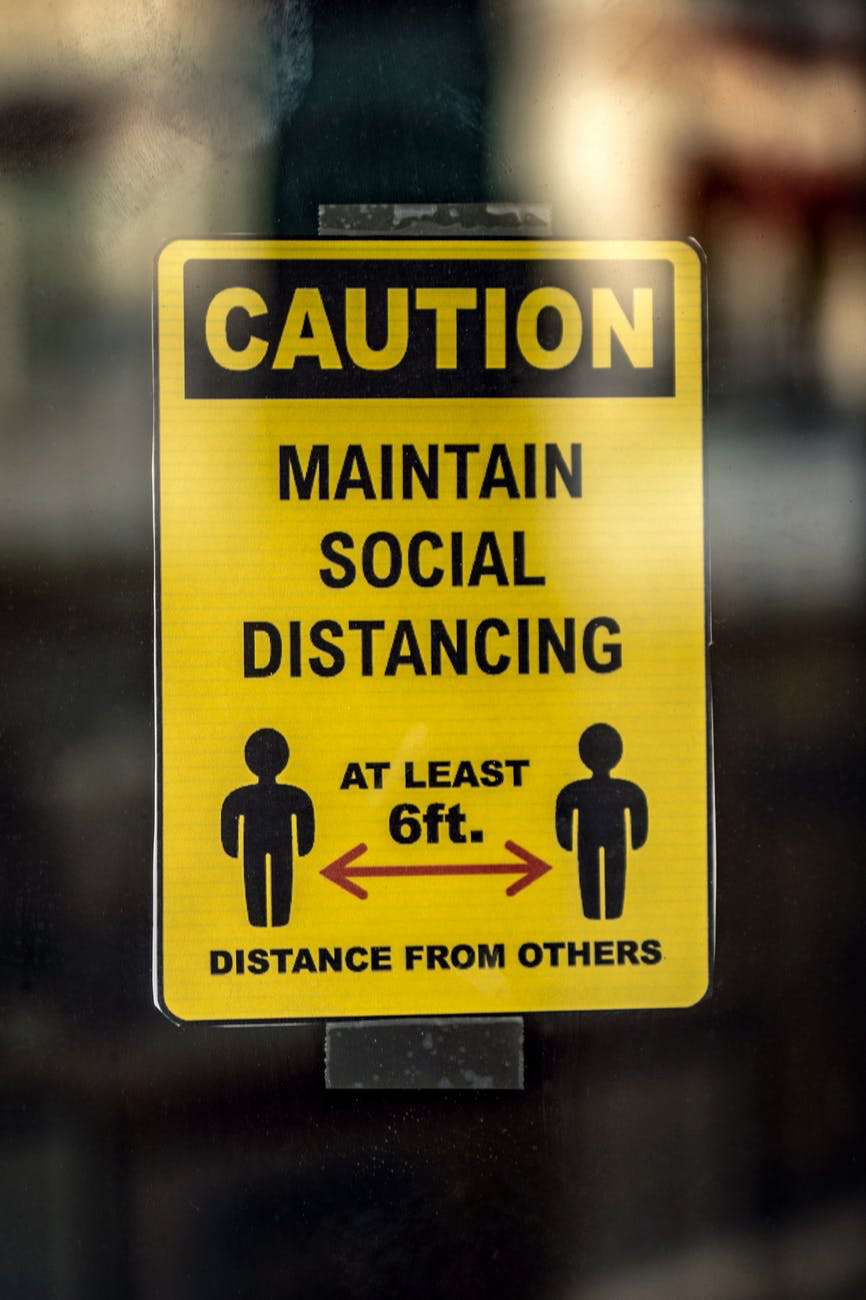
And most importantly people have to understand that masks are not to be used alone. Masks got to be used along with protective measures such as social distancing and Hand-washing.
Disclaimer: Please note- This blog is NOT medical advice. This blog is NOT a expert medical opinion on various topics. This blog is purely for information only and do check the sources where cited. Please DO consult your own doctor to discuss concerns and options relevant to you. The views expressed in this blog represent the author’s views held at the time of drafting the blog and may change overtime, particularly when new evidence comes to light. The blog is not previewed, commissioned or otherwise endorsed by any organisation that the author is associated with. The views expressed in this blog are not, in way whatsoever, intended to be a substitute for professional advice.
Yes, we should be cautious after the freedom day on July 19th and this is for the following reasons.
1. Vaccines are highly effective but they are NOT 100% effective.
2. Two doses are needed for full protection. Even though, more than two third of adults have had atleast one vaccine, only about half the U.K. population had double vaccination so far.
3. Vaccine Protection against New COVID variants may NOT be as good as it is now. For instance , vaccines are slightly less effective against the delta variant particularly after first dose.
4. Vaccine protection may decrease over time and Vaccines may not give the same level of protection as months pass by.
4. Being cautious now, may helps us to avoid lockdowns during Autumn and would help to save Christmas !
Public Health England. Press release Vaccines highly effective against hospitalisation from Delta variant New analysis by PHE shows for the first time that 2 doses of COVID-19 vaccines are highly effective against hospitalisation from the Delta (B.1.617.2) variant. Published 14 June 2021
Disclaimer: Please note- This blog is NOT medical advice. This blog is NOT a expert medical opinion on various topics. This blog is purely for information only and do check the sources where cited. Please DO consult your own doctor to discuss concerns and options relevant to you. The views expressed in this blog represent the author’s views held at the time of drafting the blog and may change overtime, particularly when new evidence comes to light. The blog is not previewed, commissioned or otherwise endorsed by any organisation that the author is associated with. The views expressed in this blog are not, in way whatsoever, intended to be a substitute for professional advice.
You don’t need to be exposed to an infected person who is coughing, sneezing and spluttering to get the infection.
Merely talking to an infected person can make you catch the coronavirus infection particularly if you are very close to the person with infection and not wearing a mask in an indoor setting with poor ventilation.
Guardian. Talking can spread Covid as much as coughing, says research. Tiny aerosols of the virus emitted when speaking linger in air for longer than larger droplets from a cough. Nicola Davis Science correspondent @NicolaKSDavis Wed 20 Jan 2021 00.01 GMT
Journal Proceedings of the Royal Society A. Evolution of spray and aerosol from respiratory releases: theoretical estimates for insight on viral transmission. P. M. de Oliveira , L. C. C. Mesquita , S. Gkantonas , A. Giusti and E. Mastorakos. Published:20 January 2021. https://doi.org/10.1098/rspa.2020.0584
Disclaimer: Please note- This blog is NOT medical advice. This blog is NOT a expert medical opinion on various topics. This blog is purely for information only and do check the the sources where cited. Please DO consult your own doctor to discuss concerns and options relevant to you.
The views expressed in this blog represent the author’s views held at the time of drafting the blog and may change overtime, particularly when new evidence comes to light. The blog is not necessarily endorsed by any organisation the author is associated with and the authors views are not in way intended to be a substitute for professional advice.
The superstitious might say “don’t jinx it by calling the end early”……..
So the answer is “may be”.
The good news from two Vaccine trials indicates that this might be “beginning of the end” for COVID-19.
Two recent press reports give rise to lot of optimism to the population that is getting weary with the lockdown. It is good to have a ray of hope among all the doom and gloom.
The covid-19 vaccine (mRNA-1273) from US biotech company Moderna was found to be 94.5% effective.
Another mRNA vaccine developed by Pfizer and BioNTech was reported to be 90% effective.
Now the caveats…. these are interim trial results and the trial results have not been subject to scrutiny by the wider scientific community as the full results are yet to be published.
Clinical Trials usually recruit motivated people without too many other medical problems. So one has to hope that these interim trial results can be replicated in the wider elderly population with lot of medical problems.
Let’s hope that all the vaccines are very safe and highly effective when used in the real world population.
References: (1). Covid-19: Vaccine candidate may be more than 90% effective, interim results indicate. BMJ 2020; 371 doi: https://doi.org/10.1136/bmj.m4347 (Published 09 November 2020). Cite this as: BMJ 2020;371:m4347.
(2). Covid-19: Moderna vaccine is nearly 95% effective, trial involving high risk and elderly people shows. BMJ 2020; 371 doi: https://doi.org/10.1136/bmj.m4471 (Published 17 November 2020). Cite this as: BMJ 2020;371:m4471
(3). Covid-19: Oxford vaccine is up to 90% effective, interim analysis indicates BMJ 2020; 371 doi: https://doi.org/10.1136/bmj.m4564 (Published 23 November 2020) Cite this as: BMJ 2020;371:m4564
Covid-19: What do we know about the late stage vaccine candidates?. BMJ 2020; 371 doi: https://doi.org/10.1136/bmj.m4576 (Published 24 November 2020) Cite this as: BMJ 2020;371:m4576
Disclaimer: Please note- This blog is NOT medical advice. This blog is purely for information only and do check the the sources where cited. Please consult your own doctor to discuss concerns and options relevant to you. The views expressed in this blog represent the author’s views held at the time of drafting the blog and is likely to change overtime, particularly when new evidence comes to light. The blog is not necessarily endorsed by any organisation the author is associated with and views are not substitute for professional advice.
Coronavirus was previously known to survive for about 3 days at room temperatures. (On certain surfaces made of plastic and stainless steel).
Now an Australian team has found that Coronavirus can survive upto 28 days in Cold conditions. The results need to be interpreted with great caution as it tested virus under unusual artificial conditions and hence might not be relevant for real life situations
On the other hand , if the study is right, then it might indicate that the Pandemic can get worse during cold Winter before it gets better in Spring and Summer.
What can we do? In addition to Social distancing measures and Mask wearing, Frequent hand washing would stop the Virus from Spreading.
Every Week , we are learning more about the Virus. Let’s hope it comes to an end soon.
3. Aerosol and Surface Stability of SARS-CoV-2 as Compared with SARS-CoV-1 April 16, 2020 N Engl J Med 2020; 382:1564-1567 DOI: 10.1056/NEJMc2004973
Disclaimer: Please note- This blog is NOT medical advice. This blog is purely for information only and do check the the sources where cited. Please consult your own doctor to discuss concerns and options relevant to you.
The views expressed in this blog represent the author’s views held at the time of drafting the blog and is likely to change overtime, particularly when new evidence comes to light. The blog is not necessarily endorsed by any organisation the author is associated with and views are not substitute for professional advice.
3. Visualizing droplet dispersal for face shields and masks with exhalation valves. Physics of Fluids 32, 091701 (2020); https://doi.org/10.1063/5.0022968
Disclaimer: Please note- This blog is NOT medical advice. This blog is purely for information only and do check the the sources where cited. Please consult your own doctor to discuss concerns and options relevant to you.
The views expressed in this blog represent the author’s views held at the time of drafting the blog and is likely to change overtime, particularly when new evidence comes to light. The blog is not necessarily endorsed by any organisation the author is associated with and views are not substitute for professional advice.
The National Health Service had recently embarked on a Risk assessment exercise of its staff to assess the Vulnerability of individual members to Coronavirus infection ( COVID-19).
The exercise is being done with good intentions. Given the unprecedented situation of the pandemic and lack of concrete data , the exercise seemed to have steered away from firm “one size fits all” type of recommendations.
Given the uncertainties with the currently available data on various forms of protection ( from simple surgical masks to shielding) , the exercise could have been a starting point for an nationwide intervention study .
An opportunity seems to have been missed and if there is a second wave, NHS might regret not learning from the first wave.













 Dr S Sundar