
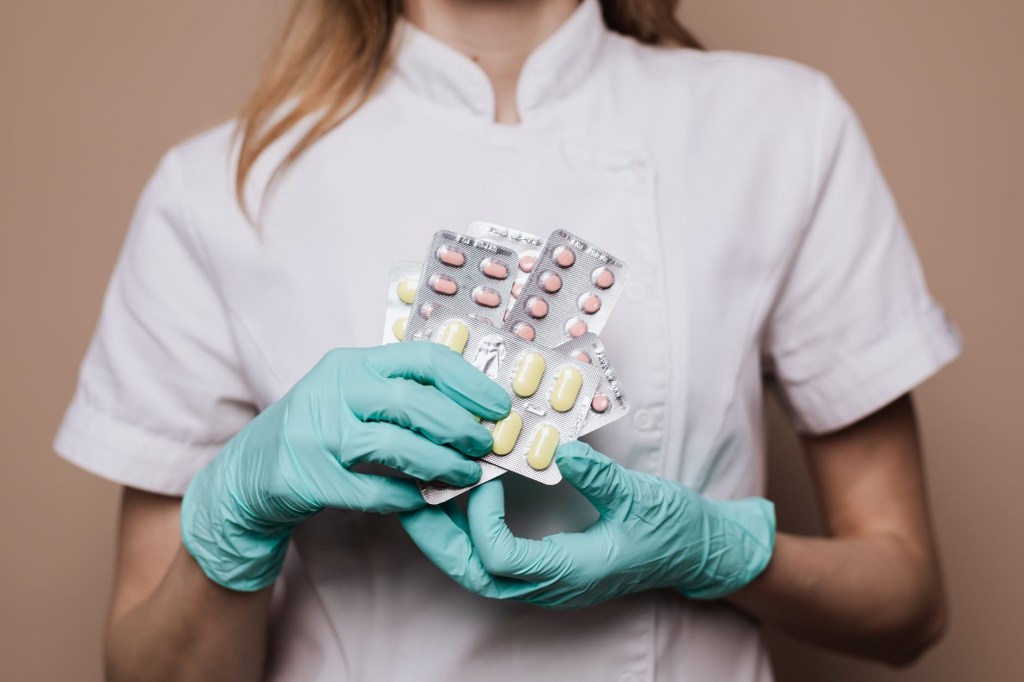
A new antiviral pill for COVID is very promising. It may be used widely to control the infection in people suffering from early stages of illness.
But the pill does NOT seem to work very well in people with severe illness.
It is important to note that “Prevention is better than cure”. That’s why using COVID vaccines to prevent the disease in first place is a better option.
COVID Vaccines will continue to play the lead role in controlling the COVID pandemic.
The antiviral pill by the made by the company Merck is likely to become the first approved oral medication effective against coronavirus. But other companies, including Pfizer, are also developing new oral antiviral medications.
Dexamethasone and other steroid pills, which can help COVID illness, do NOT have direct antiviral activity.
Overall, this antiviral pill is another promising step towards complete normality.
References
BBC Covid antiviral pill can halve risk of hospitalisation
By Jim Reed
Health reporter
Guardian. Covid antiviral pill halves hospitalisations and deaths.
Merck’s antiviral drug, molnupiravir.
Hannah Devlin Science correspondent
Fri 1 Oct 2021 15.56 BST

Disclaimer: Please note – This blog is NOT medical advice. This blog is NOT a expert medical opinion on various topics. This blog is purely for information only and do check the sources where cited. Please DO consult your own doctor to discuss concerns and options relevant to you. The views expressed in this blog are NOT, in way whatsoever, intended to be a substitute for professional advice. The blog is NOT previewed, commissioned or otherwise endorsed, in any way, by any organisation that the author is associated with. The views expressed in this blog likely represents some of the author’s personal views held at the time of drafting the blog and MAY CHANGE overtime, particularly when new evidence comes to light.



 Dr S Sundar