Disclaimer: Please note – This blog is NOT medical advice. This blog is NOT a expert medical opinion on various topics. This blog is purely for information only and do check the sources where cited. Please DO consult your own doctor to discuss concerns and options relevant to you. The views expressed in this blog are NOT, in way whatsoever, intended to be a substitute for professional advice. The blog is NOT previewed, commissioned or otherwise endorsed, in any way, by any organisation that the author is associated with. The views expressed in this blog likely represents some of the author’s personal views held at the time of drafting the blog and MAY CHANGE overtime, particularly when new evidence comes to light.
U.K. is on course to lift almost all COVID restrictions in mid July 2021.
A U.K. minister has said that “wearing masks” would become a personal choice.
Just because there is a choice, it does not mean it is always good for you.
Government decisions are often made not only with scientific facts but also with economic and political considerations. Compulsory masks may not be liked by a section of society and Government has to take that into account in a democratic society.
Personally electing to wear masks in crowded public places could be sensible for the following reasons.
– There is some debate about the extent of protection a person gets wearing masks following the Danish mask study. But no robust scientific study has shown significant harm from wearing masks. So it is better to be safe and wear masks even if the extent of protection is debatable.
– Infections are rising now and luckily, vaccines seem to have protected most people from getting severe COVID. But Vaccines are not 100% effective. Moreover, when infection rates go up further and society opens up more, there is a risk of variants emerging that may be partially vaccine resistant. So wearing masks may provide some protection.
– Not all people get poorly when they get COVID. But these people with COVID can still pass infection to other vulnerable family members and people who don’t have the protection from vaccines. So wearing a mask can stop people with mild COVID from spreading the infection to others.
– Some people do not want to wear masks because they think they are not at risk of death or hospitalisation. Remember, COVID related problems affect different people in different ways. Lot of people do recover from COVID without major problems. But some people do develop long-term symptoms from COVID. So it is better to wear masks for COVID protection.
Disclaimer: Please note- This blog is NOT medical advice. This blog is NOT a expert medical opinion on various topics. This blog is purely for information only and do check the sources where cited. Please DO consult your own doctor to discuss concerns and options relevant to you. The views expressed in this blog represent the author’s views held at the time of drafting the blog and may change overtime, particularly when new evidence comes to light. The blog is not previewed, commissioned or otherwise endorsed by any organisation that the author is associated with. The views expressed in this blog are not, in way whatsoever, intended to be a substitute for professional advice.
Yes, we should be cautious after the freedom day on July 19th and this is for the following reasons.
1. Vaccines are highly effective but they are NOT 100% effective.
2. Two doses are needed for full protection. Even though, more than two third of adults have had atleast one vaccine, only about half the U.K. population had double vaccination so far.
3. Vaccine Protection against New COVID variants may NOT be as good as it is now. For instance , vaccines are slightly less effective against the delta variant particularly after first dose.
4. Vaccine protection may decrease over time and Vaccines may not give the same level of protection as months pass by.
4. Being cautious now, may helps us to avoid lockdowns during Autumn and would help to save Christmas !
Public Health England. Press release Vaccines highly effective against hospitalisation from Delta variant New analysis by PHE shows for the first time that 2 doses of COVID-19 vaccines are highly effective against hospitalisation from the Delta (B.1.617.2) variant. Published 14 June 2021
Disclaimer: Please note- This blog is NOT medical advice. This blog is NOT a expert medical opinion on various topics. This blog is purely for information only and do check the sources where cited. Please DO consult your own doctor to discuss concerns and options relevant to you. The views expressed in this blog represent the author’s views held at the time of drafting the blog and may change overtime, particularly when new evidence comes to light. The blog is not previewed, commissioned or otherwise endorsed by any organisation that the author is associated with. The views expressed in this blog are not, in way whatsoever, intended to be a substitute for professional advice.
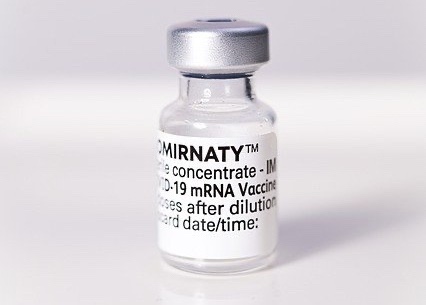
Yes, people have died after having COVID-19 vaccines.
Recently, a BBC Radio Newcastle presenter, Lisa Shaw was reported to have died after the Astra Zeneca COVID vaccine. Her family is blaming the COVID vaccine for causing clots and ultimately her death.
In India, a Popular Tamil actor and comedian died within 48 hours of receiving a COVID vaccine. His vaccination was broadcast live on TV to encourage public uptake of vaccination but his unfortunate death after vaccination probably ended up causing vaccine hesitancy in some people.
A news article in BMJ reports that the “Pfizer-covid-19 vaccine is “likely” to have been responsible for at least 10 deaths of frail elderly people in nursing homes in Norway”.
But, the most important thing to remember is that deaths are rare after COVID-19 vaccines.
Yes, there are true distressing accounts of vaccine side effects. But what you do not hear is the benefit most people have from vaccines.
Millions of people received vaccines so far with vast majority having no major side effects.
Consider this for context. Think about plane accidents. Millions of people travel by plane without any problems. If People fly safely and reach their destination, it is not headline news. People do not go around saying that they have traveled safely by plane and that they are alive !
But a aeroplane accident which happens rarely is front page news. It would be all over the 24 hour TV news channels across the world. Plane accidents are utterly and unimaginably devastating for those individuals and families involved. But the rare plane accidents do not make most other people avoid flying. The accidents do not mean that no one should travel by plane. The travel by planes has far more benefits than risks for majority of population.
Same with COVID vaccines. Serous Side effects are headline news even if they are very uncommon and rare. The available data indicate benefits are much greater than risks.
Disclaimer: Please note- This blog is NOT medical advice. This blog is NOT a expert medical opinion on various topics. This blog is purely for information only and do check the sources where cited. Please DO consult your own doctor to discuss concerns and options relevant to you. The views expressed in this blog represent the author’s views held at the time of drafting the blog and may change overtime, particularly when new evidence comes to light. The blog is not previewed, commissioned or otherwise endorsed by any organisation that the author is associated with. The views expressed in this blog are not, in way whatsoever, intended to be a substitute for professional advice.
Worries about vaccines are nothing new. Anti_vaccination groups were formed in 1860s when small pox vaccination was made compulsory. Even when small pox was causing untold devastation, some people were opposed to it.
The Vaccine hesitancy of 19th century is somewhat excusable. Some of the worries were real, and not much was known about the safety of small pox vaccine at that time. Lot of people were ill-informed and did not have access to good sources of information. They didn’t know the immense potential of the vaccination to eliminate distressing diseases.
Vaccines have now successfully eradicated small pox. Many other devastating infectious diseases such as polio have been controlled in many countries across the globe due to the vaccines.
Some of the vaccine hesitancy in west is because western people are not fully aware of the devastating power of infectious diseases (at least until COVID-19 came to the world in 2020).
Vaccine hesitancy is also sustained by “confirmation bias” . Confirmation bias is the tendency of human beings to seek information that confirms what they believe in. If you distrust vaccines, you go looking for information that confirms you beliefs and you disregard information that proves vaccines are hugely beneficial.
Some people wish for a 100% safe vaccine. But there is no such thing as completely risk free vaccine. It is true Vaccines can cause serious side effects. It is true that Vaccines can cause long term side effects. It is true that Vaccines can rarely cause life threatening side effects and even deaths.
It is normal to worry about side effects of vaccines. But the potential for side effects should not be the reason to decline vaccination.
One has to look at benefits as well as risks. Some people focus on everything bad that can happen as a result of vaccines.
COVID-19 vaccines had an unusually short development period. This is because of the pandemic. The available evidence indicate that the benefits of the vaccines are far greater than risks. It is true that there is no long term safety data. But in the middle of a pandemic, which has caused untold misery to millions, waiting for perfect long term data is not an option.
If you are sceptical about vaccines, please do focus on benefits as well as risks. Do not focus on risks only.
References
BMJ. Practice Pointer. Covid-19 vaccination hesitancy. BMJ 2021; 373 doi: https://doi.org/10.1136/bmj.n1138 (Published 20 May 2021) Cite this as: BMJ 2021;373:n1138
BMJ. News. Covid-19: Pfizer-BioNTech vaccine is “likely” responsible for deaths of some elderly patients, Norwegian review finds. BMJ 2021; 373 doi: https://doi.org/10.1136/bmj.n1372 (Published 27 May 2021) Cite this as: BMJ 2021;373:n1372
Disclaimer: Please note- This blog is NOT medical advice. This blog is NOT a expert medical opinion on various topics. This blog is purely for information only and do check the sources where cited. Please DO consult your own doctor to discuss concerns and options relevant to you. The views expressed in this blog represent the author’s views held at the time of drafting the blog and may change overtime, particularly when new evidence comes to light. The blog is not previewed, commissioned or otherwise endorsed by any organisation that the author is associated with. The views expressed in this blog are not, in way whatsoever, intended to be a substitute for professional advice.
But now comes the Variant from India. (the scientific name is B1.617.2 variant of concern).
The Indian variant appears to be more transmissible but no evidence yet that the Indian variant is inherently more deadly than the Kent variant.
Naturally, we are in a better place now than last year because of the vaccination.
But there is some evidence that spontaneous changes (mutations) in the B.1.617.2 variant virus may make it partially resistant to antibodies produced by vaccines.
So how effective are the current vaccines against this Variant from India?
Disclaimer: Please note- This blog is NOT medical advice. This blog is NOT a expert medical opinion on various topics. This blog is purely for information only and do check the sources where cited. Please DO consult your own doctor to discuss concerns and options relevant to you. The views expressed in this blog represent the author’s views held at the time of drafting the blog and may change overtime, particularly when new evidence comes to light. The blog is not previewed, commissioned or otherwise endorsed by any organisation that the author is associated with. The views expressed in this blog are not, in way whatsoever, intended to be a substitute for professional advice.
UK government wanted as many people have “some” degree of protection against the COVID-19 rather a only few people having “full” protection against COVID-19.
Some people have now been offered two vaccines but still there are many people who were yet to have the second dose. They would be wondering how effective a single dose of the vaccine is. How much protection they have now.
With Pfizer vaccine, vaccine effectiveness reached 61% after 4 to 5 weeks of the first dose.
With AstraZeneca vaccine, vaccine effectiveness reached 73% after 5 weeks of first dose.
This data is very reassuring
But the data also stresses the importance of having the second dose for further protection.
Please do make a note that (a) vaccines do take a few weeks to be become effective after the first dose (b) no vaccine is 100% effective and (c) we also do not know how long this protection from vaccine will last.
Disclaimer: Please note- This blog is NOT medical advice. This blog is NOT a expert medical opinion on various topics. This blog is purely for information only and do check the sources where cited. Please DO consult your own doctor to discuss concerns and options relevant to you. The views expressed in this blog represent the author’s views held at the time of drafting the blog and may change overtime, particularly when new evidence comes to light. The blog is not previewed, commissioned or otherwise endorsed by any organisation the author is associated with. The views expressed in this blog are not in way intended to be a substitute for professional advice.
How effective is a single dose of Pfizer Vaccine in cancer patients?
Single dose is not very effective in cancer patients.
An UK study has now been peer reviewed and published in the esteemed Lancet oncology journal. The study showed inadequate protection after first dose.
More than half of the cancer patients receiving a single dose of the Pfizer COVID-19 vaccine have been left with little protection against the virus.
Two doses are critical and the second booster ideally need to be given on time at 21days.
Disclaimer: Please note- This blog is NOT medical advice. This blog is NOT a expert medical opinion on various topics. This blog is purely for information only and do check the the sources where cited. Please DO consult your own doctor to discuss concerns and options relevant to you. The views expressed in this blog represent the author’s views held at the time of drafting the blog and may change overtime, particularly when new evidence comes to light. The blog is not previewed, commissioned or otherwise endorsed by any organisation the author is associated with. The views expressed in this blog are not in way intended to be a substitute for professional advice.
The vaccination rates are rapidly going up and understandably many people are hoping for some sort of normality very soon.
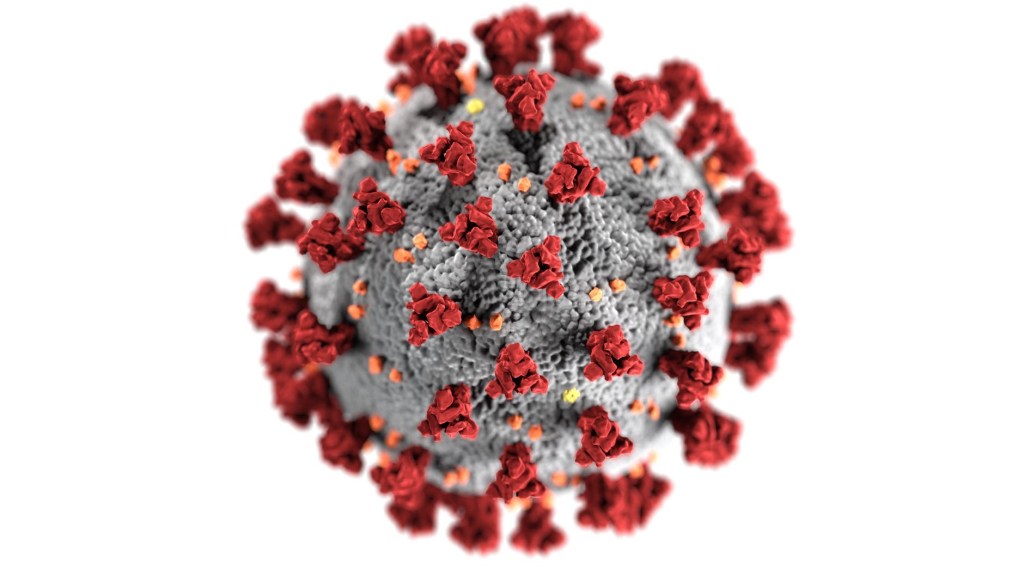
But a new variant has been detected across the country. The scientists are worried about this new variant of coronavirus- called India variant. This variant can derail government plans in UK.
The current vaccines seem to offer somewhat less protection against this new variant . If this variant takes a strong foothold in UK , then we have to wait a bit longer for normality.
Disclaimer: Please note- This blog is NOT medical advice. This blog is NOT a expert medical opinion on various topics. This blog is purely for information only and do check the the sources where cited. Please DO consult your own doctor to discuss concerns and options relevant to you. The views expressed in this blog represent the author’s views held at the time of drafting the blog and may change overtime, particularly when new evidence comes to light. The blog is not previewed, commissioned or otherwise endorsed by any organisation the author is associated with. The views expressed in this blog are not in way intended to be a substitute for professional advice.
COVID-19 is still raging like wild fire in various parts of world particularly in India now.
But, in U.K, it does look like the “beginning of the end” for the COVID pandemic. Vaccines seem to have greatly aided this end.
On Tuesday, UK reported 1,946 new infections and only four deaths within 28 days of a positive test.
So unless there is a new variant which overcomes the protective shield of the Vaccines, there may be no more lockdowns and life may go back to some sort of normality.
Disclaimer: Please note- This blog is NOT medical advice. This blog is NOT a expert medical opinion on various topics. This blog is purely for information only and do check the the sources where cited. Please DO consult your own doctor to discuss concerns and options relevant to you. The views expressed in this blog represent the author’s views held at the time of drafting the blog and may change overtime, particularly when new evidence comes to light. The blog is not previewed, commissioned or otherwise endorsed by any organisation the author is associated with. The views expressed in this blog are not in way intended to be a substitute for professional advice.
A recent study published in the esteemed Lancet Oncology Journal shows that the vaccine is well tolerated in patients having immunotherapy.
Unlike cancer chemotherapy, immunotherapy works differently. It works by releasing the in-built brakes holding down the immune system thereby boosting the body’s immune system against cancer.
There has been some theoretical concerns whether this might lead to COVID vaccine causing more side effects.
Reassuringly, the Vaccine side effects were NO different from those seen in people not having immunotherapy. The Vaccine also did NOT increase the immunotherapy side effects.
So the study is good news for tens of thousands of patients on immunotherapy and any cancer patient who has hesitated before, should seriously consider having the vaccine now
COVID infection could be very nasty in cancer patients and all evidence points to the benefits of vaccine far outweighing any risks from the Vaccine.
Disclaimer: Please note- This blog is NOT medical advice. This blog is NOT a expert medical opinion on various topics. This blog is purely for information only and do check the the sources where cited. Please DO consult your own doctor to discuss concerns and options relevant to you. The views expressed in this blog represent the author’s views held at the time of drafting the blog and may change overtime, particularly when new evidence comes to light. The blog is not previewed, commissioned or otherwise endorsed by any organisation the author is associated with. The authors views are not in way intended to be a substitute for professional advice.
Disclaimer: Please note- This blog is NOT medical advice. This blog is NOT a expert medical opinion on various topics. This blog is purely for information only and do check the the sources where cited. Please DO consult your own doctor to discuss concerns and options relevant to you.
The views expressed in this blog represent the author’s views held at the time of drafting the blog and may change overtime, particularly when new evidence comes to light. The blog is not necessarily endorsed by any organisation the author is associated with and the authors views are not in way intended to be a substitute for professional advice.
The UK has made a pragmatic decision based on limited available evidence to delay the second dose so that more people can get the vaccine.
While there is some evidence for the Oxford vaccine, there is scant public evidence in support of delaying the Pfizer vaccine.
A BMJ news article provides an excellent summary of the current evidence.
Only time will whether there are any major risks to this approach.
Reference: Covid-19 vaccination: What’s the evidence for extending the dosing interval? BMJ 2021; 372 doi: https://doi.org/10.1136/bmj.n18 (Published 06 January 2021). Cite this as: BMJ 2021;372:n18
Covid-19: Order to reschedule and delay second vaccine dose is “totally unfair,” says BMA BMJ 2020; 371 doi: https://doi.org/10.1136/bmj.m4978 (Published 31 December 2020) Cite this as: BMJ 2020;371:m4978
Disclaimer: Please note- This blog is NOT medical advice. This blog is purely for information only and do check the the sources where cited. Please DO consult your own doctor to discuss concerns and options relevant to you.
The views expressed in this blog represent the author’s views held at the time of drafting the blog and may change overtime, particularly when new evidence comes to light. The blog is not necessarily endorsed by any organisation the author is associated with and the authors views are not in way intended to be a substitute for professional advice.
It is quite difficult to give a single reason why some people believe COVID-19 is a hoax.
Since the coronavirus pandemic started, there has been so much anxiety, stress and severe disruption to the everyday life.
Most people like certainty with everyday life. Most people do not wake up and think that there is very very tiny chance I might die today (even though that’s true).
Thinking about bad things all the time can make you feel very stressed and exhausted . In a way, it is healthy NOT to focus on all the bad things that can happen everyday.
So some people mentally cope by believing the COVID-19 is fake news. Believing COVID-19 is a hoax helps some people to get on with their lives without being very fearful and worried everyday. It is a coping mechanism.
It is true that only about 1% of people with COVID-19 die due to the disease. But if ten million people get infected in a country that means an extra 100,000 deaths. If the whole population of UK were to get the infection, theoretically it could mean at least an extra 500,000 deaths.
Comparative evaluation of clinical manifestations and risk of death in patients admitted to hospital with covid-19 and seasonal influenza: cohort study. BMJ 2020; 371 doi: https://doi.org/10.1136/bmj.m4677 (Published 15 December 2020) Cite this as: BMJ 2020;371:m4677
Disclaimer: Please note- This blog is NOT medical advice. This blog is purely for information only and do check the the sources where cited. Please DO consult your own doctor to discuss concerns and options relevant to you.
The views expressed in this blog represent the author’s views held at the time of drafting the blog and may change overtime, particularly when new evidence comes to light. The blog is not necessarily endorsed by any organisation the author is associated with and the authors views are not in way intended to be a substitute for professional advice.
The whole world is placing their bets on vaccines to defeat the Coronavirus and emerge out of this dreadful pandemic.
Studies are ongoing about the effectiveness of vaccines against this new variant coronavirus. There is a risk that changes seen in the variant virus (mutations) might make it evade the vaccine shield.
So far, there has been no conclusive evidence that the variant virus will definitely escape the vaccines. Even if they do, the good news is that current vaccines can be adapted to deal with the changes in the virus.
(5). Covid-19: New coronavirus variant is identified in UK. BMJ 2020; 371 doi: https://doi.org/10.1136/bmj.m4857 (Published 16 December 2020) Cite this as: BMJ 2020;371:m4857
Disclaimer: Please note- This blog is NOT medical advice. This blog is purely for information only and do check the the sources where cited. Please DO consult your own doctor to discuss concerns and options relevant to you.
The views expressed in this blog represent the author’s views held at the time of drafting the blog and may change overtime, particularly when new evidence comes to light. The blog is not necessarily endorsed by any organisation the author is associated with and views are not substitute for professional advice.
Long term, there are some uncertainties. For instance, there is a possibility of loss of efficacy if vaccine effect is not long lasting. But there is no evidence to suggest at present this would happen. As regards long term side effects, once more data is collected and more patients are followed up after vaccination, there will more mature data on side effects.
The available data suggests that very high groups who are a high risk of death from COVID , have good odds of benefitting from vaccine.
It may be that low risk groups such as people in 20s, who have less chance of dying from COVID, may opt for more long term data before having the vaccination.
Disclaimer: Please note- This blog is NOT medical advice. This blog is purely for information only and do check the the sources where cited. Please consult your own doctor to discuss concerns and options relevant to you.
The views expressed in this blog represent the author’s views held at the time of drafting the blog and is likely to change overtime, particularly when new evidence comes to light. The blog is not necessarily endorsed by any organisation the author is associated with and views are not substitute for professional advice.
The new mutant is more dangerous because it is more easily transmissible from person to person. The new variant is now spreading very rapidly in London and South East of England.
Emergence of this new mutant (called variant VUI-202012/01 fall) is a certainly a worrying development in this pandemic.
The mutations has made the new strain 70 per cent more transmissible but scientists do not expect these mutations to reduce the effectiveness of vaccines.
Tests are being carried out to confirm that the existing vaccines would still have a high degree of protective affect.
It is an evolving area and we have to hope that the new variant doesn’t make things worse than they are now !
Covid-19: New coronavirus variant is identified in UK. BMJ 2020; 371 doi: https://doi.org/10.1136/bmj.m4857 (Published 16 December 2020) Cite this as: BMJ 2020;371:m4857
Disclaimer: Please note- This blog is NOT medical advice. This blog is purely for information only and do check the the sources where cited. Please consult your own doctor to discuss concerns and options relevant to you.
The views expressed in this blog represent the author’s views held at the time of drafting the blog and is likely to change overtime, particularly when new evidence comes to light. The blog is not necessarily endorsed by any organisation the author is associated with and views are not substitute for professional advice.
The superstitious might say “don’t jinx it by calling the end early”……..
So the answer is “may be”.
The good news from two Vaccine trials indicates that this might be “beginning of the end” for COVID-19.
Two recent press reports give rise to lot of optimism to the population that is getting weary with the lockdown. It is good to have a ray of hope among all the doom and gloom.
The covid-19 vaccine (mRNA-1273) from US biotech company Moderna was found to be 94.5% effective.
Another mRNA vaccine developed by Pfizer and BioNTech was reported to be 90% effective.
Now the caveats…. these are interim trial results and the trial results have not been subject to scrutiny by the wider scientific community as the full results are yet to be published.
Clinical Trials usually recruit motivated people without too many other medical problems. So one has to hope that these interim trial results can be replicated in the wider elderly population with lot of medical problems.
Let’s hope that all the vaccines are very safe and highly effective when used in the real world population.
References: (1). Covid-19: Vaccine candidate may be more than 90% effective, interim results indicate. BMJ 2020; 371 doi: https://doi.org/10.1136/bmj.m4347 (Published 09 November 2020). Cite this as: BMJ 2020;371:m4347.
(2). Covid-19: Moderna vaccine is nearly 95% effective, trial involving high risk and elderly people shows. BMJ 2020; 371 doi: https://doi.org/10.1136/bmj.m4471 (Published 17 November 2020). Cite this as: BMJ 2020;371:m4471
(3). Covid-19: Oxford vaccine is up to 90% effective, interim analysis indicates BMJ 2020; 371 doi: https://doi.org/10.1136/bmj.m4564 (Published 23 November 2020) Cite this as: BMJ 2020;371:m4564
Covid-19: What do we know about the late stage vaccine candidates?. BMJ 2020; 371 doi: https://doi.org/10.1136/bmj.m4576 (Published 24 November 2020) Cite this as: BMJ 2020;371:m4576
Disclaimer: Please note- This blog is NOT medical advice. This blog is purely for information only and do check the the sources where cited. Please consult your own doctor to discuss concerns and options relevant to you. The views expressed in this blog represent the author’s views held at the time of drafting the blog and is likely to change overtime, particularly when new evidence comes to light. The blog is not necessarily endorsed by any organisation the author is associated with and views are not substitute for professional advice.
After someone has recovered from a Coronavirus infection, the body remembers how to fight the virus in future. This is called immunity and it is not known how long this immunity will last.
If the immunity is not long lasting, people can get coronavirus infection again during the second and even third wave.
The body’s immunity is made up of two types of cells: B cells and T cells. T cells and B cells are central to the human immune system.
B cells produce antibodies and previously in various studies , they were found to decline rapidly give rise to fear that people would get Coronavirus infection again and again.
Now a study has reported that T cell immunity can last more than 6 months in patients who have recovered from an infection.
This news is also good from a vaccine point of view. It gives us hope that sooner or later an effective vaccine would become available.
BMJ News. Covid-19: T cell response lasts for at least six months after infection, study shows BMJ 2020; 371 doi: https://doi.org/10.1136/bmj.m4257 (Published 02 November 2020) Cite this as: BMJ 2020;371:m4257
Disclaimer: Please note- This blog is NOT medical advice. This blog is purely for information only and do check the the sources where cited. Please consult your own doctor to discuss concerns and options relevant to you.
The views expressed in this blog represent the author’s views held at the time of drafting the blog and is likely to change overtime, particularly when new evidence comes to light. The blog is not necessarily endorsed by any organisation the author is associated with and views are not substitute for professional advice.
“Patient Facing” healthcare workers do admirably put them at harms way during this Coronavirus pandemic .
So health workers are at increased risk of getting admitted to hospital due to COVID-19.
But a recent Paper in BMJ says that families of healthcare workers are also at increased risk of hospital admission. In very few other lines of work, does the occupational hazard affect the families of workers as well.
The authors report “ …. patient facing healthcare workers and members of their households were, respectively, threefold and twofold more likely to be admitted to hospital. Healthcare workers and their households accounted for one in six of all admissions with covid-19 in the working age population (18-65 years).”
The paper says “Among admitted healthcare workers, one in eight were admitted into critical care and six (2.5%) died; in admitted household members, one in five were admitted to critical care and 18 (12.9%) died.”
Routine testing of healthcare workers and early testing of families as well as better access to effective PPE is urgently needed.
References : 1. Risk of hospital admission with coronavirus disease 2019 in healthcare workers and their households: nationwide linkage cohort study. BMJ 2020; 371 doi: https://doi.org/10.1136/bmj.m3582 (Published 28 October 2020)Cite this as: BMJ 2020;371:m3582
2. Covid-19: risks to healthcare workers and their families. BMJ 2020; 371 doi: https://doi.org/10.1136/bmj.m3944 (Published 28 October 2020)Cite this as: BMJ 2020;371:m3944
Disclaimer: Please note- This blog is NOT medical advice. This blog is purely for information only and do check the the sources where cited. Please consult your own doctor to discuss concerns and options relevant to you.
The views expressed in this blog represent the author’s views held at the time of drafting the blog and is likely to change overtime, particularly when new evidence comes to light. The blog is not necessarily endorsed by any organisation the author is associated with and views are not substitute for professional advice.
Many Viral infections give some sort of immunity to the person infected. For example, if a child has chicken pox, then the child develops immunity to further chicken pox. This immunity can even be life long for many children.
But some viral infections don’t result in significant immunity to further infection. For example, Flu and Common Cold viruses infections do not result in effective long immunity. That’s why flu vaccines are given yearly to vulnerable people.
It was hoped that a Coronavirus infection could result in at least some sort of long immunity to further infections.
A recent report of man who developed Coronavirus/ COVID-19 for the second time is worrying. If this is a widespread phenomenon and not an isolated case, then it has significant implications for the current pandemic.
Herd immunity, whereby many people are immune to further Coronavirus infection either through previous infection or Vaccination, was suggested as the way of ending the current pandemic.
This report, if confirmed to be true across significant sections of population, would indicate a much more longer duration of COVID-19 pandemic.
6. To KK-W et al. COVID-19 re-infection by a phylogenetically distinct SARS-coronavirus-2 strain confirmed by whole genome sequencing.Clin Infect Dis. 2020; (published online Aug 25.)https://doi.org/10.1093/cid/ciaa1275View in Article
8. Prado-Vivar B et al.COVID-19 re-infection by a phylogenetically distinct SARS-CoV-2 variant, first confirmed event in South America.SSRN. 2020; (published online Sept 8.) (preprint)https://doi.org/10.2139/ssrn.3686174View in Article
9. Dearlove B et al. A SARS-CoV-2 vaccine candidate would likely match all currently circulating variants.Proc Natl Acad Sci USA. 2020; 117: 23652-23662View in Article
Disclaimer: Please note- This blog is NOT medical advice. This blog is purely for information only and do check the the sources where cited. Please consult your own doctor to discuss concerns and options relevant to you.
The views expressed in this blog represent the author’s views held at the time of drafting the blog and is likely to change overtime, particularly when new evidence comes to light. The blog is not necessarily endorsed by any organisation the author is associated with and views are not substitute for professional advice.
Coronavirus was previously known to survive for about 3 days at room temperatures. (On certain surfaces made of plastic and stainless steel).
Now an Australian team has found that Coronavirus can survive upto 28 days in Cold conditions. The results need to be interpreted with great caution as it tested virus under unusual artificial conditions and hence might not be relevant for real life situations
On the other hand , if the study is right, then it might indicate that the Pandemic can get worse during cold Winter before it gets better in Spring and Summer.
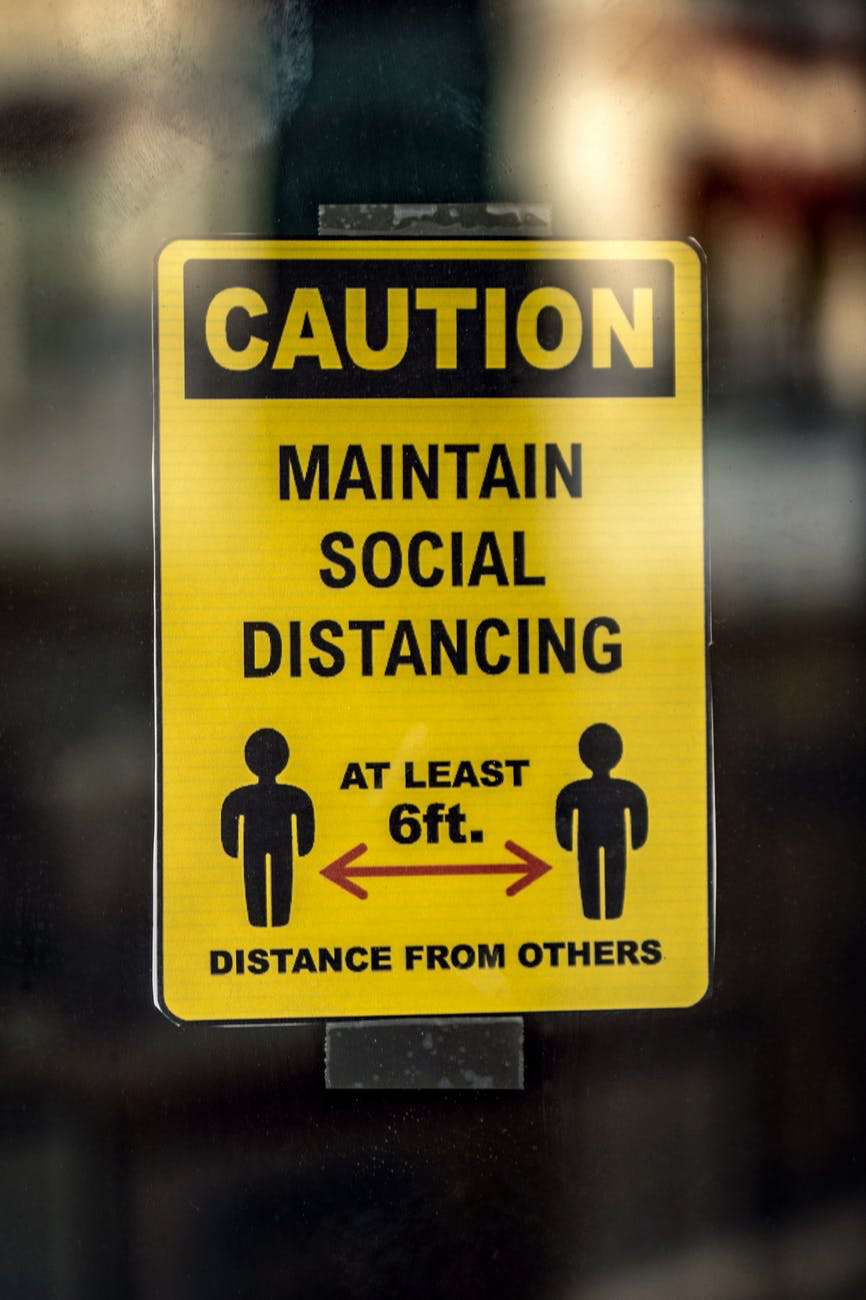
What can we do? In addition to Social distancing measures and Mask wearing, Frequent hand washing would stop the Virus from Spreading.
Every Week , we are learning more about the Virus. Let’s hope it comes to an end soon.
3. Aerosol and Surface Stability of SARS-CoV-2 as Compared with SARS-CoV-1 April 16, 2020 N Engl J Med 2020; 382:1564-1567 DOI: 10.1056/NEJMc2004973
Disclaimer: Please note- This blog is NOT medical advice. This blog is purely for information only and do check the the sources where cited. Please consult your own doctor to discuss concerns and options relevant to you.
The views expressed in this blog represent the author’s views held at the time of drafting the blog and is likely to change overtime, particularly when new evidence comes to light. The blog is not necessarily endorsed by any organisation the author is associated with and views are not substitute for professional advice.
Disclaimer: Please note- This blog is NOT medical advice. This blog is purely for information only and do check the the sources where cited. Please consult your own doctor to discuss concerns and options relevant to you.
The views expressed in this blog represent the author’s views held at the time of drafting the blog and is likely to change overtime, particularly when new evidence comes to light. The blog is not necessarily endorsed by any organisation the author is associated with and views are not substitute for professional advice.
The UK government’s slogan for controlling COVID-19 pandemic is “ ‘Hands. Face. Space‘
The reason hands are emphasised is because the Virus can stay alive on Human skin for many hours. So touching others by hugging or hand shaking can spread the virus.
Disclaimer: Please note- This blog is NOT medical advice. This blog is purely for information only and do check the the sources where cited. Please consult your own doctor to discuss concerns and options relevant to you. The views expressed in this blog represent the author’s views held at the time of drafting the blog and is likely to change overtime, particularly when new evidence comes to light. The blog is not necessarily endorsed by any organisation the author is associated with and views are not substitute for professional advice.
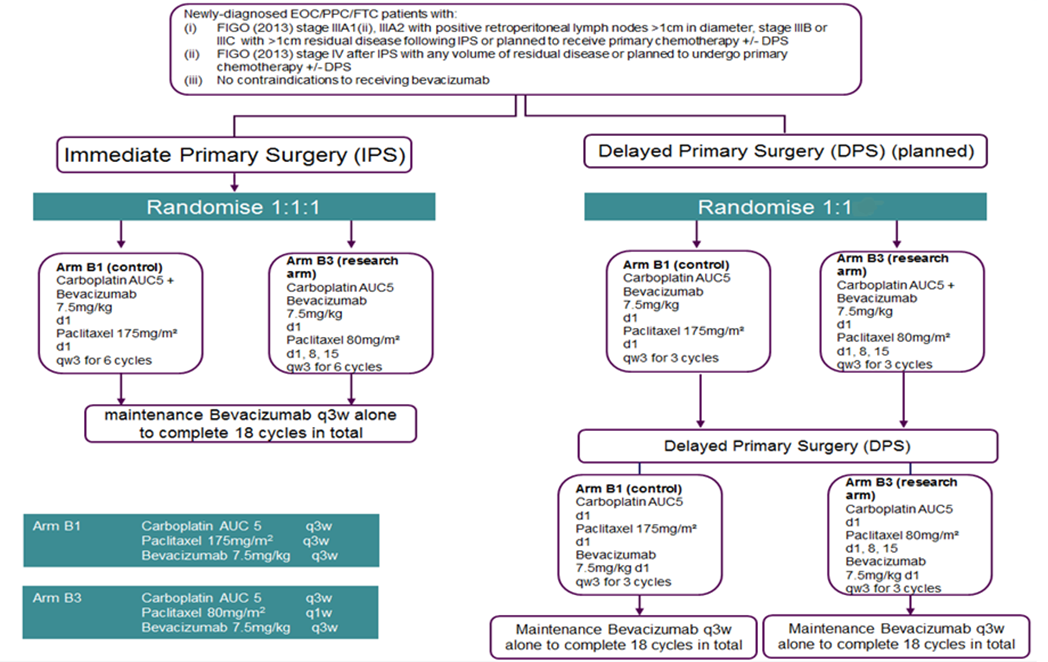
Advanced ovarian cancer is treated by chemotherapy. A pre ious study of Japanese ovarian cancer patients RT showed significantly increased survival in those treated with dose-dense weekly paclitaxel compared to the standard three-weekly schedule.
Data from an international trial called ICON8 was presented at the ESMO Virtual Congress 2020, this week.
The final analysis of ICON8 “provides conclusive evidence that although weekly dose-dense chemotherapy can be successfully administered as first-line treatment for ovarian cancer, it has no survival advantage over the standard chemotherapy given once every 3 weeks.
Disclaimer: Please note- This blog is NOT medical advice. This blog is purely for information only and do check the the sources where cited. Please consult your own doctor to discuss concerns and options relevant to you.
The views expressed in this blog represent the author’s views held at the time of drafting the blog and is likely to change overtime, particularly when new evidence comes to light. The blog is not necessarily endorsed by any organisation the author is associated with and views are not substitute for professional advice.
3. Visualizing droplet dispersal for face shields and masks with exhalation valves. Physics of Fluids 32, 091701 (2020); https://doi.org/10.1063/5.0022968
Disclaimer: Please note- This blog is NOT medical advice. This blog is purely for information only and do check the the sources where cited. Please consult your own doctor to discuss concerns and options relevant to you.
The views expressed in this blog represent the author’s views held at the time of drafting the blog and is likely to change overtime, particularly when new evidence comes to light. The blog is not necessarily endorsed by any organisation the author is associated with and views are not substitute for professional advice.
The National Health Service had recently embarked on a Risk assessment exercise of its staff to assess the Vulnerability of individual members to Coronavirus infection ( COVID-19).
The exercise is being done with good intentions. Given the unprecedented situation of the pandemic and lack of concrete data , the exercise seemed to have steered away from firm “one size fits all” type of recommendations.
Given the uncertainties with the currently available data on various forms of protection ( from simple surgical masks to shielding) , the exercise could have been a starting point for an nationwide intervention study .
An opportunity seems to have been missed and if there is a second wave, NHS might regret not learning from the first wave.
Last month, we had studies reporting that the immunity to Coronavirus fades quickly after recovering from an infection. The scientists have warned that re-infection is a risk.
Now, we have a case in Hong Kong where a patient seem to have been unlucky to get the infection again. It is a worrying report and suggests that coronavirus is going to be with us for a long time.
The only reassuring fact is that patient was free of symptoms during second infection. One has to hope that all re-infections are mild !
Disclaimer: Please note- This blog is NOT medical advice. This blog is purely for information only and do check the the sources where cited. Please consult your own doctor to discuss concerns and options relevant to you.
The views expressed in this blog represent the author’s views held at the time of publication and is likely to change overtime, particularly when new evidence comes to light. The blog is not necessarily endorsed by any organisation the author is associated with and views are not substitute for professional advice.
Yes. Possible but chances are very small according to reports.
If someone sneezed or coughed near a parcel or food package and you touch it within a few hours, it is possible to get Coronavirus infection from parcels and packages.
But, in practice, most parcels and food packaging seem safe and no conclusive real world evidence has been published so far to indicate that packages spread infection widely.
In experimental conditions, Coronavirus has been shown to survive for upto 72 hours. The virus is “more stable on plastic and stainless steel than on copper and cardboard”.
In laboratory conditions “On copper, no viable SARS-CoV-2 virus was measured after 4 hours . On cardboard, no viable SARS-CoV-2 virus was measured after 24 hours”.
In the artificial conditions of the lab “The longest viability of viruses was on stainless steel and plastic; the estimated median half-life of SARS-CoV-2 virus was approximately 5.6 hours on stainless steel and 6.8 hours on plastic”.
Solution: If you are worried , and if possible, you can try leaving parcels for 24hrs before touching them with bare hands. Alternatively, try wearing disposable gloves to remove packaging.
Normally many flu-like viruses spread by direct or close contact.
Because Virus containing droplets are heavier than air, scientifically it is thought that when someone coughs or sneezes, virus particles quickly fall to ground or surrounding objects.(“like a brick or stone falling to ground“).
But a group of scientists and WHO have raised the possibility that coronavirus can stay in air for longer periods, float around and cause more infections. (“float like a balloon“). This is called air-borne transmission.
What does it mean?
If confirmed– this means “closed spaces” are high risk even if you maintain 2 metre distance from an infected person. AVOID CLOSED SPACES.
As many people in UK do not wear masks in public places, there is a high chance of second wave of infections in the coming weeks as lock down is eased. WEAR A MASK.
It also means avoiding non-essential visitors to hospitals so that visitors cannot catch the infection or pass the infection to vulnerable patients. AVOID NON-ESSENTIAL VISITORS AT HOSPITALS.
If air borne transmission is confirmed, it is also bad news for the coming winter.
If Coronavirus is still in community and not eliminated by winter, air-borne transmission is likely to result in further wave of infections.
This is because Winter means more closed spaces and more chance of infection !!!!!!
Disclaimer: Please note- This blog is NOT medical advice. This blog is purely for information only and do check the the sources where cited. Please consult your own doctor to discuss concerns and options relevant to you.
The views expressed in this blog represent the author’s views held at the time of publication and is likely to change overtime, particularly when new evidence comes to light. The blog is not necessarily endorsed by any organisation the author is associated with and views are not substitute for professional advice.
3. BMJ India Correspondent. Covid-19: Doctors criticise Indian research agency for recommending hydroxychloroquine prophylaxis. BMJ2020;369:m2170. doi:10.1136/bmj.m2170 pmid:32471832.
4. BMJ news: Covid-19: Hydroxychloroquine does not benefit hospitalised patients, UK trial finds. BMJ 2020; 369 doi: https://doi.org/10.1136/bmj.m2263 (Published 08 June 2020)
5. BMJ news. Covid-19: Hydroxychloroquine was ineffective as postexposure prophylaxis, study finds. BMJ 2020; 369 doi: https://doi.org/10.1136/bmj.m2242 (Published 05 June 2020)
———————————————————————–
Disclaimer: Please note- This blog is NOT medical advice. This blog is purely for information only and do check the the sources where cited. Please consult your own doctor to discuss concerns and options relevant to you.
The views expressed in this blog represent the author’s views held at the time of publication and is likely to change overtime, particularly when new evidence comes to light. The blog is not necessarily endorsed by any organisation the author is associated with and views are not substitute for professional advice.
So stay safe and consider shielding if your cancer is not under control .
Furthermore, there is lot of interest in use of Chloroquine, an anti-malaria drug for treatment of COVID-19. The study reports that “Treatment with the drug combination hydroxychloroquine and azithromycin was also strongly associated with greater risk of death”. So best to avoid unproven treatments outside a trial setting.
Disclaimer: Please note- This blog is NOT medical advice. This blog is purely for information only and do check the the sources where cited. Please consult your own doctor to discuss concerns and options relevant to you.
The views expressed in this blog represent the author’s views held at the time of publication and is likely to change overtime, particularly when new evidence comes to light. The blog is not necessarily endorsed by any organisation the author is associated with and views are not substitute for professional advice.
Chloroquine and the related drug Hydroxy-Chloroquine are drugs commonly used to prevent and treat Malaria infections; and treat some Joint conditions.
During the initial stages of COVID-19 pandemic, there were some reports of Chloroquine being useful in treating Corona Virus.
A Chinese trial published in British Medical Journal BMJ now reports that ” Administration of hydroxychloroquine did not result in …. any meaningful antiviral benefits… compared to standard of care alone in patients admitted to hospital with mainly persistent mild to moderate covid-19”
Chloroquine was not only useless but it had significant side effects in a minority. So Chloroquine or Hydroxy-Chloroquine should not be used routinely outside a clinicaltrial setting.
2. BMJ. Chloroquine and hydroxychloroquine in covid-19. BMJ 2020; 369 doi: https://doi.org/10.1136/bmj.m1432 (Published 08 April 2020)
3. Hydroxychloroquine in patients with mainly mild to moderate coronavirus disease 2019: open label, randomised controlled trial. BMJ 2020; 369 doi: https://doi.org/10.1136/bmj.m1849 (Published 14 May 2020)
Disclaimer: Please note- This blog is NOT medical advice. This blog is purely for information only and do check the the sources where cited. Please consult your own doctor to discuss concerns and options relevant to you.
The views expressed in this blog represent the author’s views held at the time of publication and is likely to change overtime, particularly when new evidence comes to light. The blog is not necessarily endorsed by any organisation the author is associated with and views are not substitute for professional advice.
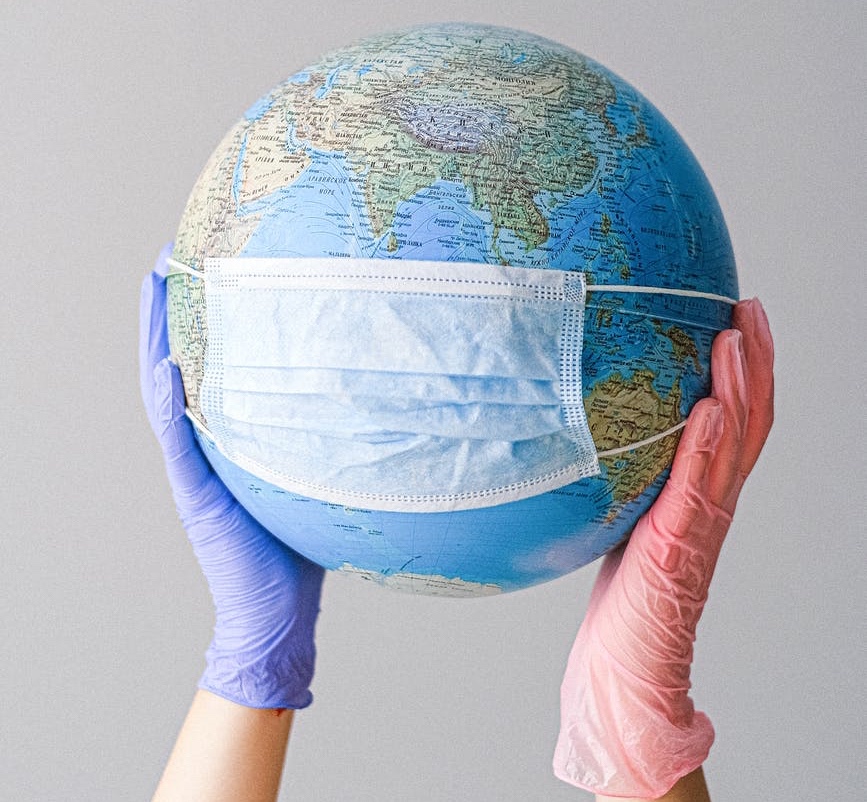
Should Public wear face masks because of Corona Virus pandemic ?
Yes.
In some of the Asian Countries there has been universal acceptance of face masks even before Corona Virus pandemic. Hence, it is not surprising that there is wide spread use of face masks during this pandemic .
In USA, after initial hesitation, CDC now recommends use of cloth face masks by public.
In Germany, many states have made face masks compulsory.
In UK, there has been no official recommendation about widespread use of face masks.
4. BMJ paper. Analysis. Face masks for the public during the covid-19 crisis. BMJ 2020; 369 doi: https://doi.org/10.1136/bmj.m1435 (Published 09 April 2020). Cite this as: BMJ 2020;369:m1435
5. BMJ editorial. Editorial. Covid-19: should the public wear face masks?. Editorials. Covid-19: should the public wear face masks? BMJ 2020; 369 doi: https://doi.org/10.1136/bmj.m1442 (Published 09 April 2020). Cite this as: BMJ 2020;369:m1442
xxxxxxxxxxxxxxxxxxxxxxxxxxxxxxxxxxxxxxx
Disclaimer: Please note- This blog is NOT medical advice. This blog is purely for information only and do check the the sources where cited. Please consult your own doctor to discuss concerns and options relevant to you.
The views expressed in this blog represent the author’s views held at the time of publication and is likely to change overtime, particularly when new evidence comes to light. The blog is not necessarily endorsed by any organisation the author is associated with and views expressed are not substitute for professional advice.














































 Dr S Sundar