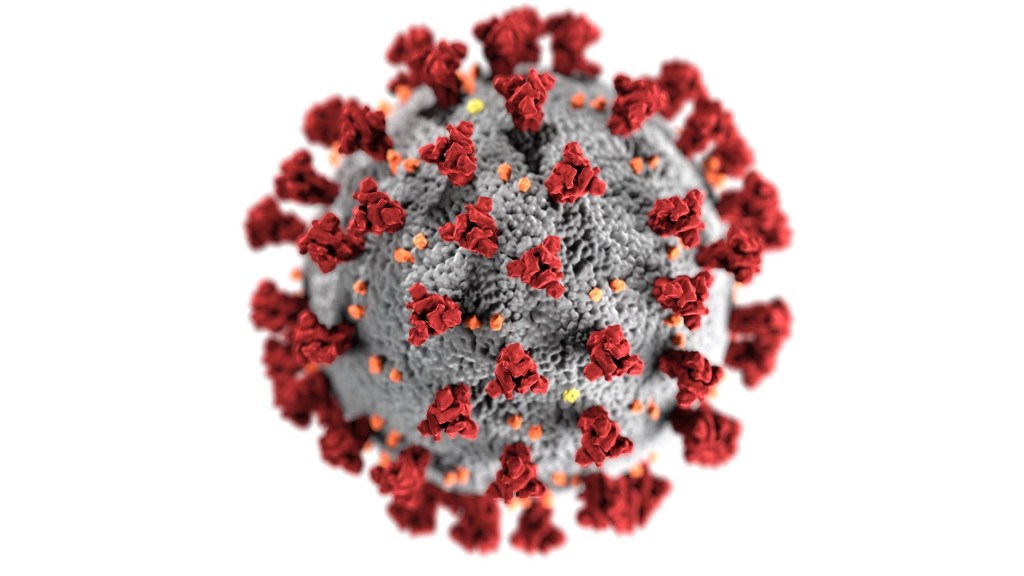
Is the new variant of Coronavirus more dangerous?

Yes and No

The new mutant is more dangerous because it is more easily transmissible from person to person. The new variant is now spreading very rapidly in London and South East of England.

But, so far, the new variant has NOT been found to be more deadly than the original version. The new variant does NOT seem to have substantially increased the risk of hospitalisation and death anymore than the original version of coronavirus.

Emergence of this new mutant (called variant VUI-202012/01 fall) is a certainly a worrying development in this pandemic.

The mutations has made the new strain 70 per cent more transmissible but scientists do not expect these mutations to reduce the effectiveness of vaccines.

Tests are being carried out to confirm that the existing vaccines would still have a high degree of protective affect.

It is an evolving area and we have to hope that the new variant doesn’t make things worse than they are now !

Covid-19: New coronavirus variant is identified in UK. BMJ 2020; 371 doi: https://doi.org/10.1136/bmj.m4857 (Published 16 December 2020)
Cite this as: BMJ 2020;371:m4857

Disclaimer: Please note- This blog is NOT medical advice. This blog is purely for information only and do check the the sources where cited. Please consult your own doctor to discuss concerns and options relevant to you.

The views expressed in this blog represent the author’s views held at the time of drafting the blog and is likely to change overtime, particularly when new evidence comes to light. The blog is not necessarily endorsed by any organisation the author is associated with and views are not substitute for professional advice.

Some good news amid the doom and gloom: People have Longer immunity to Coronavirus infection after recovering from it.

After someone has recovered from a Coronavirus infection, the body remembers how to fight the virus in future. This is called immunity and it is not known how long this immunity will last.

If the immunity is not long lasting, people can get coronavirus infection again during the second and even third wave.

The body’s immunity is made up of two types of cells: B cells and T cells. T cells and B cells are central to the human immune system.

B cells produce antibodies and previously in various studies , they were found to decline rapidly give rise to fear that people would get Coronavirus infection again and again.

Now a study has reported that T cell immunity can last more than 6 months in patients who have recovered from an infection.

This news is also good from a vaccine point of view. It gives us hope that sooner or later an effective vaccine would become available.

BMJ News.
Covid-19: T cell response lasts for at least six months after infection, study shows
BMJ 2020; 371 doi: https://doi.org/10.1136/bmj.m4257 (Published 02 November 2020)
Cite this as: BMJ 2020;371:m4257

Disclaimer: Please note- This blog is NOT medical advice. This blog is purely for information only and do check the the sources where cited. Please consult your own doctor to discuss concerns and options relevant to you.

The views expressed in this blog represent the author’s views held at the time of drafting the blog and is likely to change overtime, particularly when new evidence comes to light. The blog is not necessarily endorsed by any organisation the author is associated with and views are not substitute for professional advice.

COVID-19 risk assessment of NHS members : is it an opportunity missed?

The National Health Service had recently embarked on a Risk assessment exercise of its staff to assess the Vulnerability of individual members to Coronavirus infection ( COVID-19).

The exercise is being done with good intentions. Given the unprecedented situation of the pandemic and lack of concrete data , the exercise seemed to have steered away from firm “one size fits all” type of recommendations.

Given the uncertainties with the currently available data on various forms of protection ( from simple surgical masks to shielding) , the exercise could have been a starting point for an nationwide intervention study .

An opportunity seems to have been missed and if there is a second wave, NHS might regret not learning from the first wave.

Please do add your opinion at the rapid response section of the BMJ.

References

1. Covid-19 risk assessment in BAME staff

Covid-19 risk assessment: a futile metaphorical strip search

BMJ 2020; 370 doi: https://doi.org/10.1136/bmj.m3251 (Published 26 August 2020)

Cite this as: BMJ 2020;370:m3251

2. Physical distancing interventions and incidence of coronavirus disease 2019: natural experiment in 149 countries

BMJ 2020; 370 doi: https://doi.org/10.1136/bmj.m2743 (Published 15 July 2020)

Cite this as: BMJ 2020;370:m2743

3. Complete protection from covid-19 is possible for health workers

BMJ 2020; 370 doi: https://doi.org/10.1136/bmj.m2641 (Published 07 July 2020)

Cite this as: BMJ 2020;370:m2641

4. Two metres or one: what is the evidence for physical distancing in covid-19?

BMJ 2020; 370 doi: https://doi.org/10.1136/bmj.m3223 (Published 25 August 2020)

Cite this as: BMJ 2020;370:m3223

If you survive the Coronavirus, Can you get Coronavirus infection again ?

Yes, you can get infection again.

Last month, we had studies reporting that the immunity to Coronavirus fades quickly after recovering from an infection. The scientists have warned that re-infection is a risk.

Now, we have a case in Hong Kong where a patient seem to have been unlucky to get the infection again. It is a worrying report and suggests that coronavirus is going to be with us for a long time.

The only reassuring fact is that patient was free of symptoms during second infection. One has to hope that all re-infections are mild !

References

1. Sundar.blog. CAN YOU GET CORONAVIRUS INFECTION MORE THAN ONCE?

2. BBC. Hong Kong reports ‘first case’ of virus reinfection.

3. Clinical Infectious Diseases : report on twitter.

Disclaimer: Please note- This blog is NOT medical advice. This blog is purely for information only and do check the the sources where cited. Please consult your own doctor to discuss concerns and options relevant to you.

The views expressed in this blog represent the author’s views held at the time of publication and is likely to change overtime, particularly when new evidence comes to light. The blog is not necessarily endorsed by any organisation the author is associated with and views are not substitute for professional advice.
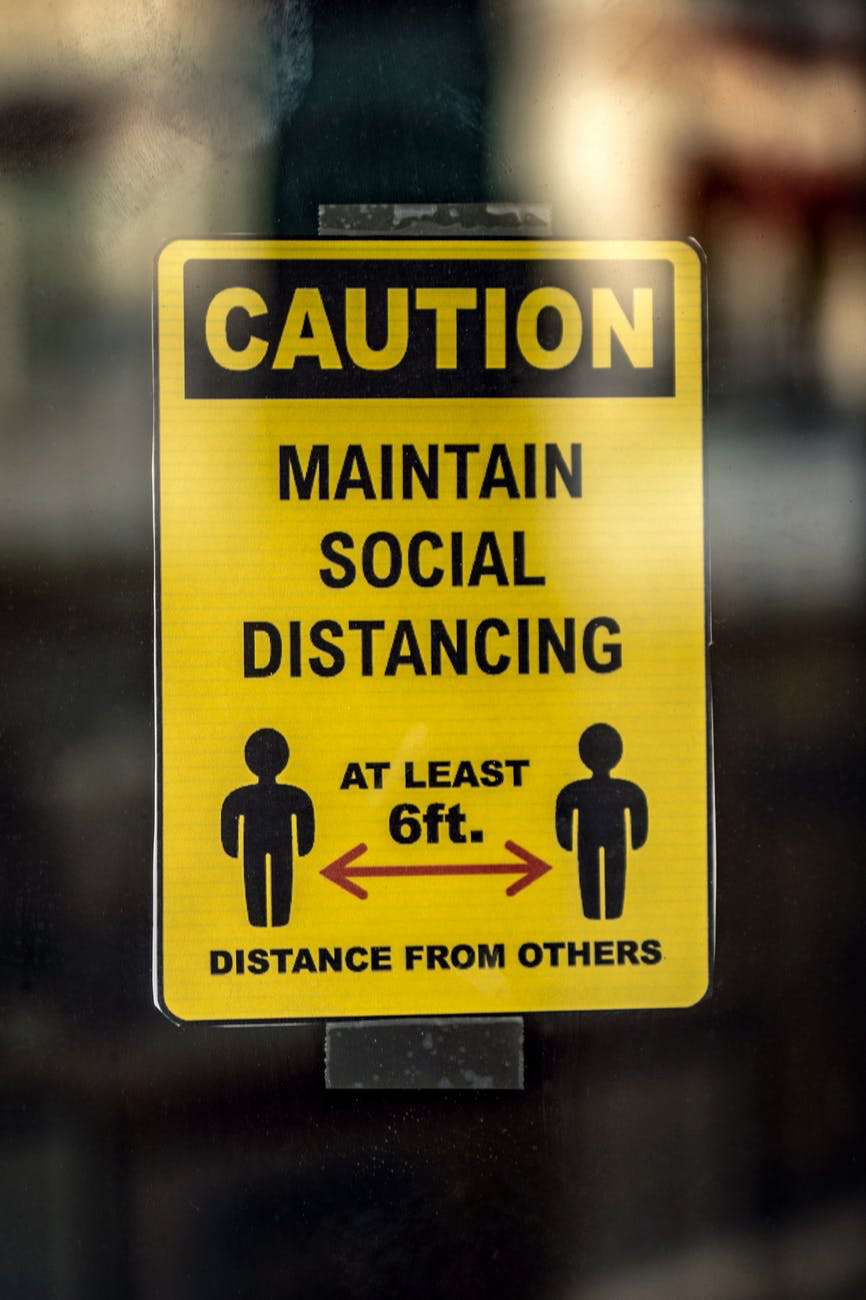
Can you get Coronavirus infection more than once?

If you are one of the unlucky ones to have already been infected with Coronavirus infection but recovered from it, can you become unlucky again and get another Coronavirus infection later this year ?

Unfortunately, the answer is a YES.

Some Viral infections can sometimes lead to life long immunity. For example, most people who had chicken pox as a child tend to have lifelong immunity and it would be uncommon to get chicken pox again. (except in some circumstances).

But infection with ‘Coronavirus causing COVID-19’ doesn’t seem led to long lasting immunity or resistance to a second Coronavirus infection.

A Newspaper report on a study by a team from King’s College London suggests that susceptibility to a second infection may occur as short as 3 months in some patients. This because the level of antibodies produced by the immune system after first infection start to fade away within a few months in some patients.

If confirmed, this is probably one of the most worrying news during this pandemic.

This study result could also affect Vaccine development and how frequently it may need to be administered.

References

Guardian Newspaper: Coronavirus outbreak. Immunity to Covid-19 could be lost in months, UK study suggests. Ian Sample. Science editor. @iansample. Sun 12 Jul 2020 17.31 BST

Disclaimer: Please note- This blog is NOT medical advice. This blog is purely for information only and do check the the sources where cited. Please consult your own doctor to discuss concerns and options relevant to you.

The views expressed in this blog represent the author’s views held at the time of publication and is likely to change overtime, particularly when new evidence comes to light. The blog is not necessarily endorsed by any organisation the author is associated with and views are not substitute for professional advice.