Is dark chocolate good for You ?

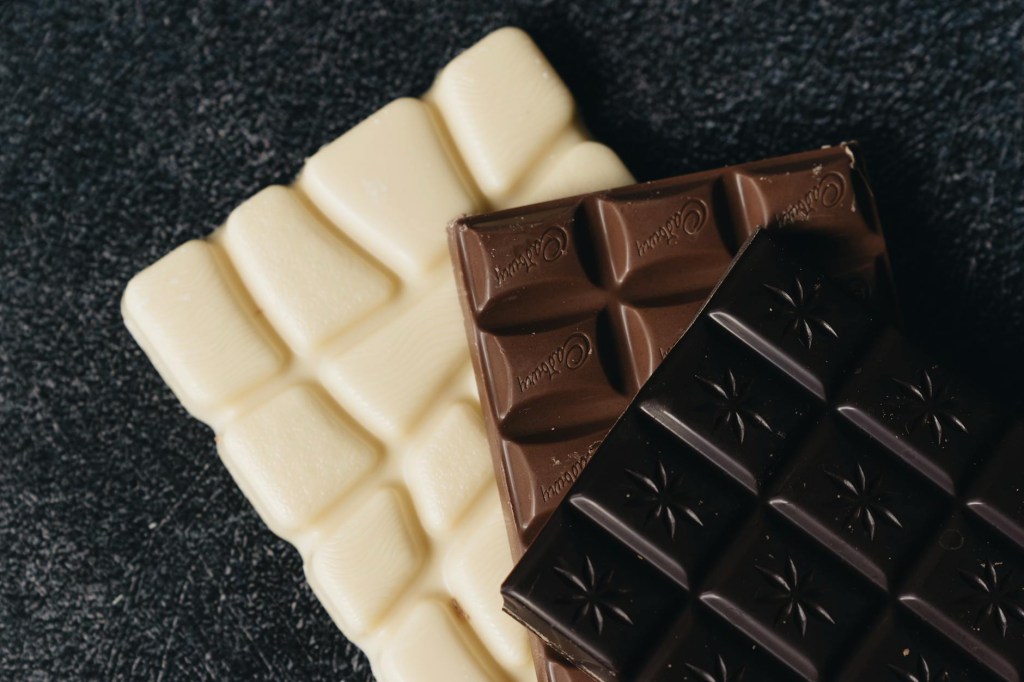
Is dark chocolate good?

And is milk chocolate bad?

The answer to both the question is YES.

A recent paper published in British Medical Journal (BMJ) found that “people who consumed ≥5 servings/week of dark chocolate showed a significantly LOWER risk of developing diabetes”.

The study also found that eating milk-chocolate was bad. Milk-chocolate was associated with weight gain, which is not surprising to everyone.

Any study relating to “health benefits of food and drinks” always needs a healthy dose of scepticism because of commercial industry.

But the beneficial effect of dark chocolate found in this study aligns with previous findings and more research is, of course, needed to clarify and define the mechanisms involved.

So add more dark chocolate to the Christmas hampers !

Share your dark chocolate with colleagues and spread the good will !

References

BMJ 2024: Chocolate intake and risk of type 2 diabetes: prospective cohort studies. BMJ 2024; 387 doi: https://doi.org/10.1136/bmj-2023-078386 (Published 04 December 2024). BMJ 2024;387:e078386

BMJ 2012: The effectiveness and cost effectiveness of dark chocolate consumption as prevention therapy in people at high risk of cardiovascular disease: best case scenario analysis using a Markov model. BMJ 2012; 344 doi: https://doi.org/10.1136/bmj.e3657 (Published 31 May 2012). BMJ 2012;344:e3657

BMJ 2011: Chocolate consumption and cardiometabolic disorders: systematic review and meta-analysis. BMJ 2011; 343 doi: https://doi.org/10.1136/bmj.d4488 (Published 29 August 2011). BMJ 2011;343:d4488

BMJ 2023. Christmas 2023: Champagne problems. Chocolate brownies and calorie restriction: the sweetest paradox? BMJ 2023; 383 doi: https://doi.org/10.1136/bmj.p2585 (Published 20 December 2023). BMJ 2023;383:p2585

Disclaimer: Please note – This blog is NOT medical advice. This blog is NOT a expert medical opinion on various topics. This blog is purely for information only and do check the sources where cited. Please DO consult your own doctor to discuss concerns and options relevant to you. The views expressed in this blog are NOT, in any way whatsoever, intended to be a substitute for professional advice. The blog is NOT previewed, commissioned or otherwise endorsed, in any way, by any organisation that the author is associated with. The views expressed in this blog likely represents some of the author’s personal views held at the time of drafting the blog and MAY CHANGE overtime, particularly when new evidence comes to light.


Chocolate, Coffee and Wine: Good or Bad for Heart?

Are Chocolate, Coffee and Wine good for heart ?

Depends…

Dark Chocolate: good

Coffee: possibly good

Wine: probably not good

Read the interesting article in Guardian .

Good or bad? Top cardiologist gives verdict on chocolate, coffee and wine
Exclusive: Prof Thomas Lüscher assesses the heart healthiness of some of our favourite treats

Andrew Gregory Health editor
Fri 19 Nov 2021 12.29 GMT

A word of caution applies to all ‘food and disease’ association reports. Almost every week there are newspaper reports of studies exploring associations between “various food/drink” with “various diseases”. Some of them are conflicting and confusing with a positive study followed by a negative study !

So don’t be surprised if there is a completely different news report next week !

Disclaimer: Please note – This blog is NOT medical advice. This blog is NOT a expert medical opinion on various topics. This blog is purely for information only and do check the sources where cited. Please DO consult your own doctor to discuss concerns and options relevant to you. The views expressed in this blog are NOT, in way whatsoever, intended to be a substitute for professional advice. The blog is NOT previewed, commissioned or otherwise endorsed, in any way, by any organisation that the author is associated with. The views expressed in this blog likely represents some of the author’s personal views held at the time of drafting the blog and MAY CHANGE overtime, particularly when new evidence comes to light.

What time of the day should you take your blood pressure medication: morning or evening?

It is a common question for many people. When should the blood pressure medications be taken?

High blood is quite common in the General population. High blood pressure can cause blood vessel damage, heart problems and brain damage.

First of all , Taking medication regularly, at any time of the day, is more important than forgetting to take the medication every day.

If one does take the blood pressure medication regularly, then taking it at evening seems to be more beneficial than taking the medication in the morning.

A Japanese study assessed blood pressure of patients continuously at home. All patients in the study underwent 24-hour ambulatory BP monitoring at baseline. Patients were then followed every year to determine the rate of heart and blood vessel complications .

The Japanese study found that high nightime blood pressure readings were an important sign of future heart problems.

A review by the renowned Cochrane group found that “better blood pressure control was achieved with bedtime dosing than morning administration of blood pressure (antihypertensive) medication”

So if possible taking the blood pressure medication at bedtime makes sense .

References:

(1) Nighttime Blood Pressure Phenotype and Cardiovascular Prognosis. Practitioner-Based Nationwide JAMP Study. Kazuomi Kario, et al. On behalf of the JAMP Study Group.
Originally published2 Nov 2020. https://doi.org/10.1161/CIRCULATIONAHA.120.049730Circulation. 2020;142:1810–1820

(2). Zhao P, Xu P, Wan C, Wang Z. Evening versus morning dosing regimen drug therapy for hypertension. Cochrane Database of Systematic Reviews 2011, Issue 10. Art. No.: CD004184. DOI: 10.1002/14651858.CD004184.pub2

Disclaimer: Please note- This blog is NOT medical advice. This blog is purely for information only and do check the the sources where cited. Please DO consult your own doctor to discuss concerns and options relevant to you.

The views expressed in this blog represent the author’s views held at the time of drafting the blog and may change overtime, particularly when new evidence comes to light. The blog is not necessarily endorsed by any organisation the author is associated with and views are not substitute for professional advice.

Do COVID vaccines cause heart inflammation?

Yes

COVID Vaccines have caused heart inflammation in a small minority of people.

But that does NOT mean Vaccines have to be avoided.

The benefits of vaccines are far higher than risk of side effects for vast majority of adult population.

People have not stopped traveling by car because of risk of road accidents. This is because benefits considerably outweigh the risks !

References

BBC news. Heart inflammation link to Pfizer and Moderna jabs
By James Gallagher
Health and science correspondent

BMJ. News Analysis.
Covid-19: Should we be worried about reports of myocarditis and pericarditis after mRNA vaccines?
BMJ 2021; 373 doi: https://doi.org/10.1136/bmj.n1635 (Published 24 June 2021)
Cite this as: BMJ 2021;373:n1635

Disclaimer: Please note- This blog is NOT medical advice. This blog is NOT a expert medical opinion on various topics. This blog is purely for information only and do check the sources where cited. Please DO consult your own doctor to discuss concerns and options relevant to you. The views expressed in this blog represent the author’s personal views held at the time of drafting the blog and may change overtime, particularly when new evidence comes to light. The blog is NOT previewed, commissioned or otherwise endorsed by any organisation that the author is associated with. The views expressed in this blog are NOT, in way whatsoever, intended to be a substitute for professional advice.

Are spirits and beers more risky than wine?

Yes, according to a recent UK biobank study.

A large study of 309,123 participants found that Spirit drinking was associated with higher risk of early death compared to red wine drinking.

Beer/cider drinkers were also found to be at a higher risk of early death.

Alcohol consumption without food was associated with higher risk of early death compared to consumption with food.

Binge drinking with Alcohol consumption over 1–2 times/week was more risky compared to drinking spread out over 3–4 times/week.

But the study doesn’t seem to have looked at teetotallers. The study specifically excluded Abstainers and infrequent alcohol consumers. It is quite possible that avoiding alcohol altogether may be more beneficial but that might not be acceptable to many people !

As usual most of studies relating to food and drink need to be taken with a dose of healthy scepticism.

References:

Daily Mail. I Drinking wine instead of beer or spirits is healthier and could cut risk of death, study suggests. By Xantha Leatham For The Daily Mail 01:49, 12 Jan 2021 , updated 01:59, 12 Jan 2021

Association between patterns of alcohol consumption (beverage type, frequency and consumption with food) and risk of adverse health outcomes: a prospective cohort study. Bhautesh Dinesh Jani1* , Ross McQueenie1, Barbara I. Nicholl1, Ryan Field2, Peter Hanlon1, Katie I. Gallacher1, Frances S. Mair1 and Jim Lewsey2. Jani et al. BMC Medicine (2021) 19:8 https://doi.org/10.1186/s12916-020-01878-2

BBC. No alcohol safe to drink, global study confirms. By Laurel Ives. BBC Health. Published24 August 2018

Guardian. Study finds one small alcoholic drink a day raises risk of irregular heartbeat. Researchers examined heart health and drinking habits of 108,000 people aged 24 to 97 over 14 years
The report found people who consumed equivalent to a 330ml beer, a 120ml glass of wine, or 40mls of spirits were 16% more likely than teetotallers to develop atrial fibrillation.
Ian Sample Science editor
@iansample
Wed 13 Jan 2021 06.00 GMT

Disclaimer: Please note- This blog is NOT medical advice. This blog is purely for information only and do check the the sources where cited. Please DO consult your own doctor to discuss concerns and options relevant to you.

The views expressed in this blog represent the author’s views held at the time of drafting the blog and may change overtime, particularly when new evidence comes to light. The blog is not necessarily endorsed by any organisation the author is associated with and the authors views are not in way intended to be a substitute for professional advice.