Is radiotherapy to prostate useful even after the cancer has escaped from prostate?

Yes, it can be helpful but only in certain circumstances.

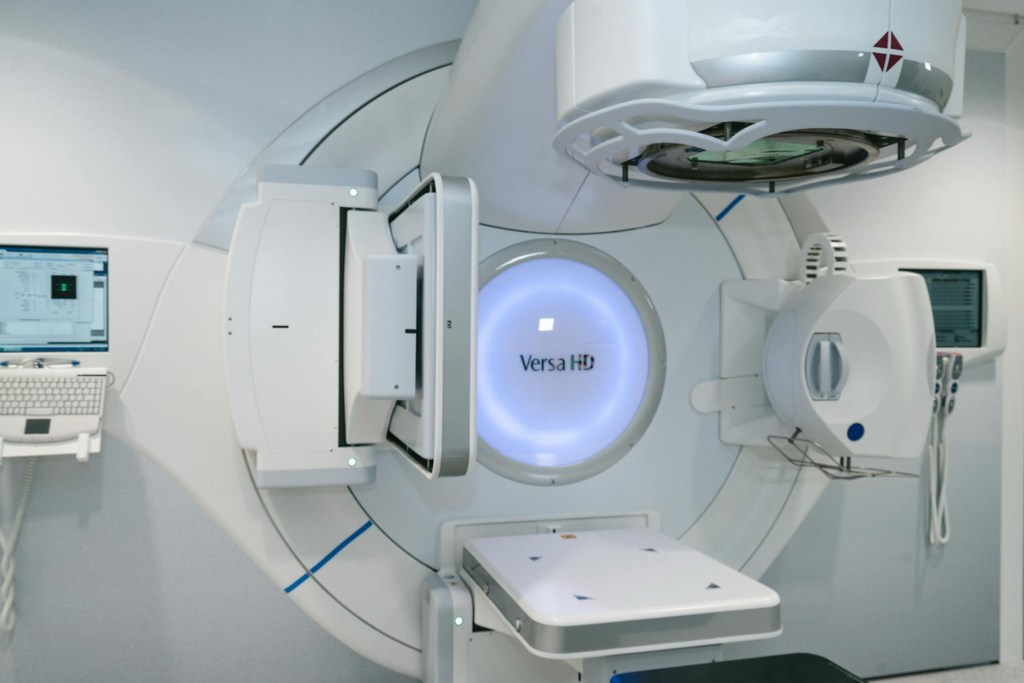
Former US President Biden is in the news this week and multiple media outlets reports that Biden is having  radiation therapy to prostate along with hormone therapy.

The news outlets also indicate that Biden has aggressive prostate cancer which has spread to the bones.

Any spread of prostate cancer to bones is classified as stage 4 prostate cancer.

If cancer has NOT spread outside the prostate, the combination of radiation and hormones could be curative .

But, with stage 4 prostate cancer, radiation is generally not curative. This is because once the cancer cells have spread, it is extremely difficult to eradicate those cancer cells permanently. 

A large UK trial ( STAMPEDE trials) found that “Radiotherapy to the prostate did NOT improve overall survival for unselected patients with newly diagnosed metastatic prostate cancer”

So if radiation does not improve survival, why did the oncologists offer radiation therapy to Biden?

Full medical details are not available and so it is difficult to give a definitive answer in Biden’s case.

There are few possibilities.

In the above mentioned STAMPEDE trial , in a smaller select group of patients, Radiation therapy did improve overall survival in men with a low metastatic burden. ( ie fewer cells have spread).

One can only speculate whether that’s been the case with regards to Mr Biden.

References

  1. CNN. Biden starts radiation therapy for aggressive form of prostate cancer. By Kevin Liptak, Fadel Allassa. UPDATED OCT 11, 2025, 11:28 AM PUBLISHED OCT 11, 2025, 10:01 AM
  2. BBC news. Biden receiving radiation therapy for prostate cancer. By Jaroslav Lukiv. Published 11 October 2025.
  3. Lancet. Stampede trial. Radiotherapy to the primary tumour for newly diagnosed, metastatic prostate cancer (STAMPEDE): a randomised controlled phase 3 trial.

Disclaimer: Please note – This blog is NOT medical advice. This blog is NOT a expert medical opinion on various topics. This blog is purely for information research only and do check the sources where cited. Please DO consult your own doctor to discuss concerns and options, which are relevant and specific to you. The views expressed in this blog are NOT, in any way whatsoever, intended to be a substitute for professional advice. The blog is NOT previewed, commissioned or otherwise endorsed, in any way, by any organisation that the author is associated with. The views expressed in this blog likely represents some of the author’s personal views held at the time of drafting the blog and MAY CHANGE overtime, particularly when new evidence comes to light.
Hormone tablet Abiraterone for prostate cancer treated with curative intent

Prostate cancer can be treated with curative intent if it is localised to pelvis.

But in patients with high risk cancers, additional treatments might be needed to improve the odds of controlling the cancer.

Abiraterone is one such add-on treatment that has been shown to improve long term outcomes in a large UK trial.

Unfortunately the drug, abiraterone, even though it is much cheaper now, is not widely available in the UK National Health System ( NHS).

Now an AI (artificial intelligence) test has been developed which selects better those patients who are likely to benefit from Abiraterone.

Hopefully the test will become available for routine use in the near future.

The study data was presented at the prestigious annual meeting of the American Society of Clinical Oncology (ASCO) at Chicago.

Dr Sundar is a member of American Society of Clinical Oncology (ASCO) and has been a member for more than 25 years.

References

BBC news. Hugh Pym and Ian Atkinson. Men denied life-extending prostate cancer drug

UCL. AI test to determine best prostate cancer treatment could save lives and money. 30 May 2025.

Daily Telegraph. Give prostate cancer patients drug that halves risk of death, NHS told.

SUN Newspaper.

Disclaimer: Please note – This blog is NOT medical advice. This blog is NOT a expert medical opinion on various topics. This blog is purely for information research only and do check the sources where cited. Please DO consult your own doctor to discuss concerns and options, which are relevant and specific to you. The views expressed in this blog are NOT, in any way whatsoever, intended to be a substitute for professional advice. The blog is NOT previewed, commissioned or otherwise endorsed, in any way, by any organisation that the author is associated with. The views expressed in this blog likely represents some of the author’s personal views held at the time of drafting the blog and MAY CHANGE overtime, particularly when new evidence comes to light.
How long can a man with aggressive prostate cancer live?

Many people were shocked by the news that president Joe Biden, aged 82, has been diagnosed with aggressive prostate cancer.

Prostate cancer is quite common in men in their eighties. Nearly two third of men in eighties would have prostate cancer and most of these men do not die of prostate cancer! This is because lot of the cancers in elderly men are low to medium risk.

But men who develop aggressive prostate cancer are at higher risk of death from prostate cancer. Aggressive prostate cancer can spread to bone and other organs.

It has to be pointed out that aggressive prostate cancer is not immediately terminal in vast majority of men, even if the cancer has spread to bone.

With modern hormone treatments, men can have a prognosis of many years.

References

  1. BBC. Joe Biden diagnosed with ‘aggressive’ prostate cancer
  2. CRUK. Prostate Cancer incidence statistics .
  3. CRUK. Prostate cancer survival statistics.
  4. NEJM. Apalutamide for Metastatic, Castration-Sensitive Prostate Cancer.
  5. Lancet. Abiraterone acetate plus prednisolone with or without enzalutamide for patients with metastatic prostate cancer starting androgen deprivation therapy: final results from two randomised phase 3 trials of the STAMPEDE platform protocol.

Disclaimer: Please note – This blog is NOT medical advice. This blog is NOT a expert medical opinion on various topics. This blog is purely for information research only and do check the sources where cited. Please DO consult your own doctor to discuss concerns and options, which are relevant and specific to you. The views expressed in this blog are NOT, in any way whatsoever, intended to be a substitute for professional advice. The blog is NOT previewed, commissioned or otherwise endorsed, in any way, by any organisation that the author is associated with. The views expressed in this blog likely represents some of the author’s personal views held at the time of drafting the blog and MAY CHANGE overtime, particularly when new evidence comes to light.

How common is prostate cancer in men under 50?

Sir Chris Hoy, who is six-time Olympic cycling champion stunned the British public recently by revealing that that he has stage 4 incurable prostate cancer.

It was even more shocking because of his young age. He is only 48 years old !

Naturally, many men under 50 yrs would be concerned.

According to CRUK statistics “1 in 6 men in UK will be diagnosed with prostate cancer”.

But majority of cancers occur in men 60 yrs and above. The peak age for prostate cancer is in the 75-79 age range. Prostate cancer is very uncommon before age of 50.

So in most men, screening for prostate cancer is not recommended before the age of 50.

There are some exceptions to this age limit of 50. For example, men with black ethnicity or those with a family history of prostate cancer are at a higher risk. These men can consider requesting a PSA test in their mid 40s.

Please note prostate cancer screening does NOT result in better lives for everyone. Screening has its benefits but it also has drawbacks .

A cancer diagnosis is terrifying but it is important to note that NOT Everyman with prostate cancer will die due to prostate cancer. Lot of men with early prostate cancer will die of something else. Moreover, treatment for early prostate cancer has significant side effects.

That is why every man is NOT routinely and automatically offered screening by their GP surgery in UK.

Even though routine PSA testing is not offered on the NHS, as mentioned in the NHS website “Men aged 50 or over can ask their GP for a PSA test, even if they do not have symptoms”. 

References

1. BBC news. Prostate cancer symptoms and treatment: What to check for.

2. BBC news. NHS to review prostate cancer testing after Chris Hoy call for change

3. NEJM. Fifteen-Year Outcomes after Monitoring, Surgery, or Radiotherapy for Prostate Cancer

Disclaimer: Please note – This blog is NOT medical advice. This blog is NOT a expert medical opinion on various topics. This blog is purely for information only and do check the sources where cited. Please DO consult your own doctor to discuss concerns and options relevant to you. The views expressed in this blog are NOT, in any way whatsoever, intended to be a substitute for professional advice. The blog is NOT previewed, commissioned or otherwise endorsed, in any way, by any organisation that the author is associated with. The views expressed in this blog likely represents some of the author’s personal views held at the time of drafting the blog and MAY CHANGE overtime, particularly when new evidence comes to light.
Prostate cancer : Surgery versus Radiotherapy

The question of whether to chose surgery or radiotherapy is a difficult decision for most patients with early prostate cancer.

Adding to this confusion is the option of wait and watch policy followed by delayed treatment (if needed) as supported by PROTECT trial.

A high quality UK trial called PACE-A compared surgery versus Radiation in men with low- to intermediate-risk localised prostate cancer.

At 2 years , the study found more people in surgery group reported using more urinary pads and also more sexual problems than radiotherapy group. But the surgery group reported fewer bowel problems than radiotherapy group.

At present, efficacy is expected to be equivalent between two modalities and long term results in term of efficacy is eagerly awaited

Further more, long term data needed in terms of toxicity . This is because some surgery related side effects tend to remain stable whereas some radiotherapy side effects can increase over time. Particularly relevant is the risk of radiation induced cancers can increase over time time . This would be relevant for slightly younger people (eg 60s) who have longer life expectancy compared to elderly people ( eg 80s) .

Also radiation could be used as salvage therapy ( kept as reserve just in case if cancer comes back after surgery ). Whereas if radiation is given upfront, then surgery as second option is usually not a viable option. The caveat is the most intermediate risk cancer patients do not have a relapse after 1st line therapy.

Reference

European Urology Journal: Radical Prostatectomy Versus Stereotactic Radiotherapy for Clinically Localised Prostate Cancer: Results of the PACE-A Randomised Trial.

NEJM Protect trial . Fifteen-Year Outcomes after Monitoring, Surgery, or Radiotherapy for Prostate Cancer.

Disclaimer: Please note – This blog is NOT medical advice. This blog is NOT a expert medical opinion on various topics. This blog is purely for information only and do check the sources where cited. Please DO consult your own doctor to discuss concerns and options relevant to you. The views expressed in this blog are NOT, in any way whatsoever, intended to be a substitute for professional advice. The blog is NOT previewed, commissioned or otherwise endorsed, in any way, by any organisation that the author is associated with. The views expressed in this blog likely represents some of the author’s personal views held at the time of drafting the blog and MAY CHANGE overtime, particularly when new evidence comes to light.

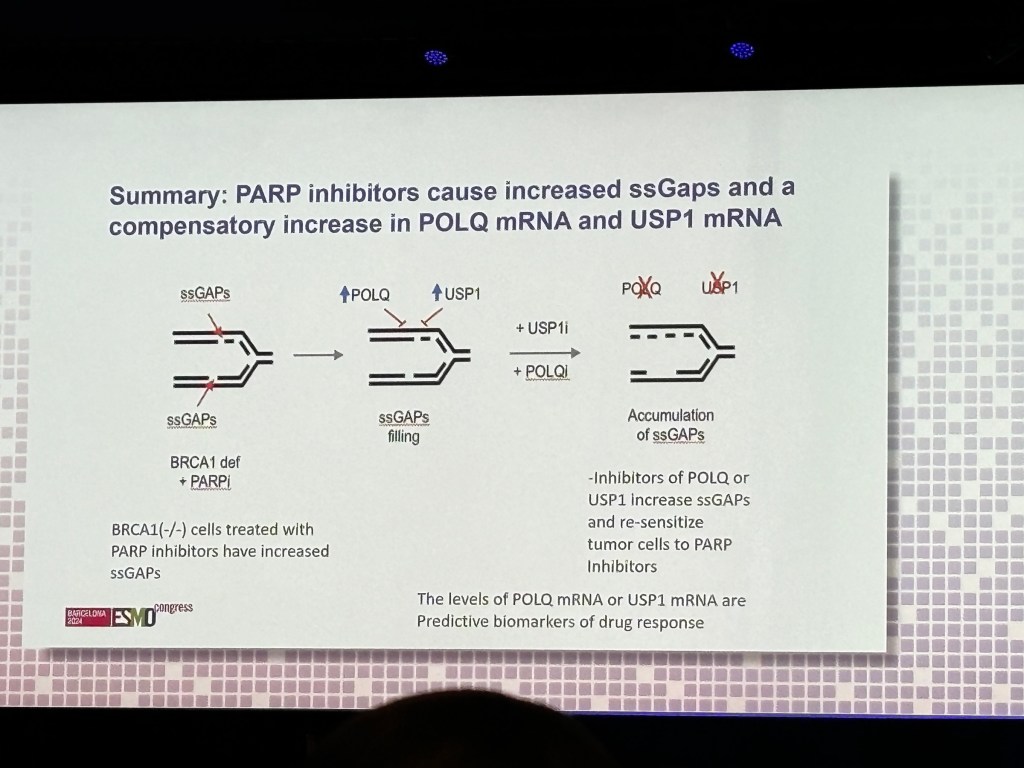
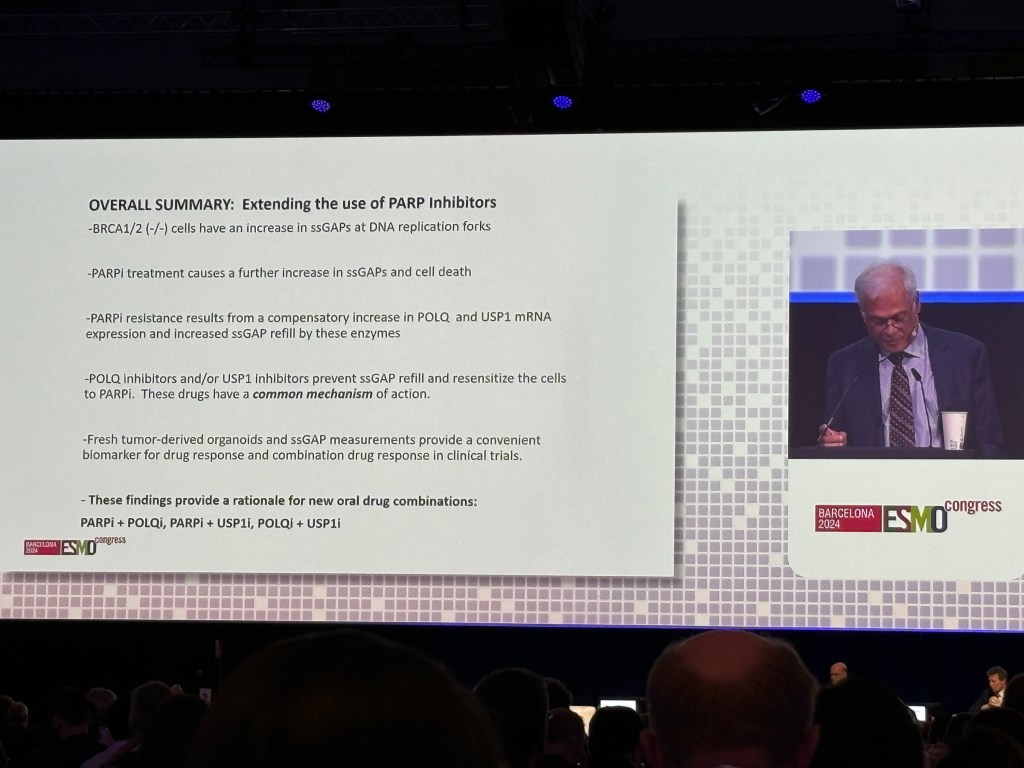
How to overcome resistance to Olaparib and other similar PARP inhibitors ?

Olaparib and similar drugs have revolutionised the treatment of a sub-set of patients with BRCA gene mutations ( eg Ovarian, Prostate, Breast cancers).

But patients can develop resistance to these drugs.

At the ESMO European Society of Medical Oncology Congress-2024, Barcelona), ways to overcome this resistance was discussed.

Targeting the Enzymes USP-1 and POLQ seems to overcome resistance.

The future looks promising!

Disclaimer: Please note – This blog is NOT medical advice. This blog is NOT a expert medical opinion on various topics. This blog is purely for information only and do check the sources where cited. Please DO consult your own doctor to discuss concerns and options relevant to you. The views expressed in this blog are NOT, in any way whatsoever, intended to be a substitute for professional advice. The blog is NOT previewed, commissioned or otherwise endorsed, in any way, by any organisation that the author is associated with. The views expressed in this blog likely represents some of the author’s personal views held at the time of drafting the blog and MAY CHANGE overtime, particularly when new evidence comes to light.

Is it safe to delay treatment in low risk prostate cancer?

Low risk prostate cancers are sometimes managed by a “wait and watch” approach and frequent monitoring rather than immediate prostate surgery.

Is this approach safe? Yes

A recent report after 10 year follow-up , from a Canadian trial shows that this approach can be safely done with an active monitoring protocol.

In this study, 10 years after diagnosis, half the men were fine without any worsening of their prostate cancer. Reassuringly only less than 2% developed metastatic disease, and less than 1% died of their disease.

These results confirm that “active surveillance” can be an effective management strategy for patients diagnosed with favorable-risk prostate cancer.

References

Long-Term Outcomes in Patients Using Protocol-Directed Active Surveillance for Prostate Cancer
JAMA. Published online May 3, 2024

Disclaimer: Please note – This blog is NOT medical advice. This blog is NOT a expert medical opinion on various topics. This blog is purely for information only and do check the sources where cited. Please DO consult your own doctor to discuss concerns and options relevant to you. The views expressed in this blog are NOT, in any way whatsoever, intended to be a substitute for professional advice. The blog is NOT previewed, commissioned or otherwise endorsed, in any way, by any organisation that the author is associated with. The views expressed in this blog likely represents some of the author’s personal views held at the time of drafting the blog and MAY CHANGE overtime, particularly when new evidence comes to light.

New spit test for prostate cancer

Prostate cancer is the most common male cancer and is one of the most common cause of death due to cancer.

Yet, paradoxically most men with prostate cancer die “with it” rather than “of it”.

It does take a bit of thinking to get the head around the above two facts.

At present, we use a blood test called PSA ( prostate specific antigen) to detect prostate cancer. It is the most widely used and best available blood test. But it is not perfect.

PSA detects too many “mild cancers” which do not need to be detected because those “mild prostate cancers” do not affect the life expectancy in most men.

PSA can also sometimes miss “severe cancers”.

Hence the search is on to find better tests.

A U.K. led team has now developed a “saliva” (spit) test to improve the detection of prostate cancer.

The promising results presented at ASCO 2024 meeting in Chicago hopefully will be followed by more confirmatory trials before it becomes standard practice.

References

1. BBC News. At-home saliva test may catch deadly prostate cancers.

2. “More men die with prostate cancer than because of it” – an old adage that still holds true in the 21st century. Cancer Treatment and Research Communications, Volume 26,2021, 100225, ISSN 2468-2942,
https://doi.org/10.1016/j.ctarc.2020.100225.
(https://www.sciencedirect.com/science/article/pii/S2468294220300605)

3. Effect of polygenic risk score for clinically significant prostate cancer in a screening program: The BARCODE 1 study results. Journal of Clinical Oncology. Volume 42, Number 16_suppl

Disclaimer: Please note – This blog is NOT medical advice. This blog is NOT a expert medical opinion on various topics. This blog is purely for information only and do check the sources where cited. Please DO consult your own doctor to discuss concerns and options relevant to you. The views expressed in this blog are NOT, in any way whatsoever, intended to be a substitute for professional advice. The blog is NOT previewed, commissioned or otherwise endorsed, in any way, by any organisation that the author is associated with. The views expressed in this blog likely represents some of the author’s personal views held at the time of drafting the blog and MAY CHANGE overtime, particularly when new evidence comes to light.

Does Drinking Coffee reduce the risk of getting prostate cancer ?

Yes

A study in the BMJ open journal reports that “Higher coffee consumption was significantly associated with a lower risk of prostate cancer”

The authors further report that “the risk of prostate cancer was reduced by nearly 1% for each extra one cup of coffee per day”

But a word of caution!

Almost every week there are newspaper reports of studies exploring associations between “various food/drink” with “various cancers/diseases” and some of them conflicting and confusing.

So conclusions of most individual studies relating to food and drink need to be taken with a dose of healthy scepticism.

Telegraph: Advanced prostate cancer sufferers less likely to die if they are heavy coffee drinkers, study finds
A single cup can reduce the chances of contracting the disease by as much as one per cent, researchers claim.

Chen X, Zhao Y, Tao Z, et al. Coffee consumption and risk of prostate cancer: a systematic review and meta-analysis BMJ Open 2021;11:e038902. doi: 10.1136/bmjopen-2020-038902

Jacobsen BK , Bjelke E , Kvåle G , et al . Coffee drinking, mortality, and cancer incidence: results from a Norwegian prospective study. J Natl Cancer Inst 1986;76:823–31.pmid:http://www.ncbi.nlm.nih.gov/pubmed/3457969

Nomura A , Heilbrun LK , Stemmermann GN . Prospective study of coffee consumption and the risk of cancer. J Natl Cancer Inst 1986;76:587–90.doi:10.1093/jnci/76.4.587 pmid:http://www.ncbi.nlm.nih.gov/pubmed/3457196

Disclaimer: Please note- This blog is NOT medical advice. This blog is NOT a expert medical opinion on various topics. This blog is purely for information only and do check the the sources where cited. Please DO consult your own doctor to discuss concerns and options relevant to you.

The views expressed in this blog represent the author’s views held at the time of drafting the blog and may change overtime, particularly when new evidence comes to light. The blog is not necessarily endorsed by any organisation the author is associated with and the authors views are not in way intended to be a substitute for professional advice.

New treatment for Prostate cancer

At the recent ESMO congress, new data was presented showing that upfront treatment with Abiraterone helps patients liver longer.

Hormone injections plus Chemotherapy is standard of care for new diagnosed advanced prostate cancer ( doublet treatment).

A French trial ( PEACE 1) explored the use of Abiraterone in this setting. The investigators found that a “triplet treatment” of Abiraterone + Chemotherapy + Hormone injections would make people live substantially.

This is likely to become standard of care in near future.

Another U.K. trial ( STAMPEDE) assessed Abiraterone in the High risk but less advanced prostate cancer. The study found that adding Abiraterone to the other treatments can improve survival of prostate patients.

This again is likely to become standard of care.

References

Possible changes in the standard of care for metastatic and non-metastatic prostate cancer. 19 Sep 2021. ESMO Congress 2021

Disclaimer: Please note – This blog is NOT medical advice. This blog is NOT a expert medical opinion on various topics. This blog is purely for information only and do check the sources where cited. Please DO consult your own doctor to discuss concerns and options relevant to you. The views expressed in this blog are NOT, in way whatsoever, intended to be a substitute for professional advice. The blog is NOT previewed, commissioned or otherwise endorsed, in any way, by any organisation that the author is associated with. The views expressed in this blog likely represents some of the author’s personal views held at the time of drafting the blog and MAY CHANGE overtime, particularly when new evidence comes to light.
Health problems in middle age

A recent British study reports that nearly a third of middle-aged adults have at least two Health issues.

This is very a depressing statistic.

Lot of people seem to suffering from high blood pressure, mental ill-health and back problems.

It’s important that people take time to look after themselves even if work and life in general is stressful.

It is also important to note that COVID affects people with underlying health issues much more badly.

On the other hand, middle aged people who have health issues should not despair. They are not an exception and think of themselves as very unlucky.

They can see that lots of other people are also suffering. They should get on with their lives and make it better.

This may sound a bit odd at first glance. But some people do find it reassuring to know that lots of other people are also suffering with same health issues.

For example, Some of prostate cancers patients are relieved when they learn that hundreds of thousands of people are out there, living for many years, after a cancer diagnosis. They are not alone.

Cancer Research U.K. website says this: “An estimated 280,500 men who had been diagnosed with prostate cancer between 1991 and 2010 were alive in the UK at the end of 2010”

References

BBC news. Chronic health issues for third in late 40s – study

BMJ. Features of 20 133 UK patients in hospital with covid-19 using the ISARIC WHO Clinical Characterisation Protocol: prospective observational cohort study
BMJ 2020; 369 doi: https://doi.org/10.1136/bmj.m1985 (Published 22 May 2020)
Cite this as: BMJ 2020;369:m1985

Cancer Research U.K. Prostate cancer incidence statistics ( prevalence)

Macmillan Cancer Support and National Cancer Registration and Analysis Service. Cancer Prevalence UK Data Tables(link is external). London: NCRAS; 2015.

Prostate Cancer U.K.: Support Groups.

Disclaimer: Please note- This blog is NOT medical advice. This blog is NOT a expert medical opinion on various topics. This blog is purely for information only and do check the sources where cited. Please DO consult your own doctor to discuss concerns and options relevant to you. The views expressed in this blog represent the author’s personal views held at the time of drafting the blog and may change overtime, particularly when new evidence comes to light. The blog is NOT previewed, commissioned or otherwise endorsed by any organisation that the author is associated with. The views expressed in this blog are NOT, in way whatsoever, intended to be a substitute for professional advice.
Should hormone therapy be used before or after prostate radiotherpy?

Combination therapy with Hormone therapy and Radiotherapy is used with curative intent for treatment of prostate cancer.

There is some debate which treatment should be started first. At present, the hormone therapy is started first and radiotherpy is started second at a later date.

This is because many previous clinical trials, which found beneficial effects for the combination therapy, involved starting hormones first.

One advantage of starting hormone therapy immediately and delaying the start date of radiotherpy is that hormone therapy shrinks the size of prostate before radiotherpy . This greatly helps when image-guided Radiotherpy is planned later on.

A group of high Calibre researchers and authors from Canada and USA have published paper arguing in favour of radiotherpy starting first and starting hormones afterwards.

Some of the authors behind this paper in Journal of Clinical oncology have previously published seminal, practice changing, papers in field of prostate cancer.

My personal view, is that we have to wait for confirmatory evidence before changing the current practice.

I have to resort to the megaphone of a provocative headline grabbing title so that oncologists won’t uncritically accept the conclusion of the paper

Read the original paper and my published response .

Adjuvant Hormone Therapy After Prostate Radiation: Is This Data Torture?

, MD and , MD. Nottingham University Hospital NHS Trust, Nottingham, United Kingdom

Disclaimer: Please note- This blog is NOT medical advice. This blog is NOT a expert medical opinion on various topics. This blog is purely for information only and do check the the sources where cited. Please DO consult your own doctor to discuss concerns and options relevant to you. The views expressed in this blog represent the author’s views held at the time of drafting the blog and may change overtime, particularly when new evidence comes to light. The blog is not previewed, commissioned or otherwise endorsed by any organisation the author is associated with. The views expressed in this blog are not in way intended to be a substitute for professional advice.

Are COVID-19 vaccines safe in cancer patients having immunotherapy?

Yes, Pfizer vaccine is safe.

A recent study published in the esteemed Lancet Oncology Journal shows that the vaccine is well tolerated in patients having immunotherapy.

Unlike cancer chemotherapy, immunotherapy works differently. It works by releasing the in-built brakes holding down the immune system thereby boosting the body’s immune system against cancer.

There has been some theoretical concerns whether this might lead to COVID vaccine causing more side effects.

Reassuringly, the Vaccine side effects were NO different from those seen in people not having immunotherapy. The Vaccine also did NOT increase the immunotherapy side effects.

Immunotherapy is increasingly used widely in treatment of cancer are often better tolerated than chemotherapy.

So the study is good news for tens of thousands of patients on immunotherapy and any cancer patient who has hesitated before, should seriously consider having the vaccine now

COVID infection could be very nasty in cancer patients and all evidence points to the benefits of vaccine far outweighing any risks from the Vaccine.

References

Short-term safety of the BNT162b2 mRNA COVID-19 vaccine in patients with cancer treated with immune checkpoint inhibitors
The Lancet Oncology. Published: April 1, 2021
Barliz Waissengrin et al. DOI:https://doi.org/10.1016/S1470-2045(21)00155-8

Disclaimer: Please note- This blog is NOT medical advice. This blog is NOT a expert medical opinion on various topics. This blog is purely for information only and do check the the sources where cited. Please DO consult your own doctor to discuss concerns and options relevant to you. The views expressed in this blog represent the author’s views held at the time of drafting the blog and may change overtime, particularly when new evidence comes to light. The blog is not previewed, commissioned or otherwise endorsed by any organisation the author is associated with. The authors views are not in way intended to be a substitute for professional advice.

New oral medication approved for Prostate Cancer

Advanced Prostate cancer can be successfully controlled for many years by hormone therapy.

Until now, the hormone therapy, which is widely used widely used, involved either hormone injections or hormone implants.

The FDA in USA has recently approved a new novel oral medication for prostate cancer. It acts quickly and has been proven to be highly active. It is taken as a daily oral medication. It is reasonably well tolerated.

It is not known when the medication would be approved in UK and Europe.

References

(1) NEJM. Oral Relugolix for Androgen-Deprivation Therapy in Advanced Prostate Cancer

(2) FDA approval. FDA approves relugolix for advanced prostate cancer.

(3) Information about Relugolix. FDA: HIGHLIGHTS OF PRESCRIBING INFORMATION. and FULL PRESCRIBING INFORMATION.

Disclaimer: Please note- This blog is NOT medical advice. This blog is purely for information only and do check the the sources where cited. Please DO consult your own doctor to discuss concerns and options relevant to you.

The views expressed in this blog represent the author’s views held at the time of drafting the blog and may change overtime, particularly when new evidence comes to light. The blog is not necessarily endorsed by any organisation the author is associated with and views are not substitute for professional advice.

Is the COVID-19 Coronavirus vaccine safe for use in patients having chemotherapy and immunotherapy?

Yes, the available indirect evidence indicates that the anticipated benefits overweigh the potential risks.

Cancer patients, particularly those on chemotherapy have compromised immune systems and hence more vulnerable to COVID-19 Coronavirus complications.

The guidelines indicate that anticipated benefits of vaccine are greater than unknown risks from the Coronavirus vaccines.

The Vaccine trials deliberately included lot of healthy people. Very few people with cancer, particularly cancer patients on active treatment, were included in the COVID-19 trials. So there is not much direct evidence regarding efficacy and safety of Vaccines in cancer patients. But indirect evidence significantly favours Coronavirus vaccination in cancer patients.

Flu vaccines are regularly used in cancer patients without any major side effects specific to cancer patients. No increase in incidence or severity of drug side effects were seen in immunotherapy patients having flu vaccines.

On balance, Vaccination is most likely to be of utmost benefit for most advanced cancer patients on active treatment.

References:

ESMO STATEMENTS FOR VACCINATION AGAINST COVID-19 IN PATIENTS WITH CANCER.

Guidance: COVID-19: the green book, chapter 14a
Coronavirus (COVID-19) vaccination information
for public health professionals. (UK),

Cochrane: Influenza (flu) vaccination for preventing influenza in adults with cancer

Safety of Inactivated Influenza Vaccine in Cancer Patients Receiving Immune Checkpoint Inhibitors
Curtis R Chong et al. Clin Infect Dis. 2020.

ESMO: CANCER PATIENT MANAGEMENT DURING THE COVID-19 PANDEMIC.

Kuderer NM Choueiri TK Shah DP et al.
Clinical impact of COVID-19 on patients with cancer (CCC19): a cohort study. Lancet. 2020; 395: 1907-1918

Disclaimer: Please note- This blog is NOT medical advice. This blog is purely for information only and do check the the sources where cited. Please consult your own doctor to discuss concerns and options relevant to you.
The views expressed in this blog represent the author’s views held at the time of drafting the blog and is likely to change overtime, particularly when new evidence comes to light. The blog is not necessarily endorsed by any organisation the author is associated with and views are not substitute for professional advice.
Cancer treatment delays during the pandemic

The Staff at National Health Service in UK are doing an admirable job during the pandemic. In the particular, the frontline staff (“patient-facing”) are showing great courage in face of great difficulties and are primarily driven by altruism.

But the pressures of pandemic means many routine scans and hospital clinic appointments have been cancelled particularly during the first wave. There is a great worry about delayed diagnosis of cancer and delayed treatment of cancer.

A paper in BMJ reports that cancer patients survival can be significantly compromised.

But, as with everything else in life, things are not always what they look like at first impression. Even things that are logical and common sense at first glance do not turn out to be simple and clear.

Firstly, delays and cancellations of scans paradoxically could have psychologically benefited some cancer patients . This might seem counterintuitive or even an outrageous statement.

But there are some cancers which are being over diagnosed. A Cancer diagnosis does not always mean a death sentence. Some cancers do not cause problems for a long time or never in the life time of a person. These cancers do not need to be diagnosed promptly. Not being diagnosed with these cancers prevents the psychological burden of a cancer diagnosis. This “over diagnosis” would be expectedly less during pandemic.

Secondly, treatment delays could be caused by a cancer that is advanced and the need for time consuming additional investigations and procedures. Sometimes delays are caused by patients needing to see many medical specialists for the treatment. So it’s the aggressive cancer and the complex patient care that would cause the delay and is responsible for poor outcome rather than the delay by itself.

Read the BMJ article and make your views known.

Mortality due to cancer treatment delay: systematic review and meta-analysis
BMJ 2020; 371 doi: https://doi.org/10.1136/bmj.m4087 (Published 04 November 2020)
Cite this as: BMJ 2020;371:m4087

Overdiagnosis in Cancer
H. Gilbert Welch, William C. Black
JNCI: Journal of the National Cancer Institute, Volume 102, Issue 9, 5 May 2010, Pages 605–613, https://doi.org/10.1093/jnci/djq099

Disparities in head and neck cancer: assessing delay in treatment initiation
Urjeet A Patel et al. Laryngoscope. 2012 Aug.

Khorana AA, Tullio K, Elson P, Pennell NA, Grobmyer SR, Kalady MF, et al. (2019) . Time to initial cancer treatment in the United States and association with survival over time: An observational study. PLoS ONE 14(4): e0215108. doi:10.1371/journal.pone.0215108

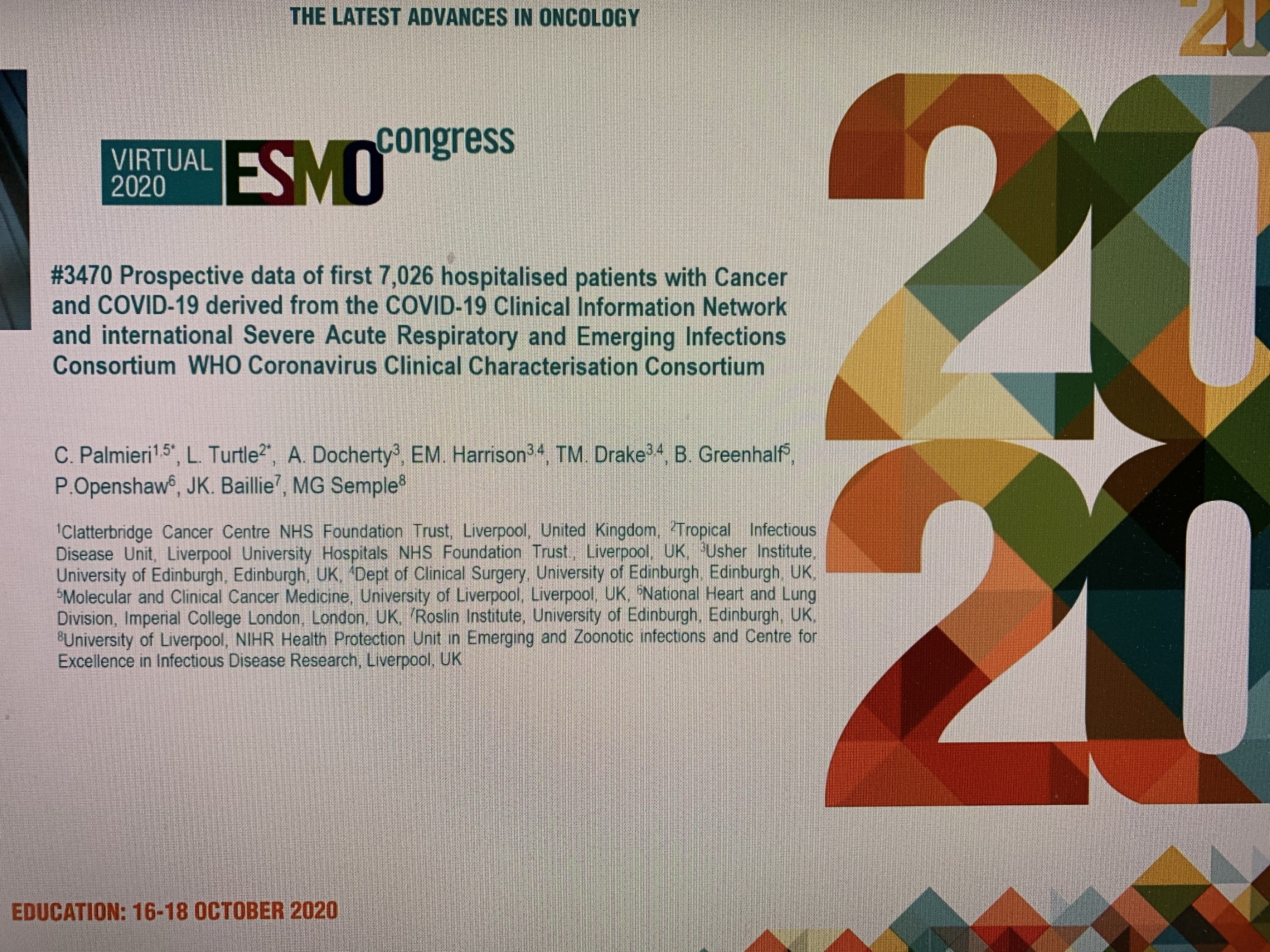
Cancer and COVID-19

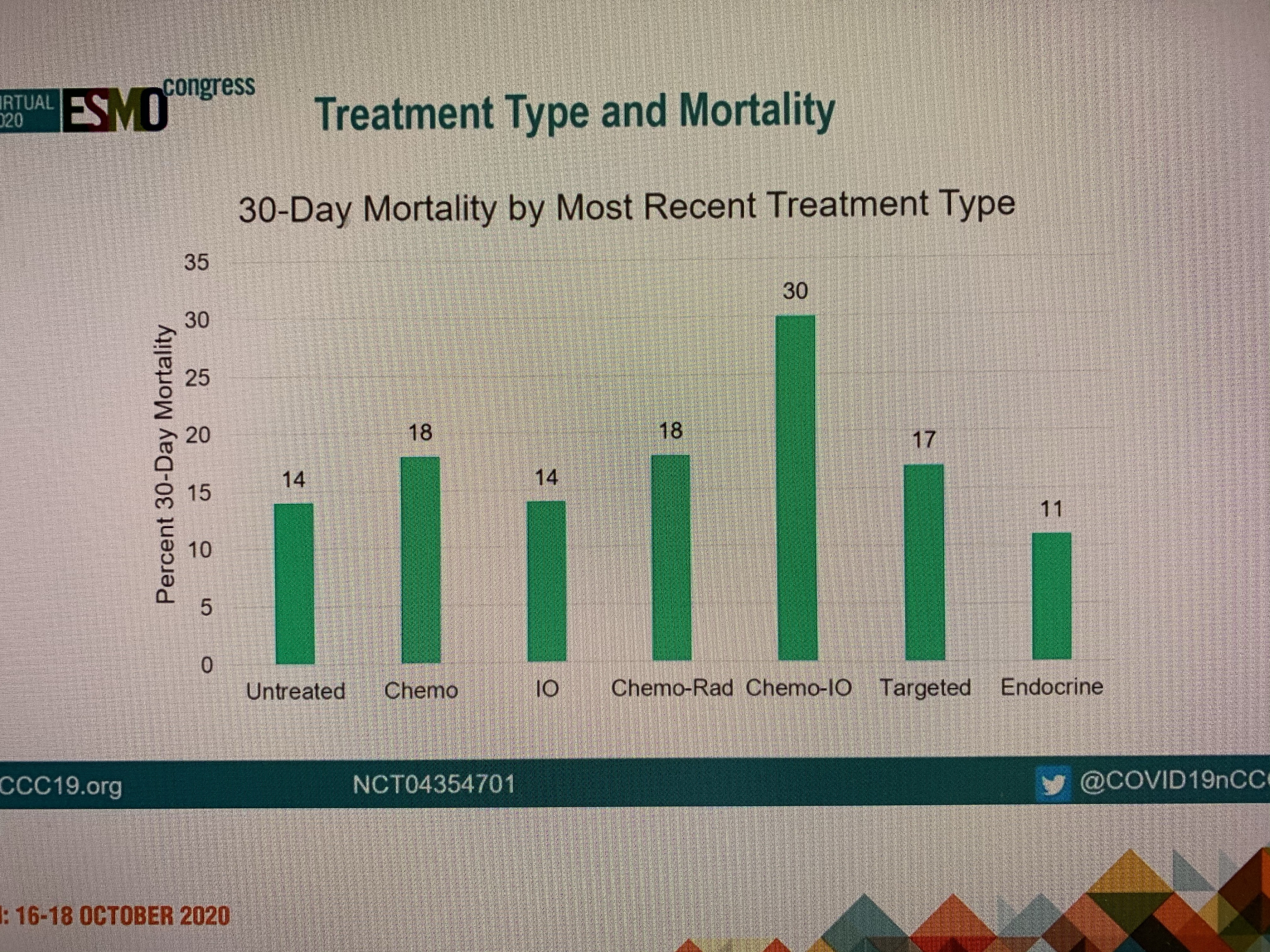
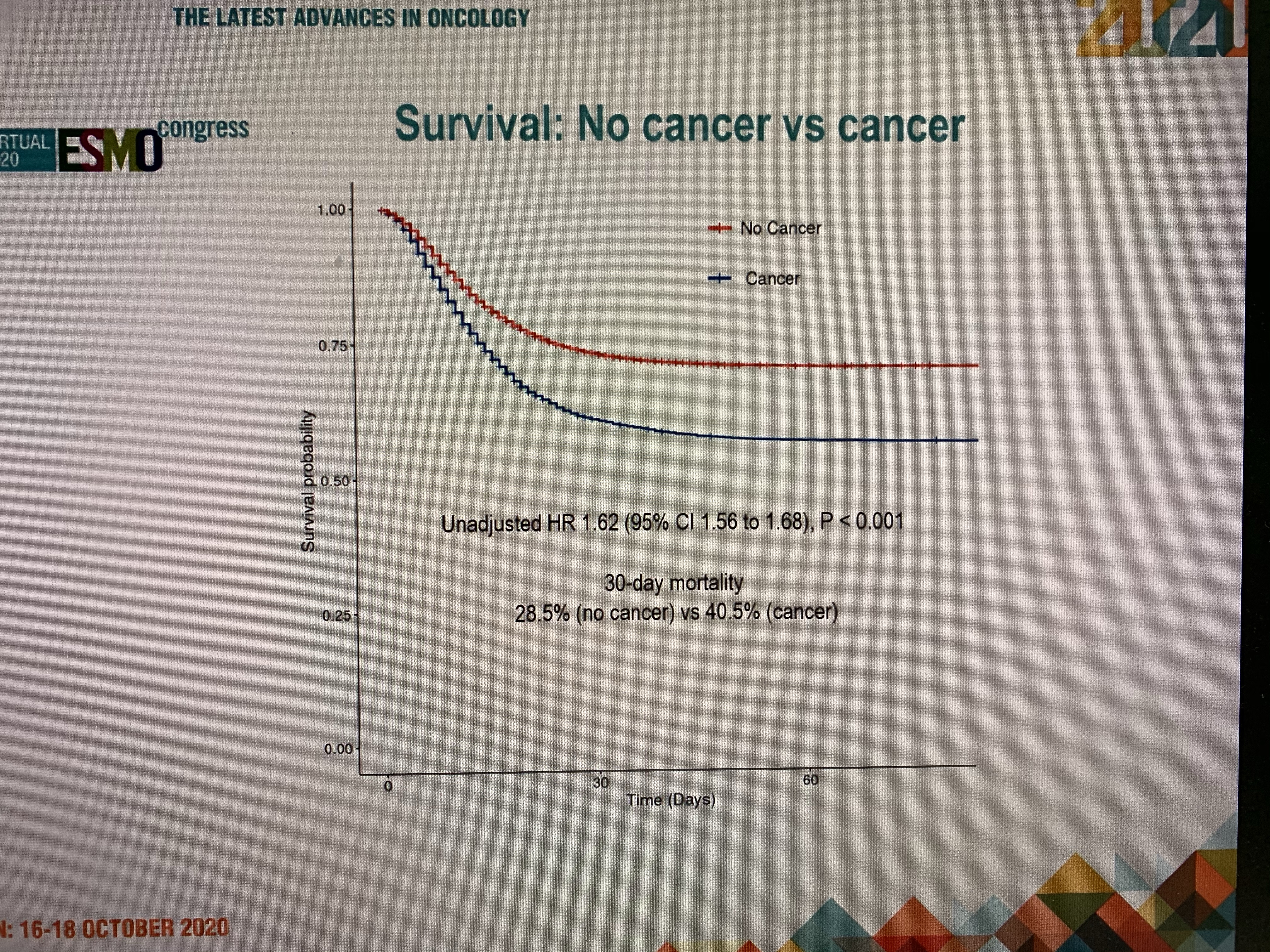
Cancer patients, as expected, did badly during the 1st wave of the COVID-19 pandemic

Data presented at ESMO ( European Society of Medical Oncology) shows that Cancers had – higher rates of Hospitalisation, higher risk of Complications and increased risk of Death.

Elderly cancer patients on the whole did very badly but surprisingly cancer patients under age of 50 did far worse than their peers without cancer.

Disclaimer: Please note- This blog is NOT medical advice. This blog is purely for information only and do check the the sources where cited. Please consult your own doctor to discuss concerns and options relevant to you.

The views expressed in this blog represent the author’s views held at the time of drafting the blog and is likely to change overtime, particularly when new evidence comes to light. The blog is not necessarily endorsed by any organisation the author is associated with and views are not substitute for professional advice.
Hope and incurable Cancer: does hope torment or does it help to cope?

A diagnosis of incurable and advanced cancer is often a massive shock to everyone.

Should we ask them to face reality , accept death and extinguish all hope.

Or should we be offering hope of living a bit longer with treatments while being honest with prognosis.

Hope can be tormenting to some.

Hope can be comforting to some.

What are you views?

Contribute your views at online rapid response @BMJ journal

Don’t torment me with hope. BMJ 2020; 370 doi: https://doi.org/10.1136/bmj.m3016 (Published 09 September 2020)Cite this as: BMJ 2020;370:m3016

In defence of Hope: https://www.bmj.com/content/370/bmj.m3016/rr-3

New medication for prostate cancer

The Male hormone- Testosterone feeds the prostate cancer. Shutting down testosterone production in men can help to control prostate cancer.

Advanced prostate cancer is currently treated first by regular hormone injections.

The hormone injections reduce the Testosterone in men.

Now a new medication, called Relugolix, has been successfully tested in clinical trials. Relugolix, unlike other first line hormone injections , can be taken by mouth instead.

Relugolix also has the advantage of not only working rapidly but also has the advantage of stopping to work quickly when it is withdrawn. This is unlike the injections which take a while to work but also do not stop working quickly when injections are stopped.

References

NEJM. Oral Relugolix for Androgen-Deprivation Therapy in Advanced Prostate Cancer

Neal D Shore et al. N Engl J Med. 2020.

Disclaimer: Please note- This blog is NOT medical advice. This blog is purely for information only and do check the the sources where cited. Please consult your own doctor to discuss concerns and options relevant to you.

The views expressed in this blog represent the author’s views held at the time of publication and is likely to change overtime, particularly when new evidence comes to light. The blog is not necessarily endorsed by any organisation the author is associated with and views are not substitute for professional advice.

Plain English Medical Letters to Patients

Writing letters to patients in plain English without medical jargon is a gift that only a few doctors possess.

Personalising complex medical terminology in a letter dictated over a few minutes is NOT an inherent skill possessed by many doctors including those who are native English speakers.

Dictating Plain English medical letters would take considerable time and effort – particularly if letters are going to succinctly summarise everything from a medical consultation.

In UK, with regards to Cancer, we are lucky to have cancer charities who do a good job of providing information in plain English ( E.g Cancer Research UK, Macmillan Cancer Support, Prostate Cancer UK).

Cancer Patients in UK also have the support of Cancer Nurse Specialists ( CNS ) who do a fantastic job of guiding patients through their cancer journey and clarify all medical jargon to patients.

Other specialities might not have the resources that are available to cancer patients. But, on the whole, Clinic Time slots are precious. Many UK specialists have long waiting lists.

So if further time and effort is to be expended in busy clinics for dictating plain English Letters – in addition to the usual Medical letters to GP – good clinical evidence is needed to demonstrate that separate plain English letters do benefit patients in a meaningful way.

Please do read the BMJ article and put forward your views in the rapid response section.

Access the article at: http://bmj.com/cgi/content/full/bmj.m949

Toll-free link:
http://bmj.com/cgi/content/full/bmj.m949?ijkey=nxJ9CdIVHKZW1Jd&keytype=ref

Disclaimer:

The views expressed here are my personal views and do not represent the views of any other professional organisation I am associated with…

Exciting new immunotherapy treatment !

Test tube lab

The holy grail of cancer treatment is design a drug that is highly lethal to cancerous tissue but completely spares the normal tissues.

Scientists at Cardiff University have discovered immune cells which could provide such a clever treatment.

It is still early days. The principle has been proven in lab. But to be a useful treatment that can be used in cancer patients, it is still far off.
This particular novel form of immunotherapy using T cells is still in early stages and so many hurdles have to be overcome before this discovery could be employed in cancer treatment.

Nevertheless, it has certainly excited many researchers in the field of cancer and the paper has been published by a premier scientific journal.


References:

Original scientific paper. Genome-wide CRISPR–Cas9 screening reveals ubiquitous T cell cancer targeting via the monomorphic MHC class I-related protein MR1

BBC news. Immune discovery ‘may treat all cancer’. By James Gallagher. Health and science correspondent

Disclaimer: Please note- This blog is NOT medical advice. This blog is purely for information only. See your own doctor to discuss concerns and options relevant for you.

Is whole milk harmful ?

In years gone by , many viewed milk as a wholesome healthy food. Government encouraged consumption of milk by providing free milk.

But in recent years, milk is viewed with suspicion.

Vegans shun milk and diary products.

Perhaps the Vegans got it right all along at least as far as whole milk is concerned.

A very large study involving 168 153 women and 49 602 men was published recently in British Medical Journal. The study found that whole milk intake is associated with increased risk of death from heart problems and from some cancers such as lung cancer, ovarian cancer, and prostate cancer.

Interestingly “Cheese and yogurt intake was NOT associated with increased risk of death”.

The risk was also less with “skimmed or low fat milk”.

References

1. Government Cheap Milk Scheme. Br Med J 1940; 2 doi: https://doi.org/10.1136/bmj.2.4170.806-b (Published 07 December 1940)

2. Vegetarian diets. BMJ 2009; 339 doi: https://doi.org/10.1136/bmj.b2507 (Published 08 July 2009)

3. Associations of dairy intake with risk of mortality in women and men: three prospective cohort studies. BMJ 2019; 367 doi: https://doi.org/10.1136/bmj.l6204 (Published 27 November 2019). Cite this as: BMJ 2019;367:l6204

Single dose prostate radiation : Can a single shot of radiation cure prostate cancer?

Yes, say the authors of a recent study from United Kingdom. The study was presented at the European society of radiotherpy ( ESTRO) meeting in Milan.

The study looked at treatment results in patients with localized, low-risk prostate cancer. The short term results are very good. These promising are yet to be fully accepted by everyone as standard of care

This is because patients in this study were followed up only for about 2 years ( to be precise a median follow up of only 26 months) . More long term follow up is needed before firm conclusions could be drawn.

References

1. Daily Mail newspaper article. Single ten-minute shot of radiation can save prostate cancer patients misery of weeks of gruelling treatment, study finds . 29 Apr 2019.

2. ASCO post. ESTRO 38: High–Dose Rate Brachytherapy in Localized Prostate Cancer. 5/3/2019 2:28:54 PM.

3. ESTRO ( 2019 Milan). Session type:Award Lecture. Presentation number:OC-0633. Abstract title: Single dose high dose-rate (HDR) brachytherapy as monotherapy for localised prostate cancer. H. Tharmalingam , Y.M. Tsang, P. Hoskin Mount Vernon Cancer Centre and The Christie NHS Foundation Trust, Clinical Oncology, London, United Kingdom.

Disclaimer: Please note- This blog is NOT medical advice. This blog is purely for information only. See your own doctor to discuss concerns and options relevant for you.

Does Cranberry juice relieve bladder symptoms due to radiation cystitis?

bowl of red round fruits

Many people do look for natural remedies to help with their symptoms.

Anectodally, many patients undergoing radiotherapy have reported that Cranberry Juice has eased their radiation cystitis symptoms.

What is the scientific evidence behind it ?

Should all patients having cystitis symptoms during radiotherapy take cranberry juice?

There is certainly scientific basis to expect benefit from Cranberry Juice.(1).

A lab study and a volunteer study (with volunteers from Japan, Hungary, Spain and France) has shown that certain chemicals in Cranberry can make bacteria ‘less sticky‘ to urinary tract walls and hence potentially reduces virulence of the bacteria.(1). But subsequent large studies have NOT confirmed any large benefit from Cranberry in terms of treating or preventing urinary tract infections. (2)(3).

But Radiation Cystitis is not due to bacterial infections although infections can co-exist sometimes. Hence the use of Cranberry has been studied separately in patients undergoing radiation therapy.

A New Zealand study involved 41 men undergoing radiotherapy for prostate cancer. Taking Cranberry (one capsule a day at breakfast) was found to reduce symptoms of pain and burning. (4).

On the other hand, in a study from Canada involving 112 patients , consumption of Cranberry juice compared with apple juice had no effect on radiation cystitis symptoms. (5).

Another study from United Kingdom was inconclusive because of poor patient recruitment and poor compliance. (6).

So the scientific evidence is inconclusive at present.(7).

Practically, if someone is keen to try it – the best course of action – ( for someone not intolerant of cranberry juice) – is to try it and see whether it offers any symptomatic benefit .

Disclaimer: Please note- This is NOT medical advice. This blog is purely for information only. See your own doctor to discuss options.

There are prescription medications available to help with radiation cystitis symptoms.

References:

1.Dosage effect on uropathogenic Escherichia coli anti-adhesion activity in urine following consumption of cranberry powder standardized for proanthocyanidin content: a multicentric randomized double blind study. BMC Infect Dis. 2010 Apr 14;10:94.

2. BBC News. Does Cranberry juice stop cystitis. By Claudia Hammond. (Accessed 1st Jan 2019).

3. BBC News. Ditch cranberry juice for urine infection . (Accessed 1st Jan 2019).

4.Standardized cranberry capsules for radiation cystitis in prostate cancer patients in New Zealand: a randomized double blinded, placebo controlled pilot study. Support Care Cancer (2015) 23: 95.

5. A Randomised Trial of Cranberry Versus Apple Juice in the Management of Urinary Symptoms During External Beam Radiation Therapy for Prostate Cancer. G.Campbell et al. Clin Oncol (R Coll Radiol). 2003 Sep;15(6):322-8.

6. A Randomised Double-blind Placebo-controlled Trial to Determine the Effect of Cranberry Juice on Decreasing the Incidence of Urinary Symptoms and Urinary Tract Infections in Patients Undergoing Radiotherapy for Cancer of the Bladder or Cervix. Cowan CC, et al. Clin Oncol (R Coll Radiol). 2012.

7.Chemical- and radiation-induced haemorrhagic cystitis: current treatments and challenges. BJU Int. 2013 Nov;112(7):885-97.

Image credit: Photo by Jessica Lewis on Pexels.com

Can milk cause cancer?

blur calcium close up dairy

Photo by Pixabay on Pexels.com

A vegan group’s recent advertisement claimed that “cow’s milk contains 35 hormones, including oestrogen … some of these are linked to cancer”.

Advertising Standards Authority (ASA) in U.K banned the vegan group’s advert  as it found the groups claims misleading.

Does the evidence stack up?

First of all, I have to emphasize that “Human Mothers milk” is the best nutrition a new born baby can have…even though it might have various natural hormones.

But “mass produced diary milk” is a different matter.

A large observational study from ” Central Sweden”  found that “High milk intake was associated with higher risk of death and higher fracture incidence in women”. The paper was published in the prestigious BMJ journal in 2014. I suspect the substances used in mass production of diary milk might be the culprit rather than natural milk itself.

So the jury is out on this question. In the mean time, moderation is the key as Cows’ milk does contain many beneficial substances.  Switching to sugary, fizzy drinks or other artifically produed milk alternatives is not sensible either.

Related Links

Milk intake and risk of mortality and fractures in women and men: cohort studies

BMJ Letter: S Sundar. Milk and mortality: the potential effects of modern milk production

Telegraph: Vegan group’s advert wrongly linking cow’s milk to cancer is banned.

Independent: Vegan group’s advert wrongly linking cow’s milk to cancer gets UK ban

New test for Prostate cancer

www.freephotosbank.com.photographers1.med_cg124s008d

Research team from Dundee University are developing  a new scan for diagnosis of prostate cancer.  The technique is non-invasive. This novel scan uses an ultrasound process called shear wave elastography (SWE) to detect prostate tumours.

The team’s leader, Professor Ghulam Nabi claims “Our new method is far more accurate and also allows us to identify the difference between cancerous and benign tissue in the prostate without the need for invasive surgery.”

This exciting project was funded by Prostate Cancer UK with support from the Movember Foundation.

The raw data from the paper abstract does call for caution. The test was done in patients who are already known to have prostate cancer. The test was not use to diagnose the cancer. It was a single centre study which usually calls for caution. How well the scan would perform in ” real world” patients who are yet to be diagnosed with prostate cancer remains to be seen.

Early results from about 200 patients are very promising indeed. The test has enormous potential if it is proven to work in a large scale, multi-centre trial.

Links:

  1. The Guardian: https://www.theguardian.com/society/2018/apr/22/prostate-cancer-ultrasound-diagnosis-test.
  2. Daily Mail: http://www.dailymail.co.uk/health/article-5643999/Dundee-scientists-new-non-invasive-ultrasound-detect-prostate-cancer.html.
  3. BBC: http://www.bbc.co.uk/news/uk-scotland-tayside-central-43864875.
  4. Pubmed: https://www.ncbi.nlm.nih.gov/pubmed/29605444


Image credit: Anon