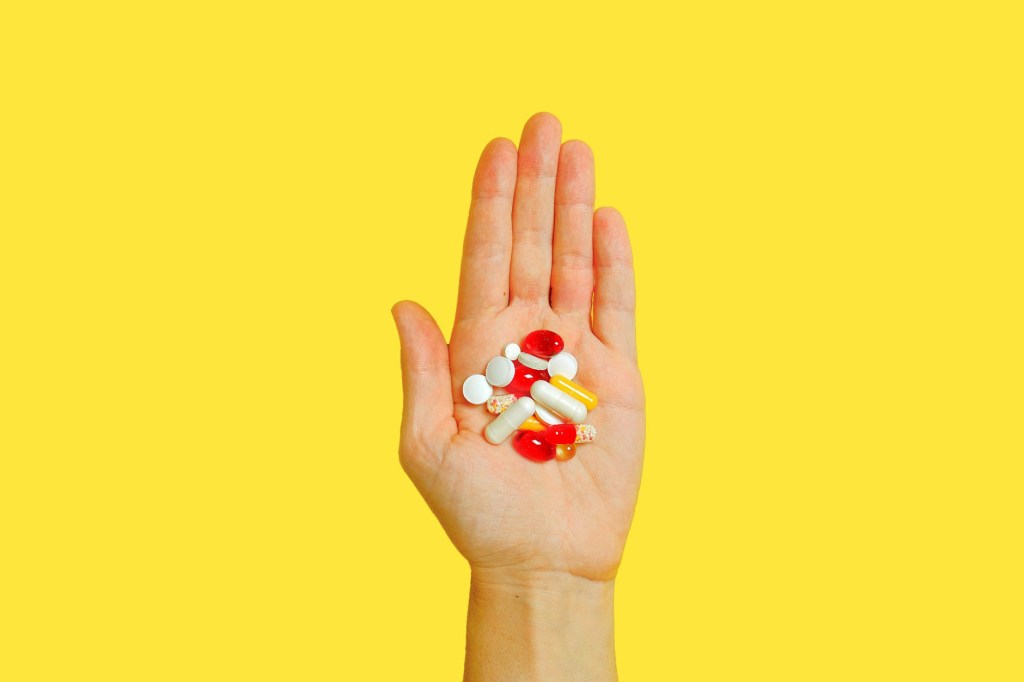
Can too much vitamins harm the body ?

Absolutely Yes. Vitamins can cause harm.

Vitamins are very essential for life.

But too much of vitamins is bad.

You can buy paracetamol in a supermarket and it (rightly) comes with a big list of side effects .

You can freely buy various vitamins and supplements in supermarkets and none of them come with any warning what so ever.

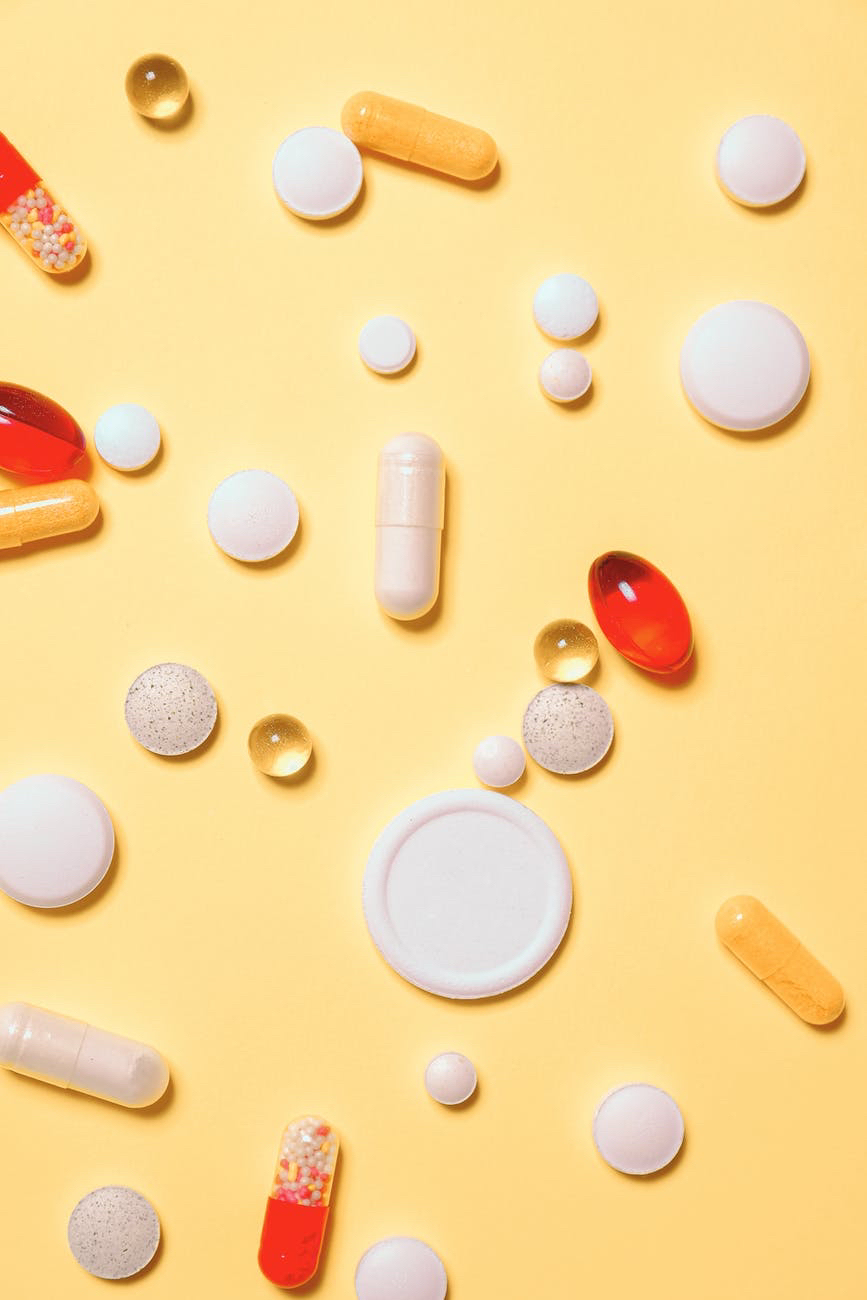
Because vitamins are heavily promoted over Social media, newspapers, TV, and internet, many people think vitamins are safe and good. So people overindulge hoping for more benefits. But taking too much of vitamins is risky and can cause health problems due to Hypervitaminosis.

A recent article in Guardian points out the risks from taking too much of vitamin supplements. A man took too much of vitamin B6 and this resulted in damage to his nerves!

So be very careful with extra vitamins and supplements. Check whether you need the supplements at all. Try natural products rather than factory produced artificial supplements.

Reference

Guardian newspaper: Simon never linked the pain in his hands and feet to multivitamins – but a pathology test did. Natasha May and Sharlotte Thou. Published Sat 4 Jan 2025 19.00 GMT. Last modified on Sun 5 Jan 2025 01.55 GMT

Wiki. Hypervitaminosis

Disclaimer: Please note – This blog is NOT medical advice. This blog is NOT a expert medical opinion on various topics. This blog is purely for information research only and do check the sources where cited. Please DO consult your own doctor to discuss concerns and options, which are relevant and specific to you. The views expressed in this blog are NOT, in any way whatsoever, intended to be a substitute for professional advice.

The blog is NOT previewed, commissioned or otherwise endorsed, in any way, by any organisation that the author is associated with. The views expressed in this blog likely represents some of the author’s personal views held at the time of drafting the blog and MAY CHANGE overtime, particularly when new evidence comes to light.

Does Vitamin D reduce the risk of death in old people ?

Unfortunately, No !

At least according to an Australian study published earlier this year.

Previously some studies suggested a benefit for Vitamin D supplements in older people.

In 2014, a Cochrane review suggested
that vitamin D, supplements might
reduce risk of death in older people. The esteemed Cochrane review recommended further studies.

A randomised controlled trial of oral vitamin D, supplementation for five years in Australians aged 60 or older reports no benefits. Among 20 000 participants followed for five years, the
primary outcome–death from any cause.
occurred as frequently in those taking
the active supplement as it did in those
taking placebo.

References

Vitamin D supplements . . . and other stories
BMJ 2022; 376 doi: https://doi.org/10.1136/bmj.o452 (Published 03 March 2022)
Cite this as: BMJ 2022;376:o452

Cochrane review Vitamin D supplementation for prevention of mortality in adults. (Cochrane Database Syst Rev doi:10.1002/14651858. CD007470.pub3).

The D-Health Trial: a randomised controlled trial of the effect of vitamin D on mortality.
Rachel E Neale et al. Lancet Diabetes Endocrinol. 2022 Feb. Lancet Diabetes Endocrinol
doi:10.1016/S2213-8587(21)00345-4

Disclaimer: Please note – This blog is NOT medical advice. This blog is NOT a expert medical opinion on various topics. This blog is purely for information only and do check the sources where cited. Please DO consult your own doctor to discuss concerns and options relevant to you. The views expressed in this blog are NOT, in any way whatsoever, intended to be a substitute for professional advice. The blog is NOT previewed, commissioned or otherwise endorsed, in any way, by any organisation that the author is associated with. The views expressed in this blog likely represents some of the author’s personal views held at the time of drafting the blog and MAY CHANGE overtime, particularly when new evidence comes to light.

Can vitamins increase risk of cancer ?

Yes

Vitamins are absolutely essential nutrients and vitamin deficiency causes various illness.

But a high dose of vitamin, far too much than needed by the body, is also bad.

Everything in moderation is good. Even an abundance of a good thing is bad.

It is similar to food. Lack of food would cause starvation and even death in the extreme. But too much of food causes obesity and other health problems. Same principle applies to vitamins.

A Cochrane review looked at the ability of vitamins to prevent lung cancer. The review concluded that there is “no beneficial effect of supplements for the prevention of lung cancer and lung cancer mortality in healthy people”

Worryingly, the review also found that the following:

Vitamin A supplements increase lung cancer incidence and mortality in smokers or persons exposed to asbestos”.

Vitamin C increases lung cancer incidence in women.

Vitamin E increases the risk of haemorrhagic strokes.

So if you are having a healthy balanced diet, be careful with vitamin supplements.

Drugs for preventing lung cancer in healthy people
Marcela Cortés-Jofré et al. Cochrane Database Syst Rev. 2020.
Free PMC article

Disclaimer: Please note- This blog is NOT medical advice. This blog is NOT a expert medical opinion on various topics. This blog is purely for information only and do check the sources where cited. Please DO consult your own doctor to discuss concerns and options relevant to you. The views expressed in this blog represent the author’s views held at the time of drafting the blog and may change overtime, particularly when new evidence comes to light. The blog is not previewed, commissioned or otherwise endorsed by any organisation that the author is associated with. The views expressed in this blog are not, in way whatsoever, intended to be a substitute for professional advice.
Can Vitamins and anti-oxidants increase the risk of breast cancer coming back?

Yes, Dietary supplements can be harmful.

Vitamins and Minerals are absolutely essential nutrients for a Healthy body and a Healthy mind. Anyone not eating a healthy balanced should look what nutrients they might be missing.

But on the other hand, taking too much of vitamins and minerals, when they are not needed, could be harmful to the body.

There is widespread use of dietary supplements during cancer treatment, in the hope they can reduce side effects but many do not think about the disadvantages.

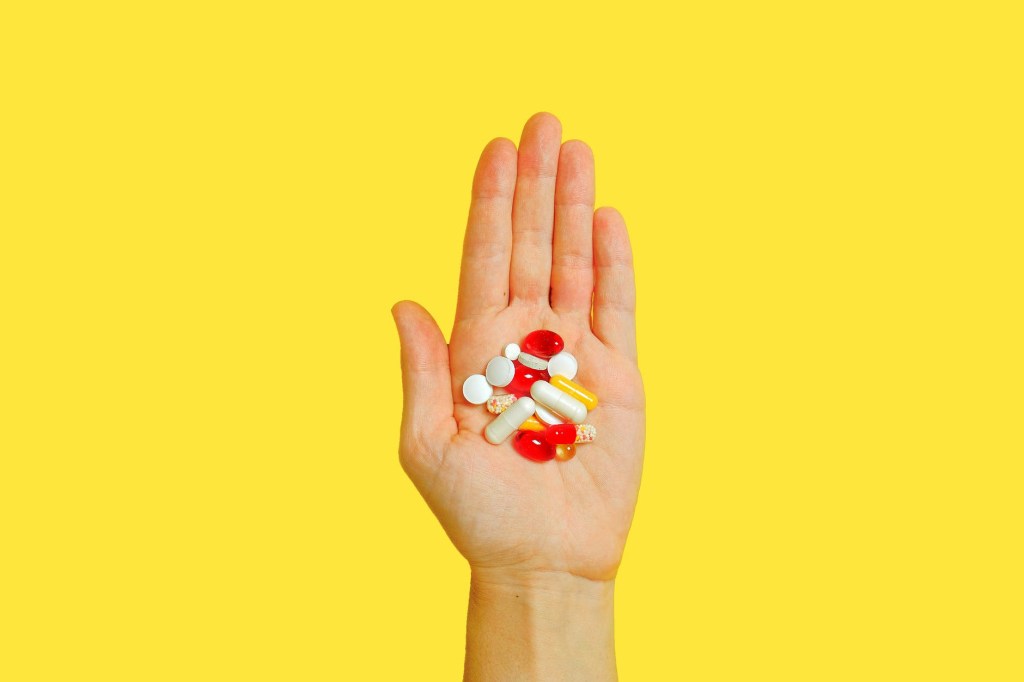
An American study of Breast cancer patients undergoing Chemotherapy looked at the effect of taking dietary supplements such as anti-oxidants, iron, vitamin B12, and omega-3 fatty acids.

Breast cancer patients who took the dietary supplements during chemotherapy were found be harmed by them. They had a higher chance of cancer coming back compared to people who did not take these supplements. The supplements also increased risk of death in those the supplements.

Beware supplements when used improperly, can be harmful.

Dietary Supplement Use During Chemotherapy and Survival Outcomes of Patients With Breast Cancer Enrolled in a Cooperative Group Clinical Trial (SWOG S0221)

, PhD1; , PhD2; , PhD1; 1; , PhD, RD1; , PhD3; , MD1; , PhD, EdD1; , PhD4; , MD5; , PhD3; , MD6; , MD7; , MD8; , MD9; , MD10; , MD11; , MD12; , MD6; and , MD13

Disclaimer: Please note- This blog is NOT medical advice. This blog is purely for information only and do check the the sources where cited. Please consult your own doctor to discuss concerns and options relevant to you.

The views expressed in this blog represent the author’s views held at the time of drafting the blog and is likely to change overtime, particularly when new evidence comes to light. The blog is not necessarily endorsed by any organisation the author is associated with and views are not substitute for professional advice.

Is the new variant of Coronavirus more dangerous?

Yes and No

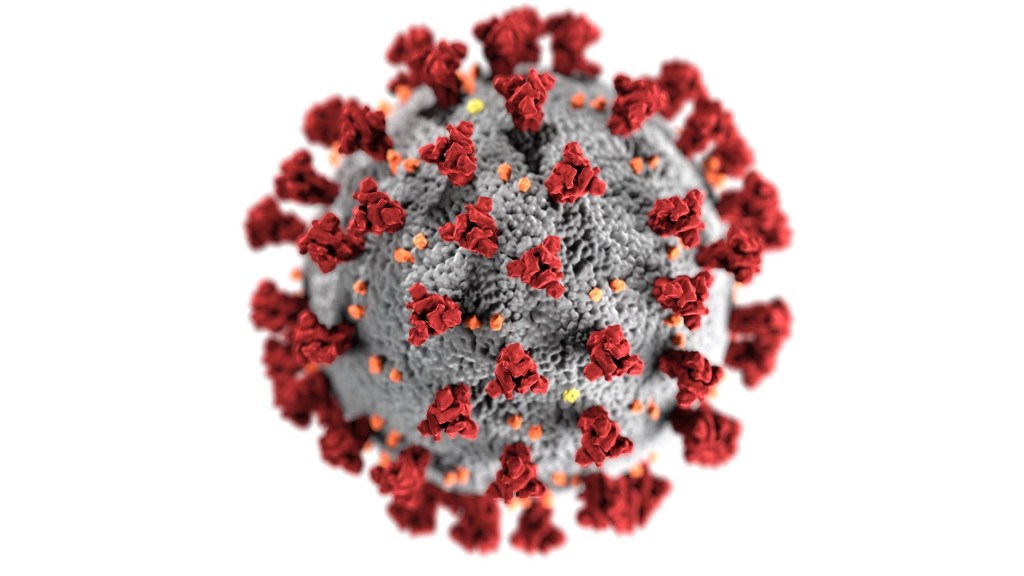
The new mutant is more dangerous because it is more easily transmissible from person to person. The new variant is now spreading very rapidly in London and South East of England.

But, so far, the new variant has NOT been found to be more deadly than the original version. The new variant does NOT seem to have substantially increased the risk of hospitalisation and death anymore than the original version of coronavirus.

Emergence of this new mutant (called variant VUI-202012/01 fall) is a certainly a worrying development in this pandemic.

The mutations has made the new strain 70 per cent more transmissible but scientists do not expect these mutations to reduce the effectiveness of vaccines.

Tests are being carried out to confirm that the existing vaccines would still have a high degree of protective affect.

It is an evolving area and we have to hope that the new variant doesn’t make things worse than they are now !

Covid-19: New coronavirus variant is identified in UK. BMJ 2020; 371 doi: https://doi.org/10.1136/bmj.m4857 (Published 16 December 2020)
Cite this as: BMJ 2020;371:m4857

Disclaimer: Please note- This blog is NOT medical advice. This blog is purely for information only and do check the the sources where cited. Please consult your own doctor to discuss concerns and options relevant to you.

The views expressed in this blog represent the author’s views held at the time of drafting the blog and is likely to change overtime, particularly when new evidence comes to light. The blog is not necessarily endorsed by any organisation the author is associated with and views are not substitute for professional advice.
Scientific evidence for a healthy diet and prevention of diabetes

Simple things in life can be the most difficult; For instance, Regular Exercise and a balanced Diet for a healthy life.

What constitutes a healthy diet is common knowledge. For example eating Whole grains, Fresh Fruit and Vegetables )

But what is accepted as common knowledge is not always backed up by robust scientific evidence .

So it is good to see two scientific papers in a recent issue of British Medical Journal with one paper exploring the role of fruit and vegetable consumption on type 2 diabetes and another paper exploring the role of whole grain foods on risk of type 2 diabetes.

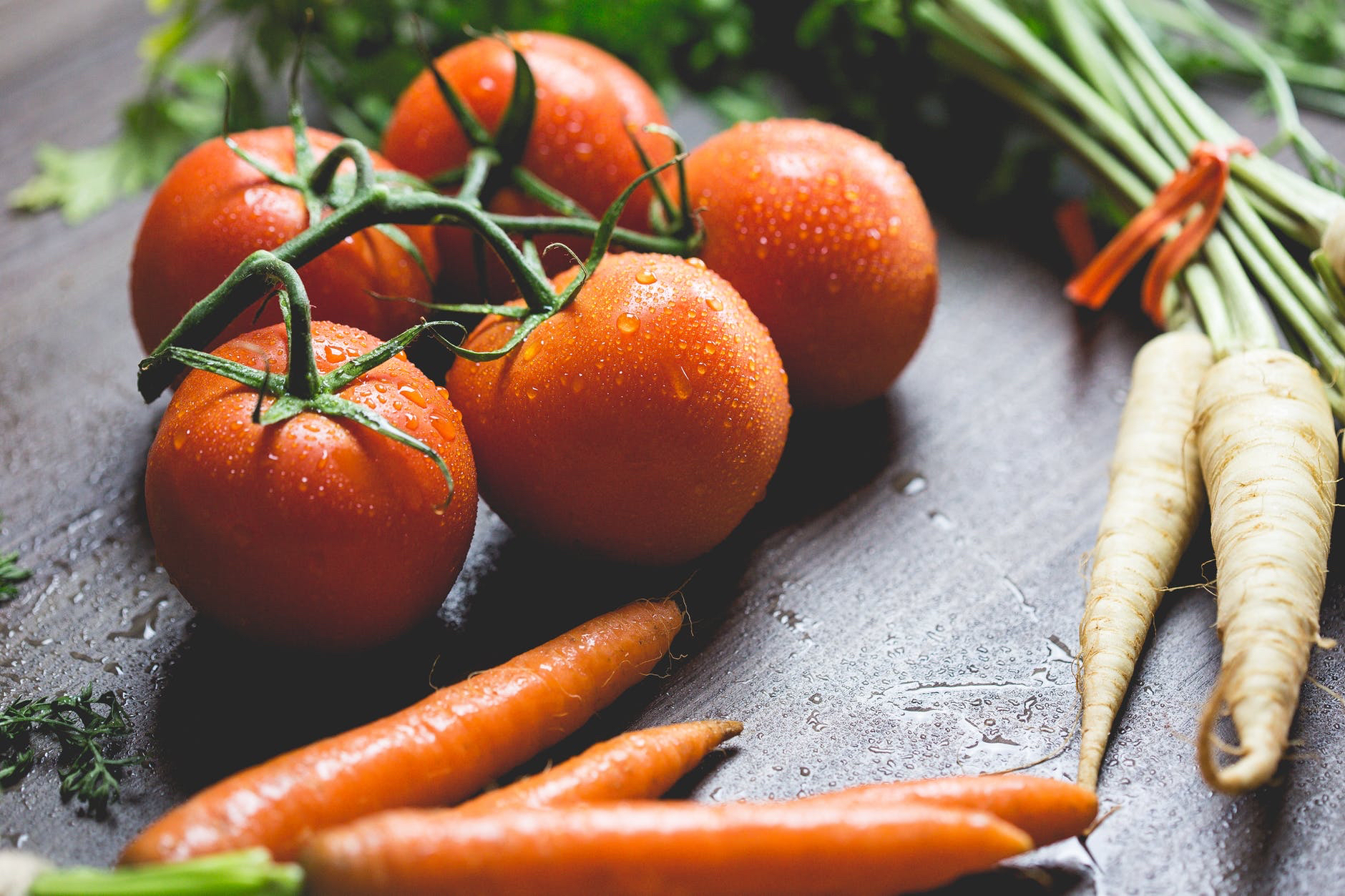
1. One study found that Vitamin C and carotenoids have a protective effect against diabetes ( eg diet rich in citrus fruits, tomatoes , root vegetables such as carrots )

A word of caution to those rushing to buy vitamin supplements from the authors : “fruit and vegetable intake, rather than vitamin supplements, is potentially beneficial for the prevention of type 2 diabetes”.

2. Another study found that “whole grain foods, including whole grain breakfast cereal, oatmeal, dark bread, brown rice, added bran, and wheat germ, significantly reduced the risk of developing diabetes.

References

1. Association of plasma biomarkers of fruit and vegetable intake with incident type 2 diabetes: EPIC-InterAct case-cohort study in eight European countries.

BMJ 2020; 370 doi: https://doi.org/10.1136/bmj.m2194 (Published 08 July 2020)

2. Intake of whole grain foods and risk of type 2 diabetes: results from three prospective cohort studies .

BMJ 2020; 370 doi: https://doi.org/10.1136/bmj.m2206 (Published 08 July 2020)

Disclaimer: Please note- This blog is NOT medical advice. This blog is purely for information only and do check the the sources where cited. Please consult your own doctor to discuss concerns and options relevant to you.

The views expressed in this blog represent the author’s views held at the time of publication and is likely to change overtime, particularly when new evidence comes to light. The blog is not necessarily endorsed by any organisation the author is associated with and views are not substitute for professional advice.

Can Vitamin D prevent respiratory infections such as COVID-19 ?

No conclusive evidence yet.

Some studies suggest a protective effect but two recent “official” reviews in UK has concluded the following.

(1). “The available evidence does not support vitamin D supplementation to prevent acute respiratory tract infections in the general UK population”.

(2). “There is currently no evidence to support vitamin D supplements reducing the risk or severity of covid-19″.

References

NICE. Covid 19 rapid evidence summary: vitamin D for covid-19 evidence summary. 29 June 2020. http://www.nice.org.uk/advice/es28/chapter/Key-messages.

Martineau AR, Jolliffe DA, Hooper RL, et al. Vitamin D supplementation to prevent acute respiratory tract infections: systematic review and meta-analysis of individual participant data. BMJ 2017;356:i6583. doi:10.1136/bmj.i6583 pmid:28202713

Evidence does not support vitamin D for reducing respiratory infections, reviews conclude. BMJ 2020; 369 doi: https://doi.org/10.1136/bmj.m2629 (Published 30 June 2020). Cite this as: BMJ 2020;369:m2629

Disclaimer: Please note- This blog is NOT medical advice. This blog is purely for information only and do check the the sources where cited. Please consult your own doctor to discuss concerns and options relevant to you.

The views expressed in this blog represent the author’s views held at the time of publication and is likely to change overtime, particularly when new evidence comes to light. The blog is not necessarily endorsed by any organisation the author is associated with and views are not substitute for professional advice.
Health effects of vitamin and mineral supplements

In Western countries, upto two thirds of people take vitamin and mineral supplements regularly.

Many people think it’s common sense to take supplements. Many people don’t realise mega doses of vitamins can cause harm. Paradoxically the people who don’t have a healthy diet are less likely to supplements than those who have a well balanced diet.

A recent article in BMJ reviews the evidence regarding “Health effects of vitamin and mineral supplements” and concludes that “Randomised trial evidence does not support use of vitamin, mineral, and fish oil supplements to reduce the risk of non-communicable diseases”.

This article is certainly a “food for thought”

Reference

Food for Thought 2020. Health effects of vitamin and mineral supplements. BMJ 2020; 369 doi: https://doi.org/10.1136/bmj.m2511 (Published 29 June 2020). Cite this as: BMJ 2020;369:m2511

Skeie G, Braaten T, Hjartåker A, et al. Use of dietary supplements in the European Prospective Investigation into Cancer and Nutrition calibration study. Eur J Clin Nutr2009;63(Suppl 4):S226-38. doi:10.1038/ejcn.2009.83 pmid:19888276

Disclaimer: Please note- This blog is NOT medical advice. This blog is purely for information only and do check the the sources where cited. Please consult your own doctor to discuss concerns and options relevant to you.

The views expressed in this blog represent the author’s views held at the time of publication and is likely to change overtime, particularly when new evidence comes to light. The blog is not necessarily endorsed by any organisation the author is associated with and views are not substitute for professional advice.

Can Vitamin K help fight Coronavirus?

Possible but like every other observational study, take it with pinch of salt.

Further evidence from well conducted trials are needed before it can be recommended as a COVID treatment.

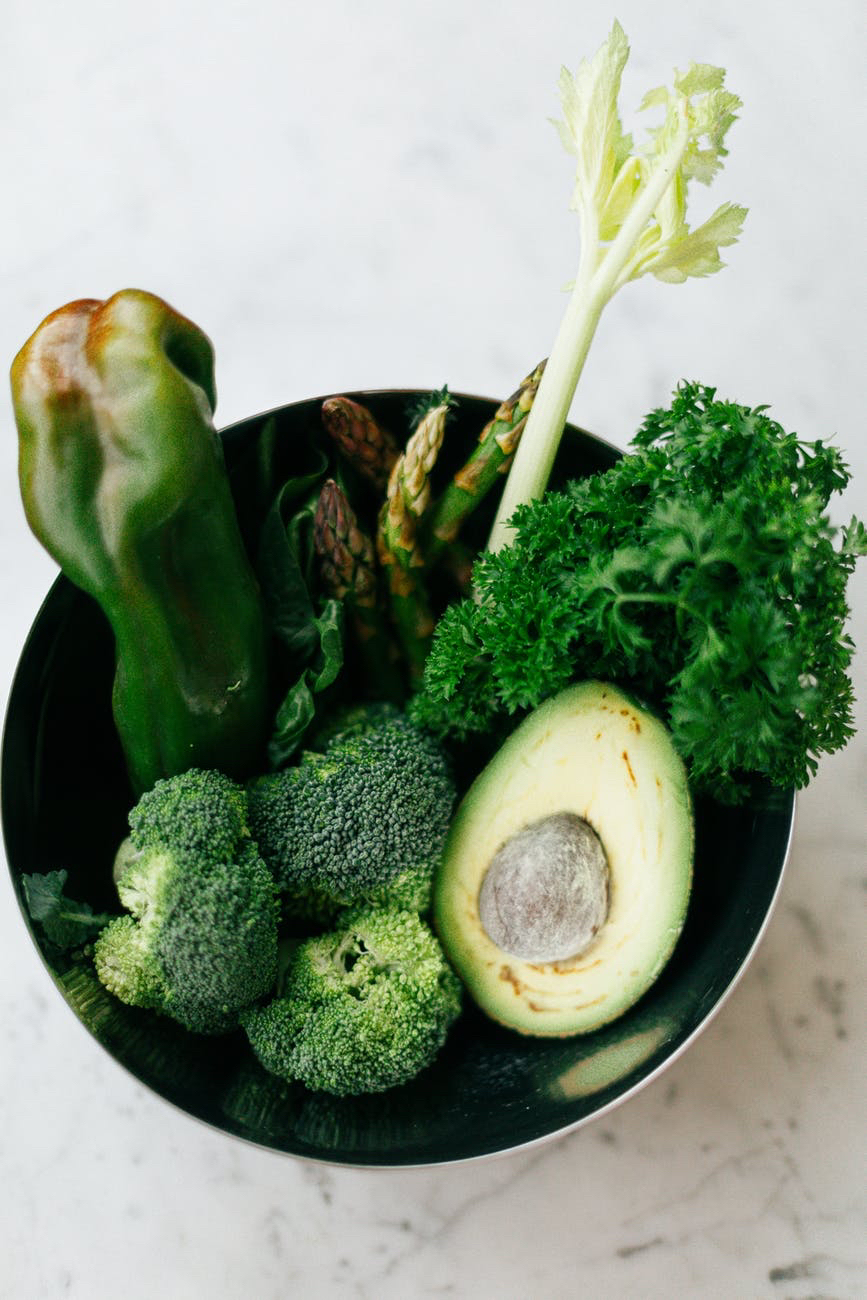
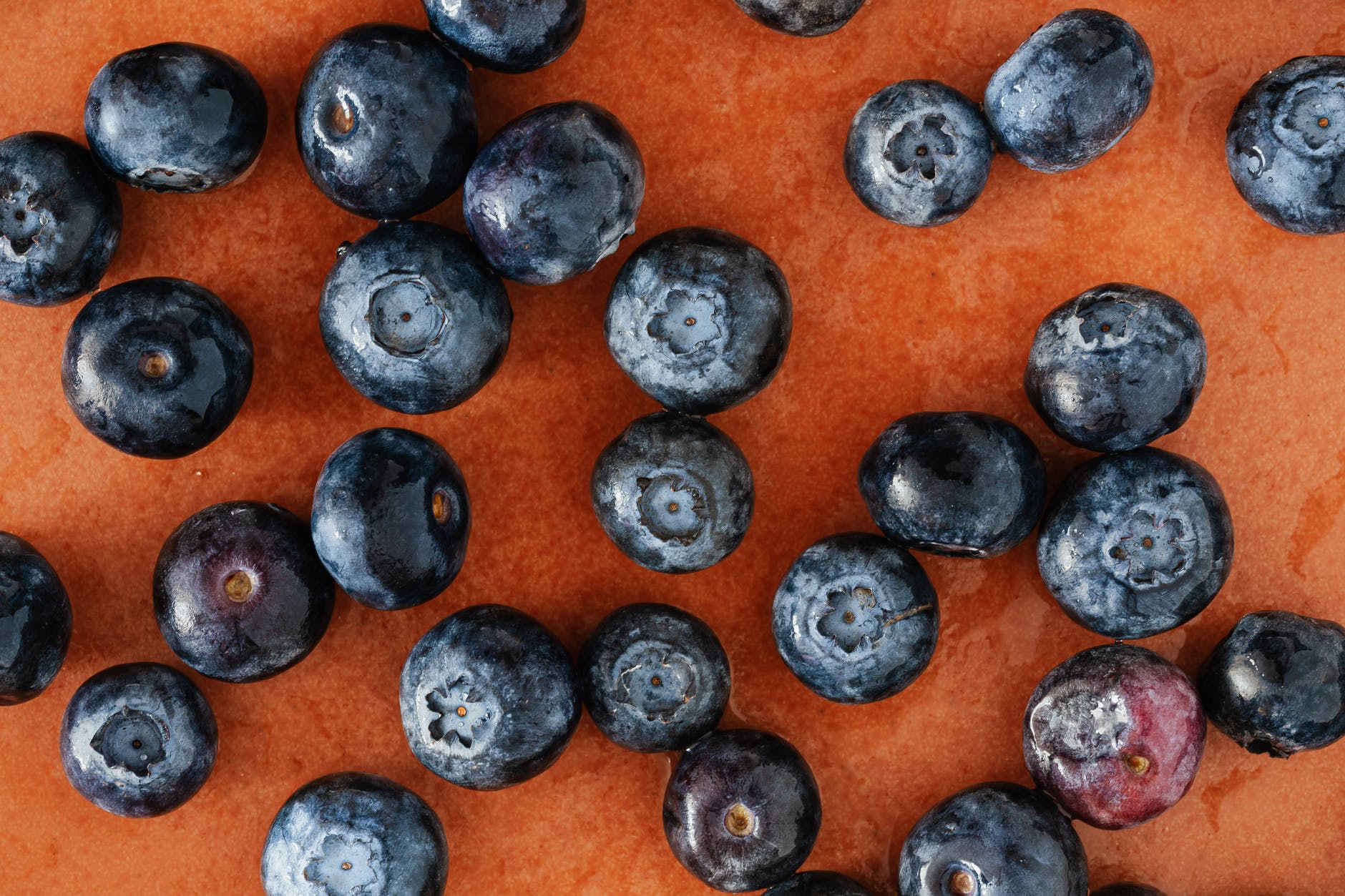
In mean time, it’s better to stick to natural sources of vitamin such as those mentioned in the newspaper article ( spinach, broccoli, green vegetables, blueberries, all types of fruit and vegetables).

Guardian Newspaper: Vitamin K could help fight coronavirus, study suggests

Scientists in Netherlands explore possible link between deficiency and Covid-19 deaths

Daniel Boffey. Fri 5 Jun 2020 14.50 BST

Disclaimer: Please note- This blog is NOT medical advice. This blog is purely for information only and do check the the sources where cited. Please consult your own doctor to discuss concerns and options relevant to you.

The views expressed in this blog represent the author’s views held at the time of publication and is likely to change overtime, particularly when new evidence comes to light. The blog is not necessarily endorsed by any organisation the author is associated with and views are not substitute for professional advice.