
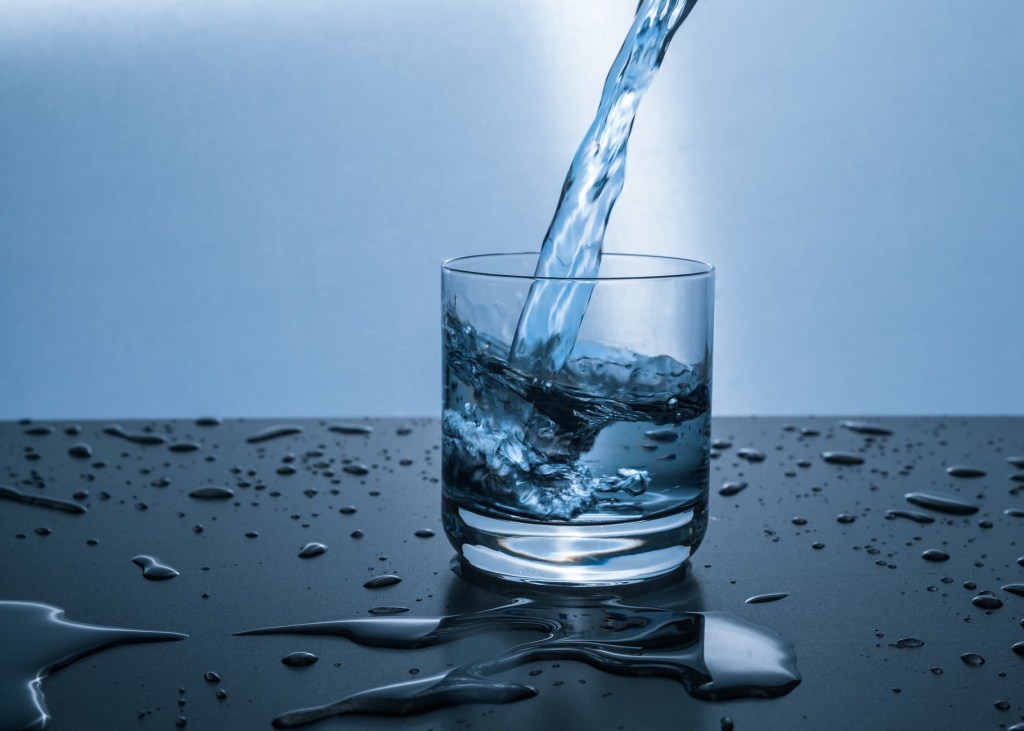
Does frequent sipping of water help?

Yes, according to an article in Telegraph.

It is known that drinking water before eating helps overweight people to lose weight.

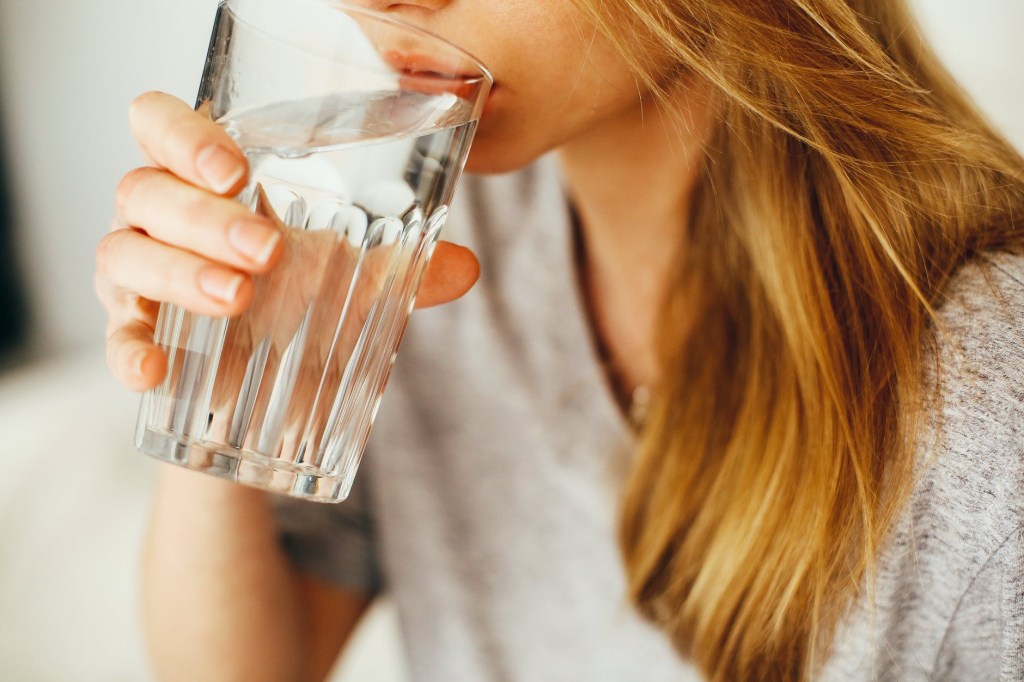
Also frequent sipping of water would help to meet the daily recommended intake of water. A significant proportion of population do not drink enough water.
References:

Water Intake, Water Balance, and the Elusive Daily Water Requirement. Lawrence E. Armstrong and Evan C. Johnson. Nutrients. 2018 Dec; 10(12): 1928.
Published online 2018 Dec 5. doi: 10.3390/nu10121928
PMCID: PMC6315424 (daily total water intake (TWI, L/24h) ˂1.8 L” may influence the risk of dysfunctional metabolism and chronic diseases.

Daily Telegraph. Why sipping water could help you lose weight.
Robert Pattinson did it for his role as Batman and bodybuilders do it before an event, but doctors advise a measured approach
By
Sharon Walker
6 March 2022 • 12:00pm

USA. About 80 percent of people’s total water comes from drinking water and beverages — including caffeinated beverages — and the other 20 percent is derived from food. women who appear to be adequately hydrated consume an average of approximately 2.7 liters (91 ounces) of total water — from all beverages and foods — each day, and men average approximately 3.7 liters (125 ounces) daily.

Effect of excessive water intake on body weight, body mass index, body fat, and appetite of overweight female participants. doi: 10.4103/0976-9668.136180
PMCID: PMC4121911
PMID: 25097411

Increased Hydration Can Be Associated with Weight Loss
Simon N. Thornton
Front Nutr. 2016; 3: 18. Published online 2016 Jun 10. doi: 10.3389/fnut.2016.00018
PMCID: PMC4901052

A word of caution applies to all ‘food/ drink and disease’ association reports. Almost every week there are newspaper reports of studies exploring associations between “various food/drink” with “various diseases” and “health”. Some of them are conflicting and confusing with a positive study followed by a negative study ! This news report is no different in that respect.
What has ‘Public health’ ever done for us ?

An apple a day might not keep the doctor away. But a good public health team can keep the doctors away for many people!

Public health is about prevention and promotion of health in the society.

Public health is largely responsible for the significant improvements in life expectancy over the last 150 years.

Providing people with clean drinking water, removal of rubbish from houses and streets, good sewage system, and vaccination has saved many millions of lives over the years.

The recent smoking ban in work-places, public places and indoor venues is a modern example of public health activity.

The one area where public health has not been hugely successful is obesity. It may be because of the reliance on nudging the individual to change rather than dealing with underlying structural problems.

Read my letter in BMJ and make your views known at the BMJ rapid response section.

Sundar S. Public health needs to go back to basics, not rely on nudge theory.

Toll-free link:
http://bmj.com/cgi/content/full/bmj.n1153?ijkey=CUQNozGH9yJeK57&keytype=ref

References:

BMJ. Lifestyle and socioeconomic group on health
Public health needs to go back to basics, not rely on nudge theory
BMJ 2021; 373 doi: https://doi.org/10.1136/bmj.n1153 (Published 06 May 2021)
Cite this as: BMJ 2021;373:n1153

BMJ. Short term impact of smoke-free legislation in England: retrospective analysis of hospital admissions for myocardial infarction
BMJ 2010; 340 doi: https://doi.org/10.1136/bmj.c2161 (Published 08 June 2010)
Cite this as: BMJ 2010;340:c2161

BMJ. Associations of healthy lifestyle and socioeconomic status with mortality and incident cardiovascular disease: two prospective cohort studies
BMJ 2021; 373 doi: https://doi.org/10.1136/bmj.n604 (Published 14 April 2021)
Cite this as: BMJ 2021;373:n604

Disclaimer: Please note- This blog is NOT medical advice. This blog is NOT a expert medical opinion on various topics. This blog is purely for information only and do check the the sources where cited. Please DO consult your own doctor to discuss concerns and options relevant to you. The views expressed in this blog represent the author’s views held at the time of drafting the blog and may change overtime, particularly when new evidence comes to light. The blog is not previewed, commissioned or otherwise endorsed by any organisation the author is associated with. The views expressed in this blog are not in way intended to be a substitute for professional advice.