A first COVID infection can make the body resistant to second infection for atleast five months

If someone had a COVID-19 Coronavirus infection and has recovered from it, then their body develops resistance to a further second infection

The protection is similar to that provided by vaccination. The UK study found that the protection lasts for atleast five months.

Caveats: It is not known how long the protection will last and the study is ongoing.

While a previously infected is protected against 2nd infection, that person can still carry and transmit virus to others. PHE reports that “early evidence from the next stage of the study suggests that some of these individuals carry high levels of virus and could continue to transmit the virus to others”. So the usual COVID-19 precautions are still needed.

The study involved healthcare workers from hospitals across the UK. The study recruited mainly Young and Middle age people ; it is not known whether the study findings would apply to older age people who are the most vulnerable.

The protection is not 100%. The protective effect was noted for only 83% . So there is still a chance someone who has recovered from the 1st infection might still get a 2nd infection.

The other big concern is “the risk of reinfection from the new Covid variants spotted in the UK, South Africa and Brazil”.

The study continues and more information would be available later this year ”

References:

PHE. Press release. Past COVID-19 infection provides some immunity but people may still carry and transmit virus
Study finds past coronavirus (COVID-19) infection provides some immunity for at least 5 months, but people may still carry and transmit the virus. Published 14 January 2021. Public Health England

Guardian Newspaper. Recovering from Covid gives similar level of protection to vaccine
PHE found immunity from earlier infection provided 83% protection against reinfection for at least 20 weeks.
Ian Sample Science editor. @iansample
Thu 14 Jan 2021 06.00

Daily Mail. Previous coronavirus infection gives people immunity for five months – MORE than the Oxford vaccine, PHE study finds. By Joe Pinkstone For Mailonline
00:01, 14 Jan 2021 , updated 11:54, 14 Jan 2021

Telegraph: Brazilian Covid variant may infect people who have recovered from virus
Scientists find new coronavirus strain has mutated to be more infectious and has changes that help it evade immune system
By Sarah Knapton,
SCIENCE EDITOR
14 January 2021 • 3:00pm

SIREN – SARS-COV2 immunity and reinfection evaluation; The impact of detectable anti SARS-COV2 antibody on the incidence of COVID-19 in healthcare workers.

SIREN protocol: Impact of detectable anti-SARS-CoV-2 on the subsequent incidence of COVID-19 in 100,000 healthcare workers: do antibody positive healthcare workers have less reinfection than antibody negative healthcare workers?

BMJ: Covid-19: Past infection provides 83% protection for five months but may not stop transmission, study finds.
BMJ 2021; 372 doi: https://doi.org/10.1136/bmj.n124 (Published 14 January 2021)
Cite this as: BMJ 2021;372:n124
Disclaimer: Please note- This blog is NOT medical advice. This blog is purely for information only and do check the the sources where cited. Please DO consult your own doctor to discuss concerns and options relevant to you.

The views expressed in this blog represent the author’s views held at the time of drafting the blog and may change overtime, particularly when new evidence comes to light. The blog is not necessarily endorsed by any organisation the author is associated with and the authors views are not in way intended to be a substitute for professional advice.
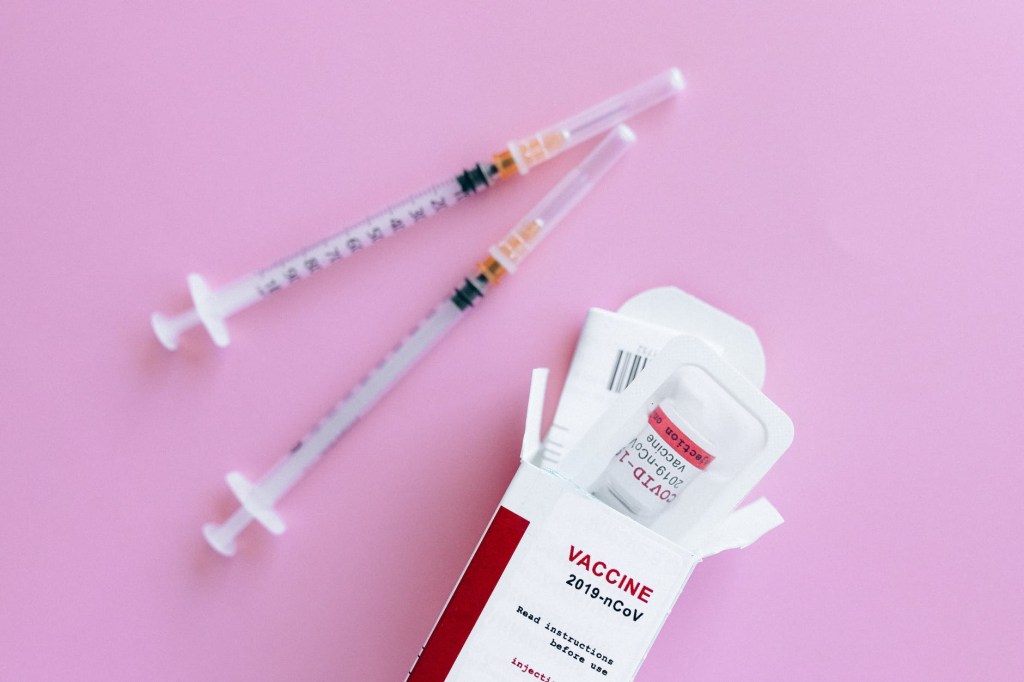

Where can I find official detailed information about the three COVID vaccines (Pfizer, Astra Zeneca and Moderna)

You might have read information about the COVID vaccines on various news outlets and social media messages.

If you want complete summary information about vaccines approved by the regulatory authorities, click on the links below.

Two types of information leaflets accompany all licensed medicines.
– One is meant for health professionals and has lot of clinical information. (called SPC)
– The other is meant for patients and public and provides a summary of facts using lay terms.(called PIL).

The leaflets provide information about all common side effects observed in the trials.

Oxford Astra Zeneca: Professionals Version .

Oxford Astra Zeneca: Patient Version

Pfizer. Professionals Version

Pfizer. Patient Version

Moderna. Professionals Version

Moderna. Patient Version

FDA USA: Pfizer-BioNTech COVID-19 vaccine prescribing informationexternal

FDA USA: Moderna COVID-19 vaccine prescribing informationexternal

The above links reproduced below with longer titles and date of publication.

Please note when new significant information comes to light, the company and regulatory authorities are likely to update the information leaflets.

Oxford Vaccine : Information for Healthcare Professionals on COVID-19 Vaccine AstraZeneca
Updated 7 January 2021.

Oxford Vaccine: MHRA. Information for UK recipients on COVID 19 Vaccine AstraZeneca
Updated 7 January 2021.

Pfizer Vaccine. MHRA. Information for Healthcare Professionals on Pfizer/BioNTech COVID-19 vaccine
Updated 31 December 2020

Pfizer Vaccine. MHRA. Information for UK recipients on Pfizer/BioNTech COVID-19 vaccine
Updated 31 December 2020

Moderna. MHRA. Information for Healthcare Professionals on COVID-19 Vaccine Moderna
Updated 8 January 2021.

Moderna. MHRA. Information for UK recipients on COVID-19 Vaccine Moderna
Updated 8 January 2021.

Disclaimer: Please note- This blog is NOT medical advice. This blog is purely for information only and do check the the sources where cited. Please DO consult your own doctor to discuss concerns and options relevant to you.

The views expressed in this blog represent the author’s views held at the time of drafting the blog and may change overtime, particularly when new evidence comes to light. The blog is not necessarily endorsed by any organisation the author is associated with and the authors views are not in way intended to be a substitute for professional advice.

A third Vaccine approved for protection against COVID-19 Coronavirus infection

Pfizer Vaccine and Astra Zeneca/Oxford Vaccine were approved last month by the UK regulatory authorities.

Now the regulatory authorities have approved a third vaccine. The third vaccine from Moderna along with two other vaccines should help to bring the pandemic to an end.

The Moderna vaccine is a new technology like the Pfizer Vaccine. (based on mRNA technology).

Like the two vaccines, the short term data for Moderna vaccine is very encouraging.

Over long term, one hopes that the protective effect of all the three vaccines is long lasting and that they remain effective against any new variants of coronavirus that might emerge in the coming months.

Overall, there is certainly ‘light at end of the tunnel’ and the world can emerge out of this horrific pandemic in a short period.

BBC. Moderna becomes third Covid vaccine approved in the UK
By Michelle Roberts
Health editor, BBC News online

BBC.Covid-19: Pfizer/BioNTech vaccine judged safe for use in UK
By Michelle Roberts
Health editor, BBC News online
Published2 December 2020

BBC. Covid-19: Oxford-AstraZeneca vaccine approved for use in UK
By James Gallagher and Nick Triggle
BBC News
Published30 December 2020

MHRA. Oxford University/AstraZeneca COVID-19 vaccine approved.

MHRA. Moderna vaccine becomes third COVID-19 vaccine approved by UK regulator.

MHRA. UK medicines regulator gives approval for first UK COVID-19 vaccine.

Disclaimer: Please note- This blog is NOT medical advice. This blog is purely for information only and do check the the sources where cited. Please DO consult your own doctor to discuss concerns and options relevant to you.

The views expressed in this blog represent the author’s views held at the time of drafting the blog and may change overtime, particularly when new evidence comes to light. The blog is not necessarily endorsed by any organisation the author is associated with and the authors views are not in way intended to be a substitute for professional advice.
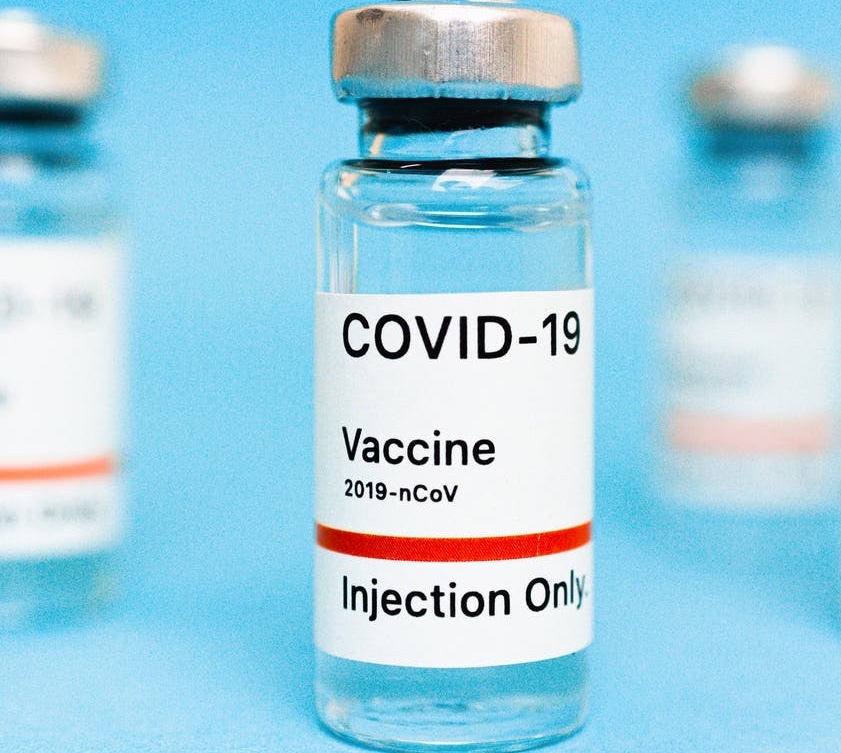
Are takeaway deliveries risky during Coronavirus pandemic?

Possibly yes, if food is not properly handled during preparation, packaging and delivery.

It is likely the risks from properly prepared food and food packaging itself are minimal. There is more risk from interaction with the delivery person.

If you are shielding or a very old person, there is a chance the food delivery person might pass on the infection to you. Stay at safe distance, use gloves and masks, and advice the delivery to be left at door for collection. Wipe Clean outside packaging and transfer contents to your own containers.

But for young adults the risk is likely to be very small.

Most importantly, it has to pointed out that everything in life has some risks. If you are not buying a takeaway, you might have to go shops or supermarkets to buy food for cooking and eating. There is a risk of catching cornovirus from other people while shopping !

There is a good article in BBC titled “ Coronavirus: How safe are takeaways and supermarket deliveries?

A previous blog post also gives information about survival of coronavirus in artificial surfaces

References: Can you catch Coronavirus infection from Soft drink cans, Sandwich wrapper and Amazon Parcels?

Coronavirus: How safe are takeaways and supermarket deliveries? By Victoria Gill
Science correspondent, BBC News

Disclaimer: Please note- This blog is NOT medical advice. This blog is purely for information only and do check the the sources where cited. Please DO consult your own doctor to discuss concerns and options relevant to you.

The views expressed in this blog represent the author’s views held at the time of drafting the blog and may change overtime, particularly when new evidence comes to light. The blog is not necessarily endorsed by any organisation the author is associated with and the authors views are not in way intended to be a substitute for professional advice.

New drug treatments for COVID-19

More good news in fight against COVID-19 pandemic !

Steroids were previously proven to be effective against severe Coronavirus (COVID-19) infection. The steroids are believed to work by dampening the inflammation caused by coronavirus.

Dexamethasone and Prednisolone are the commonly used steroids.

Now two other drugs have been reported to work in COVID-19 infection. (yet to be published).

Both the anti-inflammatory drugs are not entirely new drugs as they are already routinely used for treatment of various arthritis.

The BBC reports: “The anti-inflammatory medications, given via a drip, save an extra life for every 12 treated, say researchers who have carried out a trial in NHS intensive care units”.

The two drugs “tocilizumab and sarilumab” may become available for treatment of severe COVID-19 shortly.

All these additional drug treatments are needed ONLY for severe Coronavirus (COVID-19) infection. Mild COVID-19 infections do NOT need these drug treatments.

References . BBC news. Two more life-saving Covid drugs discovered. By Michelle Roberts. Health editor, BBC News online. Published 7 Jan 2021.

BBC news. Coronavirus: Dexamethasone proves first life-saving drug. By Michelle Roberts. Health editor, BBC News online. Published 16 June 2020

BBC News. Tocilizumab: Arthritis drug may treat severe Covid. By James Gallagher. Health and science correspondent. Published 19 November 2020

BMJ. Dexamethasone in management of covid -19. BMJ 2020; 370 doi: https://doi.org/10.1136/bmj.m2648 (Published 03 July 2020)
Cite this as: BMJ 2020;370:m2648

BMJ. Rapid Recommendations. A living WHO guideline on drugs for covid-19. BMJ 2020; 370 doi: https://doi.org/10.1136/bmj.m3379 (Published 04 September 2020). Cite this as: BMJ 2020;370:m3379

BMJ. Covid-19: Arthritis drugs improve survival in intensive care patients, shows study
BMJ 2021; 372 doi: https://doi.org/10.1136/bmj.n61 (Published 08 January 2021)
Cite this as: BMJ 2021;372:n61

eMC. Sarilumab is a human monoclonal antibody selective for the interleukin-6 (IL-6) receptor, produced in Chinese Hamster Ovary cells by recombinant DNA technology. (Sarilumab, administered as a subcutaneous injection is routinely used for treatment of arthritis and is not an entirely new drug).

eMC. Tocilizumab is a recombinant humanized, anti-human monoclonal antibody of the immunoglobulin G1 (IgG1) sub-class directed against soluble and membrane-bound interleukin 6 receptors. (Tocilizumab, as a intravenous or subcutaneous formulation, is routinely used for treatment of various arthritis and is also not an entirely new drug).

Disclaimer: Please note- This blog is NOT medical advice. This blog is purely for information only and do check the the sources where cited. Please DO consult your own doctor to discuss concerns and options relevant to you.

The views expressed in this blog represent the author’s views held at the time of drafting the blog and may change overtime, particularly when new evidence comes to light. The blog is not necessarily endorsed by any organisation the author is associated with and the authors views are not in way intended to be a substitute for professional advice.
Can you get Coronavirus infection even after getting the Vaccine ?

Yes, you can get the COVID-19 infection even after the vaccines.

This is because no vaccine is 100% effective. ( Eg Pfizer 95%, Oxford 70%)

The distressing story of a Nurse in Wales getting the infection after vaccination is an example.

There is also a theoretical chance that protective effect of vaccine is affected by new variants of Coronavirus.

But it is reassuring to learn that the Pfizer vaccine could be effective against UK and South Africa coronavirus strains (but the study is unpublished study and yet to be not peer reviewed ).

Be safe. Be aware !

References: BBC news. Covid: Nurse ‘angry’ over positive test despite vaccination. By Rachael Garside. BBC Wales News.

Covid-19: Pfizer/BioNTech vaccine judged safe for use in UK. By Michelle Roberts. Health editor, BBC News online. Published2 December 2020

Safety and Efficacy of the BNT162b2 mRNA Covid-19 Vaccine. List of authors.
Fernando P. Polack, M.D., Stephen J. Thomas, M.D., Nicholas Kitchin, M.D., Judith Absalon, M.D., et al., for the C4591001 Clinical Trial Group*
December 31, 2020
N Engl J Med 2020; 383:2603-2615
DOI: 10.1056/NEJMoa2034577

Safety and efficacy of the ChAdOx1 nCoV-19 vaccine (AZD1222) against SARS-CoV-2: an interim analysis of four randomised controlled trials in Brazil, South Africa, and the UK. Merryn Voysey, DPhil *Sue Ann Costa Clemens, PhD *Shabir A Madhi, PhD *Lily Y Weckx, PhD *Pedro M Folegatti, MD *Parvinder K Aley, PhD
et al.
Published:December 08, 2020DOI:https://doi.org/10.1016/S0140-6736(20)32661-1

CNN. Genetics experts worry coronavirus vaccines might not work quite as well against UK variant. By Elizabeth Cohen, CNN Senior Medical Correspondent. Updated 0328 GMT (1128 HKT) December 24, 2020

Telegraph: Coronavirus latest news: Pfizer vaccine could be effective against UK and South Africa strains, study says. Gareth Davies, breaking news editor. 8 JANUARY 2021 • 9:41AM (“Pfizer Inc and BioNTech’s Covid-19 vaccine appeared to work against a key mutation in the highly transmissible new variants of the coronavirus discovered in the UK and South Africa, according to a laboratory study conducted by the US drugmaker. The not-yet peer reviewed study by Pfizer and scientists from the University of Texas Medical Branch indicated the vaccine was effective in neutralizing virus with the so-called N501Y mutation of the spike protein.”)

Disclaimer: Please note- This blog is NOT medical advice. This blog is purely for information only and do check the the sources where cited. Please DO consult your own doctor to discuss concerns and options relevant to you.

The views expressed in this blog represent the author’s views held at the time of drafting the blog and may change overtime, particularly when new evidence comes to light. The blog is not necessarily endorsed by any organisation the author is associated with and the authors views are not in way intended to be a substitute for professional advice.

What is evidence for delaying the 2nd dose of COVID-19 ?

The UK has made a pragmatic decision based on limited available evidence to delay the second dose so that more people can get the vaccine.

While there is some evidence for the Oxford vaccine, there is scant public evidence in support of delaying the Pfizer vaccine.

A BMJ news article provides an excellent summary of the current evidence.

Only time will whether there are any major risks to this approach.

Reference: Covid-19 vaccination: What’s the evidence for extending the dosing interval? BMJ 2021; 372 doi: https://doi.org/10.1136/bmj.n18 (Published 06 January 2021). Cite this as: BMJ 2021;372:n18

Covid-19: Order to reschedule and delay second vaccine dose is “totally unfair,” says BMA
BMJ 2020; 371 doi: https://doi.org/10.1136/bmj.m4978 (Published 31 December 2020)
Cite this as: BMJ 2020;371:m4978

NHS. Letter to chief executives of all NHS trusts and foundation trusts. 30 Dec 2020. https://www.england.nhs.uk/coronavirus/wp-content/uploads/sites/52/2020/12/C0994-System-letter-COVID-19-vaccination-deployment-planning-30-December-2020.pdf.

NHS. Coronavirus (COVID-19) vaccine. When the 2nd dose will be given.

Daily Mail. Pfizer warns there is NO proof its Covid jab works when doses are taken 12 weeks apart as UK regulator scraps 21-day rule in desperate attempt to get millions more vaccinated. By Connor Boyd Assistant Health Editor For Mailonline
14:52, 30 Dec 2020 , updated 16:58, 30 Dec 2020

Statement from the UK Chief Medical Officers on the prioritisation of first doses of COVID-19 vaccines. Joint clinical advice from the 4 UK Chief Medical Officers on the prioritisation of first doses of the coronavirus (COVID-19) vaccines. Published 30 December 2020.

Priority groups for coronavirus (COVID-19) vaccination: advice from the JCVI, 30 December 2020. Advice from the Joint Committee on Vaccination and Immunisation (JCVI) on the groups that should be prioritised for vaccination.

Disclaimer: Please note- This blog is NOT medical advice. This blog is purely for information only and do check the the sources where cited. Please DO consult your own doctor to discuss concerns and options relevant to you.

The views expressed in this blog represent the author’s views held at the time of drafting the blog and may change overtime, particularly when new evidence comes to light. The blog is not necessarily endorsed by any organisation the author is associated with and the authors views are not in way intended to be a substitute for professional advice.

Why do some people falsely believe COVID-19 is a hoax ?

It is quite difficult to give a single reason why some people believe COVID-19 is a hoax.

Since the coronavirus pandemic started, there has been so much anxiety, stress and severe disruption to the everyday life.

Most people like certainty with everyday life. Most people do not wake up and think that there is very very tiny chance I might die today (even though that’s true).

Thinking about bad things all the time can make you feel very stressed and exhausted . In a way, it is healthy NOT to focus on all the bad things that can happen everyday.

The daily bad news about Coronavirus pandemic can be very upsetting to some people, particularly if you cannot mentally switch off.

So some people mentally cope by believing the COVID-19 is fake news. Believing COVID-19 is a hoax helps some people to get on with their lives without being very fearful and worried everyday. It is a coping mechanism.

Unfortunately social media doesn’t help and lot of fake news sites tell people that it is no worse than a simple flu. (which is not true, COVID-19 is certainly much worse than simple flu).

It is true that only about 1% of people with COVID-19 die due to the disease. But if ten million people get infected in a country that means an extra 100,000 deaths. If the whole population of UK were to get the infection, theoretically it could mean at least an extra 500,000 deaths.

COVID-19 is particularly bad for old people . The risk of death is <1 per 10 000 for someone aged less than 30 but the risk is much higher for older age groups. For example, in men aged 80 or older, the risk of dying from COVID-19 is just over 1 in 10.

Be safe. Be aware.

Do trust the NHS website rather than a “friend of a friend” on social media.

References:

Guardian Newspaper. Doctors are our frontline against Covid. Now they lead the fight against its deniers, too
Gaby Hinsliff. Mon 4 Jan 2021 14.36 GMT

Newspaper headlines: ‘Lockdown 3′ and ‘race to vaccinate vulnerable’
By BBC News. 5 Jan 2021.

“Normal” risk and dangers of covid-19
Awareness of normal risk is not normal
BMJ 2020; 371 doi: https://doi.org/10.1136/bmj.m4121 (Published 29 October 2020)
Cite this as: BMJ 2020;371:m4121 https://www.bmj.com/content/bmj/371/bmj.m4121.full.pdf

Spiegelhalter D. Use of “normal” risk to improve understanding of dangers of covid-19. BMJ2020;370:m3259. doi:10.1136/bmj.m3259. pmid:32907857

Comparative evaluation of clinical manifestations and risk of death in patients admitted to hospital with covid-19 and seasonal influenza: cohort study. BMJ 2020; 371 doi: https://doi.org/10.1136/bmj.m4677 (Published 15 December 2020)
Cite this as: BMJ 2020;371:m4677

Infection fatality risk for SARS-CoV-2 in community dwelling population of Spain: nationwide seroepidemiological study
BMJ 2020; 371 doi: https://doi.org/10.1136/bmj.m4509 (Published 27 November 2020)
Cite this as: BMJ 2020;371:m4509. https://www.bmj.com/content/371/bmj.m4509

Office for National statistics. Population estimates for the UK, England and Wales, Scotland and Northern Ireland: mid-2019.

NHS Coronavirus (COVID-19). Get the latest NHS information and advice about coronavirus (COVID-19).

Disclaimer: Please note- This blog is NOT medical advice. This blog is purely for information only and do check the the sources where cited. Please DO consult your own doctor to discuss concerns and options relevant to you.

The views expressed in this blog represent the author’s views held at the time of drafting the blog and may change overtime, particularly when new evidence comes to light. The blog is not necessarily endorsed by any organisation the author is associated with and the authors views are not in way intended to be a substitute for professional advice.

Will the existing COVID vaccines work against the new Coronavirus variant spreading in England ?

A new variant of Corona virus is spreading fast in England.

Some Hospitals in England are reportedly being swamped with COVID patients.

The whole world is placing their bets on vaccines to defeat the Coronavirus and emerge out of this dreadful pandemic.

Studies are ongoing about the effectiveness of vaccines against this new variant coronavirus. There is a risk that changes seen in the variant virus (mutations) might make it evade the vaccine shield.

So far, there has been no conclusive evidence that the variant virus will definitely escape the vaccines. Even if they do, the good news is that current vaccines can be adapted to deal with the changes in the virus.

Reference

(1) BBC News. New coronavirus variant: What do we know?. By James Gallagher
Health and science correspondent. Published 20 December 2020.

(2) BBC News. Newspaper headlines: ‘Vacc to the future’ and village hall jabs.

(3) Preliminary genomic characterisation of an emergent SARS-CoV-2 lineage in the UK defined by a novel set of spike mutations.

(4) Neutralising antibodies drive Spike mediated SARS-CoV-2 evasion.

(5). Covid-19: New coronavirus variant is identified in UK. BMJ 2020; 371 doi: https://doi.org/10.1136/bmj.m4857 (Published 16 December 2020)
Cite this as: BMJ 2020;371:m4857

Disclaimer: Please note- This blog is NOT medical advice. This blog is purely for information only and do check the the sources where cited. Please DO consult your own doctor to discuss concerns and options relevant to you.

The views expressed in this blog represent the author’s views held at the time of drafting the blog and may change overtime, particularly when new evidence comes to light. The blog is not necessarily endorsed by any organisation the author is associated with and views are not substitute for professional advice.
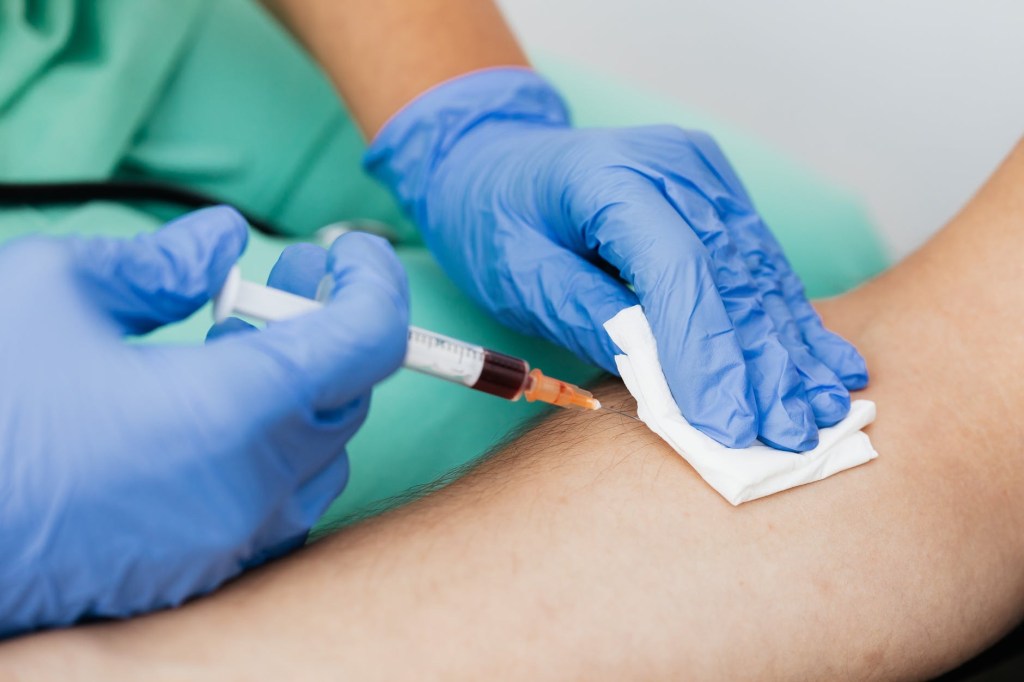
Is the COVID-19 Coronavirus Vaccine mandatory for everyone?

NO, it is not mandatory. The Government is NOT making it compulsory for everyone to have the vaccination. You have to give voluntary consent for Vaccination.

No one is being forced to have the COVID-19 vaccines.

In fact, there is a huge queue of people waiting to have the vaccine. The NHS capacity is limited at present and the NHS is trying the best to give vaccination to those people who are very keen to have it.

So, if you don’t want to have it, no one will force you to have it.

Once the waiting list for vaccination is cleared in early 2021, there might be some changes . If clinical trials show that vaccinated people do not carry virus and pass it to others, then the Government might change its guidelines.

For instance, health professionals working with sick and vulnerable people might be asked to have the vaccine so that they don’t pass the virus to vulnerable people under their care.

But it’s very unlikely vaccination would be made mandatory for General Public.

References

(1). Guidance. COVID-19: the green book, chapter 14a. Coronavirus (COVID-19) vaccination information for public health professionals.

(2). Guidance. COVID-19 vaccination: guide for healthcare workers. Updated 15 December 2020

(3) Form. COVID-19 vaccination: consent form and letter for adults

(4). Coronavirus (COVID-19) vaccination consent forms.

(5). Guardian Newspaper. NHS doctors ‘scrabbling’ to get vaccine amid alarm at Covid variant. Many medics ‘frustrated’ about low priority given to frontline staff at high risk of infection. Denis Campbell Health policy editor
Sun 27 Dec 2020 20.46 GMT

(6). PHE. Guidance. Why you have to wait for your COVID-19 vaccine. Published 7 December 2020

(7). Guardian. Coronavirus. Spain will register people who refuse Covid vaccine, says health minister. Ashifa Kassam in Madrid. Tue 29 Dec 2020 14.33 GMT

Disclaimer: Please note- This blog is NOT medical advice. This blog is purely for information only and do check the the sources where cited. Please DO consult your own doctor to discuss concerns and options relevant to you.

The views expressed in this blog represent the author’s views held at the time of drafting the blog and may change overtime, particularly when new evidence comes to light. The blog is not necessarily endorsed by any organisation the author is associated with and views are not substitute for professional advice.
Is the COVID-19 Coronavirus vaccine safe for use in patients having chemotherapy and immunotherapy?

Yes, the available indirect evidence indicates that the anticipated benefits overweigh the potential risks.

Cancer patients, particularly those on chemotherapy have compromised immune systems and hence more vulnerable to COVID-19 Coronavirus complications.

The guidelines indicate that anticipated benefits of vaccine are greater than unknown risks from the Coronavirus vaccines.

The Vaccine trials deliberately included lot of healthy people. Very few people with cancer, particularly cancer patients on active treatment, were included in the COVID-19 trials. So there is not much direct evidence regarding efficacy and safety of Vaccines in cancer patients. But indirect evidence significantly favours Coronavirus vaccination in cancer patients.

Flu vaccines are regularly used in cancer patients without any major side effects specific to cancer patients. No increase in incidence or severity of drug side effects were seen in immunotherapy patients having flu vaccines.

On balance, Vaccination is most likely to be of utmost benefit for most advanced cancer patients on active treatment.

References:

ESMO STATEMENTS FOR VACCINATION AGAINST COVID-19 IN PATIENTS WITH CANCER.

Guidance: COVID-19: the green book, chapter 14a
Coronavirus (COVID-19) vaccination information
for public health professionals. (UK),

Cochrane: Influenza (flu) vaccination for preventing influenza in adults with cancer

Safety of Inactivated Influenza Vaccine in Cancer Patients Receiving Immune Checkpoint Inhibitors
Curtis R Chong et al. Clin Infect Dis. 2020.

ESMO: CANCER PATIENT MANAGEMENT DURING THE COVID-19 PANDEMIC.

Kuderer NM Choueiri TK Shah DP et al.
Clinical impact of COVID-19 on patients with cancer (CCC19): a cohort study. Lancet. 2020; 395: 1907-1918

Disclaimer: Please note- This blog is NOT medical advice. This blog is purely for information only and do check the the sources where cited. Please consult your own doctor to discuss concerns and options relevant to you.
The views expressed in this blog represent the author’s views held at the time of drafting the blog and is likely to change overtime, particularly when new evidence comes to light. The blog is not necessarily endorsed by any organisation the author is associated with and views are not substitute for professional advice.
Is this the beginning of the end for COVID-19 ?

The superstitious might say “don’t jinx it by calling the end early”……..

So the answer is “may be”.

The good news from two Vaccine trials indicates that this might be “beginning of the end” for COVID-19.

Two recent press reports give rise to lot of optimism to the population that is getting weary with the lockdown. It is good to have a ray of hope among all the doom and gloom.

The covid-19 vaccine (mRNA-1273) from US biotech company Moderna was found to be 94.5% effective.

Another mRNA vaccine developed by Pfizer and BioNTech was reported to be 90% effective.

Now the caveats…. these are interim trial results and the trial results have not been subject to scrutiny by the wider scientific community as the full results are yet to be published.

Clinical Trials usually recruit motivated people without too many other medical problems. So one has to hope that these interim trial results can be replicated in the wider elderly population with lot of medical problems.

Update: Now a third Vaccine, the “Oxford Vaccine” has been found to be 90% effective when given as “a half and then full” schedule.

Update: summary so far at BMJ website.

Let’s hope that all the vaccines are very safe and highly effective when used in the real world population.

References: (1). Covid-19: Vaccine candidate may be more than 90% effective, interim results indicate. BMJ 2020; 371 doi: https://doi.org/10.1136/bmj.m4347 (Published 09 November 2020). Cite this as: BMJ 2020;371:m4347.

(2). Covid-19: Moderna vaccine is nearly 95% effective, trial involving high risk and elderly people shows. BMJ 2020; 371 doi: https://doi.org/10.1136/bmj.m4471 (Published 17 November 2020). Cite this as: BMJ 2020;371:m4471

(3). Covid-19: Oxford vaccine is up to 90% effective, interim analysis indicates
BMJ 2020; 371 doi: https://doi.org/10.1136/bmj.m4564 (Published 23 November 2020)
Cite this as: BMJ 2020;371:m4564

Covid-19: What do we know about the late stage vaccine candidates?. BMJ 2020; 371 doi: https://doi.org/10.1136/bmj.m4576 (Published 24 November 2020)
Cite this as: BMJ 2020;371:m4576

Disclaimer: Please note- This blog is NOT medical advice. This blog is purely for information only and do check the the sources where cited. Please consult your own doctor to discuss concerns and options relevant to you. The views expressed in this blog represent the author’s views held at the time of drafting the blog and is likely to change overtime, particularly when new evidence comes to light. The blog is not necessarily endorsed by any organisation the author is associated with and views are not substitute for professional advice.

Coronavirus re-infection and immunity

Many Viral infections give some sort of immunity to the person infected. For example, if a child has chicken pox, then the child develops immunity to further chicken pox. This immunity can even be life long for many children.

But some viral infections don’t result in significant immunity to further infection. For example, Flu and Common Cold viruses infections do not result in effective long immunity. That’s why flu vaccines are given yearly to vulnerable people.

It was hoped that a Coronavirus infection could result in at least some sort of long immunity to further infections.

A recent report of man who developed Coronavirus/ COVID-19 for the second time is worrying. If this is a widespread phenomenon and not an isolated case, then it has significant implications for the current pandemic.

Herd immunity, whereby many people are immune to further Coronavirus infection either through previous infection or Vaccination, was suggested as the way of ending the current pandemic.

This report, if confirmed to be true across significant sections of population, would indicate a much more longer duration of COVID-19 pandemic.

References:

1. BBC news: Covid reinfection: Man gets Covid twice and second hit ‘more severe’
By James Gallagher
Health and science correspondent

2. Lancet Infectious diseases. Genomic evidence for reinfection with SARS-CoV-2: a case study. Richard L Tillett, PhD, Joel R Sevinsky, PhD, Paul D Hartley, PhD, Heather Kerwin, MPH, Natalie Crawford, MD, Andrew Gorzalski, PhD, et al.
Published:October 12, 2020. DOI: https://doi.org/10.1016/S1473-3099(20)30764-7

3. Lancet Infectious diseases. What reinfections mean for COVID-19. Akiko Iwasaki
Published:October 12, 2020. DOI:https://doi.org/10.1016/S1473-3099(20)30783-0Edridge AWD

4. Edridge AWD, Kaczorowska et al.Seasonal coronavirus protective immunity is short-lasting.Nat Med. 2020; (published online Sept 14.)https://doi.org/10.1038/s41591-020-1083-1View in Article

5. Tillett RL et al. Genomic evidence for reinfection with SARS-CoV-2: a case study.Lancet Infect Dis. 2020; (published online Oct 12.)https://doi.org/10.1016/S1473-3099(20)30764-7View in Article

6. To KK-W et al. COVID-19 re-infection by a phylogenetically distinct SARS-coronavirus-2 strain confirmed by whole genome sequencing.Clin Infect Dis. 2020; (published online Aug 25.)https://doi.org/10.1093/cid/ciaa1275View in Article

7. Van Elslande J et al.Symptomatic SARS-CoV-2 reinfection by a phylogenetically distinct strain.Clin Infect Dis. 2020; (published online Sept 5.)https://doi.org/10.1093/cid/ciaa1330View in Article

8. Prado-Vivar B et al.COVID-19 re-infection by a phylogenetically distinct SARS-CoV-2 variant, first confirmed event in South America.SSRN. 2020; (published online Sept 8.) (preprint)https://doi.org/10.2139/ssrn.3686174View in Article

9. Dearlove B et al. A SARS-CoV-2 vaccine candidate would likely match all currently circulating variants.Proc Natl Acad Sci USA. 2020; 117: 23652-23662View in Article

Disclaimer: Please note- This blog is NOT medical advice. This blog is purely for information only and do check the the sources where cited. Please consult your own doctor to discuss concerns and options relevant to you.

The views expressed in this blog represent the author’s views held at the time of drafting the blog and is likely to change overtime, particularly when new evidence comes to light. The blog is not necessarily endorsed by any organisation the author is associated with and views are not substitute for professional advice.

Risk of Death from COVID-19: does ethnicity matter?

Yes, people from different ethnicities are affected in different ways by Coronavirus.

People of white ethnicity seems to be at lower risk.

People of black ethnicity seem to have higher risk of severe disease but seem to survive better than South Asians in UK.

South Asians who are hospitalised in UK due to severe disease seem to have the highest risk of death.

More work needs to be done to identify underlying the biological factors responsible for the increased risk of death in South Asians in UK.

BBC News. Covid: South Asian hospital patients ‘at greater risk of dying’

Disclaimer: Please note- This blog is NOT medical advice. This blog is purely for information only and do check the the sources where cited. Please consult your own doctor to discuss concerns and options relevant to you.


The views expressed in this blog represent the author’s views held at the time of drafting the blog and is likely to change overtime, particularly when new evidence comes to light. The blog is not necessarily endorsed by any organisation the author is associated with and views are not substitute for professional advice.
Coronavirus : Why Hand hygiene is also important in addition to Face mask ?

The UK government’s slogan for controlling COVID-19 pandemic is “ ‘Hands. Face. Space

The reason hands are emphasised is because the Virus can stay alive on Human skin for many hours. So touching others by hugging or hand shaking can spread the virus.

A recent Japanese study found that Coronavirus can stay alive on skin surfaces for about 9 hours. They also found that alcohol gel can inactivate the virus in about 15 seconds !

References:

1. Survival of SARS-CoV-2 and influenza virus on the human skin: Importance of hand hygiene in COVID-19 Ryohei Hirose, Hiroshi Ikegaya, Yuji Naito, Naoto Watanabe, Takuma Yoshida, Risa Bandou, Tomo Daidoji, Yoshito Itoh, Takaaki NakayaClinical Infectious Diseases, ciaa1517, https://doi.org/10.1093/cid/ciaa1517 Published: 03 October 2020

2. Guardian: Coronavirus outbreakHands. Face. Space’: UK government to relaunch Covid-19 slogan.

3. Fox News: The coronavirus can survive on skin for this many hours, study suggests
Researchers found that SARS-CoV-2 outlived the influenza A virus on human skin
. Madeline Farber By Madeline Farber | Fox News

Disclaimer: Please note- This blog is NOT medical advice. This blog is purely for information only and do check the the sources where cited. Please consult your own doctor to discuss concerns and options relevant to you.
The views expressed in this blog represent the author’s views held at the time of drafting the blog and is likely to change overtime, particularly when new evidence comes to light. The blog is not necessarily endorsed by any organisation the author is associated with and views are not substitute for professional advice.

Which is better for COVID-19 protection : face masks or face shields.

Various type of masks are used by public for protection against COVID-19.

Some wear cloth masks. Some use medical disposable masks. Some wear face shields particularly those working in shops.

Are they all the same?.

No

Recent evidence indicates that standard light-blue disposable surgical masks are the most effective at containing the Cornovirus.

Face shields were found to be failing when compared with standard ( triple layer) medical grade masks.

References

1. Face shields ineffective at trapping aerosols, says Japanese supercomputer. Guardian Newspaper. Justin McCurry in Tokyo. Tue 22 Sep 2020 07.19 BST. https://www.theguardian.com/world/2020/sep/22/face-shields-ineffective-trapping-aerosols-japanese-supercomputer-coronavirus

2. Do cloth masks work? Supercomputer Fugaku says yes.World’s fastest computer calculates that nonwoven fabric is best. YUKI MISUMI, Nikkei staff writer. August 25, 2020 00:34 JST. https://asia.nikkei.com/Business/Technology/Do-cloth-masks-work-Supercomputer-Fugaku-says-yes

3. Visualizing droplet dispersal for face shields and masks with exhalation valves. Physics of Fluids 32, 091701 (2020); https://doi.org/10.1063/5.0022968

4. Visualizing the effectiveness of face masks in obstructing respiratory jets. Siddhartha Verma, Manhar Dhanak, and John Frankenfield. https://aip.scitation.org/doi/10.1063/5.0022968
Phys Fluids (1994). 2020.

Disclaimer: Please note- This blog is NOT medical advice. This blog is purely for information only and do check the the sources where cited. Please consult your own doctor to discuss concerns and options relevant to you.

The views expressed in this blog represent the author’s views held at the time of drafting the blog and is likely to change overtime, particularly when new evidence comes to light. The blog is not necessarily endorsed by any organisation the author is associated with and views are not substitute for professional advice.

Cancer and COVID-19

Cancer patients, as expected, did badly during the 1st wave of the COVID-19 pandemic

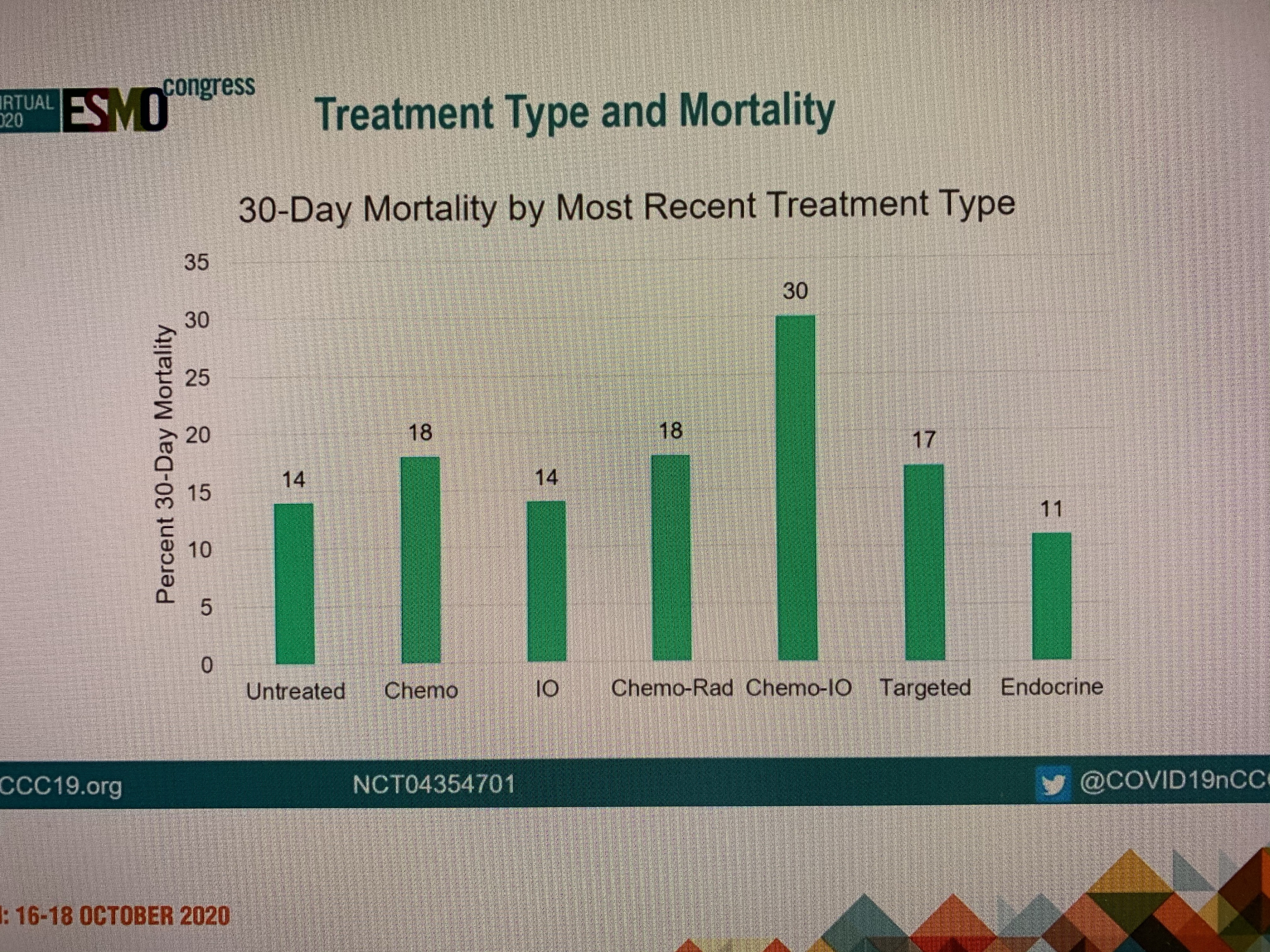
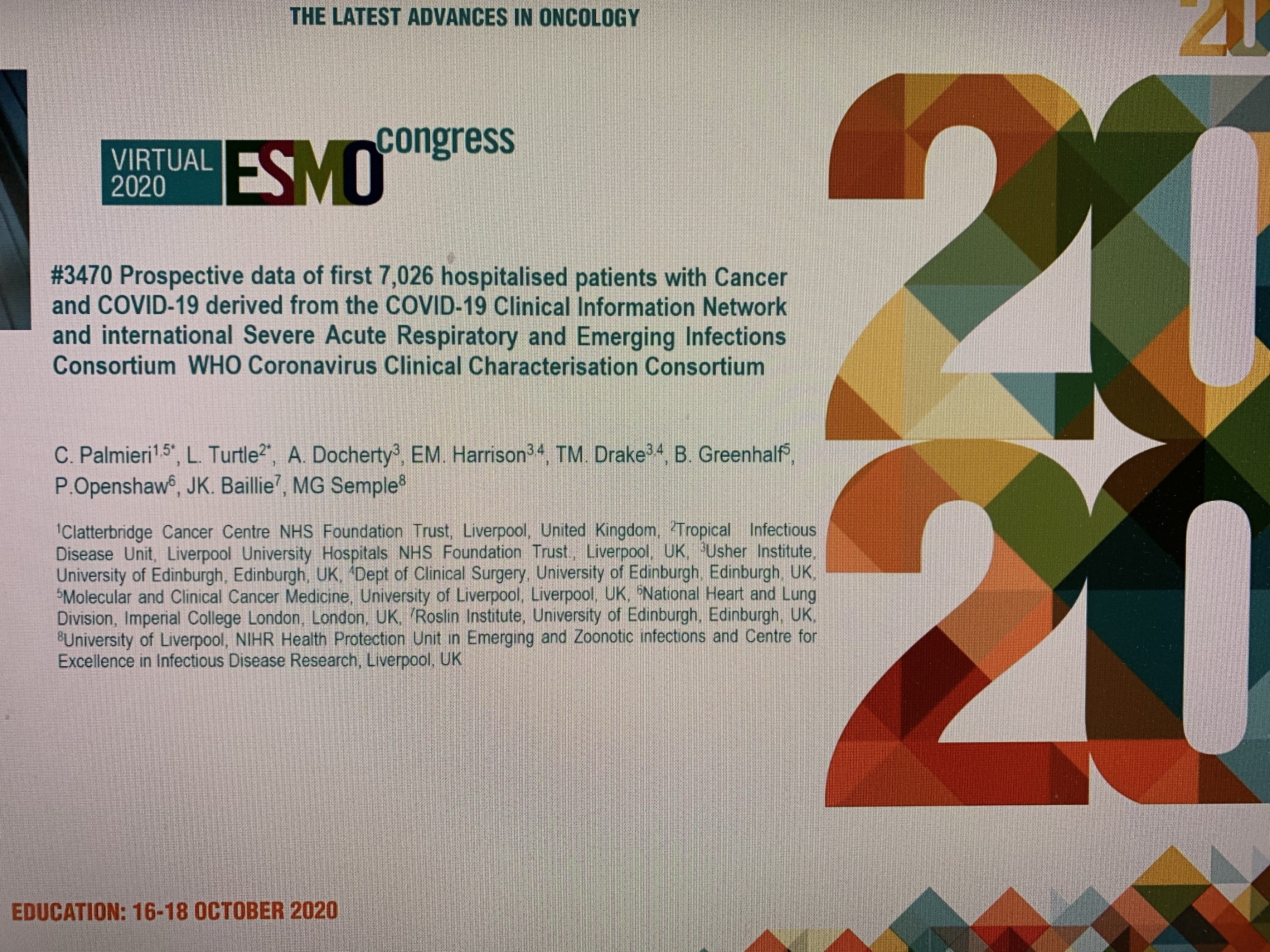
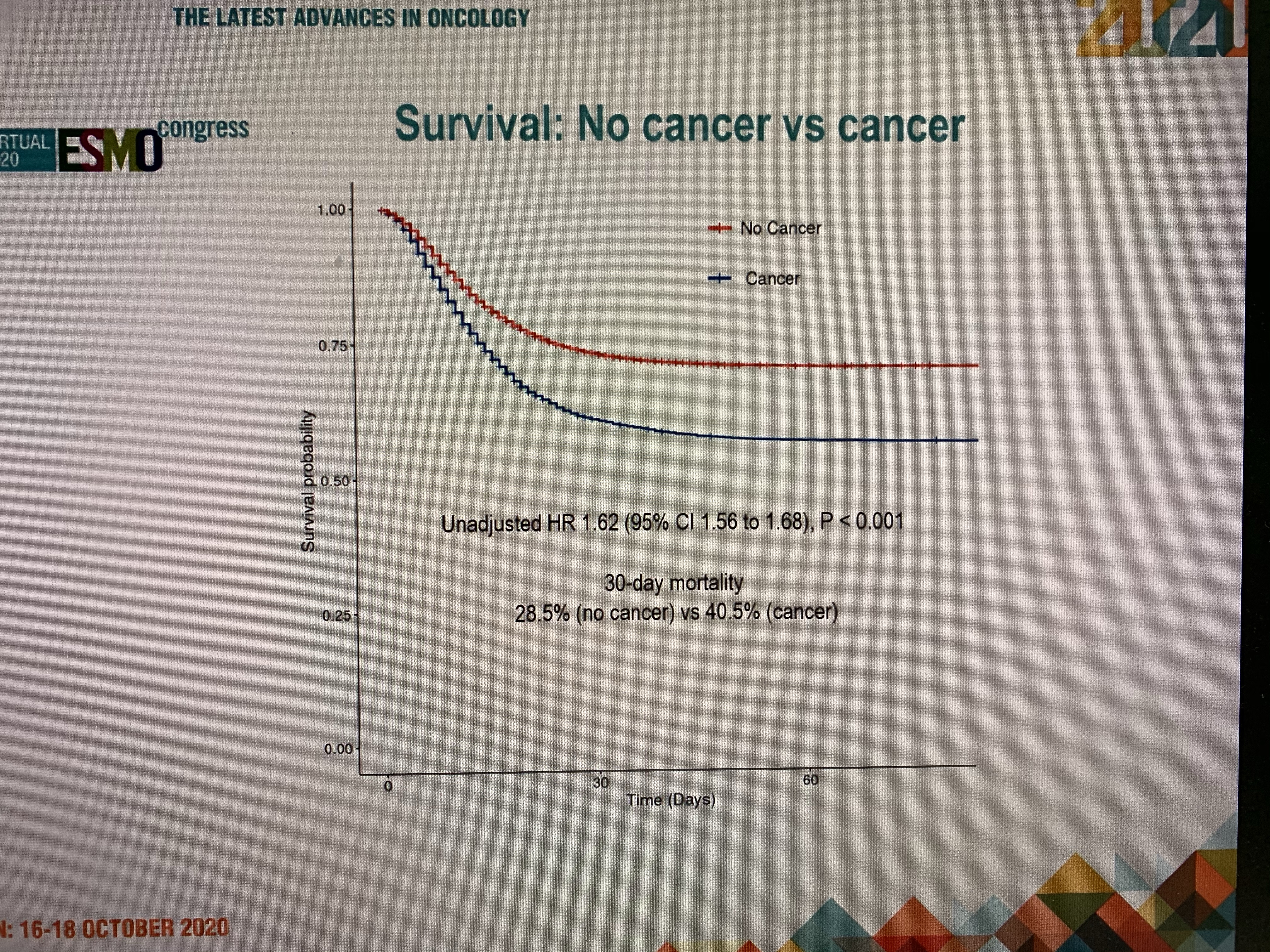
Data presented at ESMO ( European Society of Medical Oncology) shows that Cancers had – higher rates of Hospitalisation, higher risk of Complications and increased risk of Death.

Elderly cancer patients on the whole did very badly but surprisingly cancer patients under age of 50 did far worse than their peers without cancer.

Disclaimer: Please note- This blog is NOT medical advice. This blog is purely for information only and do check the the sources where cited. Please consult your own doctor to discuss concerns and options relevant to you.

The views expressed in this blog represent the author’s views held at the time of drafting the blog and is likely to change overtime, particularly when new evidence comes to light. The blog is not necessarily endorsed by any organisation the author is associated with and views are not substitute for professional advice.

COVID-19 risk assessment of NHS members : is it an opportunity missed?

The National Health Service had recently embarked on a Risk assessment exercise of its staff to assess the Vulnerability of individual members to Coronavirus infection ( COVID-19).

The exercise is being done with good intentions. Given the unprecedented situation of the pandemic and lack of concrete data , the exercise seemed to have steered away from firm “one size fits all” type of recommendations.

Given the uncertainties with the currently available data on various forms of protection ( from simple surgical masks to shielding) , the exercise could have been a starting point for an nationwide intervention study .

An opportunity seems to have been missed and if there is a second wave, NHS might regret not learning from the first wave.

Please do add your opinion at the rapid response section of the BMJ.

References

1. Covid-19 risk assessment in BAME staff

Covid-19 risk assessment: a futile metaphorical strip search

BMJ 2020; 370 doi: https://doi.org/10.1136/bmj.m3251 (Published 26 August 2020)

Cite this as: BMJ 2020;370:m3251

2. Physical distancing interventions and incidence of coronavirus disease 2019: natural experiment in 149 countries

BMJ 2020; 370 doi: https://doi.org/10.1136/bmj.m2743 (Published 15 July 2020)

Cite this as: BMJ 2020;370:m2743

3. Complete protection from covid-19 is possible for health workers

BMJ 2020; 370 doi: https://doi.org/10.1136/bmj.m2641 (Published 07 July 2020)

Cite this as: BMJ 2020;370:m2641

4. Two metres or one: what is the evidence for physical distancing in covid-19?

BMJ 2020; 370 doi: https://doi.org/10.1136/bmj.m3223 (Published 25 August 2020)

Cite this as: BMJ 2020;370:m3223

If you survive the Coronavirus, Can you get Coronavirus infection again ?

Yes, you can get infection again.

Last month, we had studies reporting that the immunity to Coronavirus fades quickly after recovering from an infection. The scientists have warned that re-infection is a risk.

Now, we have a case in Hong Kong where a patient seem to have been unlucky to get the infection again. It is a worrying report and suggests that coronavirus is going to be with us for a long time.

The only reassuring fact is that patient was free of symptoms during second infection. One has to hope that all re-infections are mild !

References

1. Sundar.blog. CAN YOU GET CORONAVIRUS INFECTION MORE THAN ONCE?

2. BBC. Hong Kong reports ‘first case’ of virus reinfection.

3. Clinical Infectious Diseases : report on twitter.

Disclaimer: Please note- This blog is NOT medical advice. This blog is purely for information only and do check the the sources where cited. Please consult your own doctor to discuss concerns and options relevant to you.

The views expressed in this blog represent the author’s views held at the time of publication and is likely to change overtime, particularly when new evidence comes to light. The blog is not necessarily endorsed by any organisation the author is associated with and views are not substitute for professional advice.
Can you catch Coronavirus infection from Soft drink cans, Sandwich wrapper and Amazon Parcels?

Yes. Possible but chances are very small according to reports.

If someone sneezed or coughed near a parcel or food package and you touch it within a few hours, it is possible to get Coronavirus infection from parcels and packages.

But, in practice, most parcels and food packaging seem safe and no conclusive real world evidence has been published so far to indicate that packages spread infection widely.

In experimental conditions, Coronavirus has been shown to survive for upto 72 hours. The virus is “more stable on plastic and stainless steel than on copper and cardboard”.

In laboratory conditions “On copper, no viable SARS-CoV-2 virus was measured after 4 hours . On cardboard, no viable SARS-CoV-2 virus was measured after 24 hours”.

In the artificial conditions of the lab “The longest viability of viruses was on stainless steel and plastic; the estimated median half-life of SARS-CoV-2 virus was approximately 5.6 hours on stainless steel and 6.8 hours on plastic”.

Solution: If you are worried , and if possible, you can try leaving parcels for 24hrs before touching them with bare hands. Alternatively, try wearing disposable gloves to remove packaging.

References

1.NEJM. Aerosol and Surface Stability of SARS-CoV-2 as Compared with SARS-CoV-1. April 16, 2020. N Engl J Med 2020; 382:1564-1567. DOI: 10.1056/NEJMc2004973

2. BBC. Coronavirus: What are the risks of catching it from food packaging?

3. CDC. How It Spreads.

Can you get Coronavirus infection more than once?

If you are one of the unlucky ones to have already been infected with Coronavirus infection but recovered from it, can you become unlucky again and get another Coronavirus infection later this year ?

Unfortunately, the answer is a YES.

Some Viral infections can sometimes lead to life long immunity. For example, most people who had chicken pox as a child tend to have lifelong immunity and it would be uncommon to get chicken pox again. (except in some circumstances).

But infection with ‘Coronavirus causing COVID-19’ doesn’t seem led to long lasting immunity or resistance to a second Coronavirus infection.

A Newspaper report on a study by a team from King’s College London suggests that susceptibility to a second infection may occur as short as 3 months in some patients. This because the level of antibodies produced by the immune system after first infection start to fade away within a few months in some patients.

If confirmed, this is probably one of the most worrying news during this pandemic.

This study result could also affect Vaccine development and how frequently it may need to be administered.

References

Guardian Newspaper: Coronavirus outbreak. Immunity to Covid-19 could be lost in months, UK study suggests. Ian Sample. Science editor. @iansample. Sun 12 Jul 2020 17.31 BST

Disclaimer: Please note- This blog is NOT medical advice. This blog is purely for information only and do check the the sources where cited. Please consult your own doctor to discuss concerns and options relevant to you.

The views expressed in this blog represent the author’s views held at the time of publication and is likely to change overtime, particularly when new evidence comes to light. The blog is not necessarily endorsed by any organisation the author is associated with and views are not substitute for professional advice.

Can Coronavirus linger in air, and cause COVID-19 by spreading through air ?

Normally many flu-like viruses spread by direct or close contact.

Because Virus containing droplets are heavier than air, scientifically it is thought that when someone coughs or sneezes, virus particles quickly fall to ground or surrounding objects.(“like a brick or stone falling to ground“).

But a group of scientists and WHO have raised the possibility that coronavirus can stay in air for longer periods, float around and cause more infections. (“float like a balloon“). This is called air-borne transmission.

What does it mean?

If confirmed– this means “closed spaces” are high risk even if you maintain 2 metre distance from an infected person. AVOID CLOSED SPACES.

As many people in UK do not wear masks in public places, there is a high chance of second wave of infections in the coming weeks as lock down is eased. WEAR A MASK.

It also means avoiding non-essential visitors to hospitals so that visitors cannot catch the infection or pass the infection to vulnerable patients. AVOID NON-ESSENTIAL VISITORS AT HOSPITALS.

If air borne transmission is confirmed, it is also bad news for the coming winter.

If Coronavirus is still in community and not eliminated by winter, air-borne transmission is likely to result in further wave of infections.

This is because Winter means more closed spaces and more chance of infection !!!!!!

STAY SAFE

References

1. Daily Mail Newspaper. Group of 239 scientists demand that WHO admit coronavirus is AIRBORNE -meaning the public should wear masks indoors and AC units should be fitted with filters .By Ariel Zilber For Dailymail.com and Reuters and Associated Press. 17:44, 05 Jul 2020 , updated 08:14, 06 Jul 2020

2. Guardian Newspaper. WHO underplaying risk of airborne spread of Covid-19, say scientists. Open letter says there is emerging evidence of potential for aerosol transmission. Hannah Devlin. Science correspondent. @hannahdev

3. Guardian Newspaper. Coronavirus outbreak Global report: WHO says ‘evidence emerging’ of airborne coronavirus spread. Martin Farrer and agencies.

4. BBC News. Coronavirus: WHO rethinking how Covid-19 spreads in air.

5. It is Time to Address Airborne Transmission of COVID-19. Lidia Morawska, Donald K Milton. Clinical Infectious Diseases, ciaa939, https://doi.org/10.1093/cid/ciaa939. Published: 06 July 2020

Disclaimer: Please note- This blog is NOT medical advice. This blog is purely for information only and do check the the sources where cited. Please consult your own doctor to discuss concerns and options relevant to you.

The views expressed in this blog represent the author’s views held at the time of publication and is likely to change overtime, particularly when new evidence comes to light. The blog is not necessarily endorsed by any organisation the author is associated with and views are not substitute for professional advice.
Can Vitamin K help fight Coronavirus?

Possible but like every other observational study, take it with pinch of salt.

Further evidence from well conducted trials are needed before it can be recommended as a COVID treatment.

In mean time, it’s better to stick to natural sources of vitamin such as those mentioned in the newspaper article ( spinach, broccoli, green vegetables, blueberries, all types of fruit and vegetables).

Guardian Newspaper: Vitamin K could help fight coronavirus, study suggests

Scientists in Netherlands explore possible link between deficiency and Covid-19 deaths

Daniel Boffey. Fri 5 Jun 2020 14.50 BST

Disclaimer: Please note- This blog is NOT medical advice. This blog is purely for information only and do check the the sources where cited. Please consult your own doctor to discuss concerns and options relevant to you.

The views expressed in this blog represent the author’s views held at the time of publication and is likely to change overtime, particularly when new evidence comes to light. The blog is not necessarily endorsed by any organisation the author is associated with and views are not substitute for professional advice.
Chloroquine not useful for treating or preventing Coronavirus infections

Randomised Study is the considered as the gold standard for trials.

Placebos are dummy pills . Placebos are inactive drugs that look like the real drug but are essentially sugar coated dummy pills.

Trials which involve a placebo vs active drug comparison are considered one of the best trials for some clinical situations.

A “randomised trial” involving “Chloroquine ” and “placebo ” has been published in NEJM .

A randomised trial suggests Chloroquine is not better than a placebo in treatment of COVID.

Another randomised trial suggests, Hydroxycloroquine is not useful for prevention of COVID-19.

In summary, Hydroxycloroquine is not useful either as COVID-19 treatment or as a COVID-19 preventative drug as advocates in certain countries.

Please Note : Chloroquine and HydroxyChloroquine are different drugs but have broadly similar effects.

References

1. Guardian newspaper: Coronavirus outbreak. Hydroxychloroquine no better than placebo, Covid-19 study finds.

2. NEJM. https://www.nejm.org/

3. BMJ India Correspondent. Covid-19: Doctors criticise Indian research agency for recommending hydroxychloroquine prophylaxis. BMJ2020;369:m2170. doi:10.1136/bmj.m2170 pmid:32471832.

4. BMJ news: Covid-19: Hydroxychloroquine does not benefit hospitalised patients, UK trial finds. BMJ 2020; 369 doi: https://doi.org/10.1136/bmj.m2263 (Published 08 June 2020)

5. BMJ news. Covid-19: Hydroxychloroquine was ineffective as postexposure prophylaxis, study finds. BMJ 2020; 369 doi: https://doi.org/10.1136/bmj.m2242 (Published 05 June 2020)

———————————————————————–

Disclaimer: Please note- This blog is NOT medical advice. This blog is purely for information only and do check the the sources where cited. Please consult your own doctor to discuss concerns and options relevant to you.

The views expressed in this blog represent the author’s views held at the time of publication and is likely to change overtime, particularly when new evidence comes to light. The blog is not necessarily endorsed by any organisation the author is associated with and views are not substitute for professional advice.
Cancer and COVID-19

Coronavirus infection seems to be more deadly in patients whose immune systems are not functioning very well.

So cancer patients who have reduced immunity due to chemotherapy are understandably at higher risk of death.

Among cancer patients, those patients whose cancer is progressing ( i.e cancer not under control ) seem to at even more from COVID-19.

A study presented at the ASCO ( American Society of Clinical Oncology) reports that ” after a COVID-19 diagnosis, patients with progressing cancer were found to be 5.2 times more likely to die within 30 days”.

So stay safe and consider shielding if your cancer is not under control .

Furthermore, there is lot of interest in use of Chloroquine, an anti-malaria drug for treatment of COVID-19. The study reports that “Treatment with the drug combination hydroxychloroquine and azithromycin was also strongly associated with greater risk of death”. So best to avoid unproven treatments outside a trial setting.

References

1. ASCO News. Early Data Show Cancer Progression Associated With Increased Risk of Death in Patients With COVID-19. May 28, 2020.

2. ASCO News. Chemo Within 3 Months of COVID-19 Diagnosis Associated With an Increased Risk of Death in Patients With Thoracic Cancer. May 2020.

Disclaimer: Please note- This blog is NOT medical advice. This blog is purely for information only and do check the the sources where cited. Please consult your own doctor to discuss concerns and options relevant to you.

The views expressed in this blog represent the author’s views held at the time of publication and is likely to change overtime, particularly when new evidence comes to light. The blog is not necessarily endorsed by any organisation the author is associated with and views are not substitute for professional advice.

Is Chloroquine useful in treatment of Corona Virus?

Chloroquine and the related drug Hydroxy-Chloroquine are drugs commonly used to prevent and treat Malaria infections; and treat some Joint conditions.

During the initial stages of COVID-19 pandemic, there were some reports of Chloroquine being useful in treating Corona Virus.

A Chinese trial published in British Medical Journal BMJ now reports that ” Administration of hydroxychloroquine did not result in …. any meaningful antiviral benefits… compared to standard of care alone in patients admitted to hospital with mainly persistent mild to moderate covid-19

Chloroquine was not only useless but it had significant side effects in a minority. So Chloroquine or Hydroxy-Chloroquine should not be used routinely outside a clinical trial setting.

References

1. Hydroxychloroquine (HCQ). Wiki. https://en.m.wikipedia.org/wiki/Hydroxychloroquine

2. BMJ. Chloroquine and hydroxychloroquine in covid-19. BMJ 2020; 369 doi: https://doi.org/10.1136/bmj.m1432 (Published 08 April 2020)

3. Hydroxychloroquine in patients with mainly mild to moderate coronavirus disease 2019: open label, randomised controlled trial. BMJ 2020; 369 doi: https://doi.org/10.1136/bmj.m1849 (Published 14 May 2020)

Disclaimer: Please note- This blog is NOT medical advice. This blog is purely for information only and do check the the sources where cited. Please consult your own doctor to discuss concerns and options relevant to you.

The views expressed in this blog represent the author’s views held at the time of publication and is likely to change overtime, particularly when new evidence comes to light. The blog is not necessarily endorsed by any organisation the author is associated with and views are not substitute for professional advice.

Face Masks: Should Public wear face masks because of Corona Virus pandemic ?

Should Public wear face masks because of Corona Virus pandemic ?

Yes.

In some of the Asian Countries there has been universal acceptance of face masks even before Corona Virus pandemic. Hence, it is not surprising that there is wide spread use of face masks during this pandemic .

In USA, after initial hesitation, CDC now recommends use of cloth face masks by public.

In Germany, many states have made face masks compulsory.

In UK, there has been no official recommendation about widespread use of face masks.

With so many unknowns, it is prudent to follow the advice published in British Medical Journal : WEAR A MASK !!

References

1. USA CDC. https://www.cdc.gov/coronavirus/2019-ncov/prevent-getting-sick/diy-cloth-face-coverings.html

2 Germany: BBC news. Coronavirus: Germany’s states make face masks compulsory. 22 April 2020. https://www.bbc.co.uk/news/world-europe-52382196

3. TIME Magazine. https://time.com/5815251/should-you-wear-a-mask-coronavirus/

4. BMJ paper. Analysis. Face masks for the public during the covid-19 crisis. BMJ 2020; 369 doi: https://doi.org/10.1136/bmj.m1435 (Published 09 April 2020). Cite this as: BMJ 2020;369:m1435

5. BMJ editorial. Editorial. Covid-19: should the public wear face masks?. Editorials. Covid-19: should the public wear face masks? BMJ 2020; 369 doi: https://doi.org/10.1136/bmj.m1442 (Published 09 April 2020). Cite this as: BMJ 2020;369:m1442

xxxxxxxxxxxxxxxxxxxxxxxxxxxxxxxxxxxxxxx

Disclaimer: Please note- This blog is NOT medical advice. This blog is purely for information only and do check the the sources where cited. Please consult your own doctor to discuss concerns and options relevant to you.

The views expressed in this blog represent the author’s views held at the time of publication and is likely to change overtime, particularly when new evidence comes to light. The blog is not necessarily endorsed by any organisation the author is associated with and views expressed are not substitute for professional advice.