Disclaimer: Please note – This blog is NOT medical advice. This blog is NOT a expert medical opinion on various topics. This blog is purely for information only and do check the sources where cited. Please DO consult your own doctor to discuss concerns and options relevant to you. The views expressed in this blog are NOT, in any way whatsoever, intended to be a substitute for professional advice. The blog is NOT previewed, commissioned or otherwise endorsed, in any way, by any organisation that the author is associated with. The views expressed in this blog likely represents some of the author’s personal views held at the time of drafting the blog and MAY CHANGE overtime, particularly when new evidence comes to light.
The drug Baricitinib is not a brand new drug. It is normally used to treat a type of joint problem called rheumatoid arthritis. Now, this drug has been found to be very beneficial in patients suffering from severe COVID.
The drug was evaluated as part of the renowned RECOVERY trial.
RECOVERY ( Randomised Evaluation of Covid-19 Therapy) trial is led by investigators in U.K.
The trial found that Baricitinib reduces the risk of death by around one fifth in patients with severe covid-19.
On the other hand, Some bad news about a drug who was thought to be promising before. Questions have been raised about the actual benefit , if any, from a previously approved drug called Molnupiravir.
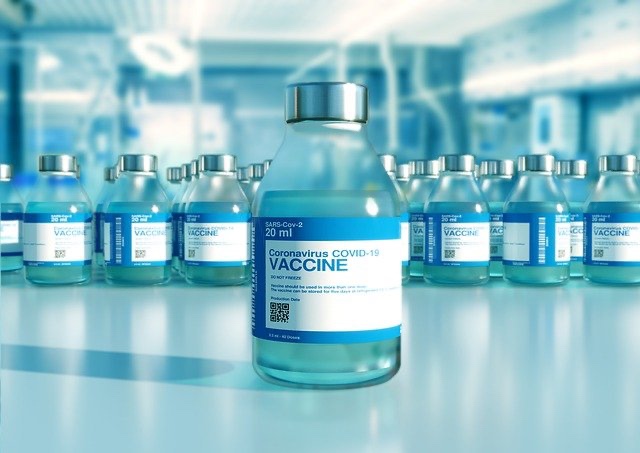
Overall, at present, we have lot more drugs to tackle COVID in addition to the Vaccines.
References
BMJ. Covid-19: Anti-inflammatory treatment baricitinib reduces deaths in patients admitted to hospital, finds trial BMJ 2022; 376 doi: https://doi.org/10.1136/bmj.o573 (Published 03 March 2022) Cite this as: BMJ 2022;376:o573
Guardian. Arthritis drug could help save Covid patients – study Rheumatoid arthritis drug baricitinib can reduce risk of death from severe Covid by about a fifth Nicola Davis Science correspondent @NicolaKSDavis Thu 3 Mar 2022 18.07 GMT
BMJ. Molnupiravir’s authorisation was premature BMJ 2022; 376 doi: https://doi.org/10.1136/bmj.o443 (Published 03 March 2022) Cite this as: BMJ 2022;376:o443
Disclaimer: Please note – This blog is NOT medical advice. This blog is NOT a expert medical opinion on various topics. This blog is purely for information only and do check the sources where cited. Please DO consult your own doctor to discuss concerns and options relevant to you. The views expressed in this blog are NOT, in any way whatsoever, intended to be a substitute for professional advice. The blog is NOT previewed, commissioned or otherwise endorsed, in any way, by any organisation that the author is associated with. The views expressed in this blog likely represents some of the author’s personal views held at the time of drafting the blog and MAY CHANGE overtime, particularly when new evidence comes to light.
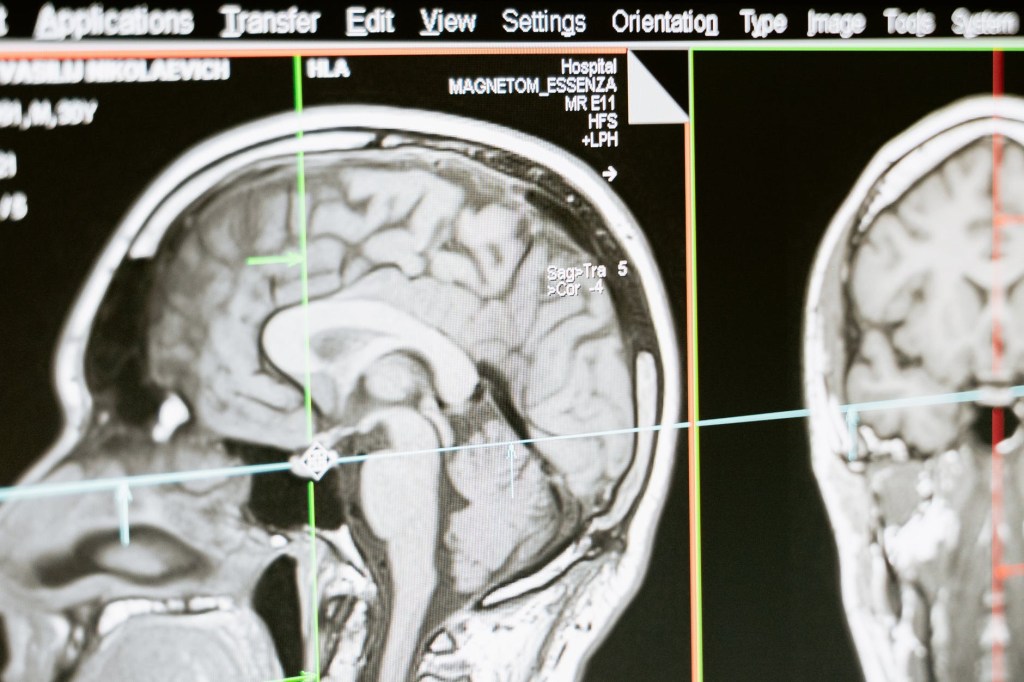
The team investigated brain changes in 785 UK Biobank participants (aged 51–81).
The team compared Brain scans before COVID infection and Brain scans after infection.
They found that people with COVID subsequently had “brain shrinkage” and reduced “brain function” particularly relating to parts of brain dealing with emotions smell and long-term memory
It is not known whether these brain changes are temporary and reversible after a while or whether these changes are permanent.
Disclaimer: Please note – This blog is NOT medical advice. This blog is NOT a expert medical opinion on various topics. This blog is purely for information only and do check the sources where cited. Please DO consult your own doctor to discuss concerns and options relevant to you. The views expressed in this blog are NOT, in any way whatsoever, intended to be a substitute for professional advice. The blog is NOT previewed, commissioned or otherwise endorsed, in any way, by any organisation that the author is associated with. The views expressed in this blog likely represents some of the author’s personal views held at the time of drafting the blog and MAY CHANGE overtime, partic
Many people report that they have seen many of their friends and family and work colleagues have caught the COVID virus during the recent wave.
Why did so many vaccinated people catch the infection?
It’s because of two reasons. (1) the vaccines are not 100% effective and (2) there is substantial reduction in vaccines effectiveness over time.
A large U.K. study looked at vaccine effectiveness against symptomatic disease caused by the omicron and delta variants in England.
Frighteningly, No effect against the omicron variant was noted from 20 weeks after two Astra Zeneca vaccine doses, and the effectiveness of two Pfizer vaccine was only marginally better with 8.8% protection at 25 or more weeks after two Vaccine doses.
Vaccine effectiveness improved to about 65% protection at 2 to 4 weeks after a third Pfizer booster but this was not long lasting and the effectiveness decreased to about before decreasing to 44% at 10 or more weeks after Vaccination.
In summary, Vaccination with two doses of AstraZeneca or Pfizer vaccine provided limited protection against symptomatic disease caused by the omicron variant.
A third booster with Pfizer or Moderna vaccine substantially increased the protection, but even that protection gradually decreased over time.
This study, published in the Prestigious NEJM journal, was Funded by the U.K. Health Security Agency and hence highly reliable.
One has to hope that any new variants do not bypass the vaccine protection and cause much more severe disease than omicron!
Nature magazine. Iketani, S., Liu, L., Guo, Y. et al. Antibody evasion properties of SARS-CoV-2 Omicron sublineages. Nature (2022). https://doi.org/10.1038/s41586-022-04594-4 ( substantial loss in neutralizing activity against omicron variant)
Disclaimer: Please note – This blog is NOT medical advice. This blog is NOT a expert medical opinion on various topics. This blog is purely for information only and do check the sources where cited. Please DO consult your own doctor to discuss concerns and options relevant to you. The views expressed in this blog are NOT, in any way whatsoever, intended to be a substitute for professional advice. The blog is NOT previewed, commissioned or otherwise endorsed, in any way, by any organisation that the author is associated with. The views expressed in this blog likely represents some of the author’s personal views held at the time of drafting the blog and MAY CHANGE overtime, partic
Yes, the COVID vaccines struggle to boost the immunity against COVID in people who have a defective or suppressed immune system.
A recent study published in BMJ looked at all relevant publications and confirms this. Cancer patients and patients who have received organ transplants are at risk of inadequate protection from the vaccines.
It is important that people who have low immunity get boosters as recommended by the guidelines ( third or fourth dose).
References
BMJ. Efficacy of covid-19 vaccines in immunocompromised patients: systematic review and meta-analysis BMJ 2022; 376 doi: https://doi.org/10.1136/bmj-2021-068632 (Published 02 March 2022) Cite this as: BMJ 2022;376:e068632
Disclaimer: Please note – This blog is NOT medical advice. This blog is NOT a expert medical opinion on various topics. This blog is purely for information only and do check the sources where cited. Please DO consult your own doctor to discuss concerns and options relevant to you. The views expressed in this blog are NOT, in any way whatsoever, intended to be a substitute for professional advice. The blog is NOT previewed, commissioned or otherwise endorsed, in any way, by any organisation that the author is associated with. The views expressed in this blog likely represents some of the author’s personal views held at the time of drafting the blog and MAY CHANGE overtime, particularly when new evidence comes to light.
Disclaimer: Please note – This blog is NOT medical advice. This blog is NOT a expert medical opinion on various topics. This blog is purely for information only and do check the sources where cited. Please DO consult your own doctor to discuss concerns and options relevant to you. The views expressed in this blog are NOT, in way whatsoever, intended to be a substitute for professional advice. The blog is NOT previewed, commissioned or otherwise endorsed, in any way, by any organisation that the author is associated with. The views expressed in this blog likely represents some of the author’s personal views held at the time of drafting the blog and MAY CHANGE overtime, particularly when new evidence comes to light
The variant seems to have “changed its coat”. The scientists worry that these changes ( mutations) can make it more transmissible and potentially evade vaccines.
U.K government has put six African countries on the Red List. All flights from South Africa, Namibia, Zimbabwe, Botswana, Lesotho and Eswatini are being suspended now.
Disclaimer: Please note – This blog is NOT medical advice. This blog is NOT a expert medical opinion on various topics. This blog is purely for information only and do check the sources where cited. Please DO consult your own doctor to discuss concerns and options relevant to you. The views expressed in this blog are NOT, in way whatsoever, intended to be a substitute for professional advice. The blog is NOT previewed, commissioned or otherwise endorsed, in any way, by any organisation that the author is associated with. The views expressed in this blog likely represents some of the author’s personal views held at the time of drafting the blog and MAY CHANGE overtime, particularly when new evidence comes to light.
Two new drugs, one from Pfizer and another from Merck promise to provide a new way to fight the virus in vulnerable people.
The oral pills from Pfizer is called Paxlovid. Paxlovid is a combination of two drugs. One drug is a new antiviral drug developed by Pfizer and is called PF-07321332. Another drug is called ritonavir, and ritonavir is already being used to treat HIV/Aids.
The Merck drug is known by the brand name Lagevrio [chemical name is molnupiravir]. This drug is approved by U.K. regulators and is ready to be used in the NHS. The Pfizer drug is yet to be evaluated by authorities for approval.
Disclaimer: Please note – This blog is NOT medical advice. This blog is NOT a expert medical opinion on various topics. This blog is purely for information only and do check the sources where cited. Please DO consult your own doctor to discuss concerns and options relevant to you. The views expressed in this blog are NOT, in way whatsoever, intended to be a substitute for professional advice. The blog is NOT previewed, commissioned or otherwise endorsed, in any way, by any organisation that the author is associated with. The views expressed in this blog likely represents some of the author’s personal views held at the time of drafting the blog and MAY CHANGE overtime, particularly when new evidence comes to light.
Yes, according to a recent U.K. study which assessed the combination of Flu vaccines and COVID vaccines.
The well designed study found the combination to be safe. The study also found “the side effects of giving both vaccines together were generally well tolerated and acceptable”
There is a worry that Flu might cause severe problems this year compared to last year.
Everyone’s attention has been focused on COVID booster and many old people have not been thinking much about their yearly Flu shots.
It is important that elderly have the flu shots this year.
Disclaimer: Please note – This blog is NOT medical advice. This blog is NOT a expert medical opinion on various topics. This blog is purely for information only and do check the sources where cited. Please DO consult your own doctor to discuss concerns and options relevant to you. The views expressed in this blog are NOT, in way whatsoever, intended to be a substitute for professional advice. The blog is NOT previewed, commissioned or otherwise endorsed, in any way, by any organisation that the author is associated with. The views expressed in this blog likely represents some of the author’s personal views held at the time of drafting the blog and MAY CHANGE overtime, particularly when new evidence comes to light.
A new antiviral pill for COVID is very promising. It may be used widely to control the infection in people suffering from early stages of illness.
But the pill does NOT seem to work very well in people with severe illness.
It is important to note that “Prevention is better than cure”. That’s why using COVID vaccines to prevent the disease in first place is a better option.
COVID Vaccines will continue to play the lead role in controlling the COVID pandemic.
The antiviral pill by the made by the company Merck is likely to become the first approved oral medication effective against coronavirus. But other companies, including Pfizer, are also developing new oral antiviral medications.
Dexamethasone and other steroid pills, which can help COVID illness, do NOT have direct antiviral activity.
Overall, this antiviral pill is another promising step towards complete normality.
Disclaimer: Please note – This blog is NOT medical advice. This blog is NOT a expert medical opinion on various topics. This blog is purely for information only and do check the sources where cited. Please DO consult your own doctor to discuss concerns and options relevant to you. The views expressed in this blog are NOT, in way whatsoever, intended to be a substitute for professional advice. The blog is NOT previewed, commissioned or otherwise endorsed, in any way, by any organisation that the author is associated with. The views expressed in this blog likely represents some of the author’s personal views held at the time of drafting the blog and MAY CHANGE overtime, particularly when new evidence comes to light.
Disclaimer: Please note – This blog is NOT medical advice. This blog is NOT a expert medical opinion on various topics. This blog is purely for information only and do check the sources where cited. Please DO consult your own doctor to discuss concerns and options relevant to you. The views expressed in this blog are NOT, in way whatsoever, intended to be a substitute for professional advice. The blog is NOT previewed, commissioned or otherwise endorsed, in any way, by any organisation that the author is associated with. The views expressed in this blog likely represents some of the author’s personal views held at the time of drafting the blog and MAY CHANGE overtime, particularly when new evidence comes to light.
Previously, the UK vaccine expert committee (JCVI) decided that would NOT advice COVID vaccines to healthy 12 to 15-year-olds because the “direct individual benefit” to their health was only marginal.
But the Chief Medical officers have decided the other way now. The UK Government is now offering 12-15 year olds COVID vaccination and believes that this is the way out of the pandemic.
This is a very finely balanced decision. Decision seem to have been made on “public health grounds” rather than “individual” benefit.
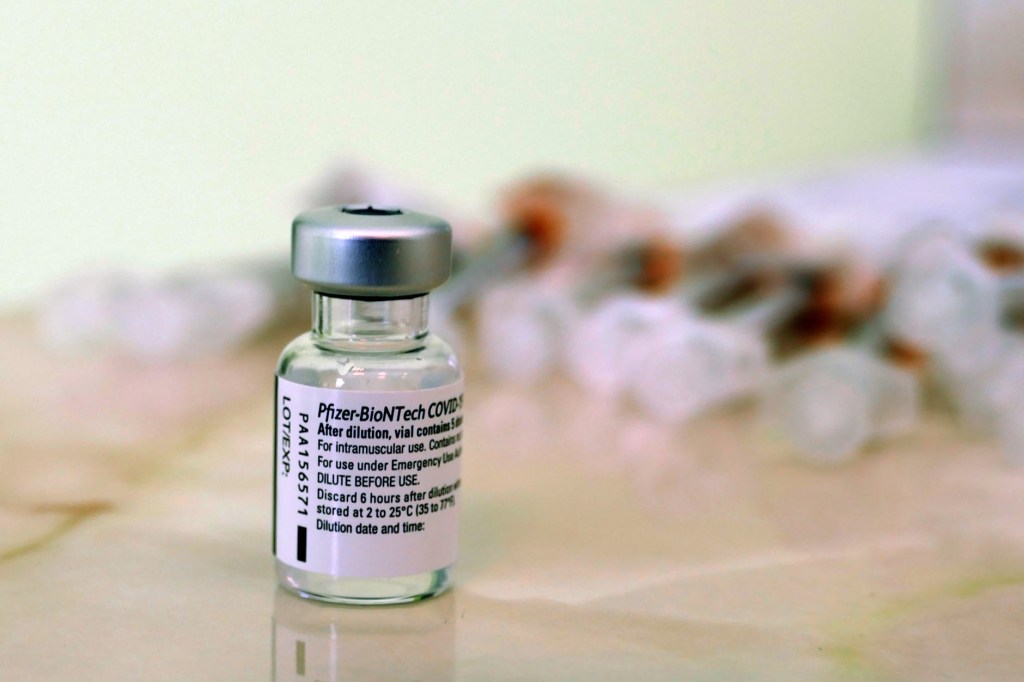
In England, children aged 12 to 15 will be offered one dose of the Pfizer and BioNTech vaccine ( one dose instead of the usual two doses so as to minimise risks).
Lot of Vaccines offered for many other childhood illnesses have much greater benefit than COVID vaccines.
A nice article in Guardian by a Paediatrician discusses the benefits and risks of COVID vaccines in the 12 to 15 year olds. Boys seem to be more at risk of Heart side effects compared to Girls.
It would be difficult decision for lot of parents with healthy children.
References
Guardian. As a paediatrician, I believe it’s right to vaccinate young people aged 12 to 15 Russell Viner There are no simple solutions to Covid, but children themselves will, on balance, benefit from being vaccinated. Russell Viner is a paediatrician and professor at the UCL Great Ormond Street Institute of Child Health Tue 14 Sep 2021 14.31 BST
BMJ. Covid-19: Vaccinating children will help end pandemic, says minister BMJ 2021; 374 doi: https://doi.org/10.1136/bmj.n2254 (Published 14 September 2021) Cite this as: BMJ 2021;374:n2254
Disclaimer: Please note – This blog is NOT medical advice. This blog is NOT a expert medical opinion on various topics. This blog is purely for information only and do check the sources where cited. Please DO consult your own doctor to discuss concerns and options relevant to you. The views expressed in this blog are NOT, in way whatsoever, intended to be a substitute for professional advice. The blog is NOT previewed, commissioned or otherwise endorsed, in any way, by any organisation that the author is associated with. The views expressed in this blog likely represents some of the author’s personal views held at the time of drafting the blog and MAY CHANGE overtime, particularly when new evidence comes to light.
Immediately after a COVID infection, people can be very sick and in some people, hospitalisation and death can occur.
Even after recovering from a COVID infection, some people can have fatigue, breathlessness, muscle ache, brain fog and other symptoms which can persist for many months. This persistence of symptoms is known as long COVID.
Previously, it was feared that a high percentage of people may go on to develop long COVID. A previous estimate suggested that as many as 1 in 10 people may develop long COVID.
Now , an ONS survey suggests that far less people may develop longer COVID. It is mow estimated that 1 in 40 people may have long COVID after recovering from a COVID infection.
BMJ. Long covid clinics should be run as research hubs. BMJ 2021; 374 doi: https://doi.org/10.1136/bmj.n1996 (Published 20 August 2021) Cite this as: BMJ 2021;374:n1996
Disclaimer: Please note – This blog is NOT medical advice. This blog is NOT a expert medical opinion on various topics. This blog is purely for information only and do check the sources where cited. Please DO consult your own doctor to discuss concerns and options relevant to you. The views expressed in this blog are NOT, in way whatsoever, intended to be a substitute for professional advice. The blog is NOT previewed, commissioned or otherwise endorsed, in any way, by any organisation that the author is associated with. The views expressed in this blog likely represents some of the author’s personal views held at the time of drafting the blog and MAY CHANGE overtime, particularly when new evidence comes to light
Ivermectin tablets are used in human beings to treat a disease called onchocerciasis (river blindness) and various infections caused by parasites. It is also sometimes used for “difficult-to-treat’ scabies. Ivermectin is also used as skin cream for certain skin conditions.
Ivermectin tablets are used in veterinary medicine to treat various parasitic infections.
There is genuine scientific interest in evaluating Ivermectin as a COVID treatment. But the evidence is not good enough for widespread use outside the clinical trials.
Unfortunately, there is widespread promotion of ivermectin in certain countries and there is a significant risk that people may be harmed by this promotion. (Side effects: Ivermectin data sheet).
That’s why the FDA and European regulators have advised against the use of Ivermectin outside clinical trials.
Disclaimer: Please note – This blog is NOT medical advice. This blog is NOT a expert medical opinion on various topics. This blog is purely for information only and do check the sources where cited. Please DO consult your own doctor to discuss concerns and options relevant to you. The views expressed in this blog are NOT, in way whatsoever, intended to be a substitute for professional advice. The blog is NOT previewed, commissioned or otherwise endorsed, in any way, by any organisation that the author is associated with. The views expressed in this blog likely represents some of the author’s personal views held at the time of drafting the blog and MAY CHANGE overtime, particularly when new evidence comes to light.
At present, this is a difficult question to give a straightforward answer.
For most of “middle to old age” people, the benefits of COVID vaccines are far greater than potential side effects from vaccines.
On the other hand, in case of 12-15 year olds, the benefits are marginally better than risks and individual circumstances need to be taken into account.
UK’s vaccine advisory body is called JCVI. ( Joint Committee on Vaccination and Immunisation ).
JCVI on Friday declined to recommend universal vaccination of all 12-15 year olds. This is because the chances of children becoming seriously ill from COVID-19 is very small. This needs to be balanced against a tiny risk of myocarditis, or inflammation of the heart in young people due to the vaccines. It is a matter of weighing up disease versus vaccine.
But, this does not mean COVID vaccines are not being given to 12-15 year olds.
USA, France, Italy, Israel and Ireland are offering vaccines to this group.
In U.K., vulnerable children with heart and lung problems, blood disorders, diabetes and various other diseases are eligible for the COVID vaccine. Children living with extremely vulnerable adults are also eligible.
BMJ news. Covid-19: JCVI opts not to recommend universal vaccination of 12-15 year olds BMJ 2021; 374 doi: https://doi.org/10.1136/bmj.n2180 (Published 03 September 2021) Cite this as: BMJ 2021;374:n2180
Disclaimer: Please note – This blog is NOT medical advice. This blog is NOT a expert medical opinion on various topics. This blog is purely for information only and do check the sources where cited. Please DO consult your own doctor to discuss concerns and options relevant to you. The views expressed in this blog are NOT, in way whatsoever, intended to be a substitute for professional advice. The blog is NOT previewed, commissioned or otherwise endorsed, in any way, by any organisation that the author is associated with. The views expressed in this blog likely represents some of the author’s personal views held at the time of drafting the blog and MAY CHANGE overtime, particularly when new evidence comes to light.
But until recently there has been hardly any direct clinical studies comparing different vaccines.
A recent study conducted in Belgium compared the Moderna and Pfizer COVID vaccines.
The study looked at antibody responses following vaccination in Health care workers. Antibody levels were measured prior to vaccination as well as 6 to 10 weeks after the second dose.
Higher antibody levels were observed in people vaccinated with Moderna vaccine compared with those vaccinated with Pfizer vaccine.
Future research is needed to see how these differences affect the general population.
Both Moderna and Pfizer vaccines are based on same technology (mRNA based vaccines).
If significant differences exist between between vaccines of same technology, then it is likely that differences would exist between vaccines of different technology (eg Pfizer vs Astra Zeneca).
The public health authorities would need to decide whether booster vaccinations should be done with a different vaccine.
Disclaimer: Please note – This blog is NOT medical advice. This blog is NOT a expert medical opinion on various topics. This blog is purely for information only and do check the sources where cited. Please DO consult your own doctor to discuss concerns and options relevant to you. The views expressed in this blog are NOT, in way whatsoever, intended to be a substitute for professional advice. The blog is NOT previewed, commissioned or otherwise endorsed, in any way, by any organisation that the author is associated with. The views expressed in this blog likely represents some of the author’s personal views held at the time of drafting the blog and MAY CHANGE overtime, particularly when new evidence comes to light.
Disclaimer: Please note – This blog is NOT medical advice. This blog is NOT a expert medical opinion on various topics. This blog is purely for information only and do check the sources where cited. Please DO consult your own doctor to discuss concerns and options relevant to you. The views expressed in this blog are NOT, in way whatsoever, intended to be a substitute for professional advice. The blog is NOT previewed, commissioned or otherwise endorsed, in any way, by any organisation that the author is associated with. The views expressed in this blog likely represents some of the author’s personal views held at the time of drafting the blog and MAY CHANGE overtime, particularly when new evidence comes to light.
Compared to other adults, teachers were NOT found to be at increased risk of severe COVID or at increased risk of hospital admission with COVID-19
References
BMJ Research. Risk of hospital admission with covid-19 among teachers compared with healthcare workers and other adults of working age in Scotland, March 2020 to July 2021: population based case-control study BMJ 2021; 374 doi: https://doi.org/10.1136/bmj.n2060 (Published 02 September 2021) Cite this as: BMJ 2021;374:n2060
Disclaimer: Please note – This blog is NOT medical advice. This blog is NOT a expert medical opinion on various topics. This blog is purely for information only and do check the sources where cited. Please DO consult your own doctor to discuss concerns and options relevant to you. The views expressed in this blog are NOT, in way whatsoever, intended to be a substitute for professional advice. The blog is NOT previewed, commissioned or otherwise endorsed, in any way, by any organisation that the author is associated with. The views expressed in this blog likely represents some of the author’s personal views held at the time of drafting the blog and MAY CHANGE overtime, particularly when new evidence comes to light.
Two contrasting news about COVID vaccine and disease recently.
First, a New Zealand woman dies after COVID vaccine. Death was attributed to heart inflammation caused by the vaccine.
Second, a 40 year vaccine-sceptic dies of COVID disease and sadly, leaves behind a pregnant wife.
How to interpret this information?
Remember everyday life is full of risks. Almost nothing is risk free. People balance risks and benefits everyday for most things in life. The same approach should be used for COVID vaccines.
It is understandable that some people are worried about side effects of vaccines. These concerns are REAL There is still lot unknown about long term efficacy and side effects of COVID vaccines.
If you are worried about vaccines and yet to have the vaccine, do note that the available evidence indicates that it is in your interests to have the vaccine.
If you are a vaccine sceptic, do NOT believe everything that is said on social media. Sometimes people put wrong information on social media. Sometimes people post information that is out of context.
What to do?
Ignore information that is not directly relevant to COVID vaccines.
Do NOT mix politics with Vaccines.
Beware that social media can make you paranoid about COVID vaccines.
Read official information. Available scientific evidence now indicates that the benefits of COVID-19 vaccine faroutweighs the risks for vast majority of adults.
In particular, if you are above 50 years, do consider having the vaccine as a matter of urgency without further delay.
This is because in England, the Schools and Universities are going to open this month. Data from Scotland shows that COVID cases will spike after schools and Universities open.
Be selfish and do what is right for you and your family. Do not worry about “loss of face” on social media because you have changed your mind about vaccines.
Disclaimer: Please note – This blog is NOT medical advice. This blog is NOT a expert medical opinion on various topics. This blog is purely for information only and do check the sources where cited. Please DO consult your own doctor to discuss concerns and options relevant to you. The views expressed in this blog are NOT, in way whatsoever, intended to be a substitute for professional advice. The blog is NOT previewed, commissioned or otherwise endorsed, in any way, by any organisation that the author is associated with. The views expressed in this blog likely represents some of the author’s personal views held at the time of drafting the blog and MAY CHANGE overtime, particularly when new evidence comes to light.
Normally Vaccines that are highly effective (for various other diseases) prevent most vaccinated people from getting the infection completely.
But that does not seem to be the case with COVID vaccines.
The COVID vaccines are highly successful in preventing severe COVID, hospitalisations and deaths. But they seem to be a bit less effective in preventing people from catching mild COVID infections.
So if a vaccinated person gets a mild COVID infection, can they pass it onto others?
This is an important fact for people with vulnerable family members and friends.
If you have mild symptoms, do get tested and be extremely careful when you are with your vulnerable family members ( elderly parents, grandparents etc).
You can pass COVID to them even if you do not have much symptoms.
As vaccines lose some effectiveness over a period of time, do NOT assume that double vaccination would protect your vulnerable family members.
A recent Public Health England report indicates that both vaccinated and unvaccinated people with COVID infection are equally infectious and capable of spreading to others.
A similar report was also published from USA recently.
The end is not in sight yet. Be careful when you are with vulnerable family members !
USA. BMJ. Covid-19: Delta infections threaten herd immunity vaccine strategyBMJ 2021; 374 doi: https://doi.org/10.1136/bmj.n1933 (Published 02 August 2021)Cite this as: BMJ 2021;374:n1933
Disclaimer: Please note – This blog is NOT medical advice. This blog is NOT a expert medical opinion on various topics. This blog is purely for information only and do check the sources where cited. Please DO consult your own doctor to discuss concerns and options relevant to you. The views expressed in this blog are NOT, in way whatsoever, intended to be a substitute for professional advice. The blog is NOT previewed, commissioned or otherwise endorsed, in any way, by any organisation that the author is associated with. The views expressed in this blog likely represents some of the author’s personal views held at the time of drafting the blog and MAY CHANGE overtime, particularly when new evidence comes to light.
Lot of Vaccinated people do get infected and the only good news is that “the vaccines offer strong protection against severe disease”
China fights to contain a new outbreak in Wuhan now. There is a possibility of further outbreaks elsewhere as well. That can create favourable conditions for new variants to emerge .
So don’t be surprised if new variants emerge in winter and COVID is still the headline news early next year !
BMJ News Covid-19: What new variants are emerging and how are they being investigated? BMJ 2021; 372 doi: https://doi.org/10.1136/bmj.n158 (Published 18 January 2021) Cite this as: BMJ 2021;372:n158
Disclaimer: Please note – This blog is NOT medical advice. This blog is NOT a expert medical opinion on various topics. This blog is purely for information only and do check the sources where cited. Please DO consult your own doctor to discuss concerns and options relevant to you. The views expressed in this blog are NOT, in way whatsoever, intended to be a substitute for professional advice. The blog is NOT previewed, commissioned or otherwise endorsed, in any way, by any organisation that the author is associated with. The views expressed in this blog likely represents some of the author’s personal views held at the time of drafting the blog and MAY CHANGE overtime, particularly when new evidence comes to light.
The results of this study certainly indicates that booster vaccines are needed for the winter months to prevent another wave of deaths.
References
BMJ News. Covid-19: Pfizer vaccine’s efficacy declined from 96% to 84% four months after second dose, company reports BMJ 2021; 374 doi: https://doi.org/10.1136/bmj.n1920 (Published 30 July 2021)Cite this as: BMJ 2021;374:n1920
BMJ News. Covid-19: Millions could be offered booster vaccinations from September BMJ 2021; 374 doi: https://doi.org/10.1136/bmj.n1686 (Published 02 July 2021) Cite this as: BMJ 2021;374:n1686
Disclaimer: Please note- This blog is NOT medical advice. This blog is NOT a expert medical opinion on various topics. This blog is purely for information only and do check the sources where cited. Please DO consult your own doctor to discuss concerns and options relevant to you. The views expressed in this blog represent the author’s personal views held at the time of drafting the blog and may change overtime, particularly when new evidence comes to light. The blog is NOT previewed, commissioned or otherwise endorsed by any organisation that the author is associated with. The views expressed in this blog are NOT, in way whatsoever, intended to be a substitute for professional advice.
How long does covid-19 immunity last? BMJ 2021; 373 doi: https://doi.org/10.1136/bmj.n1605 (Published 30 June 2021) Cite this as: BMJ 2021;373:n1605
Disclaimer: Please note- This blog is NOT medical advice. This blog is NOT a expert medical opinion on various topics. This blog is purely for information only and do check the sources where cited. Please DO consult your own doctor to discuss concerns and options relevant to you. The views expressed in this blog represent the author’s personal views held at the time of drafting the blog and may change overtime, particularly when new evidence comes to light. The blog is NOT previewed, commissioned or otherwise endorsed by any organisation that the author is associated with. The views expressed in this blog are NOT, in way whatsoever, intended to be a substitute for professional advice.
BMJ. News Analysis. Covid-19: Should we be worried about reports of myocarditis and pericarditis after mRNA vaccines? BMJ 2021; 373 doi: https://doi.org/10.1136/bmj.n1635 (Published 24 June 2021) Cite this as: BMJ 2021;373:n1635
Disclaimer: Please note- This blog is NOT medical advice. This blog is NOT a expert medical opinion on various topics. This blog is purely for information only and do check the sources where cited. Please DO consult your own doctor to discuss concerns and options relevant to you. The views expressed in this blog represent the author’s personal views held at the time of drafting the blog and may change overtime, particularly when new evidence comes to light. The blog is NOT previewed, commissioned or otherwise endorsed by any organisation that the author is associated with. The views expressed in this blog are NOT, in way whatsoever, intended to be a substitute for professional advice.
It is unlikely to become mandatory in most western countries. It almost certainly would not become mandatory in USA, where Vaccination seems to become tangled with highly divisive politics.
But it is not an impossible scenario in European countries.
Also, it does not have to a direct government policy.
If the governments change the law to allow businesses to demand vaccination proof, then indirectly vaccination becomes mandatory for most people.
Private Businesses and Travel industry may decide to make vaccination mandatory for their employees and customers so as to avoid further disruption to their business.
In countries, such as Israel and U.K., where there is already high uptake of vaccination, a change in Law may not be needed at present.
But if the present surge in infections continue, and variants emerge, Governments may change their approach.
References
BMJ. Covid-19: Turkmenistan becomes first country to make vaccination mandatory for all adults BMJ 2021; 374 doi: https://doi.org/10.1136/bmj.n1766 (Published 12 July 2021) Cite this as: BMJ 2021;374:n1766
Disclaimer: Please note- This blog is NOT medical advice. This blog is NOT a expert medical opinion on various topics. This blog is purely for information only and do check the sources where cited. Please DO consult your own doctor to discuss concerns and options relevant to you. The views expressed in this blog represent the author’s personal views held at the time of drafting the blog and may change overtime, particularly when new evidence comes to light. The blog is NOT previewed, commissioned or otherwise endorsed by any organisation that the author is associated with. The views expressed in this blog are NOT, in way whatsoever, intended to be a substitute for professional advice.
Yes, it is a possibility that a third booster dose of COVID vaccine would be offered later this year.
Vaccination has been tremendously successful so far. But it is too early to declare victory against the virus.
Data from Israel indicates that the current Pfizer vaccine, although still highly active, offers less protection against delta variant.
In June, the vaccine was found to be just 64 percent effective in preventing coronavirus infection whereas during May, when the delta strain was less prevalent, the vaccine was 94.3% effective.
So if more variants emerge, then vaccine boosters may be particularly needed for the vulnerable people.
Disclaimer: Please note- This blog is NOT medical advice. This blog is NOT a expert medical opinion on various topics. This blog is purely for information only and do check the sources where cited. Please DO consult your own doctor to discuss concerns and options relevant to you. The views expressed in this blog represent the author’s views held at the time of drafting the blog and may change overtime, particularly when new evidence comes to light. The blog is not previewed, commissioned or otherwise endorsed by any organisation that the author is associated with. The views expressed in this blog are not, in way whatsoever, intended to be a substitute for professional advice.
U.K. is on course to lift almost all COVID restrictions in mid July 2021.
A U.K. minister has said that “wearing masks” would become a personal choice.
Just because there is a choice, it does not mean it is always good for you.
Government decisions are often made not only with scientific facts but also with economic and political considerations. Compulsory masks may not be liked by a section of society and Government has to take that into account in a democratic society.
Personally electing to wear masks in crowded public places could be sensible for the following reasons.
– There is some debate about the extent of protection a person gets wearing masks following the Danish mask study. But no robust scientific study has shown significant harm from wearing masks. So it is better to be safe and wear masks even if the extent of protection is debatable.
– Infections are rising now and luckily, vaccines seem to have protected most people from getting severe COVID. But Vaccines are not 100% effective. Moreover, when infection rates go up further and society opens up more, there is a risk of variants emerging that may be partially vaccine resistant. So wearing masks may provide some protection.
– Not all people get poorly when they get COVID. But these people with COVID can still pass infection to other vulnerable family members and people who don’t have the protection from vaccines. So wearing a mask can stop people with mild COVID from spreading the infection to others.
– Some people do not want to wear masks because they think they are not at risk of death or hospitalisation. Remember, COVID related problems affect different people in different ways. Lot of people do recover from COVID without major problems. But some people do develop long-term symptoms from COVID. So it is better to wear masks for COVID protection.
Disclaimer: Please note- This blog is NOT medical advice. This blog is NOT a expert medical opinion on various topics. This blog is purely for information only and do check the sources where cited. Please DO consult your own doctor to discuss concerns and options relevant to you. The views expressed in this blog represent the author’s views held at the time of drafting the blog and may change overtime, particularly when new evidence comes to light. The blog is not previewed, commissioned or otherwise endorsed by any organisation that the author is associated with. The views expressed in this blog are not, in way whatsoever, intended to be a substitute for professional advice.
Disclaimer: Please note- This blog is NOT medical advice. This blog is NOT a expert medical opinion on various topics. This blog is purely for information only and do check the sources where cited. Please DO consult your own doctor to discuss concerns and options relevant to you. The views expressed in this blog represent the author’s views held at the time of drafting the blog and may change overtime, particularly when new evidence comes to light. The blog is not previewed, commissioned or otherwise endorsed by any organisation that the author is associated with. The views expressed in this blog are not, in way whatsoever, intended to be a substitute for professional advice.
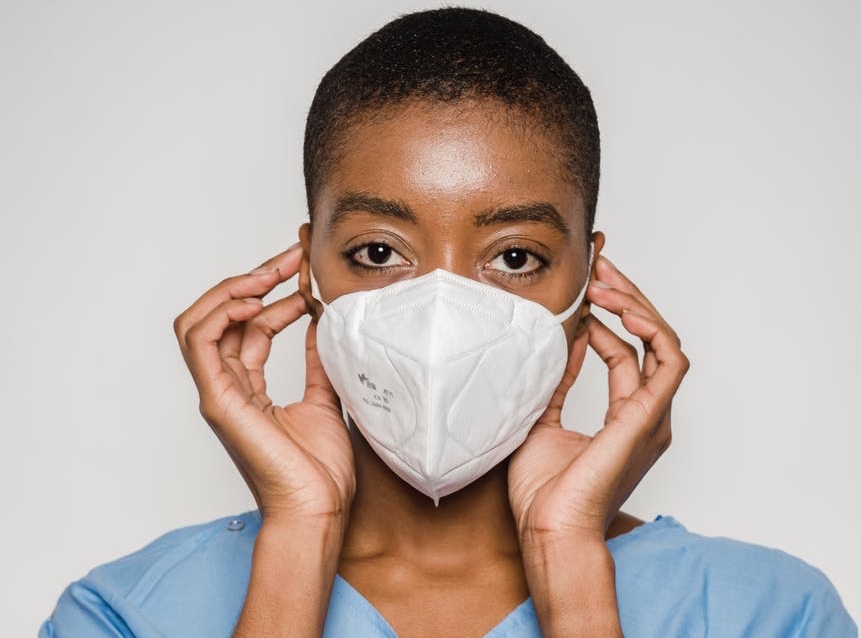
Yes, good masks may help to reduce infections that are spread by airborne particles.
But not all masks are the same.
Cloth masks were promoted during 2020 when the proper surgical masks were in short supply . The effectiveness of cloth masks are not well studied and they are of varying quality depending who made them and how well they were made.
Properly manufactured surgical masks are better than home made cloth masks. But how much protection they can offer is a matter of scientific debate. Surgical masks have been found to give some protection against other respiratory viruses in past. But a recent Danish study found no significant benefit against COVID among the general public.
The high quality FFP3 masks which filter most of the inhaled air is superior to normal surgical masks. A recent study from Cambridge found that Heath care workers who used FFP3 masks had better protection from COVID compared to normal surgical masks in the Hospital.
Overall, clean, well manufactured masks are likely to of some benefit to the public rather than wearing no masks at all. In the hospital setting, FFP3 masks seem to provide superior protection to Health care staff working with COVID patients.
And most importantly people have to understand that masks are not to be used alone. Masks got to be used along with protective measures such as social distancing and Hand-washing.
Disclaimer: Please note- This blog is NOT medical advice. This blog is NOT a expert medical opinion on various topics. This blog is purely for information only and do check the sources where cited. Please DO consult your own doctor to discuss concerns and options relevant to you. The views expressed in this blog represent the author’s views held at the time of drafting the blog and may change overtime, particularly when new evidence comes to light. The blog is not previewed, commissioned or otherwise endorsed by any organisation that the author is associated with. The views expressed in this blog are not, in way whatsoever, intended to be a substitute for professional advice.
Yes, we should be cautious after the freedom day on July 19th and this is for the following reasons.
1. Vaccines are highly effective but they are NOT 100% effective.
2. Two doses are needed for full protection. Even though, more than two third of adults have had atleast one vaccine, only about half the U.K. population had double vaccination so far.
3. Vaccine Protection against New COVID variants may NOT be as good as it is now. For instance , vaccines are slightly less effective against the delta variant particularly after first dose.
4. Vaccine protection may decrease over time and Vaccines may not give the same level of protection as months pass by.
4. Being cautious now, may helps us to avoid lockdowns during Autumn and would help to save Christmas !
Public Health England. Press release Vaccines highly effective against hospitalisation from Delta variant New analysis by PHE shows for the first time that 2 doses of COVID-19 vaccines are highly effective against hospitalisation from the Delta (B.1.617.2) variant. Published 14 June 2021
Disclaimer: Please note- This blog is NOT medical advice. This blog is NOT a expert medical opinion on various topics. This blog is purely for information only and do check the sources where cited. Please DO consult your own doctor to discuss concerns and options relevant to you. The views expressed in this blog represent the author’s views held at the time of drafting the blog and may change overtime, particularly when new evidence comes to light. The blog is not previewed, commissioned or otherwise endorsed by any organisation that the author is associated with. The views expressed in this blog are not, in way whatsoever, intended to be a substitute for professional advice.
Yes, the Kent variant who got a foothold in December was far more dangerous.
A recent study in BMJ reports that “the risk of hospital admission is higher” for people infected with the Kent variant compared with the original wild-type Wuhan variant of Coronavirus.
This higher severity seems to be specific to adults older than 30 years.
The current variant spreading in U.K. (delta a.k.a Indian variant) may not cause widespread havoc, like the Kent variant, due to the lock down and wide spread vaccination.
One has to hope that we do not get any variants that breaks the protective shield of COVID vaccines.
Disclaimer: Please note- This blog is NOT medical advice. This blog is NOT a expert medical opinion on various topics. This blog is purely for information only and do check the sources where cited. Please DO consult your own doctor to discuss concerns and options relevant to you. The views expressed in this blog represent the author’s views held at the time of drafting the blog and may change overtime, particularly when new evidence comes to light. The blog is not previewed, commissioned or otherwise endorsed by any organisation that the author is associated with. The views expressed in this blog are not, in way whatsoever, intended to be a substitute for professional advice.
Disclaimer: Please note- This blog is NOT medical advice. This blog is NOT a expert medical opinion on various topics. This blog is purely for information only and do check the sources where cited. Please DO consult your own doctor to discuss concerns and options relevant to you. The views expressed in this blog represent the author’s views held at the time of drafting the blog and may change overtime, particularly when new evidence comes to light. The blog is not previewed, commissioned or otherwise endorsed by any organisation that the author is associated with. The views expressed in this blog are not, in way whatsoever, intended to be a substitute for professional advice.
But the study also showed what we know already. Vaccination does not give 100% protection.
Everyone, in particular, health care staff need to continue with other COVID precautions such as masks, distancing and regular washing as advised by Government.
Disclaimer: Please note- This blog is NOT medical advice. This blog is NOT a expert medical opinion on various topics. This blog is purely for information only and do check the sources where cited. Please DO consult your own doctor to discuss concerns and options relevant to you. The views expressed in this blog represent the author’s views held at the time of drafting the blog and may change overtime, particularly when new evidence comes to light. The blog is not previewed, commissioned or otherwise endorsed by any organisation that the author is associated with. The views expressed in this blog are not, in way whatsoever, intended to be a substitute for professional advice.
U.K. Government vaccine minister announced over weekend that compulsory COVID vaccinations are being considered for NHS staff.
Majority of NHS staff believe in the vaccine and so it is not an issue for most NHS staff. But a small minority of staff are either sceptical or they have some other reasons why they were not able to have the vaccine.
Should those NHS staff be forced to have COVID-19 vaccines?
It is a tough question. Compulsory vaccines have caused huge backlash in past among the general population as well as among some in medical profession.
On the other hand, Vaccination against Hepatitis is already mandatory for NHS surgeons and this is not a new thing.
The vaccination of staff is not only for personal protection but also to prevent NHS staff spreading infection to vulnerable patients.
BMJ. COMPULSORY VACCINATION Association Medical Journal 1853; s3-1 doi: https://doi.org/10.1136/bmj.s3-1.10.224-a (Published 11 March 1853) Cite this as: Association Medical Journal 1853;s3-1:224
Disclaimer: Please note- This blog is NOT medical advice. This blog is NOT a expert medical opinion on various topics. This blog is purely for information only and do check the sources where cited. Please DO consult your own doctor to discuss concerns and options relevant to you. The views expressed in this blog represent the author’s views held at the time of drafting the blog and may change overtime, particularly when new evidence comes to light. The blog is not previewed, commissioned or otherwise endorsed by any organisation that the author is associated with. The views expressed in this blog are not, in way whatsoever, intended to be a substitute for professional advice.
Yes, people have died after having COVID-19 vaccines.
Recently, a BBC Radio Newcastle presenter, Lisa Shaw was reported to have died after the Astra Zeneca COVID vaccine. Her family is blaming the COVID vaccine for causing clots and ultimately her death.
In India, a Popular Tamil actor and comedian died within 48 hours of receiving a COVID vaccine. His vaccination was broadcast live on TV to encourage public uptake of vaccination but his unfortunate death after vaccination probably ended up causing vaccine hesitancy in some people.
A news article in BMJ reports that the “Pfizer-covid-19 vaccine is “likely” to have been responsible for at least 10 deaths of frail elderly people in nursing homes in Norway”.
But, the most important thing to remember is that deaths are rare after COVID-19 vaccines.
Yes, there are true distressing accounts of vaccine side effects. But what you do not hear is the benefit most people have from vaccines.
Millions of people received vaccines so far with vast majority having no major side effects.
Consider this for context. Think about plane accidents. Millions of people travel by plane without any problems. If People fly safely and reach their destination, it is not headline news. People do not go around saying that they have traveled safely by plane and that they are alive !
But a aeroplane accident which happens rarely is front page news. It would be all over the 24 hour TV news channels across the world. Plane accidents are utterly and unimaginably devastating for those individuals and families involved. But the rare plane accidents do not make most other people avoid flying. The accidents do not mean that no one should travel by plane. The travel by planes has far more benefits than risks for majority of population.
Same with COVID vaccines. Serous Side effects are headline news even if they are very uncommon and rare. The available data indicate benefits are much greater than risks.
Disclaimer: Please note- This blog is NOT medical advice. This blog is NOT a expert medical opinion on various topics. This blog is purely for information only and do check the sources where cited. Please DO consult your own doctor to discuss concerns and options relevant to you. The views expressed in this blog represent the author’s views held at the time of drafting the blog and may change overtime, particularly when new evidence comes to light. The blog is not previewed, commissioned or otherwise endorsed by any organisation that the author is associated with. The views expressed in this blog are not, in way whatsoever, intended to be a substitute for professional advice.
UK government wanted as manypeople have “some” degree of protection against the COVID-19 rather a only few people having “full” protection against COVID-19.
A recent paper published in BMJ validates the U.K. approach even though it was initially criticised by WHO ( world health organisation)..
Is it Luck or Foresight that U.K. Govt got it right? Probably both but more foresight than luck. Perhaps a cappuccino cup of foresight sprinkled with chocolate of luck.
Disclaimer: Please note- This blog is NOT medical advice. This blog is NOT a expert medical opinion on various topics. This blog is purely for information only and do check the the sources where cited. Please DO consult your own doctor to discuss concerns and options relevant to you. The views expressed in this blog represent the author’s views held at the time of drafting the blog and may change overtime, particularly when new evidence comes to light. The blog is not previewed, commissioned or otherwise endorsed by any organisation the author is associated with. The views expressed in this blog are not in way intended to be a substitute for professional advice.
But now comes the Variant from India. (the scientific name is B1.617.2 variant of concern).
The Indian variant appears to be more transmissible but no evidence yet that the Indian variant is inherently more deadly than the Kent variant.
Naturally, we are in a better place now than last year because of the vaccination.
But there is some evidence that spontaneous changes (mutations) in the B.1.617.2 variant virus may make it partially resistant to antibodies produced by vaccines.
So how effective are the current vaccines against this Variant from India?
Disclaimer: Please note- This blog is NOT medical advice. This blog is NOT a expert medical opinion on various topics. This blog is purely for information only and do check the sources where cited. Please DO consult your own doctor to discuss concerns and options relevant to you. The views expressed in this blog represent the author’s views held at the time of drafting the blog and may change overtime, particularly when new evidence comes to light. The blog is not previewed, commissioned or otherwise endorsed by any organisation that the author is associated with. The views expressed in this blog are not, in way whatsoever, intended to be a substitute for professional advice.
The vaccination rates are rapidly going up and understandably many people are hoping for some sort of normality very soon.
But a new variant has been detected across the country. The scientists are worried about this new variant of coronavirus- called India variant. This variant can derail government plans in UK.
The current vaccines seem to offer somewhat less protection against this new variant . If this variant takes a strong foothold in UK , then we have to wait a bit longer for normality.
Disclaimer: Please note- This blog is NOT medical advice. This blog is NOT a expert medical opinion on various topics. This blog is purely for information only and do check the the sources where cited. Please DO consult your own doctor to discuss concerns and options relevant to you. The views expressed in this blog represent the author’s views held at the time of drafting the blog and may change overtime, particularly when new evidence comes to light. The blog is not previewed, commissioned or otherwise endorsed by any organisation the author is associated with. The views expressed in this blog are not in way intended to be a substitute for professional advice.
Yes, there is a risk of serious harm from “unauthorised” COVID treatments that are not officially authorised by competent regulatory authorities such as MHRA in UK or FDA in USA.
India is going to a rough patch. People with COVID are desperate for treatment. There is shortage of oxygen which is a commonly used treatment.
Apart from oxygen for respiratory support, only Two treatments have been proven to be of significant help in COVID-19 pneumonia. (1) Steroids (2) An arthritis drug called Tocilizumab
Many antivirals drugs have not shown any meaningful benefit. Various other drugs are still in trials.
It is rapidly evolving area and the BMJ has a COVID guideline which is being frequently updated during this pandemic.
This is significant risk of harm from drugs which are NOT properly assessed in clinical trials.
Anecdotally there has been lot of sudden deaths in India. Lot of unproven treatments such as Azithromycin, ivermectin, antivirals agents,chloroquine, and other agents widely used in india.
Although there is no definitive proof, One cannot help wondering whether poor outcome in at least some Indian patients is related to combinations of unproven drugs that are used widely in unregulated private healthcare sector.
BMJ. Drug treatments for covid-19: living systematic review and network meta-analysis BMJ 2020; 370 doi: https://doi.org/10.1136/bmj.m2980 (Published 30 July 2020) Cite this as: BMJ 2020;370:m2980
BMJ. A living WHO guideline on drugs for covid-19 BMJ 2020; 370 doi: https://doi.org/10.1136/bmj.m3379 (Published 04 September 2020).
Disclaimer: Please note- This blog is NOT medical advice. This blog is NOT a expert medical opinion on various topics. This blog is purely for information only and do check the the sources where cited. Please DO consult your own doctor to discuss concerns and options relevant to you. The views expressed in this blog represent the author’s views held at the time of drafting the blog and may change overtime, particularly when new evidence comes to light. The blog is not previewed, commissioned or otherwise endorsed by any organisation the author is associated with. The views expressed in this blog are not in way intended to be a substitute for professional advice.
If someone has recovered from a COVID-19 infection, they would have some protection against getting another COVID-19 infection.
But, even if someone has recovered very well from a previous infection, vaccination is necessary because there is still a significant risk of getting COVID-19 infection again.
Disclaimer: Please note- This blog is NOT medical advice. This blog is NOT a expert medical opinion on various topics. This blog is purely for information only and do check the the sources where cited. Please DO consult your own doctor to discuss concerns and options relevant to you. The views expressed in this blog represent the author’s views held at the time of drafting the blog and may change overtime, particularly when new evidence comes to light. The blog is not previewed, commissioned or otherwise endorsed by any organisation the author is associated with. The authors views are not in way intended to be a substitute for professional advice.
A recent paper published in Lancet Psychiatry reports that at least 1 in 3 patients , who have recovered from severe COVID, have substantial neurological and psychiatric problems during the next six months .
This report is very worrying .
If study findings are confirmed by other studies, this would be yet another substantial reason to consider getting the vaccine as soon as it is offered.
Disclaimer: Please note- This blog is NOT medical advice. This blog is NOT a expert medical opinion on various topics. This blog is purely for information only and do check the the sources where cited. Please DO consult your own doctor to discuss concerns and options relevant to you. The views expressed in this blog represent the author’s views held at the time of drafting the blog and may change overtime, particularly when new evidence comes to light. The blog is not previewed, commissioned or otherwise endorsed by any organisation the author is associated with. The authors views are not in way intended to be a substitute for professional advice.
A recent study published in the esteemed Lancet Oncology Journal shows that the vaccine is well tolerated in patients having immunotherapy.
Unlike cancer chemotherapy, immunotherapy works differently. It works by releasing the in-built brakes holding down the immune system thereby boosting the body’s immune system against cancer.
There has been some theoretical concerns whether this might lead to COVID vaccine causing more side effects.
Reassuringly, the Vaccine side effects were NO different from those seen in people not having immunotherapy. The Vaccine also did NOT increase the immunotherapy side effects.
So the study is good news for tens of thousands of patients on immunotherapy and any cancer patient who has hesitated before, should seriously consider having the vaccine now
COVID infection could be very nasty in cancer patients and all evidence points to the benefits of vaccine far outweighing any risks from the Vaccine.
Disclaimer: Please note- This blog is NOT medical advice. This blog is NOT a expert medical opinion on various topics. This blog is purely for information only and do check the the sources where cited. Please DO consult your own doctor to discuss concerns and options relevant to you. The views expressed in this blog represent the author’s views held at the time of drafting the blog and may change overtime, particularly when new evidence comes to light. The blog is not previewed, commissioned or otherwise endorsed by any organisation the author is associated with. The authors views are not in way intended to be a substitute for professional advice.
If all the vaccines now in use continue to be safe and highly effective in real world population, then it is only a matter of months before the pandemic comes to an end and normal life returns in 2021 !
Vaccines work by tricking the body into thinking that there is a real infection and hence the body produces antibodies. So this study indirectly indicates the protection from vaccines will also last longer and yet another reason to be hopeful about the end of pandemic in 2021.
Disclaimer: Please note- This blog is NOT medical advice. This blog is NOT a expert medical opinion on various topics. This blog is purely for information only and do check the the sources where cited. Please DO consult your own doctor to discuss concerns and options relevant to you.
The views expressed in this blog represent the author’s views held at the time of drafting the blog and may change overtime, particularly when new evidence comes to light. The blog is not previewed, commissioned or otherwise endorsed by any organisation the author is associated with. The authors views are not in way intended to be a substitute for professional advice.
More good news on the vaccine front in the fight against the coronavirus.
Two new vaccines have reported positive results.
The NOVAVAX vaccine is first Vaccine to report efficacy against the new variants. It is 95.6% effective against the original strain of coronavirus.
NOVAVAX is 86% effective at protecting against the new UK variant, which is very reassuring. But the Vaccine is only, 60% effective against South African variant of the virus. The efficacy against Brazilian variant is unknown.
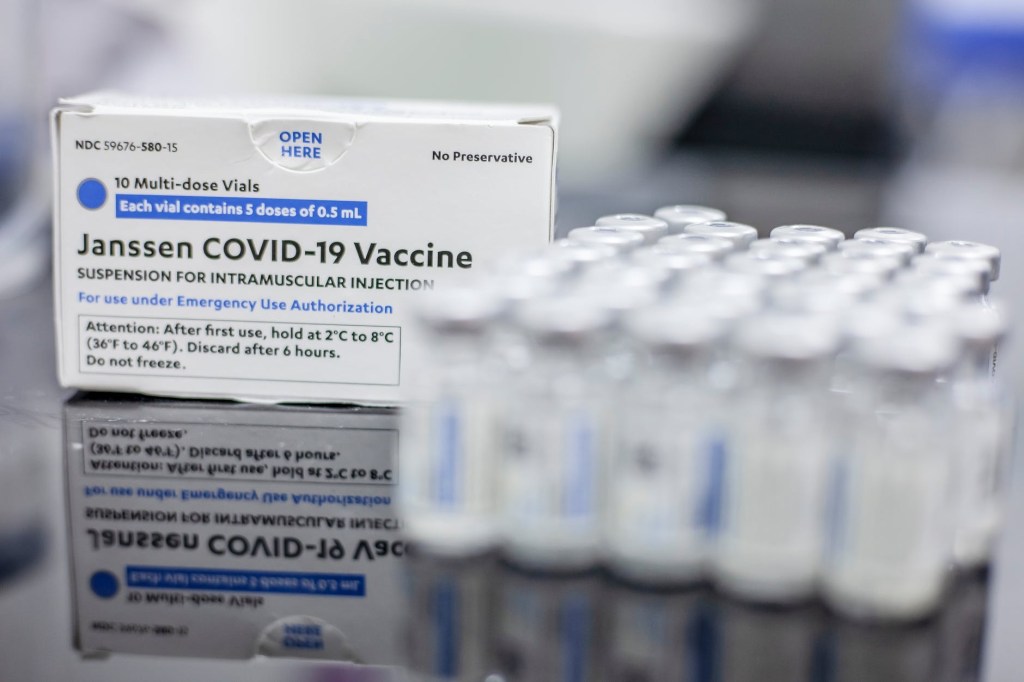
The Janssen vaccine, produced by the US giant Johnson & Johnson, is a single-dose vaccine and has proved 66% effective against Covid-19. The vaccine was just 57% effective in the South African part of the trial.
The reduction in efficacy of both vaccines against new variants is a bit worrying and indicates that if further new variants emerge in future, existing vaccines could be less effective and vaccines would need to be updated.
The Janssen vaccine uses a common cold virus and uses a approach similar to the Oxford Astra Zeneca Vaccine.
Novavax vaccine differs from existing vaccines and it uses a artificially produced COVID-19 spike protein, which is then assembled into nanoparticles to make them look like coronavirus.
Disclaimer: Please note- This blog is NOT medical advice. This blog is NOT a expert medical opinion on various topics. This blog is purely for information only and do check the the sources where cited. Please DO consult your own doctor to discuss concerns and options relevant to you.
The views expressed in this blog represent the author’s views held at the time of drafting the blog and may change overtime, particularly when new evidence comes to light. The blog is not previewed, commissioned or otherwise endorsed by any organisation the author is associated with. The authors views are not in way intended to be a substitute for professional advice.
You don’t need to be exposed to an infected person who is coughing, sneezing and spluttering to get the infection.
Merely talking to an infected person can make you catch the coronavirus infection particularly if you are very close to the person with infection and not wearing a mask in an indoor setting with poor ventilation.
Guardian. Talking can spread Covid as much as coughing, says research. Tiny aerosols of the virus emitted when speaking linger in air for longer than larger droplets from a cough. Nicola Davis Science correspondent @NicolaKSDavis Wed 20 Jan 2021 00.01 GMT
Journal Proceedings of the Royal Society A. Evolution of spray and aerosol from respiratory releases: theoretical estimates for insight on viral transmission. P. M. de Oliveira , L. C. C. Mesquita , S. Gkantonas , A. Giusti and E. Mastorakos. Published:20 January 2021. https://doi.org/10.1098/rspa.2020.0584
Disclaimer: Please note- This blog is NOT medical advice. This blog is NOT a expert medical opinion on various topics. This blog is purely for information only and do check the the sources where cited. Please DO consult your own doctor to discuss concerns and options relevant to you.
The views expressed in this blog represent the author’s views held at the time of drafting the blog and may change overtime, particularly when new evidence comes to light. The blog is not necessarily endorsed by any organisation the author is associated with and the authors views are not in way intended to be a substitute for professional advice.
Disclaimer: Please note- This blog is NOT medical advice. This blog is NOT a expert medical opinion on various topics. This blog is purely for information only and do check the the sources where cited. Please DO consult your own doctor to discuss concerns and options relevant to you.
The views expressed in this blog represent the author’s views held at the time of drafting the blog and may change overtime, particularly when new evidence comes to light. The blog is not necessarily endorsed by any organisation the author is associated with and the authors views are not in way intended to be a substitute for professional advice.
A significant minority of people have an unhealthy scepticism about all vaccines in general fuelled by misinformation on social media. Some people in western world, who haven’t seen the horrors that can be wrecked by infectious diseases, have an ill-informed view about all Vaccines.
Vaccines have played a significant role in protection against various deadly infections diseases in the past century. The infectious diseases of childhood have become less prevalent even in developing countries now. But there is a risk of Vaccine Hesitancy spreading to these third world developing countries.
The concerns of people with Vaccine Hesitancy particularly relating to COVID Vaccine is genuine. The COVID vaccines have been rapidly developed and there are no long term efficacy or toxicity data. Because it is a global emergency, countries are forced to begin COVID vaccination based on the available excellent short term efficacy and safety data. Only time can tell whether the Governments got it right over long term.
But there is no evidence to suggest secrecy or conspiracy surrounding development of various vaccines including COVID vaccines. For instance, two reports of severe allergies due to COVID vaccine was immediately brought to the attention of everyone by Regulatory authorities in UK.
It is now reported that Norway is investigating deaths after coronavirus vaccination in very frail elderly people. Any adverse report on vaccines will be investigated and made public.
It is very important to remember that life is full of risks. People make decisions every day based on benefits versus risks ( eg driving a car). People need to understand that the benefits from most vaccines against infections diseases significantly outweighs the risks of various vaccine side effects. While a handful have serious side effects, many millions do benefit from the all vaccines.
“Vaccines hesitancy” is also not helped Historic mistrust of government in sections of population which regrettably can make things difficult in terms of achieving good vaccine coverage at population level.
If you have concerns about vaccines –
“Do read information about Vaccines with an open mind and pay attention to high quality population level studies assessing risks versus benefits and ignore individual unsubstantiated stories”.
“Do speak to your doctor about your concerns with an open mind”.
“Do NOT always seek information that affirms your views and Worries. Do seek reliable information that challenges your views on vaccines before you make your choice”.
BMJ. The rush to create a covid-19 vaccine may do more harm than good. BMJ 2020; 370 doi: https://doi.org/10.1136/bmj.m3209 (Published 18 August 2020)Cite this as: BMJ 2020;370:m3209
Disclaimer: Please note- This blog is NOT medical advice. This blog is NOT a expert medical opinion on various topics. This blog is purely for information only and do check the the sources where cited. Please DO consult your own doctor to discuss concerns and options relevant to you.
The views expressed in this blog represent the author’s views held at the time of drafting the blog and may change overtime, particularly when new evidence comes to light. The blog is not necessarily endorsed by any organisation the author is associated with and the authors views are not in way intended to be a substitute for professional advice.
The first problem is supply of Vaccines. There are limited initial supplies globally. It will take many months even for richer countries to get their full supply.
Secondly, Vaccines take many weeks to become very effective. In clinical trials, more than 90% effectiveness was noted for some Vaccines a few weeks after the second dose.
Millions in the UK are yet to receive the first dose. Lots of people would not get the second dose until 10-12 weeks after first dose. A UK minister predicts a September vaccination target for all adults.
So it will take time for the full Vaccine effect to kick in at both individual as well as society level.
Thirdly, there is a potential problem of “Vaccines hesitancy” in sections of the society. A significant minority of people have a unhealthy scepticism about Vaccines fuelled by misinformation on social media.
Fourthly, it has to be pointed out that “No Vaccine works perfectly”. A Vaccine does not offer 100% protection. The high efficacy rates noted in young healthy volunteers participating in various trials might not be observed in real world population, and efficacy rates might be lower in elderly people.
Finally, the most serious potential risk and hurdle would be loss of Vaccine efficacy if new variants of Coronavirus are not protected by existing Vaccines.
Keep the mask; a Vaccine won’t end the COVID-19 crisis right away !
Disclaimer: Please note- This blog is NOT medical advice. This blog is NOT a expert medical opinion on various topics. This blog is purely for information only and do check the the sources where cited. Please DO consult your own doctor to discuss concerns and options relevant to you.
The views expressed in this blog represent the author’s views held at the time of drafting the blog and may change overtime, particularly when new evidence comes to light. The blog is not necessarily endorsed by any organisation the author is associated with and the authors views are not in way intended to be a substitute for professional advice.
Yes and No. It depends on how important your hospital visit is.
Recent news reports say that a significant number of patients acquired COVID during their hospital stay. Hospital acquired infections are a serious concern.
Yes, avoid, if you are trying to visit a family member admitted for a routine or elective medical procedure and is doing well.
Yes, avoid, if you can have a satisfactory phone or video consultation with medical team.
No, you should NOT avoid if you have any serious illness like heart attacks, stroke or cancer.
Everything in medicine depends on an assessment of risks versus benefits. For many patients with serious illness, on the whole, the benefits of proper treatment are likely to outweigh the risks of serious problems from COVID and risks can be managed.
If in doubt, ask your doctors or nurse about it. Do not take any action without discussing your concerns with your medical team.
JAMA: Richterman A, Meyerowitz EA, Cevik M. Hospital-acquired SARS-CoV-2 infection: lessons for public health. JAMA2020;324:2155-6. doi:10.1001/jama.2020.21399. https://jamanetwork.com/journals/jama/fullarticle/2773128. pmid:33185657
Disclaimer: Please note- This blog is NOT medical advice. This blog is purely for information only and do check the the sources where cited. Please DO consult your own doctor to discuss concerns and options relevant to you.
The views expressed in this blog represent the author’s views held at the time of drafting the blog and may change overtime, particularly when new evidence comes to light. The blog is not necessarily endorsed by any organisation the author is associated with and the authors views are not in way intended to be a substitute for professional advice
It might seem foolish to ask the question “Anything good from this COVID-19 pandemic?” when so many people across the world has been so badly affected by the coronavirus pandemic.
There is some truth in the proverb that “every dark cloud has a silver lining” and no matter how bad the current pandemic is now, human spirit and endeavour would get something positive out of it.
One possible good thing that has come out of the pandemic is the “mRNA technology”.
The successful use of RNA technology for Coronavirus Vaccines would hopefully enable the versatile RNA technology to be further developed and successfully used a cancer treatment in near future.
Further clinical trials in cancer patients would be done to provide proof of their potential.
Disclaimer: Please note- This blog is NOT medical advice. This blog is purely for information only and do check the the sources where cited. Please DO consult your own doctor to discuss concerns and options relevant to you.
The views expressed in this blog represent the author’s views held at the time of drafting the blog and may change overtime, particularly when new evidence comes to light. The blog is not necessarily endorsed by any organisation the author is associated with and the authors views are not in way intended to be a substitute for professional advice.















































































 Dr S Sundar