Advanced Cervical cancer which has come back after surgery or radiotherpy is usually treated with chemotherapy.
There is a new immunotherapy treatment option for all advanced cervical cancer patients now .
At the European Society of Medical Oncology (ESMO 2021) virtual conference, an international team of investigators, presented trial data regarding this new immunotherapy drug called cemiplimab.
One group of patients in the trial received the immunotherapy drug cemiplimab every 3 wks and another group of patients received intravenous chemo (pemetrexed, vinorelbine, gemcitabine, irinotecan or topotecan).
Cemiplimab significantly improved survival of patients and was better than chemotherapy.
This new immunotherapy drug cemiplimab is already being used for skin cancers and vulval skin cancers. Very soon, it would be used in cervical cancer patients.
Disclaimer: Please note- This blog is NOT medical advice. This blog is NOT a expert medical opinion on various topics. This blog is purely for information only and do check the the sources where cited. Please DO consult your own doctor to discuss concerns and options relevant to you. The views expressed in this blog represent the author’s views held at the time of drafting the blog and may change overtime, particularly when new evidence comes to light. The blog is not previewed, commissioned or otherwise endorsed by any organisation the author is associated with. The views expressed in this blog are not in way intended to be a substitute for professional advice.
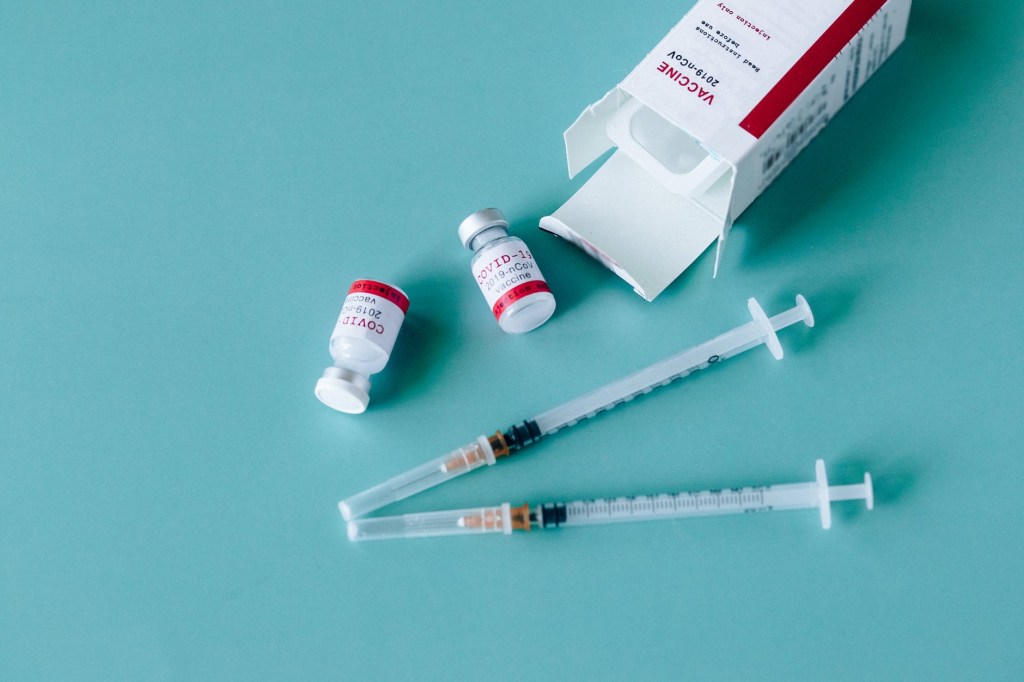
How effective is a single dose of Pfizer Vaccine in cancer patients?
Single dose is not very effective in cancer patients.
An UK study has now been peer reviewed and published in the esteemed Lancet oncology journal. The study showed inadequate protection after first dose.
More than half of the cancer patients receiving a single dose of the Pfizer COVID-19 vaccine have been left with little protection against the virus.
Two doses are critical and the second booster ideally need to be given on time at 21days.
Disclaimer: Please note- This blog is NOT medical advice. This blog is NOT a expert medical opinion on various topics. This blog is purely for information only and do check the the sources where cited. Please DO consult your own doctor to discuss concerns and options relevant to you. The views expressed in this blog represent the author’s views held at the time of drafting the blog and may change overtime, particularly when new evidence comes to light. The blog is not previewed, commissioned or otherwise endorsed by any organisation the author is associated with. The views expressed in this blog are not in way intended to be a substitute for professional advice.
The vaccination rates are rapidly going up and understandably many people are hoping for some sort of normality very soon.
But a new variant has been detected across the country. The scientists are worried about this new variant of coronavirus- called India variant. This variant can derail government plans in UK.
The current vaccines seem to offer somewhat less protection against this new variant . If this variant takes a strong foothold in UK , then we have to wait a bit longer for normality.
Disclaimer: Please note- This blog is NOT medical advice. This blog is NOT a expert medical opinion on various topics. This blog is purely for information only and do check the the sources where cited. Please DO consult your own doctor to discuss concerns and options relevant to you. The views expressed in this blog represent the author’s views held at the time of drafting the blog and may change overtime, particularly when new evidence comes to light. The blog is not previewed, commissioned or otherwise endorsed by any organisation the author is associated with. The views expressed in this blog are not in way intended to be a substitute for professional advice.
Yes, there is a risk of serious harm from “unauthorised” COVID treatments that are not officially authorised by competent regulatory authorities such as MHRA in UK or FDA in USA.
India is going to a rough patch. People with COVID are desperate for treatment. There is shortage of oxygen which is a commonly used treatment.
Apart from oxygen for respiratory support, only Two treatments have been proven to be of significant help in COVID-19 pneumonia. (1) Steroids (2) An arthritis drug called Tocilizumab
Many antivirals drugs have not shown any meaningful benefit. Various other drugs are still in trials.
It is rapidly evolving area and the BMJ has a COVID guideline which is being frequently updated during this pandemic.
This is significant risk of harm from drugs which are NOT properly assessed in clinical trials.
Anecdotally there has been lot of sudden deaths in India. Lot of unproven treatments such as Azithromycin, ivermectin, antivirals agents,chloroquine, and other agents widely used in india.
Although there is no definitive proof, One cannot help wondering whether poor outcome in at least some Indian patients is related to combinations of unproven drugs that are used widely in unregulated private healthcare sector.
BMJ. Drug treatments for covid-19: living systematic review and network meta-analysis BMJ 2020; 370 doi: https://doi.org/10.1136/bmj.m2980 (Published 30 July 2020) Cite this as: BMJ 2020;370:m2980
BMJ. A living WHO guideline on drugs for covid-19 BMJ 2020; 370 doi: https://doi.org/10.1136/bmj.m3379 (Published 04 September 2020).
Disclaimer: Please note- This blog is NOT medical advice. This blog is NOT a expert medical opinion on various topics. This blog is purely for information only and do check the the sources where cited. Please DO consult your own doctor to discuss concerns and options relevant to you. The views expressed in this blog represent the author’s views held at the time of drafting the blog and may change overtime, particularly when new evidence comes to light. The blog is not previewed, commissioned or otherwise endorsed by any organisation the author is associated with. The views expressed in this blog are not in way intended to be a substitute for professional advice.
An apple a day might not keep the doctor away. But a good public health team can keep the doctors away for many people!
Public health is about prevention and promotion of health in the society.
Public health is largely responsible for the significant improvements in life expectancy over the last 150 years.
Providing people with clean drinking water, removal of rubbish from houses and streets, good sewage system, and vaccination has saved many millions of lives over the years.
The recent smoking ban in work-places, public places and indoor venues is a modern example of public health activity.
The one area where public health has not been hugely successful is obesity. It may be because of the reliance on nudging the individual to change rather than dealing with underlying structural problems.
BMJ. Lifestyle and socioeconomic group on health Public health needs to go back to basics, not rely on nudge theory BMJ 2021; 373 doi: https://doi.org/10.1136/bmj.n1153 (Published 06 May 2021) Cite this as: BMJ 2021;373:n1153
BMJ. Short term impact of smoke-free legislation in England: retrospective analysis of hospital admissions for myocardial infarction BMJ 2010; 340 doi: https://doi.org/10.1136/bmj.c2161 (Published 08 June 2010) Cite this as: BMJ 2010;340:c2161
BMJ. Associations of healthy lifestyle and socioeconomic status with mortality and incident cardiovascular disease: two prospective cohort studies BMJ 2021; 373 doi: https://doi.org/10.1136/bmj.n604 (Published 14 April 2021) Cite this as: BMJ 2021;373:n604
Disclaimer: Please note- This blog is NOT medical advice. This blog is NOT a expert medical opinion on various topics. This blog is purely for information only and do check the the sources where cited. Please DO consult your own doctor to discuss concerns and options relevant to you. The views expressed in this blog represent the author’s views held at the time of drafting the blog and may change overtime, particularly when new evidence comes to light. The blog is not previewed, commissioned or otherwise endorsed by any organisation the author is associated with. The views expressed in this blog are not in way intended to be a substitute for professional advice.
BMJ. News Analysis. Covid-19: Is the UK heading towards mandatory vaccination of healthcare workers? BMJ 2021; 373 doi: https://doi.org/10.1136/bmj.n1056 (Published 21 April 2021) Cite this as: BMJ 2021;373:n1056
BMJ News. Covid-19: Italy makes vaccination mandatory for healthcare workers BMJ 2021; 373 doi: https://doi.org/10.1136/bmj.n905 (Published 06 April 2021) Cite this as: BMJ 2021;373:n905
Disclaimer: Please note- This blog is NOT medical advice. This blog is NOT a expert medical opinion on various topics. This blog is purely for information only and do check the the sources where cited. Please DO consult your own doctor to discuss concerns and options relevant to you. The views expressed in this blog represent the author’s views held at the time of drafting the blog and may change overtime, particularly when new evidence comes to light. The blog is not previewed, commissioned or otherwise endorsed by any organisation the author is associated with. The views expressed in this blog are not in way intended to be a substitute for professional advice.
COVID-19 is still raging like wild fire in various parts of world particularly in India now.
But, in U.K, it does look like the “beginning of the end” for the COVID pandemic. Vaccines seem to have greatly aided this end.
On Tuesday, UK reported 1,946 new infections and only four deaths within 28 days of a positive test.
So unless there is a new variant which overcomes the protective shield of the Vaccines, there may be no more lockdowns and life may go back to some sort of normality.
Disclaimer: Please note- This blog is NOT medical advice. This blog is NOT a expert medical opinion on various topics. This blog is purely for information only and do check the the sources where cited. Please DO consult your own doctor to discuss concerns and options relevant to you. The views expressed in this blog represent the author’s views held at the time of drafting the blog and may change overtime, particularly when new evidence comes to light. The blog is not previewed, commissioned or otherwise endorsed by any organisation the author is associated with. The views expressed in this blog are not in way intended to be a substitute for professional advice.
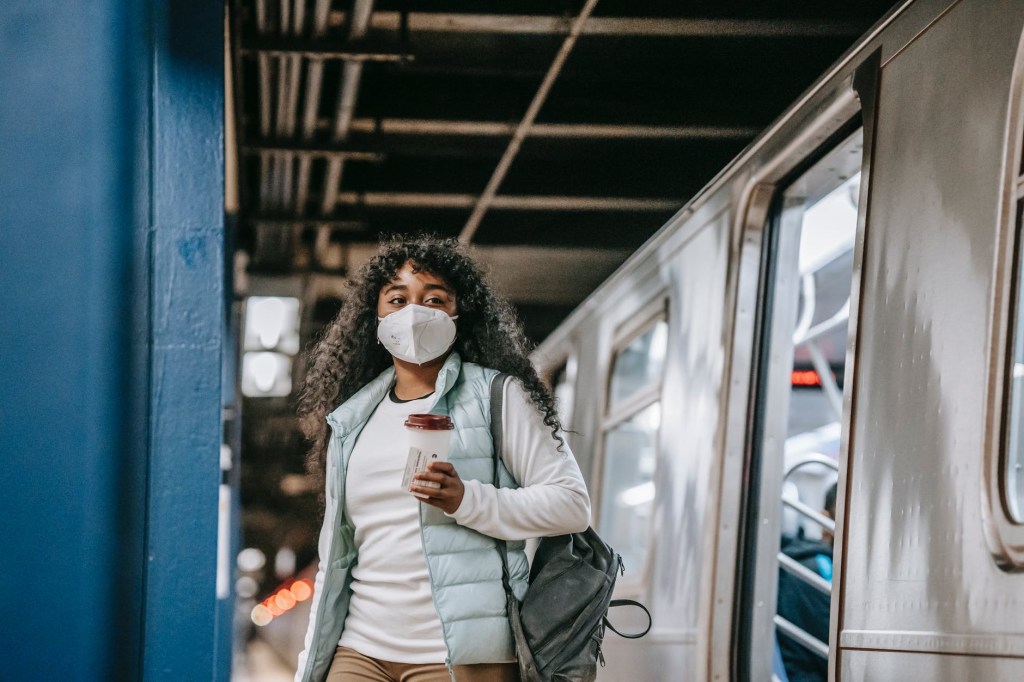
In the indoor settings, wearing masks can help to reduce the risk of getting COVID-19 infection.
But in the outdoor setting, masks may not be very helpful as the risk of getting COVID-19 infection from others, in outdoor settings, is considerably smaller.
Apart from infection prevention, I can see some additional benefits for voluntarily wearing masks in the streets.
The streets of major cities have significant air-pollution. So facial masks can help to reduce inhalation of toxic chemicals.
More and more surveillance street-cameras are now deploying facial-recognition software to deter criminals. But the cameras may also track movements of ordinary law-abiding people for marketing and advertising reasons. So face-masks may also be helpful to those with privacy concerns.
Read the article and submit your views through BMJ rapid response section.
BMJ . Coronavirus Transmission Should masks be worn outdoors? BMJ 2021; 373 doi: https://doi.org/10.1136/bmj.n1036 (Published 28 April 2021) Cite this as: BMJ 2021;373:n1036
Disclaimer: Please note- This blog is NOT medical advice. This blog is NOT a expert medical opinion on various topics. This blog is purely for information only and do check the the sources where cited. Please DO consult your own doctor to discuss concerns and options relevant to you. The views expressed in this blog represent the author’s views held at the time of drafting the blog and may change overtime, particularly when new evidence comes to light. The blog is not previewed, commissioned or otherwise endorsed by any organisation the author is associated with. The views expressed in this blog are not in way intended to be a substitute for professional advice.
Combination therapy with Hormone therapy and Radiotherapy is used with curative intent for treatment of prostate cancer.
There is some debate which treatment should be started first. At present, the hormone therapy is started first and radiotherpy is started second at a later date.
This is because many previous clinical trials, which found beneficial effects for the combination therapy, involved starting hormones first.
One advantage of starting hormone therapy immediately and delaying the start date of radiotherpy is that hormone therapy shrinks the size of prostate before radiotherpy . This greatly helps when image-guided Radiotherpy is planned later on.
A group of high Calibre researchers and authors from Canada and USA have published paper arguing in favour of radiotherpy starting first and starting hormones afterwards.
Some of the authors behind this paper in Journal of Clinical oncology have previously published seminal, practice changing, papers in field of prostate cancer.
My personal view, is that we have to wait for confirmatory evidence before changing the current practice.
I have to resort to the megaphone of a provocative headline grabbing title so that oncologists won’t uncritically accept the conclusion of the paper
Disclaimer: Please note- This blog is NOT medical advice. This blog is NOT a expert medical opinion on various topics. This blog is purely for information only and do check the the sources where cited. Please DO consult your own doctor to discuss concerns and options relevant to you. The views expressed in this blog represent the author’s views held at the time of drafting the blog and may change overtime, particularly when new evidence comes to light. The blog is not previewed, commissioned or otherwise endorsed by any organisation the author is associated with. The views expressed in this blog are not in way intended to be a substitute for professional advice.
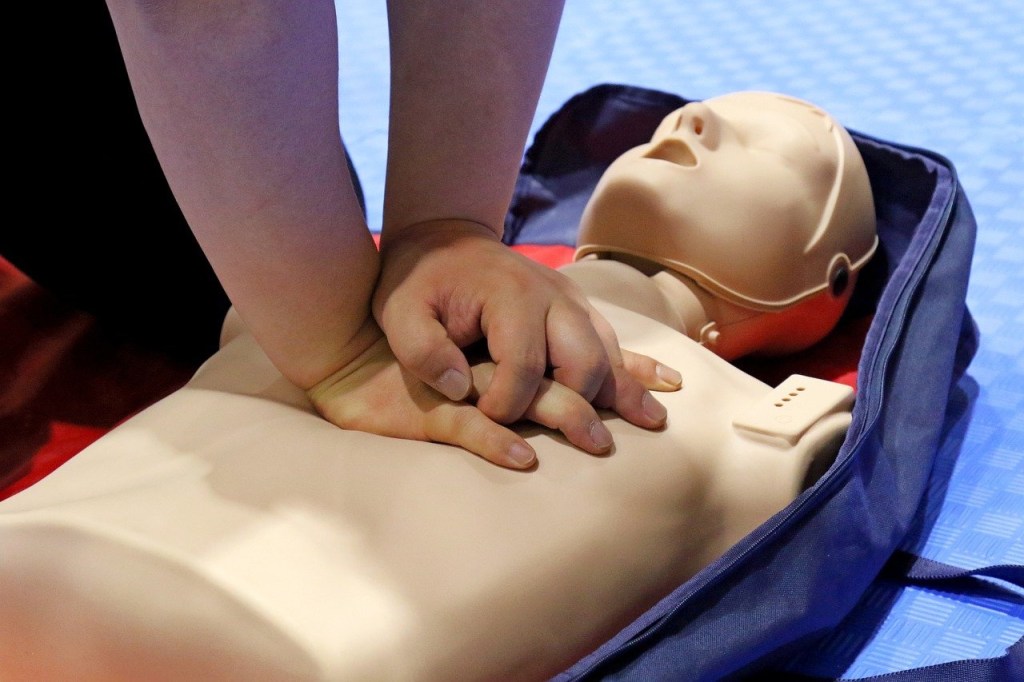
CPR or cardiopulmonary resuscitation is a medical procedure that is often misunderstood. It causes lot of anguish and distress to patients and family unnecessarily.
It is sometimes colloquially known as “kiss of life” as “mouth to mouth resuscitation” was previously used in pre-COVID era along with “chest compressions”.
CPR may involve “electric shocks to heart” when needed if machines are available. CPR in hospital may involve “tubes pushed down the throat” to enable air get into lungs. CPR almost always involves someone “pressing hard on the chest repeatedly with both hands” so as to help air get into lungs.
Overall, it can appear a bit brutal but it can be a life saver. That’s why the work places, train stations, airports and some public parks have the automatic defibrillators.
CPR is a wonderful medical first aid, which, delivered promptly, can save lives. It is highly successful in previously fit people with a sudden cardio respiratory arrest due to a “reversible or treatable” illness.
Television serials and Hollywood movies often portray CPR as a highly successful procedure.
But, unfortunately, in routine hospital practice, the success rates are low.
In particular, success rates are very low in “terminally ill” cancer patients and in frail patients with “multiple irreversible medical conditions”.
Because many people believe CPR is hugely successful in “everyone”, patients and families understandably get very upset when the medical team talk about “do not attempt resuscitation (DNAR)“.
When CPR is NOT used appropriately, it prevents peaceful death and stops terminally ill patients from gently fading away surrounded by their loved ones.
In cancer patients, when cancer treatments are not working, death occurs after the body has been overwhelmed by cancer. Trying to re-start the heart and lungs after the organs have stopped working due to cancer is often futile. More importantly, CPR can make death more traumatic for patients and family.
Other than educating people about benefits and limitations of CPR, there is no easy way to make this misconception about resuscitation go away.
Read my BMJ letter on this topic and contribute your views on the rapid response section of BMJ.
Disclaimer: Please note- This blog is NOT medical advice. This blog is NOT a expert medical opinion on various topics. This blog is purely for information only and do check the the sources where cited. Please DO consult your own doctor to discuss concerns and options relevant to you. The views expressed in this blog represent the author’s views held at the time of drafting the blog and may change overtime, particularly when new evidence comes to light. The blog is not previewed, commissioned or otherwise endorsed by any organisation the author is associated with. The views expressed in this blog are not in way intended to be a substitute for professional advice.
Disclaimer: Please note- This blog is NOT medical advice. This blog is NOT a expert medical opinion on various topics. This blog is purely for information only and do check the the sources where cited. Please DO consult your own doctor to discuss concerns and options relevant to you. The views expressed in this blog represent the author’s views held at the time of drafting the blog and may change overtime, particularly when new evidence comes to light. The blog is not previewed, commissioned or otherwise endorsed by any organisation the author is associated with. The views expressed in this blog are not in way intended to be a substitute for professional advice.
In USA, about 5800 “breakthrough” COVID-19 infections has been reported so far among the roughly 77 million people who had been fully vaccinated. That’s less than 0.008% cases.
A much more smaller minority among this minority group had serious infections. Among the 5800 cases, 396 patients were admitted to hospital and 74 patients died from COVID-19. That’s less than 0.0001% deaths.
1. BMJ News. Covid-19: Infections fell by 65% after first dose of AstraZeneca or Pfizer vaccine, data show BMJ 2021; 373 doi: https://doi.org/10.1136/bmj.n1068 (Published 23 April 2021) Cite this as: BMJ 2021;373:n1068
2. BMJ news. Covid-19: US reports low rate of new infections in people already vaccinated BMJ 2021; 373 doi: https://doi.org/10.1136/bmj.n1000 (Published 16 April 2021) Cite this as: BMJ 2021;373:n1000
Disclaimer: Please note- This blog is NOT medical advice. This blog is NOT a expert medical opinion on various topics. This blog is purely for information only and do check the the sources where cited. Please DO consult your own doctor to discuss concerns and options relevant to you. The views expressed in this blog represent the author’s views held at the time of drafting the blog and may change overtime, particularly when new evidence comes to light. The blog is not previewed, commissioned or otherwise endorsed by any organisation the author is associated with. The views expressed in this blog are not in way intended to be a substitute for professional advice.
If someone has recovered from a COVID-19 infection, they would have some protection against getting another COVID-19 infection.
But, even if someone has recovered very well from a previous infection, vaccination is necessary because there is still a significant risk of getting COVID-19 infection again.
Disclaimer: Please note- This blog is NOT medical advice. This blog is NOT a expert medical opinion on various topics. This blog is purely for information only and do check the the sources where cited. Please DO consult your own doctor to discuss concerns and options relevant to you. The views expressed in this blog represent the author’s views held at the time of drafting the blog and may change overtime, particularly when new evidence comes to light. The blog is not previewed, commissioned or otherwise endorsed by any organisation the author is associated with. The authors views are not in way intended to be a substitute for professional advice.
Like everything else in medicine, risks and benefits needs to be assessed in each individual case.
For instance, a doctor won’t give toxic treatments for a self limiting flu. But, on the other hand, a doctor will try toxic chemotherapy to control advanced lung cancer.
No vaccine or medicine is ever going to be 100% safe.
For that matter, Life is full of risks. Getting out of bed can be risky. Not getting out of bed everyday is also risky.
Older adults who are at high of COVID related death and COVID related complications should have the vaccine during this pandemic and not worry too much about rare serious side effects.
But young adults, who are a low risk, can avoid Astra Zeneca vaccine based on the available data, if alternatives are available.
Disclaimer: Please note- This blog is NOT medical advice. This blog is NOT a expert medical opinion on various topics. This blog is purely for information only and do check the the sources where cited. Please DO consult your own doctor to discuss concerns and options relevant to you. The views expressed in this blog represent the author’s views held at the time of drafting the blog and may change overtime, particularly when new evidence comes to light. The blog is not previewed, commissioned or otherwise endorsed by any organisation the author is associated with. The authors views are not in way intended to be a substitute for professional advice.
Vitamins and Minerals are absolutely essential nutrients for a Healthy body and a Healthy mind. Anyone not eating a healthy balanced should look what nutrients they might be missing.
But on the other hand, taking too much of vitamins and minerals, when they are not needed, could be harmful to the body.
There is widespread use of dietary supplements during cancer treatment, in the hope they can reduce side effects but many do not think about the disadvantages.
An American study of Breast cancer patients undergoing Chemotherapy looked at the effect of taking dietary supplements such as anti-oxidants, iron, vitamin B12, and omega-3 fatty acids.
Breast cancer patients who took the dietary supplements during chemotherapy were found be harmed by them. They had a higher chance of cancer coming back compared to people who did not take these supplements. The supplements also increased risk of death in those the supplements.
Beware supplements when used improperly, can be harmful.
Disclaimer: Please note- This blog is NOT medical advice. This blog is purely for information only and do check the the sources where cited. Please consult your own doctor to discuss concerns and options relevant to you.
The views expressed in this blog represent the author’s views held at the time of drafting the blog and is likely to change overtime, particularly when new evidence comes to light. The blog is not necessarily endorsed by any organisation the author is associated with and views are not substitute for professional advice.
A recent paper published in Lancet Psychiatry reports that at least 1 in 3 patients , who have recovered from severe COVID, have substantial neurological and psychiatric problems during the next six months .
This report is very worrying .
If study findings are confirmed by other studies, this would be yet another substantial reason to consider getting the vaccine as soon as it is offered.
Disclaimer: Please note- This blog is NOT medical advice. This blog is NOT a expert medical opinion on various topics. This blog is purely for information only and do check the the sources where cited. Please DO consult your own doctor to discuss concerns and options relevant to you. The views expressed in this blog represent the author’s views held at the time of drafting the blog and may change overtime, particularly when new evidence comes to light. The blog is not previewed, commissioned or otherwise endorsed by any organisation the author is associated with. The authors views are not in way intended to be a substitute for professional advice.
A recent study published in the esteemed Lancet Oncology Journal shows that the vaccine is well tolerated in patients having immunotherapy.
Unlike cancer chemotherapy, immunotherapy works differently. It works by releasing the in-built brakes holding down the immune system thereby boosting the body’s immune system against cancer.
There has been some theoretical concerns whether this might lead to COVID vaccine causing more side effects.
Reassuringly, the Vaccine side effects were NO different from those seen in people not having immunotherapy. The Vaccine also did NOT increase the immunotherapy side effects.
So the study is good news for tens of thousands of patients on immunotherapy and any cancer patient who has hesitated before, should seriously consider having the vaccine now
COVID infection could be very nasty in cancer patients and all evidence points to the benefits of vaccine far outweighing any risks from the Vaccine.
Disclaimer: Please note- This blog is NOT medical advice. This blog is NOT a expert medical opinion on various topics. This blog is purely for information only and do check the the sources where cited. Please DO consult your own doctor to discuss concerns and options relevant to you. The views expressed in this blog represent the author’s views held at the time of drafting the blog and may change overtime, particularly when new evidence comes to light. The blog is not previewed, commissioned or otherwise endorsed by any organisation the author is associated with. The authors views are not in way intended to be a substitute for professional advice.
BMJ News. Covid-19: Pfizer reports 100% vaccine efficacy in children aged 12 to 15 BMJ 2021; 373 doi: https://doi.org/10.1136/bmj.n881 (Published 01 April 2021) Cite this as: BMJ 2021;373:n881
Disclaimer: Please note- This blog is NOT medical advice. This blog is NOT a expert medical opinion on various topics. This blog is purely for information only and do check the the sources where cited. Please DO consult your own doctor to discuss concerns and options relevant to you. The views expressed in this blog represent the author’s views held at the time of drafting the blog and may change overtime, particularly when new evidence comes to light. The blog is not previewed, commissioned or otherwise endorsed by any organisation the author is associated with. The authors views are not in way intended to be a substitute for professional advice.
Many millions of people have now been vaccinated against COVID-19.
The COVID-19 vaccines are highly effective but the next important question is how long would the vaccines continue to protect.
Some vaccines for other viral diseases offer life long protection but others like flu vaccines need annual boosters. COVID-19 Studies are still ongoing.
A recently released Pfizer vaccine study data indicates that protection with Pfizer vaccine lasts for many months as a minimum. To be precise, so far, Pfizer vaccine was found to have 91% efficacy for up to six months. Ongoing studies would clarify whether booster vaccines are needed in future.
Disclaimer: Please note- This blog is NOT medical advice. This blog is NOT a expert medical opinion on various topics. This blog is purely for information only and do check the the sources where cited. Please DO consult your own doctor to discuss concerns and options relevant to you.
The views expressed in this blog represent the author’s views held at the time of drafting the blog and may change overtime, particularly when new evidence comes to light. The blog is not previewed, commissioned or otherwise endorsed by any organisation the author is associated with. The authors views are not in way intended to be a substitute for professional advice.
COVID-19 is not a self limiting illness particularly if you have been poorly enough to be hospitalised the first time around.
Even after recovering from a COVID-19 infection, many people remain at high risk of death.
A recent UK study published in the BMJ found that “ Nearly a third of people who have been in hospital before were readmitted after discharge for further treatment in the following four months”.
“And worryingly one in ten patients died during the follow up period after hospital discharge”.
The increase in risk was not confined to the elderly. So everyone still needs to be careful as the lockdown is being gradually eased.
Disclaimer: Please note- This blog is NOT medical advice. This blog is NOT a expert medical opinion on various topics. This blog is purely for information only and do check the the sources where cited. Please DO consult your own doctor to discuss concerns and options relevant to you.
The views expressed in this blog represent the author’s views held at the time of drafting the blog and may change overtime, particularly when new evidence comes to light. The blog is not previewed, commissioned or otherwise endorsed by any organisation the author is associated with. The authors views are not in way intended to be a substitute for professional advice.
A recent study published in BMJ shows increase in heart and lung related deaths due to traffic pollution.
Reference:
BMJ. Short term associations of ambient nitrogen dioxide with daily total, cardiovascular, and respiratory mortality: multilocation analysis in 398 cities. BMJ 2021; 372 doi: https://doi.org/10.1136/bmj.n534 (Published 24 March 2021) Cite this as: BMJ 2021;372:n534
Disclaimer: Please note- This blog is NOT medical advice. This blog is NOT a expert medical opinion on various topics. This blog is purely for information only and do check the the sources where cited. Please DO consult your own doctor to discuss concerns and options relevant to you. The views expressed in this blog represent the author’s views held at the time of drafting the blog and may change overtime, particularly when new evidence comes to light. The blog is not previewed, commissioned or otherwise endorsed by any organisation the author is associated with. The authors views are not in way intended to be a substitute for professional advice.
A Study published in British Medical Journal found that “A longer length of breastfeeding was associated with a reduced risk of cardiovascular disease”
The study also found that women who had certain pregnancy related complications were also at increased risk of heart disease in later life.
In addition, the study also found that taking contraceptive pills (combined pills) in younger age led to increased risk of heart disease and stroke in later life.
Awareness of these risks would help to take steps to reduce the risk from them.
Disclaimer: Please note- This blog is NOT medical advice. This blog is purely for information only and do check the the sources where cited. Please DO consult your own doctor to discuss concerns and options relevant to you.
The views expressed in this blog represent the author’s views held at the time of drafting the blog and may change overtime, particularly when new evidence comes to light. The blog is not necessarily endorsed by any organisation the author is associated with and the authors views are not in way intended to be a substitute for professional advice.
The new variant in UK, led to the second National Lockdown. Previously, it was reported that the new UK variant spreads more easily but it was NOT known whether it was more deadly.
Now, new evidence published in BMJ (British Medical Journal) indicates that the new UK variant of Coronavirus is more deadly and causes more deaths.
References for further information.
1.BMJ. Risk of mortality in patients infected with SARS-CoV-2 variant of concern 202012/1: matched cohort study. BMJ 2021; 372 doi: https://doi.org/10.1136/bmj.n579 (Published 10 March 2021) Cite this as: BMJ 2021;372:n579
Disclaimer: Please note- This blog is NOT medical advice. This blog is NOT a expert medical opinion on various topics. This blog is purely for information only and do check the the sources where cited. Please DO consult your own doctor to discuss concerns and options relevant to you. The views expressed in this blog represent the author’s views held at the time of drafting the blog and may change overtime, particularly when new evidence comes to light. The blog is not previewed, commissioned or otherwise endorsed by any organisation the author is associated with. The authors views are not in way intended to be a substitute for professional advice.
Disclaimer: Please note- This blog is NOT medical advice. This blog is NOT a expert medical opinion on various topics. This blog is purely for information only and do check the the sources where cited. Please DO consult your own doctor to discuss concerns and options relevant to you.
The views expressed in this blog represent the author’s views held at the time of drafting the blog and may change overtime, particularly when new evidence comes to light. The blog is not previewed, commissioned or otherwise endorsed by any organisation the author is associated with. The authors views are not in way intended to be a substitute for professional advice.
Disclaimer: Please note- This blog is NOT medical advice. This blog is NOT a expert medical opinion on various topics. This blog is purely for information only and do check the the sources where cited. Please DO consult your own doctor to discuss concerns and options relevant to you.
The views expressed in this blog represent the author’s views held at the time of drafting the blog and may change overtime, particularly when new evidence comes to light. The blog is not previewed, commissioned or otherwise endorsed by any organisation the author is associated with. The authors views are not in way intended to be a substitute for professional advice.
Nutritional supplements are often tried to prevent cancer. But well- designed rigorously conducted clinical trials have NOT shown any benefit in prevention of many cancers.
Selenium was suggested as a preventative supplement for skin cancer.
A clinical trial compared Selenium against placebo in United States. The results were disappointing.
Disclaimer: Please note- This blog is NOT medical advice. This blog is purely for information only and do check the the sources where cited. Please consult your own doctor to discuss concerns and options relevant to you.
The views expressed in this blog represent the author’s views held at the time of drafting the blog and is likely to change overtime, particularly when new evidence comes to light. The blog is not necessarily endorsed by any organisation the author is associated with and views are not substitute for professional advice.
Disclaimer: Please note- This blog is NOT medical advice. This blog is NOT a expert medical opinion on various topics. This blog is purely for information only and do check the the sources where cited. Please DO consult your own doctor to discuss concerns and options relevant to you.
The views expressed in this blog represent the author’s views held at the time of drafting the blog and may change overtime, particularly when new evidence comes to light. The blog is not previewed, commissioned or otherwise endorsed by any organisation the author is associated with. The authors views are not in way intended to be a substitute for professional advice.
Vast majority of people are desperate to have vaccination and some people are even queue jumping. So this issue is of relevance to some people only and that too when vaccines are freely available to all.
If you are a plumber, who may be visiting the homes of Vulnerable people or a Care Home worker looking after very elderly people, it may be justifiable to say ‘no jab, no job’.
Balancing individual Liberty versus the benefit of others would be a legal minefield particularly when existing workers are concerned.
Furthermore, there are still lot of things we do not know how vaccines. We do not know how long they will protect somebody. We do not know whether all vaccines have similar efficacy. We do not know about the extent to which vaccines would be effective against any variants.
Disclaimer: Please note- This blog is NOT medical advice. This blog is NOT a expert medical opinion on various topics. This blog is purely for information only and do check the the sources where cited. Please DO consult your own doctor to discuss concerns and options relevant to you.
The views expressed in this blog represent the author’s views held at the time of drafting the blog and may change overtime, particularly when new evidence comes to light. The blog is not previewed, commissioned or otherwise endorsed by any organisation the author is associated with. The authors views are not in way intended to be a substitute for professional advice.
Disclaimer: Please note- This blog is NOT medical advice. This blog is purely for information only and do check the the sources where cited. Please DO consult your own doctor to discuss concerns and options relevant to you.
The views expressed in this blog represent the author’s views held at the time of drafting the blog and may change overtime, particularly when new evidence comes to light. The blog is not necessarily endorsed by any organisation the author is associated with and views are not substitute for professional advice.
Disclaimer: Please note- This blog is NOT medical advice. This blog is NOT a expert medical opinion on various topics. This blog is purely for information only and do check the the sources where cited. Please DO consult your own doctor to discuss concerns and options relevant to you.
The views expressed in this blog represent the author’s views held at the time of drafting the blog and may change overtime, particularly when new evidence comes to light. The blog is not previewed, commissioned or otherwise endorsed by any organisation the author is associated with. The authors views are not in way intended to be a substitute for professional advice.
The study presented at the ASCO ( American Society of Clinical Oncology) virtual scientific symposium in 2020,
“The VITamin D and OmegA-3 TriaL (VITAL) was a high quality study. The study randomly assigned patients to Vitamin D3 supplements and/or omega-3 fatty acid supplements and/or both or placebo in 25,871 men and women.
The study found that “vitamin D supplementation decreased risk of developing advanced cancers by 17% compared with placebo ”
“Omega-3 supplementation did not reduce the incidence of advanced cancer.”
Disclaimer: Please note- This blog is NOT medical advice. This blog is purely for information only and do check the the sources where cited. Please consult your own doctor to discuss concerns and options relevant to you.
The views expressed in this blog represent the author’s views held at the time of drafting the blog and is likely to change overtime, particularly when new evidence comes to light. The blog is not necessarily endorsed by any organisation the author is associated with and views are not substitute for professional advice.
A large study in BMJ reports that high intake of cereals is associated with higher risk of Blood pressure and Heart diseases.
High intake of white bread, pasta/noodles were also as bad as breakfast cereals because of the refined grains.
Intake of whole grains and whole grain porridges. did not affect the health outcomes.
Interestingly, white rice did not affect the health outcomes either.
Associations of cereal grains intake with cardiovascular disease and mortality across 21 countries in Prospective Urban and Rural Epidemiology study: prospective cohort study BMJ 2021; 372 doi: https://doi.org/10.1136/bmj.m4948 (Published 03 February 2021) Cite this as: BMJ 2021;372:m4948
Disclaimer: Please note- This blog is NOT medical advice. This blog is NOT a expert medical opinion on various topics. This blog is purely for information only and do check the the sources where cited. Please DO consult your own doctor to discuss concerns and options relevant to you.
The views expressed in this blog represent the author’s views held at the time of drafting the blog and may change overtime, particularly when new evidence comes to light. The blog is not previewed, commissioned or otherwise endorsed by any organisation the author is associated with. The authors views are not in way intended to be a substitute for professional advice.
If all the vaccines now in use continue to be safe and highly effective in real world population, then it is only a matter of months before the pandemic comes to an end and normal life returns in 2021 !
Vaccines work by tricking the body into thinking that there is a real infection and hence the body produces antibodies. So this study indirectly indicates the protection from vaccines will also last longer and yet another reason to be hopeful about the end of pandemic in 2021.
Disclaimer: Please note- This blog is NOT medical advice. This blog is NOT a expert medical opinion on various topics. This blog is purely for information only and do check the the sources where cited. Please DO consult your own doctor to discuss concerns and options relevant to you.
The views expressed in this blog represent the author’s views held at the time of drafting the blog and may change overtime, particularly when new evidence comes to light. The blog is not previewed, commissioned or otherwise endorsed by any organisation the author is associated with. The authors views are not in way intended to be a substitute for professional advice.
More good news on the vaccine front in the fight against the coronavirus.
Two new vaccines have reported positive results.
The NOVAVAX vaccine is first Vaccine to report efficacy against the new variants. It is 95.6% effective against the original strain of coronavirus.
NOVAVAX is 86% effective at protecting against the new UK variant, which is very reassuring. But the Vaccine is only, 60% effective against South African variant of the virus. The efficacy against Brazilian variant is unknown.
The Janssen vaccine, produced by the US giant Johnson & Johnson, is a single-dose vaccine and has proved 66% effective against Covid-19. The vaccine was just 57% effective in the South African part of the trial.
The reduction in efficacy of both vaccines against new variants is a bit worrying and indicates that if further new variants emerge in future, existing vaccines could be less effective and vaccines would need to be updated.
The Janssen vaccine uses a common cold virus and uses a approach similar to the Oxford Astra Zeneca Vaccine.
Novavax vaccine differs from existing vaccines and it uses a artificially produced COVID-19 spike protein, which is then assembled into nanoparticles to make them look like coronavirus.
Disclaimer: Please note- This blog is NOT medical advice. This blog is NOT a expert medical opinion on various topics. This blog is purely for information only and do check the the sources where cited. Please DO consult your own doctor to discuss concerns and options relevant to you.
The views expressed in this blog represent the author’s views held at the time of drafting the blog and may change overtime, particularly when new evidence comes to light. The blog is not previewed, commissioned or otherwise endorsed by any organisation the author is associated with. The authors views are not in way intended to be a substitute for professional advice.
Disclaimer: Please note- This blog is NOT medical advice. This blog is NOT a expert medical opinion on various topics. This blog is purely for information only and do check the the sources where cited. Please DO consult your own doctor to discuss concerns and options relevant to you.
The views expressed in this blog represent the author’s views held at the time of drafting the blog and may change overtime, particularly when new evidence comes to light. The blog is not previewed, commissioned or otherwise endorsed by any organisation the author is associated with. The authors views are not in way intended to be a substitute for professional advice.
Read the excellent article in BMJ and contribute your views through the rapid response section of BMJ
Reference
Too little, too late: social media companies’ failure to tackle vaccine misinformation poses a real threat BMJ 2021; 372 doi: https://doi.org/10.1136/bmj.n26 (Published 21 January 2021) Cite this as: BMJ 2021;372:n26
Disclaimer: Please note- This blog is NOT medical advice. This blog is NOT a expert medical opinion on various topics. This blog is purely for information only and do check the the sources where cited. Please DO consult your own doctor to discuss concerns and options relevant to you.
The views expressed in this blog represent the author’s views held at the time of drafting the blog and may change overtime, particularly when new evidence comes to light. The blog is not necessarily endorsed by any organisation the author is associated with and the authors views are not in way intended to be a substitute for professional advice.
You don’t need to be exposed to an infected person who is coughing, sneezing and spluttering to get the infection.
Merely talking to an infected person can make you catch the coronavirus infection particularly if you are very close to the person with infection and not wearing a mask in an indoor setting with poor ventilation.
Guardian. Talking can spread Covid as much as coughing, says research. Tiny aerosols of the virus emitted when speaking linger in air for longer than larger droplets from a cough. Nicola Davis Science correspondent @NicolaKSDavis Wed 20 Jan 2021 00.01 GMT
Journal Proceedings of the Royal Society A. Evolution of spray and aerosol from respiratory releases: theoretical estimates for insight on viral transmission. P. M. de Oliveira , L. C. C. Mesquita , S. Gkantonas , A. Giusti and E. Mastorakos. Published:20 January 2021. https://doi.org/10.1098/rspa.2020.0584
Disclaimer: Please note- This blog is NOT medical advice. This blog is NOT a expert medical opinion on various topics. This blog is purely for information only and do check the the sources where cited. Please DO consult your own doctor to discuss concerns and options relevant to you.
The views expressed in this blog represent the author’s views held at the time of drafting the blog and may change overtime, particularly when new evidence comes to light. The blog is not necessarily endorsed by any organisation the author is associated with and the authors views are not in way intended to be a substitute for professional advice.
Disclaimer: Please note- This blog is NOT medical advice. This blog is NOT a expert medical opinion on various topics. This blog is purely for information only and do check the the sources where cited. Please DO consult your own doctor to discuss concerns and options relevant to you.
The views expressed in this blog represent the author’s views held at the time of drafting the blog and may change overtime, particularly when new evidence comes to light. The blog is not necessarily endorsed by any organisation the author is associated with and the authors views are not in way intended to be a substitute for professional advice.
A significant minority of people have an unhealthy scepticism about all vaccines in general fuelled by misinformation on social media. Some people in western world, who haven’t seen the horrors that can be wrecked by infectious diseases, have an ill-informed view about all Vaccines.
Vaccines have played a significant role in protection against various deadly infections diseases in the past century. The infectious diseases of childhood have become less prevalent even in developing countries now. But there is a risk of Vaccine Hesitancy spreading to these third world developing countries.
The concerns of people with Vaccine Hesitancy particularly relating to COVID Vaccine is genuine. The COVID vaccines have been rapidly developed and there are no long term efficacy or toxicity data. Because it is a global emergency, countries are forced to begin COVID vaccination based on the available excellent short term efficacy and safety data. Only time can tell whether the Governments got it right over long term.
But there is no evidence to suggest secrecy or conspiracy surrounding development of various vaccines including COVID vaccines. For instance, two reports of severe allergies due to COVID vaccine was immediately brought to the attention of everyone by Regulatory authorities in UK.
It is now reported that Norway is investigating deaths after coronavirus vaccination in very frail elderly people. Any adverse report on vaccines will be investigated and made public.
It is very important to remember that life is full of risks. People make decisions every day based on benefits versus risks ( eg driving a car). People need to understand that the benefits from most vaccines against infections diseases significantly outweighs the risks of various vaccine side effects. While a handful have serious side effects, many millions do benefit from the all vaccines.
“Vaccines hesitancy” is also not helped Historic mistrust of government in sections of population which regrettably can make things difficult in terms of achieving good vaccine coverage at population level.
If you have concerns about vaccines –
“Do read information about Vaccines with an open mind and pay attention to high quality population level studies assessing risks versus benefits and ignore individual unsubstantiated stories”.
“Do speak to your doctor about your concerns with an open mind”.
“Do NOT always seek information that affirms your views and Worries. Do seek reliable information that challenges your views on vaccines before you make your choice”.
BMJ. The rush to create a covid-19 vaccine may do more harm than good. BMJ 2020; 370 doi: https://doi.org/10.1136/bmj.m3209 (Published 18 August 2020)Cite this as: BMJ 2020;370:m3209
Disclaimer: Please note- This blog is NOT medical advice. This blog is NOT a expert medical opinion on various topics. This blog is purely for information only and do check the the sources where cited. Please DO consult your own doctor to discuss concerns and options relevant to you.
The views expressed in this blog represent the author’s views held at the time of drafting the blog and may change overtime, particularly when new evidence comes to light. The blog is not necessarily endorsed by any organisation the author is associated with and the authors views are not in way intended to be a substitute for professional advice.
The first problem is supply of Vaccines. There are limited initial supplies globally. It will take many months even for richer countries to get their full supply.
Secondly, Vaccines take many weeks to become very effective. In clinical trials, more than 90% effectiveness was noted for some Vaccines a few weeks after the second dose.
Millions in the UK are yet to receive the first dose. Lots of people would not get the second dose until 10-12 weeks after first dose. A UK minister predicts a September vaccination target for all adults.
So it will take time for the full Vaccine effect to kick in at both individual as well as society level.
Thirdly, there is a potential problem of “Vaccines hesitancy” in sections of the society. A significant minority of people have a unhealthy scepticism about Vaccines fuelled by misinformation on social media.
Fourthly, it has to be pointed out that “No Vaccine works perfectly”. A Vaccine does not offer 100% protection. The high efficacy rates noted in young healthy volunteers participating in various trials might not be observed in real world population, and efficacy rates might be lower in elderly people.
Finally, the most serious potential risk and hurdle would be loss of Vaccine efficacy if new variants of Coronavirus are not protected by existing Vaccines.
Keep the mask; a Vaccine won’t end the COVID-19 crisis right away !
Disclaimer: Please note- This blog is NOT medical advice. This blog is NOT a expert medical opinion on various topics. This blog is purely for information only and do check the the sources where cited. Please DO consult your own doctor to discuss concerns and options relevant to you.
The views expressed in this blog represent the author’s views held at the time of drafting the blog and may change overtime, particularly when new evidence comes to light. The blog is not necessarily endorsed by any organisation the author is associated with and the authors views are not in way intended to be a substitute for professional advice.
Disclaimer: Please note- This blog is NOT medical advice. This blog is NOT a expert medical opinion on various topics. This blog is purely for information only and do check the the sources where cited. Please DO consult your own doctor to discuss concerns and options relevant to you.
The views expressed in this blog represent the author’s views held at the time of drafting the blog and may change overtime, particularly when new evidence comes to light. The blog is not necessarily endorsed by any organisation the author is associated with and the authors views are NOT in way intended to be a substitute for professional advice.
Disclaimer: Please note- This blog is NOT medical advice. This blog is NOT a expert medical opinion on various topics. This blog is purely for information only and do check the the sources where cited. Please DO consult your own doctor to discuss concerns and options relevant to you.
The views expressed in this blog represent the author’s views held at the time of drafting the blog and may change overtime, particularly when new evidence comes to light. The blog is not necessarily endorsed by any organisation the author is associated with and the authors views are not in way intended to be a substitute for professional advice.
Yes and No. It depends on how important your hospital visit is.
Recent news reports say that a significant number of patients acquired COVID during their hospital stay. Hospital acquired infections are a serious concern.
Yes, avoid, if you are trying to visit a family member admitted for a routine or elective medical procedure and is doing well.
Yes, avoid, if you can have a satisfactory phone or video consultation with medical team.
No, you should NOT avoid if you have any serious illness like heart attacks, stroke or cancer.
Everything in medicine depends on an assessment of risks versus benefits. For many patients with serious illness, on the whole, the benefits of proper treatment are likely to outweigh the risks of serious problems from COVID and risks can be managed.
If in doubt, ask your doctors or nurse about it. Do not take any action without discussing your concerns with your medical team.
JAMA: Richterman A, Meyerowitz EA, Cevik M. Hospital-acquired SARS-CoV-2 infection: lessons for public health. JAMA2020;324:2155-6. doi:10.1001/jama.2020.21399. https://jamanetwork.com/journals/jama/fullarticle/2773128. pmid:33185657
Disclaimer: Please note- This blog is NOT medical advice. This blog is purely for information only and do check the the sources where cited. Please DO consult your own doctor to discuss concerns and options relevant to you.
The views expressed in this blog represent the author’s views held at the time of drafting the blog and may change overtime, particularly when new evidence comes to light. The blog is not necessarily endorsed by any organisation the author is associated with and the authors views are not in way intended to be a substitute for professional advice
It might seem foolish to ask the question “Anything good from this COVID-19 pandemic?” when so many people across the world has been so badly affected by the coronavirus pandemic.
There is some truth in the proverb that “every dark cloud has a silver lining” and no matter how bad the current pandemic is now, human spirit and endeavour would get something positive out of it.
One possible good thing that has come out of the pandemic is the “mRNA technology”.
The successful use of RNA technology for Coronavirus Vaccines would hopefully enable the versatile RNA technology to be further developed and successfully used a cancer treatment in near future.
Further clinical trials in cancer patients would be done to provide proof of their potential.
Disclaimer: Please note- This blog is NOT medical advice. This blog is purely for information only and do check the the sources where cited. Please DO consult your own doctor to discuss concerns and options relevant to you.
The views expressed in this blog represent the author’s views held at the time of drafting the blog and may change overtime, particularly when new evidence comes to light. The blog is not necessarily endorsed by any organisation the author is associated with and the authors views are not in way intended to be a substitute for professional advice.
The study involved healthcare workers from hospitals across the UK. The study recruited mainly Young and Middle age people ; it is not known whether the study findings would apply to older age people who are the most vulnerable.
The protection is not 100%. The protective effect was noted for only 83% . So there is still a chance someone who has recovered from the 1st infection might still get a 2nd infection.
The other big concern is “the risk of reinfection from the new Covid variants spotted in the UK, South Africa and Brazil”.
The study continues and more information would be available later this year ”
Disclaimer: Please note- This blog is NOT medical advice. This blog is purely for information only and do check the the sources where cited. Please DO consult your own doctor to discuss concerns and options relevant to you.
The views expressed in this blog represent the author’s views held at the time of drafting the blog and may change overtime, particularly when new evidence comes to light. The blog is not necessarily endorsed by any organisation the author is associated with and the authors views are not in way intended to be a substitute for professional advice.
A large study of 309,123 participants found that Spirit drinking was associated with higher risk of early death compared to red wine drinking.
Beer/cider drinkers were also found to be at a higher risk of early death.
Alcohol consumption without food was associated with higher risk of early death compared to consumption with food.
Binge drinking with Alcohol consumption over 1–2 times/week was more risky compared to drinking spread out over 3–4 times/week.
But the study doesn’t seem to have looked at teetotallers. The study specifically excluded Abstainers and infrequent alcohol consumers. It is quite possible that avoiding alcohol altogether may be more beneficial but that might not be acceptable to many people !
As usual most of studies relating to food and drink need to be taken with a dose of healthy scepticism.
Guardian. Study finds one small alcoholic drink a day raises risk of irregular heartbeat. Researchers examined heart health and drinking habits of 108,000 people aged 24 to 97 over 14 years The report found people who consumed equivalent to a 330ml beer, a 120ml glass of wine, or 40mls of spirits were 16% more likely than teetotallers to develop atrial fibrillation. Ian Sample Science editor @iansample Wed 13 Jan 2021 06.00 GMT
Disclaimer: Please note- This blog is NOT medical advice. This blog is purely for information only and do check the the sources where cited. Please DO consult your own doctor to discuss concerns and options relevant to you.
The views expressed in this blog represent the author’s views held at the time of drafting the blog and may change overtime, particularly when new evidence comes to light. The blog is not necessarily endorsed by any organisation the author is associated with and the authors views are not in way intended to be a substitute for professional advice.
You might have read information about the COVID vaccines on various news outlets and social media messages.
If you want complete summary information about vaccines approved by the regulatory authorities, click on the links below.
Two types of information leaflets accompany all licensed medicines. – One is meant for health professionals and has lot of clinical information. (called SPC) – The other is meant for patients and public and provides a summary of facts using lay terms.(called PIL).
The leaflets provide information about all common side effects observed in the trials.
Disclaimer: Please note- This blog is NOT medical advice. This blog is purely for information only and do check the the sources where cited. Please DO consult your own doctor to discuss concerns and options relevant to you.
The views expressed in this blog represent the author’s views held at the time of drafting the blog and may change overtime, particularly when new evidence comes to light. The blog is not necessarily endorsed by any organisation the author is associated with and the authors views are not in way intended to be a substitute for professional advice.
People who have recovered from a COVID-19 infection are expected to have some protection against another repeat infection by the COVID-19 Coronavirus.
The protection comes from patients own antibodies present in their blood.
Previously, there was a concern that this protection might not last very long and that the levels of protective antibody may drop off quickly and this in turn can lead to repeat infections.
This news indirectly might also be good news for COVID-19 vaccines .
Vaccines work by tricking the body into thinking that there is a virus infection and the body then produces the protective antibodies and cells.
Based on this study, one can logically hope that the protection by vaccines can be long lasting as well. Of course, nothing is certain and further vaccine data is awaited to confirm this.
References: (1) Lumley SF, O’Donnell D, Stoesser NE, et al., Oxford University Hospitals Staff Testing Group. Antibody status and incidence of SARS-CoV-2 infection in health care workers. N Engl J Med2020. doi:10.1056/NEJMoa2034545. pmid:33369366
(2) BMJ news: Covid-19: Antibodies protect against reinfection for at least six months, study finds. BMJ 2020; 371 doi: https://doi.org/10.1136/bmj.m4961 (Published 30 December 2020) Cite this as: BMJ 2020;371:m4961
Disclaimer: Please note- This blog is NOT medical advice. This blog is purely for information only and do check the the sources where cited. Please DO consult your own doctor to discuss concerns and options relevant to you.
The views expressed in this blog represent the author’s views held at the time of drafting the blog and may change overtime, particularly when new evidence comes to light. The blog is not necessarily endorsed by any organisation the author is associated with and views are not substitute for professional advice.
Now the regulatory authorities have approved a third vaccine. The third vaccine from Moderna along with two other vaccines should help to bring the pandemic to an end.
The Moderna vaccine is a new technology like the Pfizer Vaccine. (based on mRNA technology).
Like the two vaccines, the short term data for Moderna vaccine is very encouraging.
Over long term, one hopes that the protective effect of all the three vaccines is long lasting and that they remain effective against any new variants of coronavirus that might emerge in the coming months.
Overall, there is certainly ‘light at end of the tunnel’ and the world can emerge out of this horrific pandemic in a short period.
Disclaimer: Please note- This blog is NOT medical advice. This blog is purely for information only and do check the the sources where cited. Please DO consult your own doctor to discuss concerns and options relevant to you.
The views expressed in this blog represent the author’s views held at the time of drafting the blog and may change overtime, particularly when new evidence comes to light. The blog is not necessarily endorsed by any organisation the author is associated with and the authors views are not in way intended to be a substitute for professional advice.
Possibly yes, if food is not properly handled during preparation, packaging and delivery.
It is likely the risks from properly prepared food and food packaging itself are minimal. There is more risk from interaction with the delivery person.
If you are shielding or a very old person, there is a chance the food delivery person might pass on the infection to you. Stay at safe distance, use gloves and masks, and advice the delivery to be left at door for collection. Wipe Clean outside packaging and transfer contents to your own containers.
But for young adults the risk is likely to be very small.
Most importantly, it has to pointed out that everything in life has some risks. If you are not buying a takeaway, you might have to go shops or supermarkets to buy food for cooking and eating. There is a risk of catching cornovirus from other people while shopping !
Disclaimer: Please note- This blog is NOT medical advice. This blog is purely for information only and do check the the sources where cited. Please DO consult your own doctor to discuss concerns and options relevant to you.
The views expressed in this blog represent the author’s views held at the time of drafting the blog and may change overtime, particularly when new evidence comes to light. The blog is not necessarily endorsed by any organisation the author is associated with and the authors views are not in way intended to be a substitute for professional advice.






















































































 Dr S Sundar